


Homes in Columbine Valley
We work in ranches, two-stories, and townhomes across Columbine Valley. Most residential jobs take one to two days.
- 1970s ranches
- 1990s two-stories
- Townhomes
- Rental properties
When you need Attic Mold Removal in Columbine Valley, PeakShield Attic Solutions handles the inspection, testing, and remediation in one visit.
8167 Southpark Cir, Littleton, CO 80120, Littleton, Colorado
Serving Columbine Valley and nearby
Attic Mold Removal in Columbine Valley is not a one-size job. The housing stock here ranges from 1970s ranches with fiberglass insulation and minimal soffit venting to newer builds with tight building envelopes that trap humid summer air. We have worked attics in Columbine Valley North, Columbine Valley South, and the streets feeding into Columbine Valley Center.
That local experience matters because the moisture source is rarely the same twice. A roof leak near Littleton Golf Course looks nothing like condensation on wood sheathing in a 1985 build off Columbine Valley East. We bring a thermal imaging camera, moisture meter, and boroscope to every inspection so we can show you exactly where the problem starts.
Our crews are IICRC-trained and follow Arapahoe County codes for attic ventilation and moisture control. We use Concrobium and Benefect antimicrobials, HEPA vacuums, and negative air machines to contain the work area. When we finish, you get a written scope, photo documentation, and a clear answer on whether your attic needs insulation replacement or just targeted treatment.
Columbine Valley sits in a pocket of Arapahoe County where humid summers and older attic ventilation systems create real mold risk. The established neighborhoods here were built before modern vapor barriers became standard, so moisture migrates into the attic from living spaces below. We see it constantly in Columbine Valley West and Columbine Valley Center.
The proximity to the South Platte River adds ambient humidity that makes condensation on trusses and roof sheathing more likely. We serve this area because the demand is steady and the work is specific. Homeowners here need a contractor who understands why their 1978 ranch has mold on the north-facing sheathing and their neighbor's 2005 build does not.
Good to know in Columbine Valley
Homes built before 1990 in Columbine Valley often have minimal soffit venting and no ridge vent. This traps humid air in the attic, leading to condensation on sheathing and trusses. Mold grows within weeks of a moisture event.
Arapahoe County requires attic ventilation to meet specific ratios of vent area to attic square footage. When we install ventilation, we size it to meet or exceed code.
North Columbine Valley has a mix of 1970s ranches and 1990s two-story homes. The older homes often have bath fans venting directly into the attic, which causes insulation mold.
Every attic is different, and the service you need depends on what we find. In Columbine Valley, we see insulation mold in older homes, sheathing mold from roof leaks, and truss mold from years of unchecked humidity.
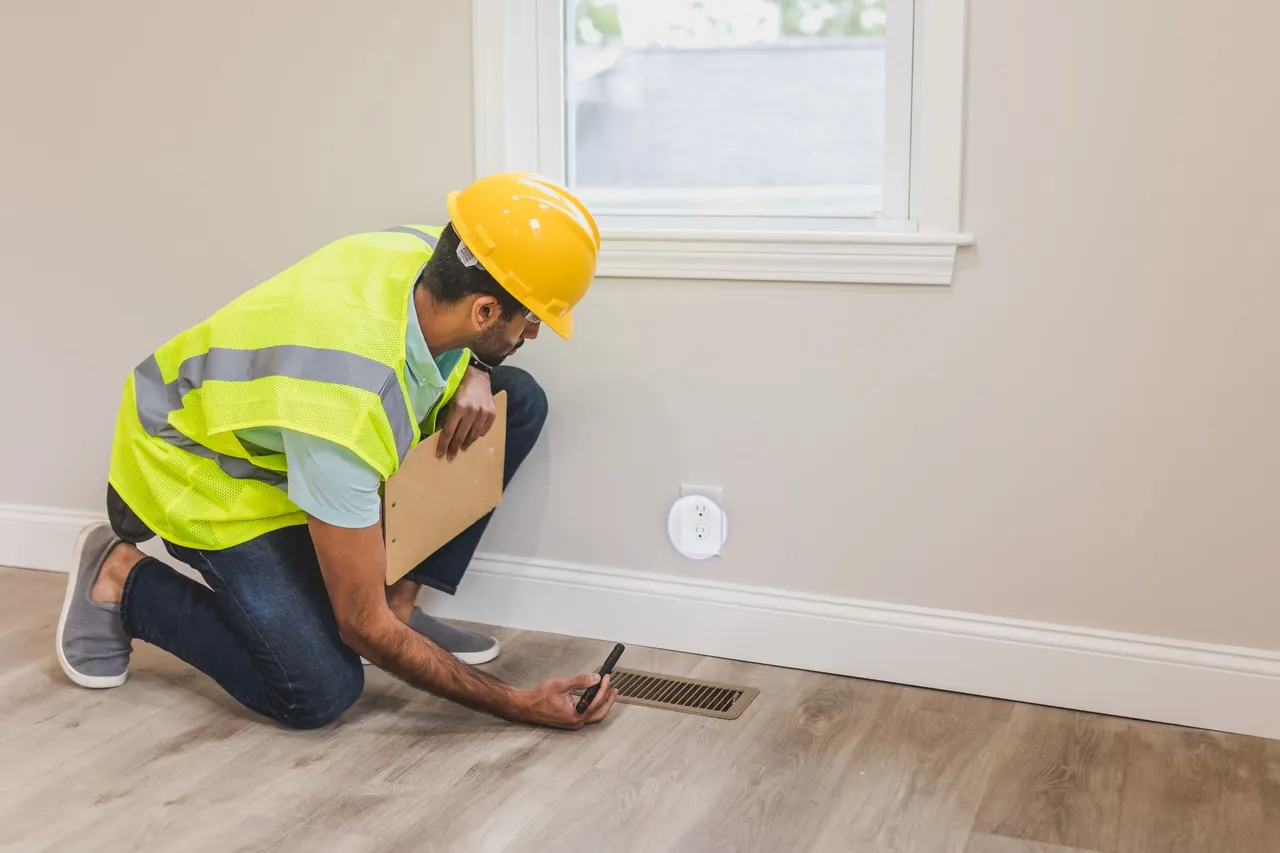
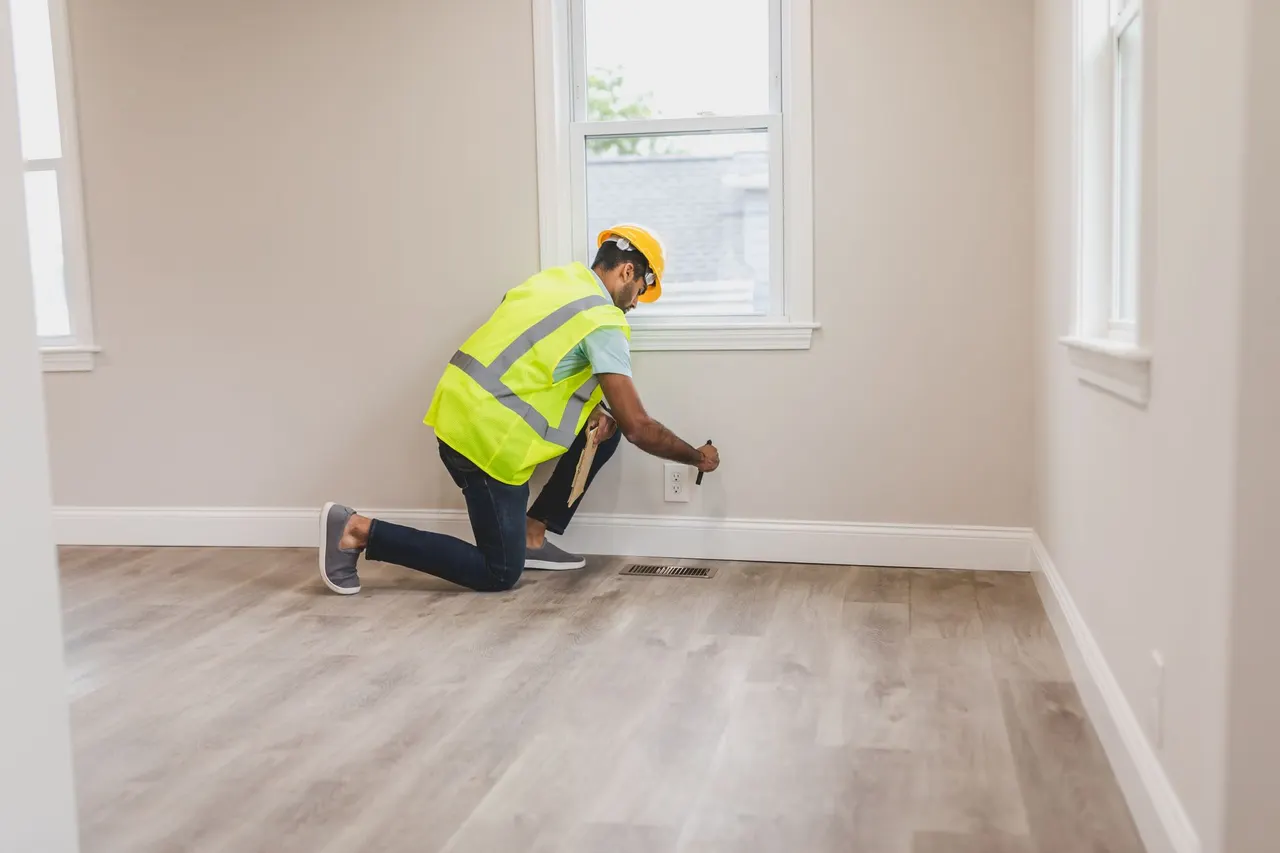
We inspect attics across Columbine Valley North and South using thermal imaging cameras and moisture meters to map every damp spot. Most inspections take 45 to 60 minutes.
When we find discoloration but need to confirm it is mold, we take surface and air samples. Lab results come back in 24 to 48 hours.
Full removal means containment, HEPA vacuuming, antimicrobial treatment, and disposal of contaminated materials.
Remediation goes beyond removal. We fix the moisture source, treat the affected surfaces with Concrobium or Benefect, and verify the attic is dry before we close out.
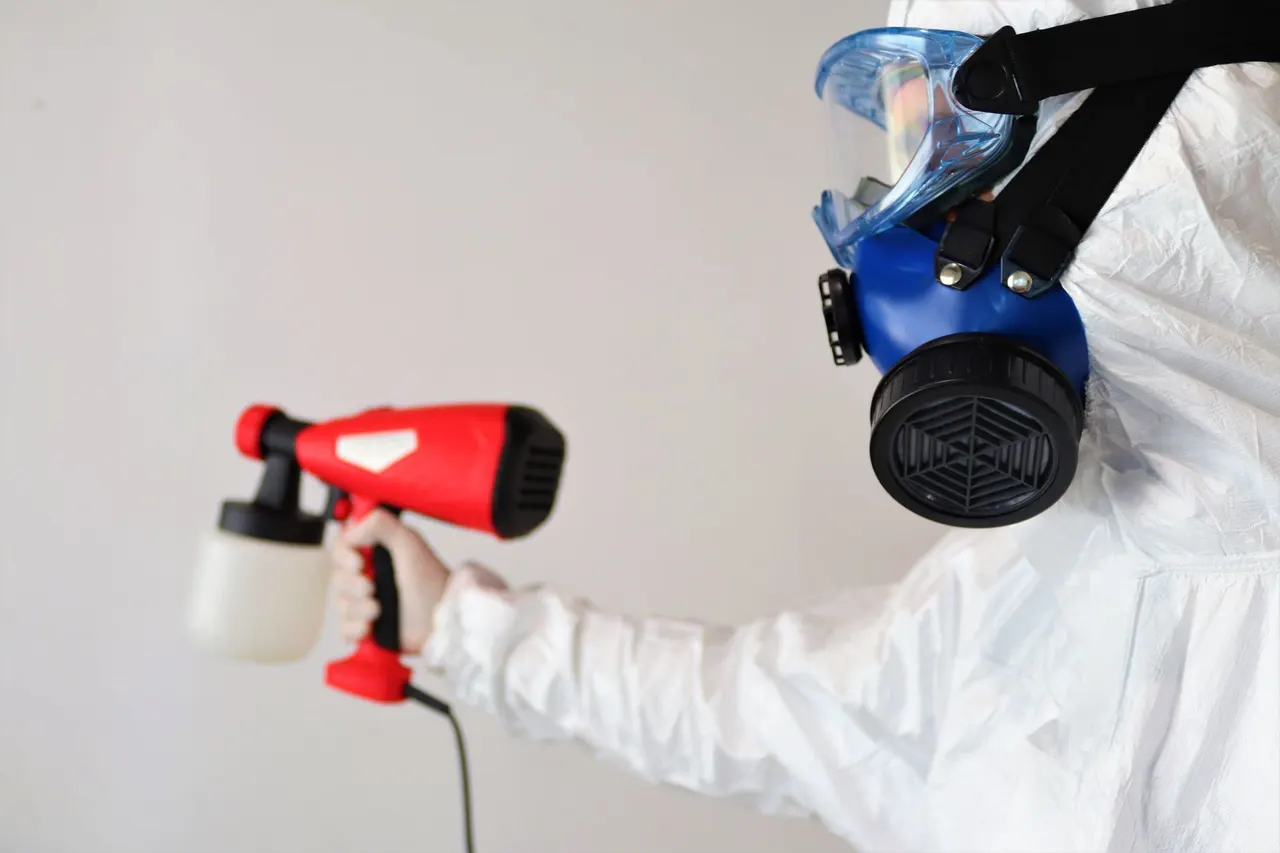
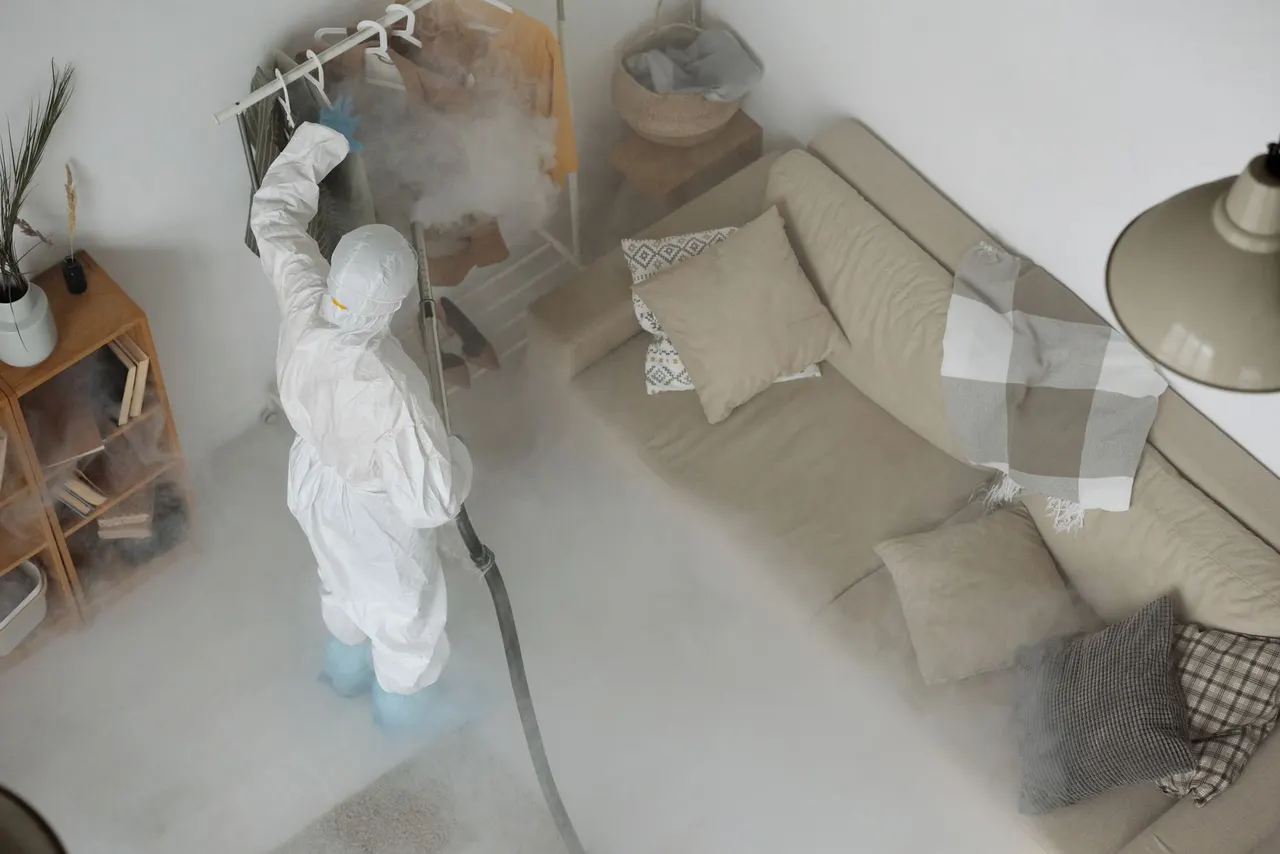
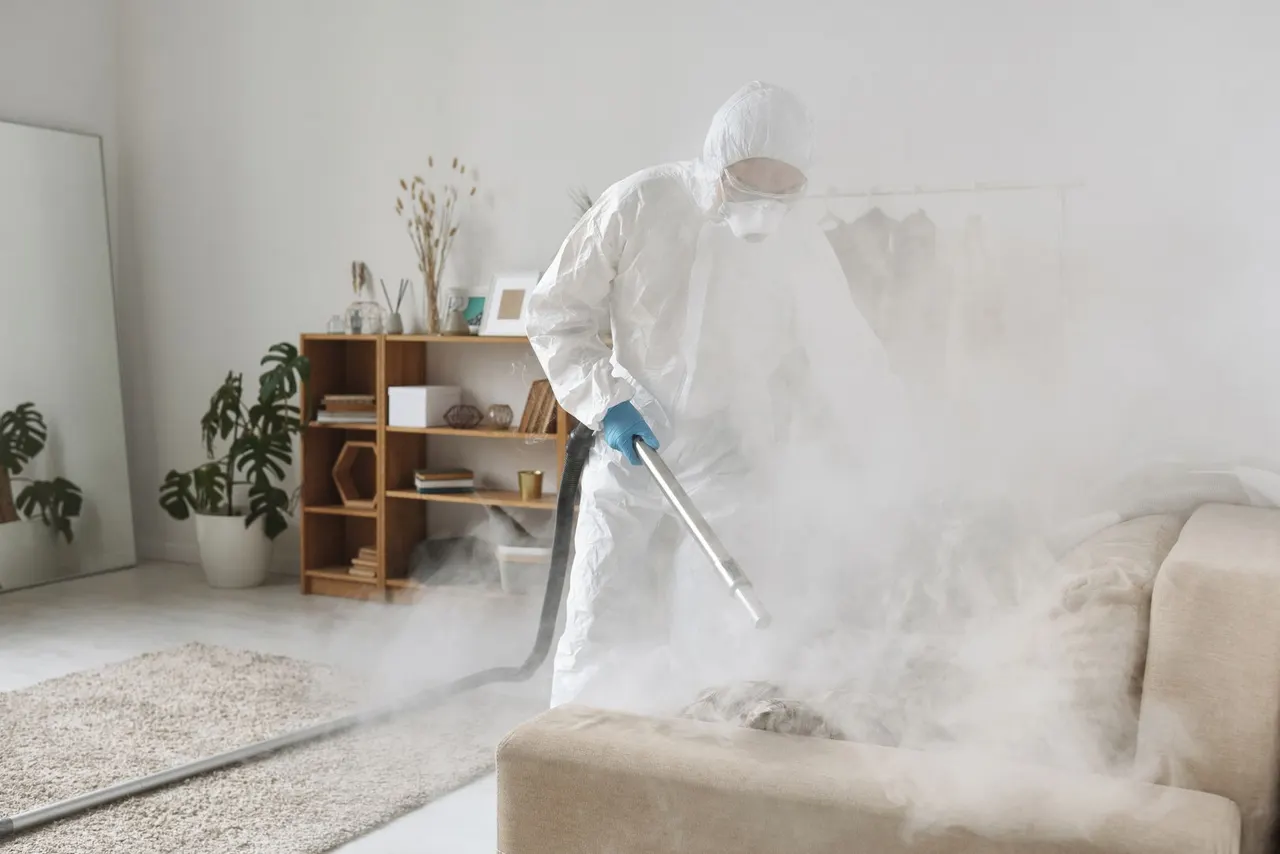
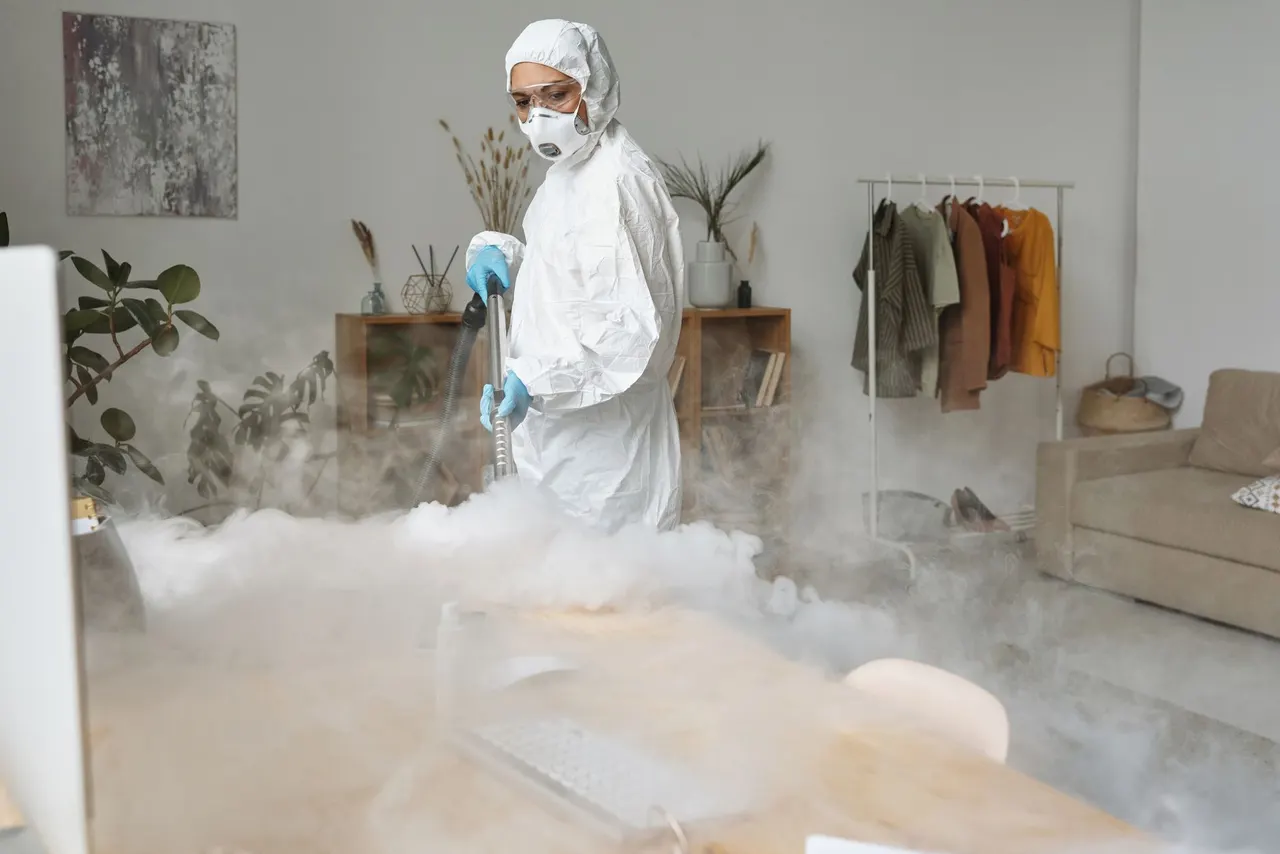
For surface mold that has not penetrated the wood, treatment with antimicrobial spray and fogger application stops growth without removing materials.
Prevention means fixing the conditions that let mold grow. We install ventilation fans, improve soffit and ridge venting, and seal air leaks.
We use hygrometers and moisture meters to track humidity levels and identify where moisture enters.
Proper ventilation is the difference between a dry attic and a moldy one. We install ridge vents, soffit vents, and powered ventilation fans sized to your attic volume.
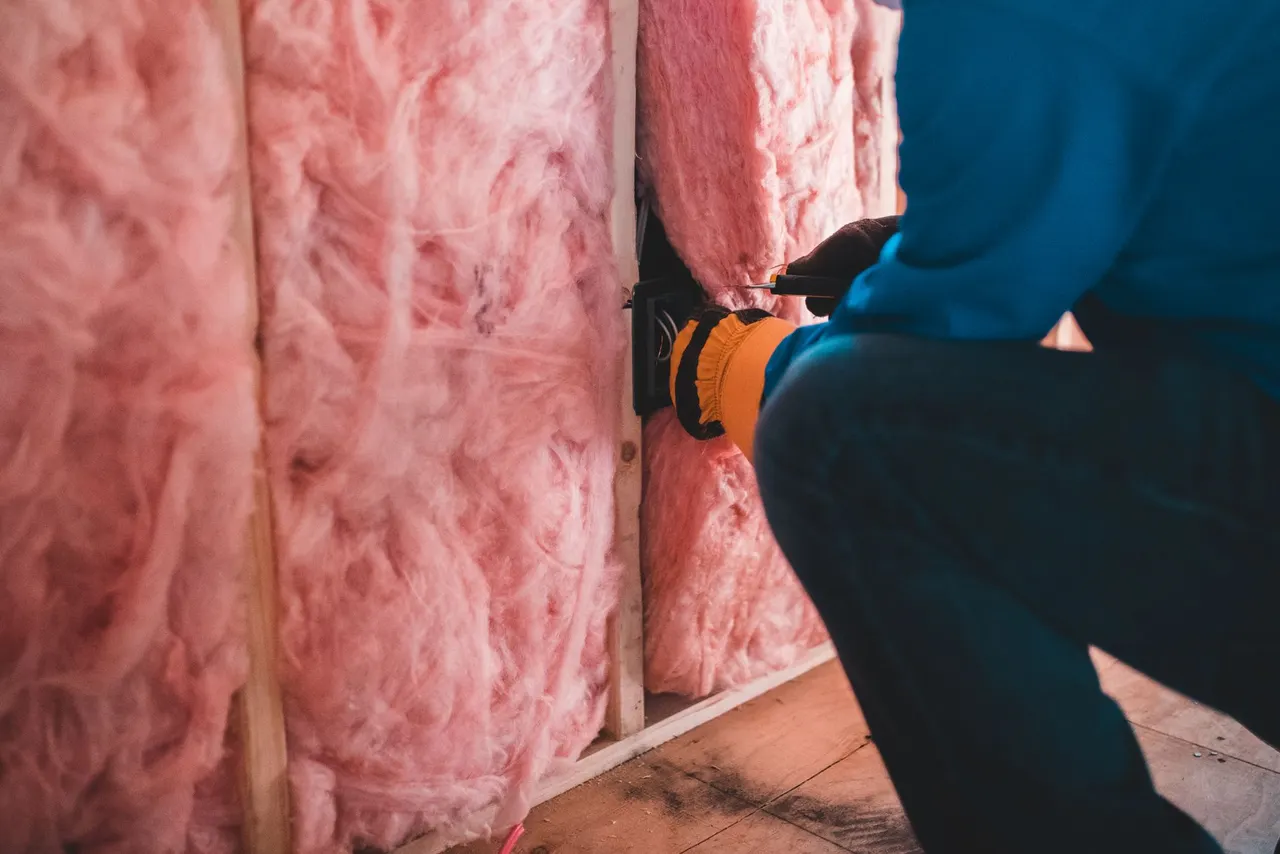
When fiberglass or cellulose insulation is contaminated with mold, it has to come out. We remove the old insulation, treat the attic space, and install new mold-resistant insulation.
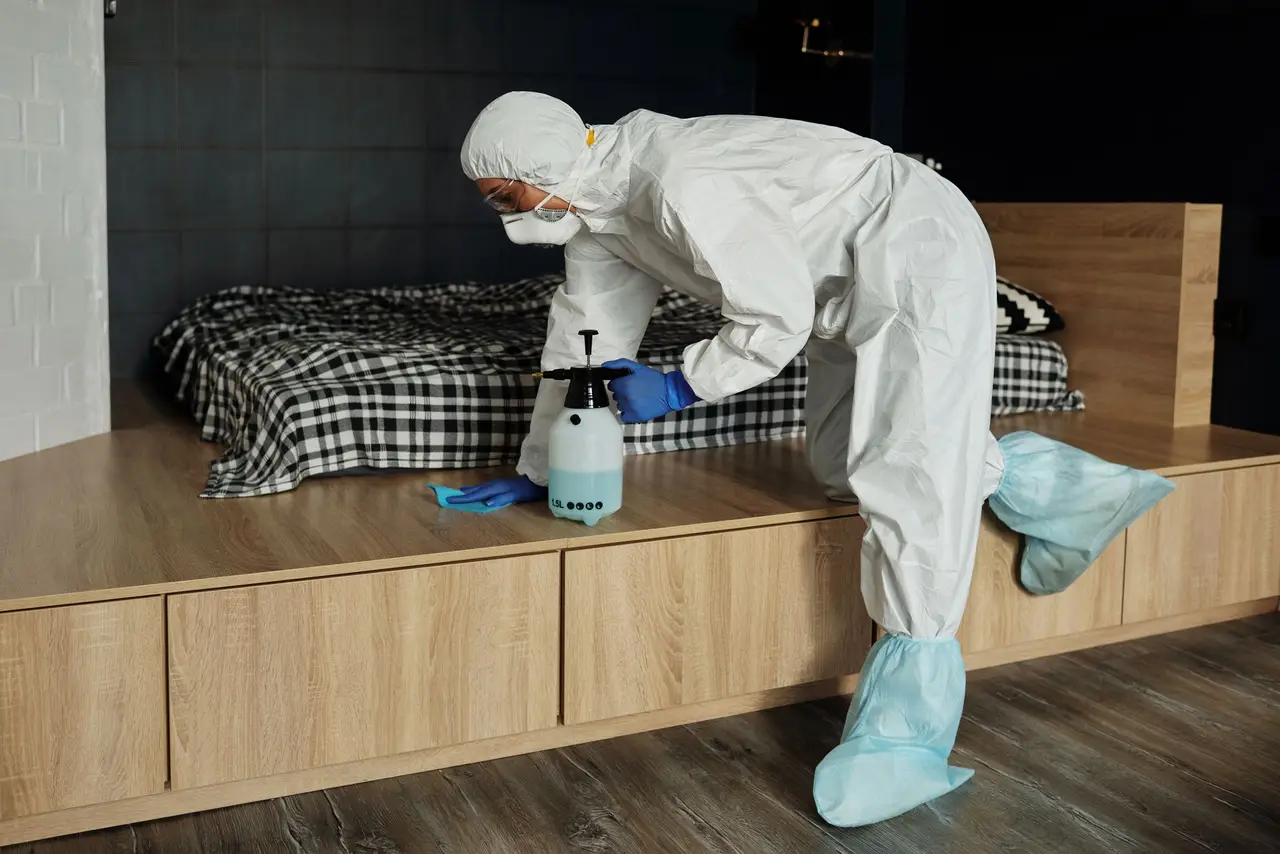
Decontamination means HEPA vacuuming every surface, fogging with antimicrobial, and wiping down trusses and sheathing.
Musty odors mean mold is still active or spores are trapped in insulation. We use foggers and air scrubbers to eliminate odors at the source.
After removal, we sanitize the attic with EPA-registered antimicrobials to kill remaining spores. This is standard on every remediation job we do in Columbine Valley.
We test attic air for mold spore counts and compare them to outdoor baseline levels.
We use moisture meters and thermal cameras to find leaks, then repair flashing, seal penetrations, and replace damaged sheathing. Most leak repairs are done in one visit.
HVAC ductwork in the attic can grow mold when humidity is high. We inspect, clean, and treat ductwork in Columbine Valley homes. If ducts are heavily contaminated, we recommend replacement.
Sheathing mold shows up as black or green staining on the underside of roof decking. We remove it with HEPA vacuums and antimicrobial treatment.
Pick a service to see how we approach it here.
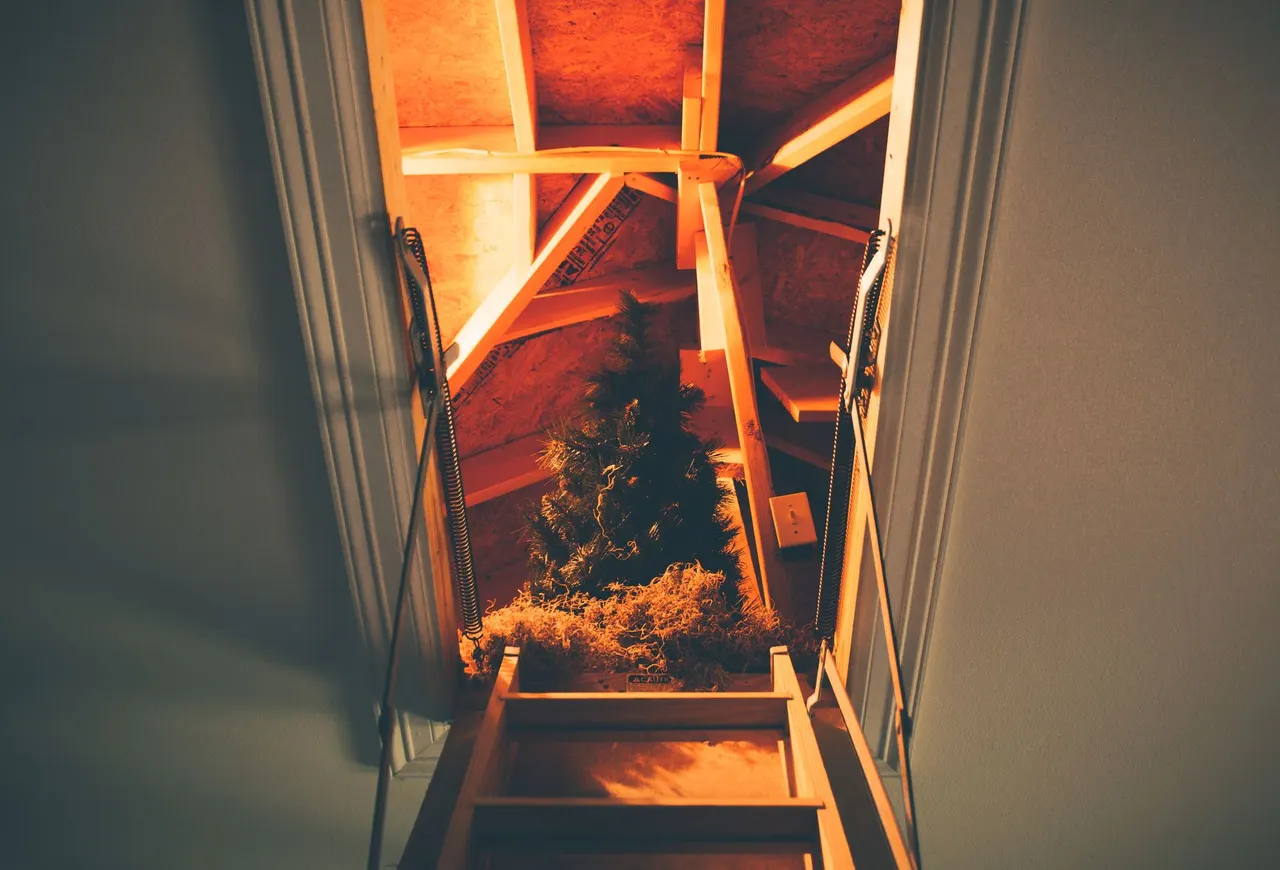
We inspect attics across Columbine Valley using thermal imaging cameras and moisture meters to find hidden damp spots. We check trusses, sheathing, insulation, and ventilation to see how air moves through the space. You get photos and a written summary of what we find.

We take surface and air samples from attics in Columbine Valley to confirm whether discoloration is mold. Samples go to a lab and results come back in 24 to 48 hours. We compare indoor spore counts to outdoor baseline levels to see if there is a problem.

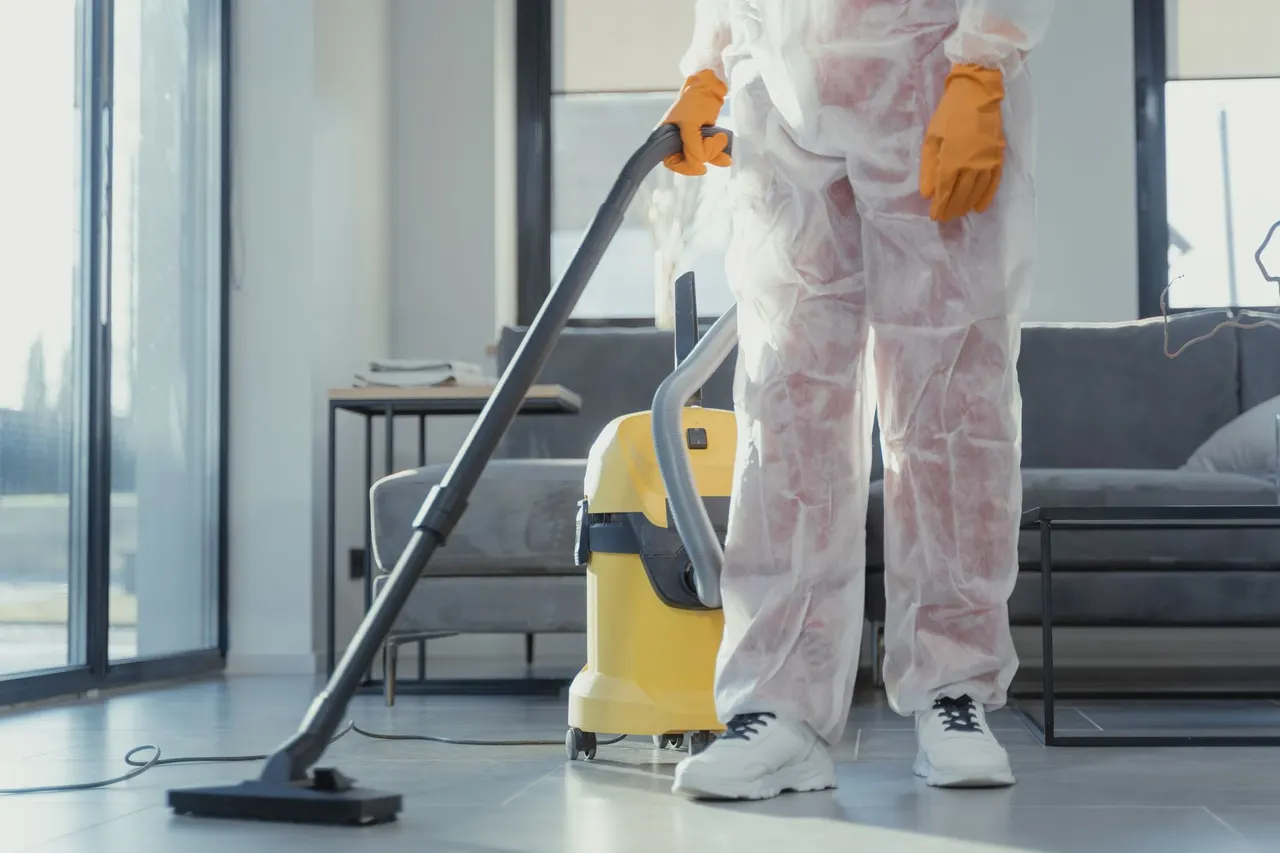
We remove mold from trusses, sheathing, and insulation in Columbine Valley homes. We set up containment with plastic sheeting and run a negative air machine to keep spores out of your living space. We use HEPA vacuums and antimicrobial treatment to clean the attic.
We fix the moisture source and remove the mold in Columbine Valley attics. That means repairing roof leaks, improving ventilation, or rerouting bath fans. We verify the attic is dry before we finish and provide a clearance report.
Homes need moisture control and ventilation; businesses need after-hours scheduling and documentation.
We work in ranches, two-stories, and townhomes across Columbine Valley. Most residential jobs take one to two days.
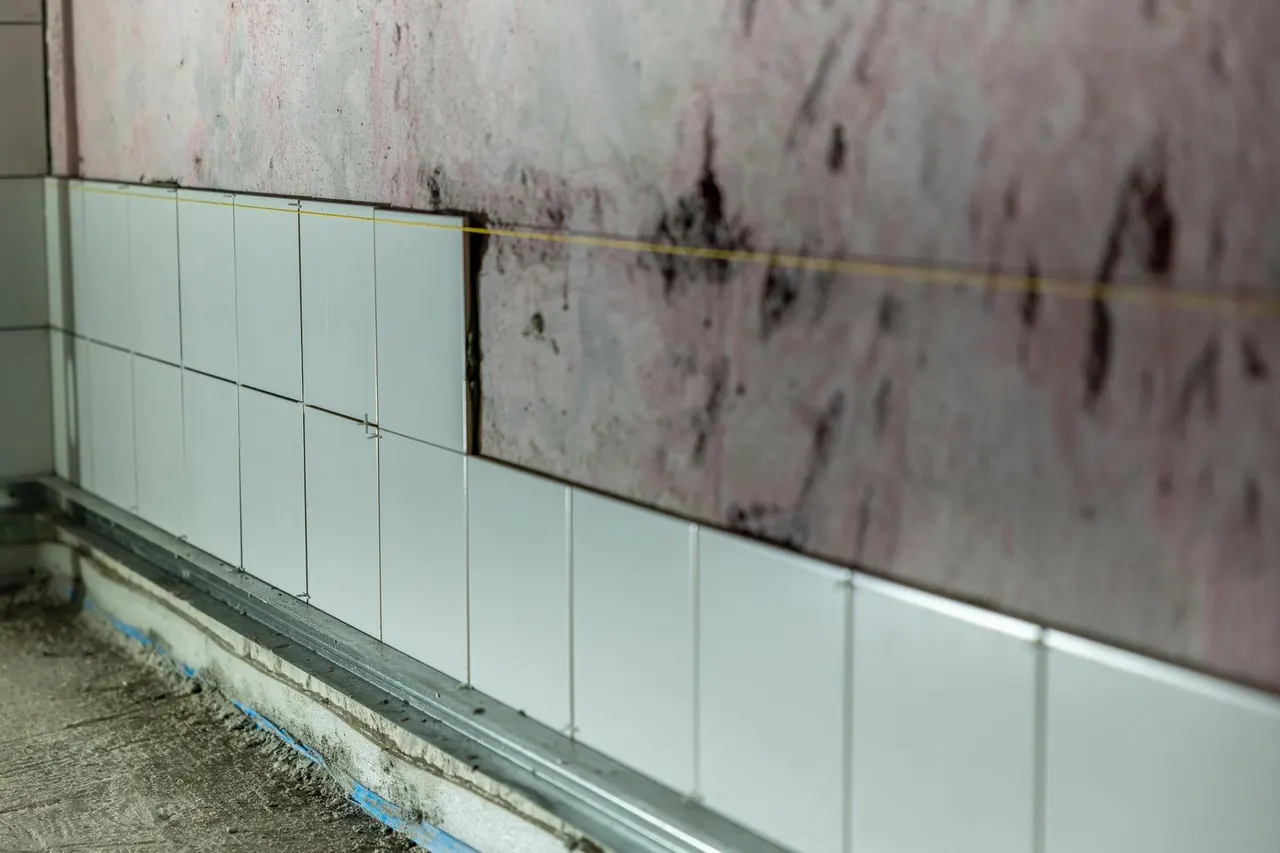
We serve offices and retail spaces in Columbine Valley Center. We work after hours to avoid disrupting your business.
Columbine Valley has specific conditions that lead to attic mold. The older housing stock, humid summers, and proximity to the South Platte River all play a role. Here are the problems we see most often and how we fix them.
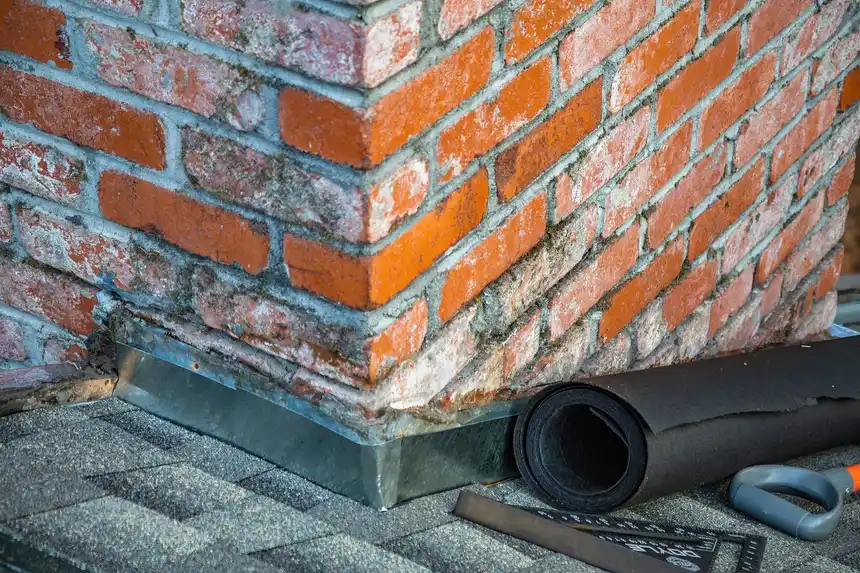
Many homes in Columbine Valley were built before code required bath fans to vent outside. Instead, they vent directly into the attic. Every shower adds moisture to the attic, which condenses on cool surfaces and feeds mold.
Colorado storms damage flashing and shingles. In Columbine Valley, we see leak-related mold most often after spring and summer storms. Water enters the attic and soaks sheathing and insulation, creating mold within weeks.
Homes built before 1990 in Columbine Valley often have inadequate soffit and ridge venting. This traps humid air, leading to condensation on trusses and sheathing. Mold grows even without a leak.

Columbine Valley is close to the South Platte River, which raises ambient humidity. In summer, attic humidity can exceed 60 percent, creating ideal conditions for mold growth on wood surfaces.
Musty odors, dark staining on attic wood, or allergies that worsen indoors are signs it is time to call.
Any one of these is worth a call.
Nothing picked yet. Tap the signs you have noticed and this box will sum them up.
There is no price list here, because every job is different. These are the things that move an estimate most.
Larger attics take more time and materials. If your attic has limited access or low clearance, it slows the work. We measure square footage and assess access during the inspection and factor it into the price.
Surface mold on trusses is faster to treat than mold that has penetrated sheathing or insulation. If insulation needs to be removed and replaced, that adds cost. We document the extent with photos so you understand the scope.
If the mold is caused by a roof leak or poor ventilation, fixing the source is part of the job. Roof repairs and ventilation installation add to the cost, but they prevent the mold from coming back.
Columbine Valley is a small community, but knowing the landmarks helps us get to you faster. We use Littleton Golf Course as a reference point for north-side addresses and Arapahoe Community College for east-side jobs.
Landmark
A central reference point for north Columbine Valley. We use it to orient ourselves when heading to addresses in Columbine Valley North and the streets feeding into Columbine Valley Center.
Landmark
Located just east of Columbine Valley, this campus helps us navigate to East Columbine Valley and the surrounding residential streets. It is a useful landmark for dispatch.
Landmark
A major landmark south of Columbine Valley. We use it to route to southern neighborhoods and to coordinate with property managers who have rentals in the area.
Landmark
This park marks the southern edge of the area and helps us identify addresses near the river, where humidity is higher and attic mold from condensation is more common.
Landmark
A local park in the center of Columbine Valley. We use it as a reference for addresses in Columbine Valley Center and the surrounding residential blocks.
Commercial area
A small commercial district with offices and retail.
Commercial area
A mix of professional offices and services near the golf course. We have handled attic mold in several commercial buildings here, typically from HVAC condensation or roof leaks.
Transit
A main north-south route through the area. We use it to reach Columbine Valley South and the neighborhoods near the river quickly.
Not listed? Call and we will tell you whether we can get to you.
Check my areaWe had mold on the attic sheathing and didn't know where it was coming from. PeakShield found a roof leak in 20 minutes with their thermal camera. They fixed the leak, removed the mold, and showed me photos of the whole process. The attic is dry now and we finally got rid of the musty smell.
Our home inspection flagged attic mold right before closing. PeakShield came out the next day, gave us a written scope, and completed the remediation in two days. They worked with our real estate agent and provided all the documentation the buyer needed. The deal closed on time.
I manage several rentals in Columbine Valley and have used PeakShield three times. They are fast, they communicate well, and they always provide a clearance report. The last job was a moldy attic in a duplex near the river. They finished in one day and the tenant moved in the next week.
Mold grows year-round, but the conditions change with the seasons. In Columbine Valley, we see different problems in spring, summer, fall, and winter. Understanding the seasonal patterns helps you stay ahead of mold growth.
Columbine Valley is part of a larger service area that includes Littleton and the surrounding communities. We run regular routes through these areas, so we can often combine a Columbine Valley job with nearby calls.
Straight answers to what people ask first.
The price depends on attic size, how much mold is present, and whether insulation or sheathing needs to be replaced. We provide a written scope and fixed price before we start. Inspections are free if you proceed with remediation.
If you smell mustiness, see dark staining on attic wood, or have unexplained allergies, you likely need attic mold removal. In Columbine Valley, the humid summers and older housing stock make mold common. We offer free inspections. If there is no mold, we will tell you. If there is, we will show you photos and give you a quote.
Most attic mold removal jobs in Columbine Valley take one to two days. A small attic with surface mold can be done in a day. Larger attics with insulation removal and sheathing repair may take two days. We work efficiently and clean up when we are done. Emergency jobs can be started the same day.
Yes, we offer same-day attic mold remediation in Columbine Valley when you call before noon. We prioritize emergency calls for active leaks, visible mold, or health concerns.
If you have mold in your attic, do not wait. Mold spreads and can affect your health and your home's value. We offer same-day inspections and emergency response for Columbine Valley homeowners.
Call (720) 953-3834 or email us and we will schedule an attic inspection, usually within a day or two. We work Monday through Friday, 8am to 6pm, and we answer the phone ourselves. If you have a leak or storm damage, tell us and we will prioritize the call.