Attic Odor Removal Littleton CO that kills the smell at the source
Attic Odor Removal Littleton CO starts with finding the source, not masking it. We inspect your attic with thermal imaging and a moisture meter, pull the contaminated insulation, treat the wood, and clear the air. If your attic smells musty, sour, or like something died up there, we handle it the same week across Arapahoe County.
We correct the sourceVentilation, leaks, exhaust routing
What is included in our attic odor removal service
Every attic odor removal job includes a full diagnostic inspection, containment setup, source removal, antimicrobial treatment, and a written report with before-and-after readings. If your attic needs ventilation correction or insulation replacement to keep the odor from returning, we quote that separately after the inspection so you can decide what to do and when.
Full attic diagnostic inspection
Thermal imaging camera, moisture meter, hygrometer, and boroscope used on every truss bay, sheathing panel, and duct run. You get a verbal walkthrough during the inspection and a written summary after.
Containment and HEPA filtration
Negative air machines and plastic sheeting isolate the work area so spores and dust stay in the attic. We run an air scrubber the entire time we work, and your living space stays clean.
Source removal and HEPA vacuuming
Contaminated insulation is bagged and removed. Every exposed surface - sheathing, trusses, top plates, ductwork - gets HEPA vacuumed before any treatment goes down.
Antimicrobial treatment and fogging
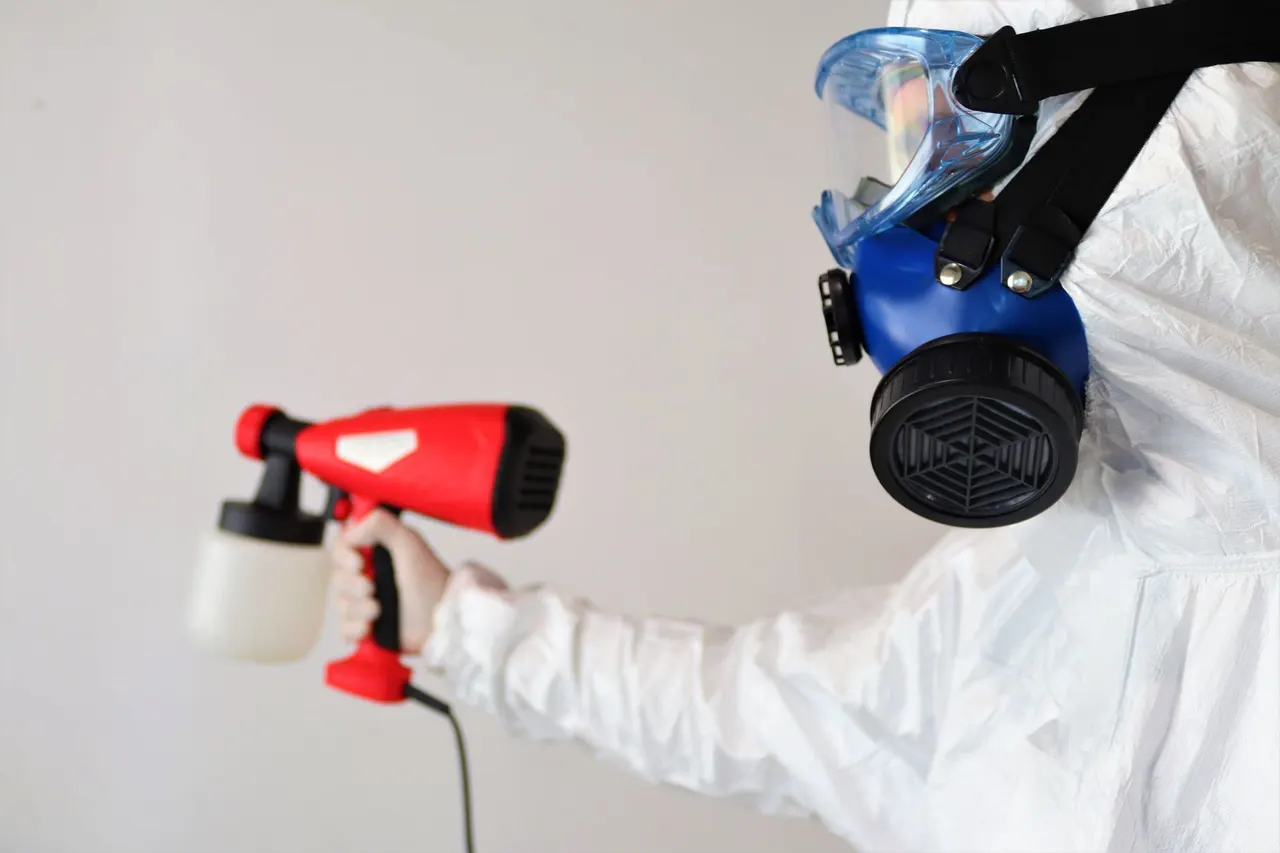
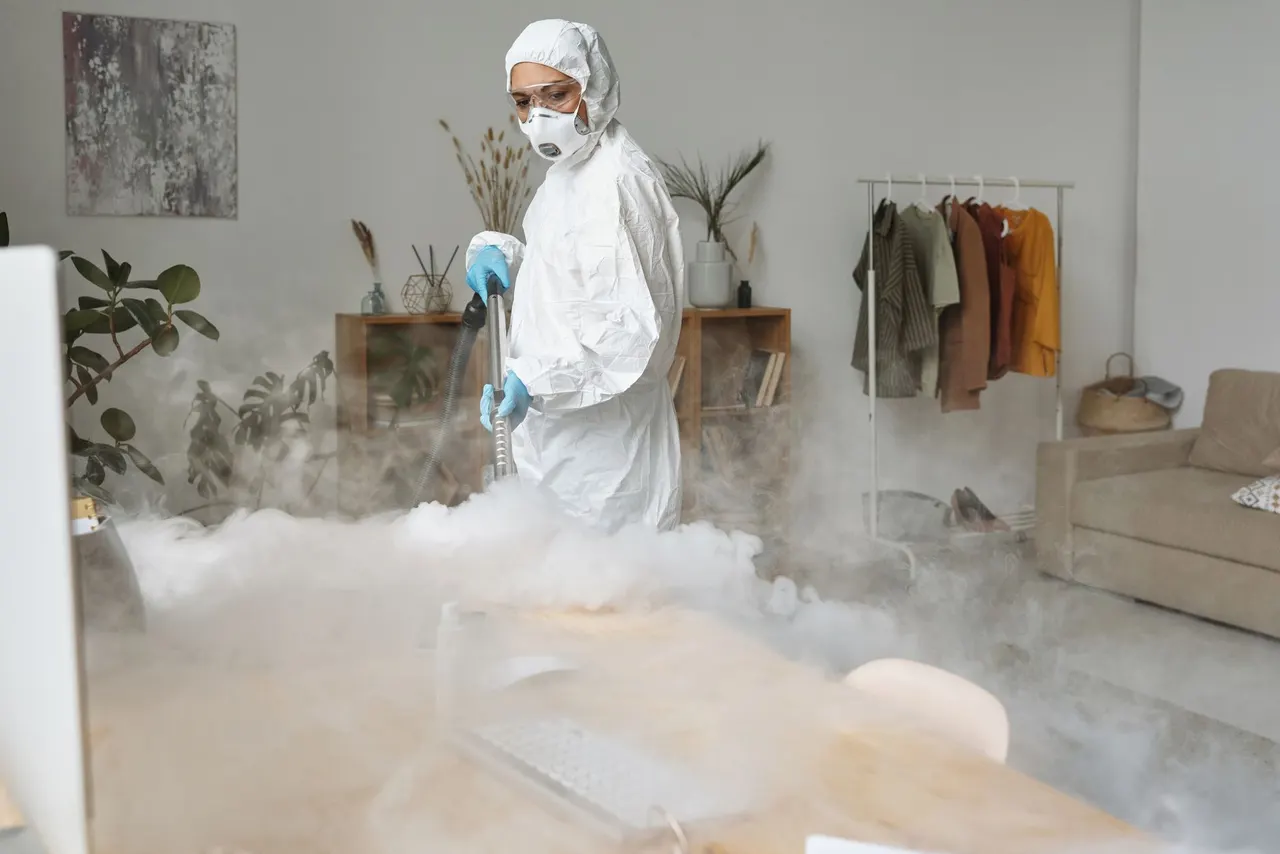
EPA-registered products like Concrobium, Benefect, Fiberlock, or RMR-86 applied to wood surfaces, followed by a fogger pass to reach crevices a sprayer cannot. This is what kills the odor at the source.
Air quality verification
Particle counter and hygrometer readings taken before and after the job. You get the numbers in writing so you can see the difference between the attic air before and after treatment.
Written report with photos
A documented summary of what we found, what we did, and what the readings show. Usable for real estate transactions, insurance claims, or your own records.
Homes and businesses.
The approach is the same for a home and a business. What changes is the access, the schedule and who needs the paperwork.
For homeowners
We work in occupied homes every week and keep the attic mess out of your living space. You get a walkthrough, a written price, and before-and-after readings.
Musty smell in upstairs rooms
Past rodent or raccoon activity
Roof leak that was repaired
For property managers
We handle attic odor work above retail, office, and rental units with minimal disruption to tenants. Documentation is provided for tenant files and owner records.
Tenant odor complaints
Pre-sale documentation
Insurance claim support
What Attic Odor Removal Littleton CO actually involves
A plain-language look at what Attic Odor Removal involves and when it is needed.
Attic Odor Removal Littleton CO is the process of locating, removing, and neutralizing the source of odors in your attic - not covering them with fragrance. Odors come from mold colonizing wet wood sheathing, rodent urine soaked into fiberglass insulation, dead animals in wall cavities, or sewer gas pulled in through a cracked vent stack. We use a thermal imaging camera and moisture meter to trace the moisture, a boroscope to see inside closed cavities, and a hygrometer to confirm humidity levels before we treat anything.
Most Littleton homes we see with attic smell issues were built between 1978 and 2005, and they share the same weak spot: ridge vents paired with undersized soffit intake. That imbalance traps humid air against the roof deck all winter. If you have been searching for attic odor removal in Littleton CO near me after a wet spring or a roof leak, the smell is usually the symptom - the moisture is the cause. We fix both.
Attic odor is a symptom; the moisture or contamination feeding it is the actual problem.
What it is
Locating and removing the source of attic odors, then treating wood and air so the smell does not return.
When you need it
When a musty, sour, or animal smell persists in the attic or migrates into living space.
What to expect
Inspection with thermal and moisture tools, containment, source removal, treatment, and written verification.
How our attic odor removal process works
Every job follows the same five steps, whether it is a 900-square-foot ranch in Columbine or a 3,200-square-foot two-story in Ken Caryl. Here is exactly what happens from the first call to the final walkthrough.
Inspection and source tracing
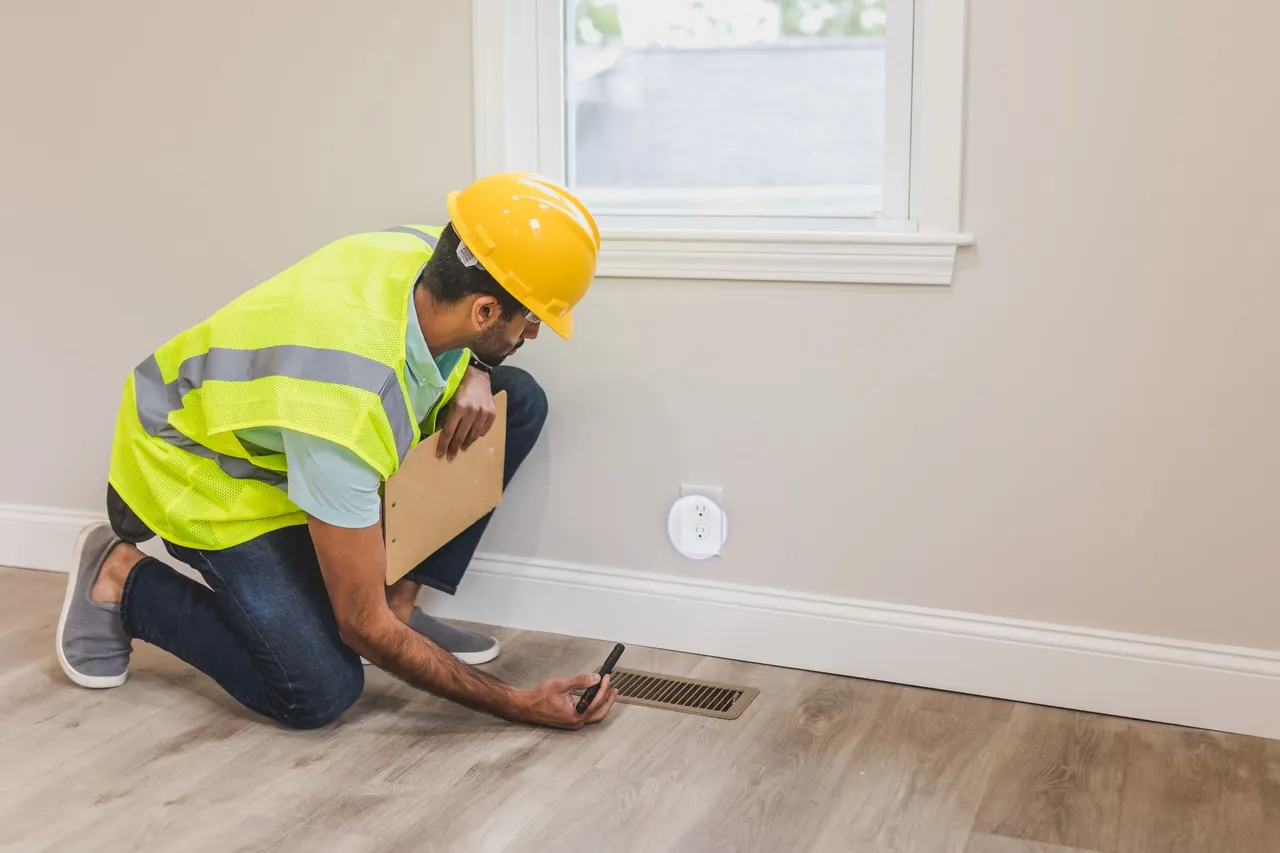
We arrive with a thermal imaging camera, moisture meter, and boroscope. You get a full attic walkthrough - every truss bay, the sheathing, the ductwork, the insulation. We check for roof leaks, poor attic ventilation, condensation patterns, and rodent activity. This takes 45 to 90 minutes depending on attic size, and we explain what we find as we go.
Thermal scan
Moisture meter
Boroscope
Containment and air scrubbing
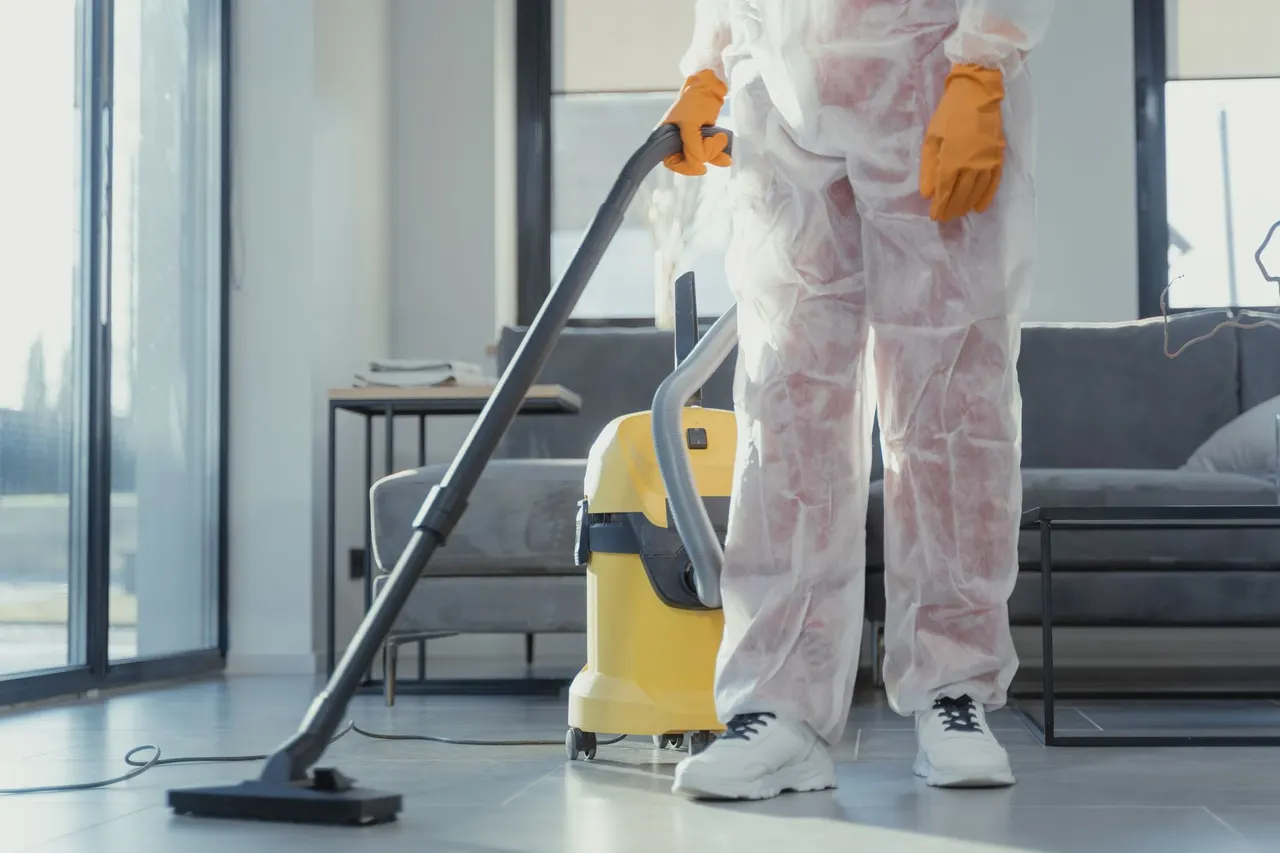
Before we touch anything, we set up negative air machines with HEPA filtration to keep spores and dust from drifting into your living space. Plastic sheeting goes down over the attic floor access. We run an air scrubber the entire time we work. This is the step that keeps your kitchen from smelling like your attic by the end of the day.
Negative air
HEPA filtration
Plastic containment
Removal and HEPA cleaning
We bag and remove contaminated fiberglass or cellulose insulation, then HEPA vacuum every exposed surface - sheathing, trusses, top plates, ductwork exteriors. If we find mold on the roof sheathing or trusses, we treat it with RMR-86 or Fiberlock after the vacuum pass. Removal typically takes one to two days for a standard Littleton attic.
Insulation removal
HEPA vacuum
Antimicrobial spray
Treatment and odor neutralization
We apply antimicrobial spray to all wood surfaces, then run a fogger with Benefect or Concrobium to reach the crevices a sprayer cannot. If the odor source was animal-related, we treat with an enzyme-based neutralizer first. This is the step that eliminates musty attic smell removal complaints for good - not ozone alone, and not a scented cover-up.
Fogger pass
Enzyme treatment
Surface seal
Verification and prevention plan
We re-check moisture levels with the hygrometer, run a final air quality test, and photograph the finished attic. If your ventilation was the root cause, we quote attic ventilation installation or attic moisture control work before we leave. You get a written summary with before-and-after readings the same day.
Hygrometer check
Particle count
Written report
Tools and methods we use on every attic odor job
Move across a circle, or focus it and press Enter, for an illustrative thermal view of the photograph.
Thermal imaging camera
Finds temperature differences that reveal wet sheathing, missing insulation, and air leaks behind finished surfaces. We use it on every inspection before we quote any work.
Moisture meter and hygrometer
Measures wood moisture content and attic relative humidity. These readings tell us whether the attic is dry enough to treat or needs drying first.
Boroscope
A flexible camera that lets us see inside wall cavities, between joists, and behind insulation without cutting open your ceiling. Essential for locating dead animals and hidden mold.
HEPA vacuum
Captures mold spores and fine dust that a shop vac would blow back into the air. Every surface in the attic gets a HEPA pass before treatment.
Negative air machine and air scrubber
Creates negative pressure in the work area and filters the air continuously. This is what keeps spores and dust out of your living space while we work.
Thermal views are illustrative, generated from the photographs.
Methods
Fogger
Applies antimicrobial product as a fine mist that reaches crevices, truss joints, and sheathing seams a sprayer cannot. Used after HEPA vacuuming and spray treatment.
Particle counter
Measures airborne particle levels before and after remediation. The before-and-after numbers go into your written report.
IICRC S500 and S520 standards
Our remediation process follows the IICRC standards for water damage and mold remediation. That means defined containment, removal, treatment, and verification steps - not a one-pass spray-and-leave.
Source-first diagnosis
We never quote treatment before we have been in the attic with a moisture meter and thermal camera. If the source is a roof leak or a ventilation problem, we tell you that first so the odor does not come back after we treat.
Full containment
Negative air machines and plastic sheeting isolate the work area on every job. Your living space stays clean, and we do not track attic dust through the house.
Antimicrobial treatment with EPA-registered products
We use Concrobium, Benefect, Fiberlock, and RMR-86 depending on the surface and the type of growth. Each product is matched to the material it is going on - wood sheathing, trusses, or ductwork.
When Littleton homeowners call us for attic odor removal
Pre-sale deadline
You are selling your home and the buyer's inspector flagged a musty attic smell two weeks before closing.
We schedule a priority inspection, document the source with photos and moisture readings, complete remediation, and provide a written report the buyer's agent can forward to the inspector. Most pre-sale jobs finish in two to three days.
Health concern
Your family has been dealing with unexplained allergies or asthma flare-ups, and you suspect the attic is the source.
We run air quality testing with a particle counter, trace any mold or moisture with thermal imaging, and remediate with full containment so nothing migrates into living space. You get before-and-after air readings to share with your doctor.
Outcome: You know exactly what was in the air, what we removed, and what the air reads now - with documentation for your medical file.
Post-leak odor
You had a roof leak last spring that was repaired, but the attic still smells musty months later.
We inspect the repaired area and the surrounding sheathing with a moisture meter. If mold colonized the wood before the leak was fixed, we remove the contaminated insulation, HEPA vacuum, and treat the sheathing and trusses with antimicrobial spray.
Outcome: The smell is gone, the wood is treated, and you have photos showing the attic is clean and dry.
Tenant complaint
You are a landlord and a tenant has complained about a musty smell in the upstairs bedroom.
We inspect the attic above the bedroom, document what we find with photos, remediate the source, and provide a written report for your tenant file. We coordinate directly with your maintenance contact and work around tenant schedules.
Outcome: The tenant complaint is resolved, you have documentation for your records, and the unit is back to rentable condition.
Storm intrusion
A winter storm pushed snow and ice under your roof shingles, and now the attic smells damp.
We inspect with a thermal camera to find every wet area, remove any saturated insulation, and set up drying equipment. Once the attic is dry, we treat with antimicrobial spray and check ventilation to prevent ice damming from repeating.
Outcome: The attic is dry, treated, and ventilated correctly, so the next snowmelt does not create the same problem.
How attic odor removal runs in Littleton specifically
Littleton sits at about 5,400 feet, and the temperature swing between a 95-degree July afternoon and a 15-degree January night puts real stress on roof assemblies. Attics here cycle through condensation every winter - warm moist air from living space hits a cold roof deck, and mold starts on the north-facing sheathing within a season.
The housing stock matters too: homes built in the 1980s and 1990s across Columbine and Ken Caryl often have ridge vents with undersized soffit intake, which traps humid air against the deck. Newer builds in Sterling Ranch and TrailMark are tighter, so bath fans and dryer vents that discharge into the attic create the same problem faster.
If you are searching for affordable attic smell removal Littleton, Colorado, the fix is the same on old and new homes: find the moisture, remove the source, treat the wood, and correct the ventilation. We work in 80120, 80122, 80123, and 80128 regularly and know what these attics look like before we open the hatch.
Historic Downtown Littleton: Older homes with original roof framing and limited attic access. We use boroscopes and small-format cameras to inspect without cutting into finished ceilings.
Ken Caryl Ranch: 1980s and 1990s construction with ridge-vent-only ventilation. These attics commonly show mold on north sheathing from winter condensation.
Columbine Knolls: Mature trees drop debris on roofs, which backs up water and drives leaks into the attic. We check for active leaks on every inspection here.
Sterling Ranch: Tight new construction where bath fans and dryer vents sometimes discharge into the attic. We verify every exhaust termination point during inspection.
Roxborough Park: Homes near the foothills see more wind-driven rain and snow intrusion. We check ridge caps and vent boots for gaps that let moisture in.
Winter condensation on cold roof sheathing: Warm moist air from living space hits the cold deck and condenses, feeding mold growth on the underside of the sheathing. This is the number-one cause of musty attic smells we see in Littleton between November and March.
IllustrativeThe thermal view is generated from the photograph. It is not a measurement. Drag the handle, or use the arrow keys once it is focused.
Musty attic smell in a 1985 Columbine ranch
Before: Homeowner complained of a musty smell in the upstairs hallway that got worse every summer. Inspection found mold on the north-facing roof sheathing, condensation staining on three trusses, and fiberglass insulation with visible mold growth on the top layer.
After: We removed 420 square feet of contaminated insulation, HEPA vacuumed all sheathing and trusses, treated with RMR-86, and fogged with Benefect. Attic humidity dropped from 68% to 44% after we corrected the soffit intake. Hallway smell was gone within 24 hours.
We recommended adding four soffit vents and re-checking moisture each fall. Homeowner checks the attic every October and has had no recurrence through two heating seasons.
Rodent urine odor in a Ken Caryl two-story
Before: Raccoons had been in the attic for two winters before the homeowner sealed the entry point. Urine had soaked into cellulose insulation across a 300-square-foot area, and the smell was migrating into the master bedroom through light fixture gaps.
After: We removed all contaminated cellulose, HEPA vacuumed the top plates and trusses, treated with an enzyme neutralizer, then applied antimicrobial spray. Air quality testing showed particle counts back to outdoor baseline. Master bedroom smell was gone in two days.
We sealed the entry point with hardware cloth and checked all roof returns. Homeowner inspects the attic twice a year and has had no rodent activity since.
Pre-sale attic remediation in Historic Downtown Littleton
Before: A buyer's inspector flagged a musty attic smell and visible mold on sheathing in a 1920s bungalow. The seller had 12 days to closing and needed documentation the buyer would accept.
After: We completed inspection, containment, insulation removal, HEPA vacuuming, antimicrobial treatment, and air quality testing in three days. The written report included before-and-after photos and moisture readings. The buyer accepted the documentation and the sale closed on schedule.
New owner was advised to check attic moisture every fall and keep the new soffit vents clear of insulation. We re-inspected at the one-year mark and found no new growth.
Attic odor problems we solve for Littleton homeowners
Attic odors rarely have a single cause. Here are the four problems we run into most often in Littleton attics, and how we handle each one.
Summer musty smellMusty smell that gets worse in summerUsually means mold is actively growing on roof sheathing as attic temperatures climb above 100 degrees. Left alone, it spreads to trusses and can rot the deck from the inside. We trace the moisture with a thermal camera, remove contaminated insulation, HEPA vacuum the sheathing, and treat with RMR-86 or Fiberlock. Then we correct the ventilation or leak that caused it so the mold does not regrow next summer.
Rodent urine odorUrine smell from past rodent activityRodent urine soaks into fiberglass insulation and wood and does not dry out. The smell migrates into living space through air leaks around light fixtures and top plates, and it gets worse in humid weather. We remove the contaminated insulation, HEPA vacuum all surfaces, and treat with an enzyme-based neutralizer followed by antimicrobial spray. We also seal entry points so rodents cannot return and restart the problem.
Dead animal smellDead animal smell in wall or ceiling cavityA single dead animal can make an entire floor unlivable for weeks. The smell peaks around day three and lingers for months if the carcass is not removed and the area treated. We locate the carcass with a boroscope, remove it, and treat the surrounding cavity with an enzyme neutralizer and antimicrobial fog. If the animal was in insulation, we replace that section.
Sewer gas migrationSewer or gas smell pulled into the atticA cracked vent stack or a disconnected bath fan duct can pull sewer gas into the attic, where it then migrates into living space. This is a health issue, not just a nuisance. We trace the source with a smoke test and boroscope, repair or replace the failed vent connection, and verify with air quality testing. If ductwork is involved, we clean and seal it before we leave.
Why homeowners call us for attic smell removal
A clean attic that smells like wood, not mold or animals.
Odor gone at the source
We remove the contaminated insulation, HEPA vacuum the sheathing and trusses, then apply an antimicrobial spray like Concrobium or Benefect to the wood. That kills the mold colony producing the musty attic smell removal problem instead of hiding it. Most customers notice the difference within 24 hours of us finishing.
Air quality you can measure
Before and after every job we run air quality testing with a particle counter and moisture readings. You get numbers, not opinions. If your attic was reading 68% relative humidity before treatment, we show you the drop to 45% after ventilation work - that is the difference between a smell that comes back and one that stays gone.
Protects your roof structure
Attic odor elimination Littleton CO is also structural protection. Mold that starts on roof sheathing spreads into trusses and can rot the deck from the inside. Catching it at the smell stage costs hundreds; replacing sheathing and trusses costs thousands. We document what we find with photos so you can see the difference.
Ready for inspection or sale
Realtors call us for attic odor removal for real estate sales because a musty attic kills deals at inspection. We provide a written report with photos and moisture readings you can hand to a buyer, an appraiser, or an insurance adjuster. Typical turnaround for a pre-sale job is two to three days.
What a written scope covers.
What a written scope covers and what shapes it. Prices are set by the business after the first look.
What Littleton customers say about our attic odor work
We had a musty smell in the upstairs hallway for two years and could not figure out where it was coming from. PeakShield found mold on the north sheathing and a bath fan dumping straight into the attic. They pulled the insulation, treated the wood, and installed proper venting. The smell was gone in a day and has not come back through two winters.
I had a listing in 80120 where the buyer's inspector flagged attic odor and the deal was about to fall apart. PeakShield got in within three days, did the remediation, and handed me a report with photos and moisture readings. The buyer accepted it, and we closed on schedule. I have used them on three listings since.
We had raccoons in the attic two winters ago and the urine smell would not go away no matter what we tried. PeakShield removed the contaminated insulation, HEPA vacuumed everything, and fogged with an enzyme treatment. They also sealed the entry point. The attic smells like clean wood now - I check it every few months and there is nothing.
Frequently asked questions about attic odor removal in Littleton
Small attics with a single odor source and no insulation removal come in at the low end. Jobs that need full insulation removal, mold treatment on sheathing and trusses, and ventilation correction land at the top. We give you a written price after the inspection, not before.
The three most common causes we find in Littleton attics are mold growth on wet roof sheathing from poor ventilation, rodent urine soaked into insulation, and dead animals in wall cavities or between joists. High humidity from bathroom and dryer vents dumping into the attic is a close fourth. A moisture meter and thermal camera usually pinpoint the culprit within the first 30 minutes of inspection.
Permanently means removing the source, not masking it. We pull contaminated insulation, HEPA vacuum all surfaces, treat wood with antimicrobial spray, and run a fogger to reach crevices. Then we fix the moisture problem - usually ventilation or a roof leak - so mold cannot regrow. Without that last step, the smell returns within one or two heating seasons.
Usually no. Ozone is a last-resort tool for severe smoke or decomposition odors after the source is gone. For mold and rodent odors, HEPA vacuuming, antimicrobial treatment, and fogging with Benefect or Concrobium do the job without ozone. We only bring in ozone when the source has been fully removed and a residual odor persists in porous materials.
Schedule your Attic Odor Removal Littleton CO inspection today
One call gets a technician in your attic with a thermal camera and moisture meter, a straight answer about what is causing the smell, and a written price before any work starts. Call (720) 953-3834 or book online - most jobs are scheduled within the week.
Call (720) 953-3834 or email us and we will schedule an attic inspection, usually within a day or two. We work Monday through Friday, 8am to 6pm, and we answer the phone ourselves. If you have a leak or storm damage, tell us and we will prioritize the call.