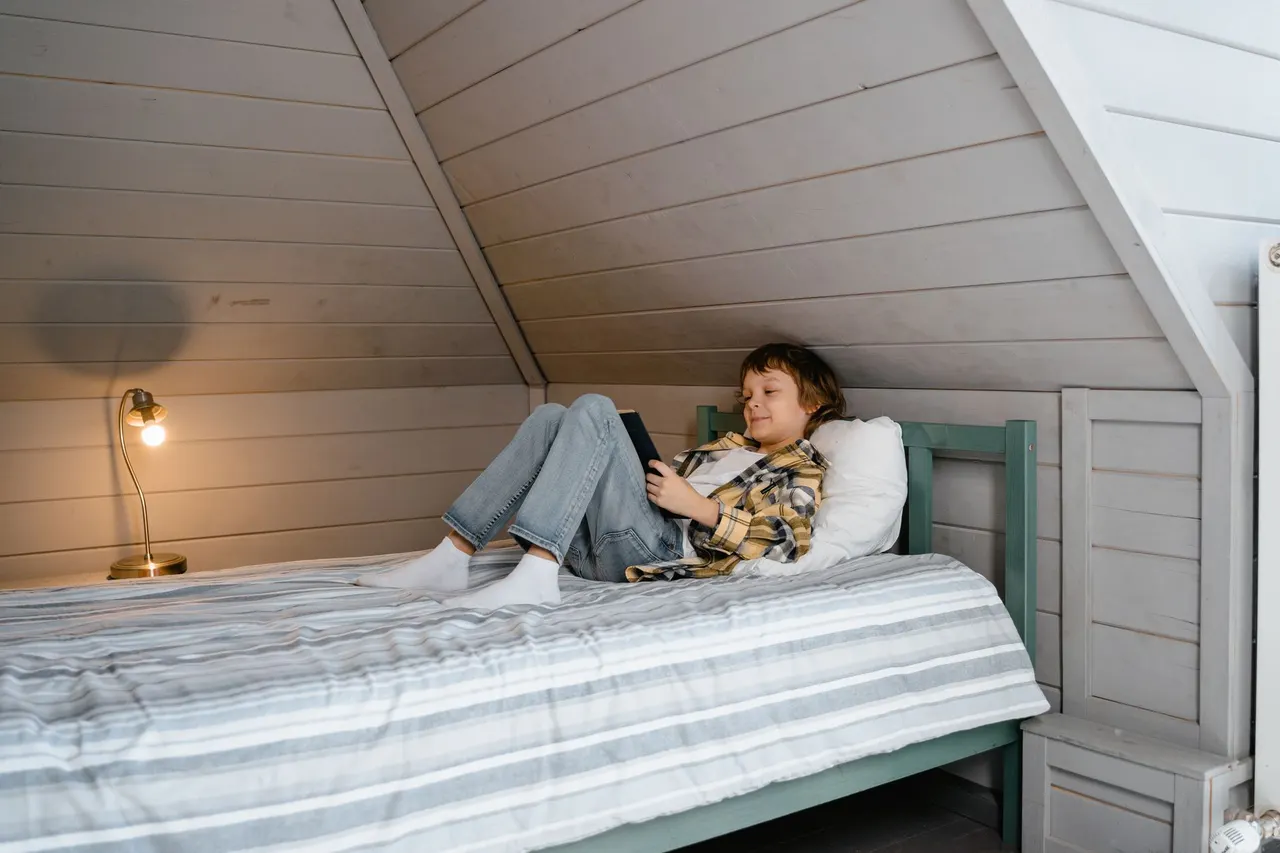
For Homes
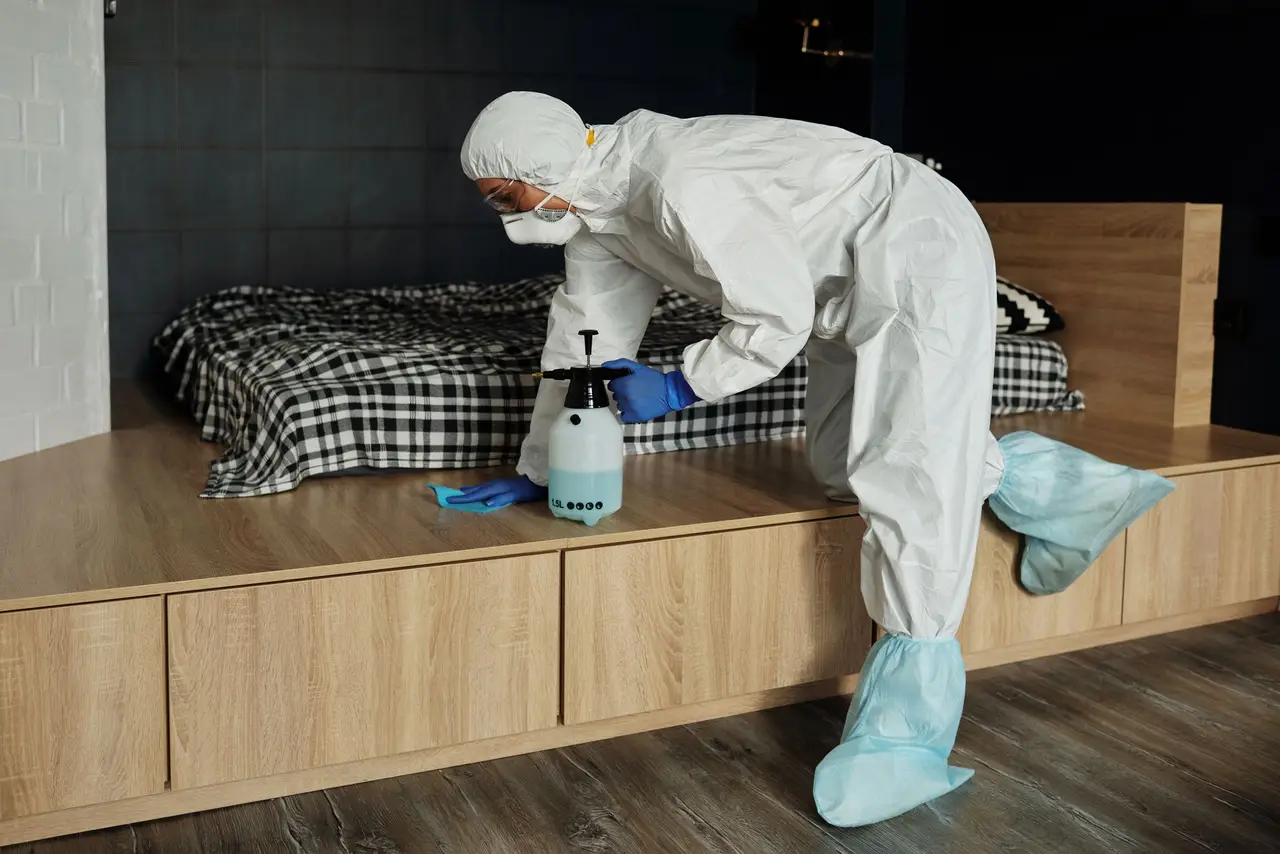
We work in occupied homes every week and keep the dust out of your living space. You get a walkthrough, photos and a written scope before anything starts.
- Musty smell upstairs
- Roof leak soaked insulation
- Inspection flagged attic mold
Attic Decontamination Littleton CO clears out mold spores, rodent waste, insulation dust and musty odors that drift down into your living space. If your attic smells after a roof leak, or a home inspection flagged growth on the sheathing, we handle the full clean-out. We serve homeowners across Arapahoe County with attic sanitization in Littleton CO that targets the source, not just the smell.
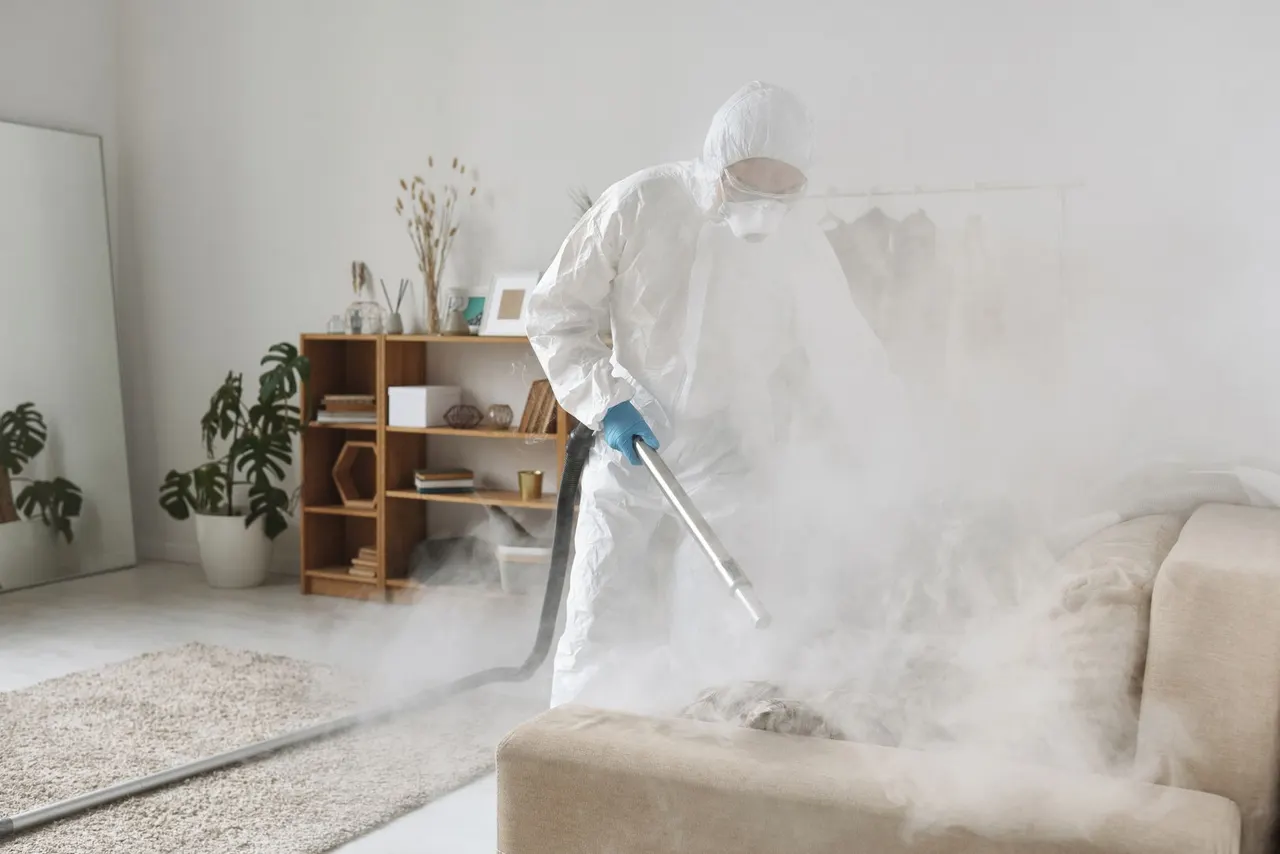 Moisture readingsThermal scanPhoto report
Every decontamination job covers the core work: inspection, containment, HEPA vacuuming, antimicrobial treatment, fogging and a final walkthrough with photos. Insulation replacement, ductwork cleaning and leak repair are quoted separately because not every attic needs them. Here is what the standard scope covers.

We check sheathing, trusses, insulation and ductwork with a moisture meter, thermal imaging camera and boroscope. You get photos and a straight answer on what is wet, what is growing, and what needs to come out.
The attic hatch gets sealed and a negative air machine keeps the space under pressure so dust and spores do not migrate into your living area. Air scrubbers run for the duration of the job.
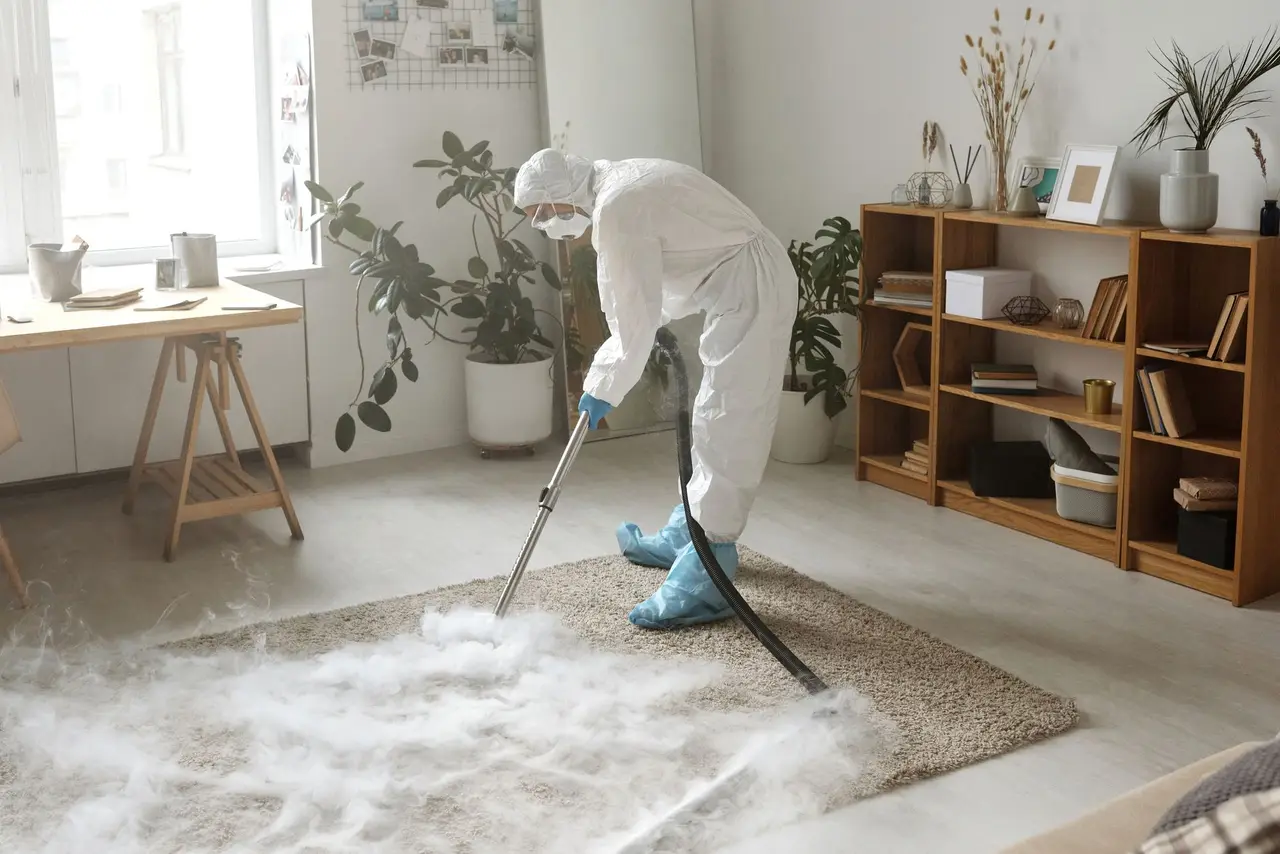
Trusses, sheathing, rafters, ductwork exteriors and the attic floor get vacuumed with HEPA equipment. This step removes the loose contamination that sprays and foggers alone cannot reach.
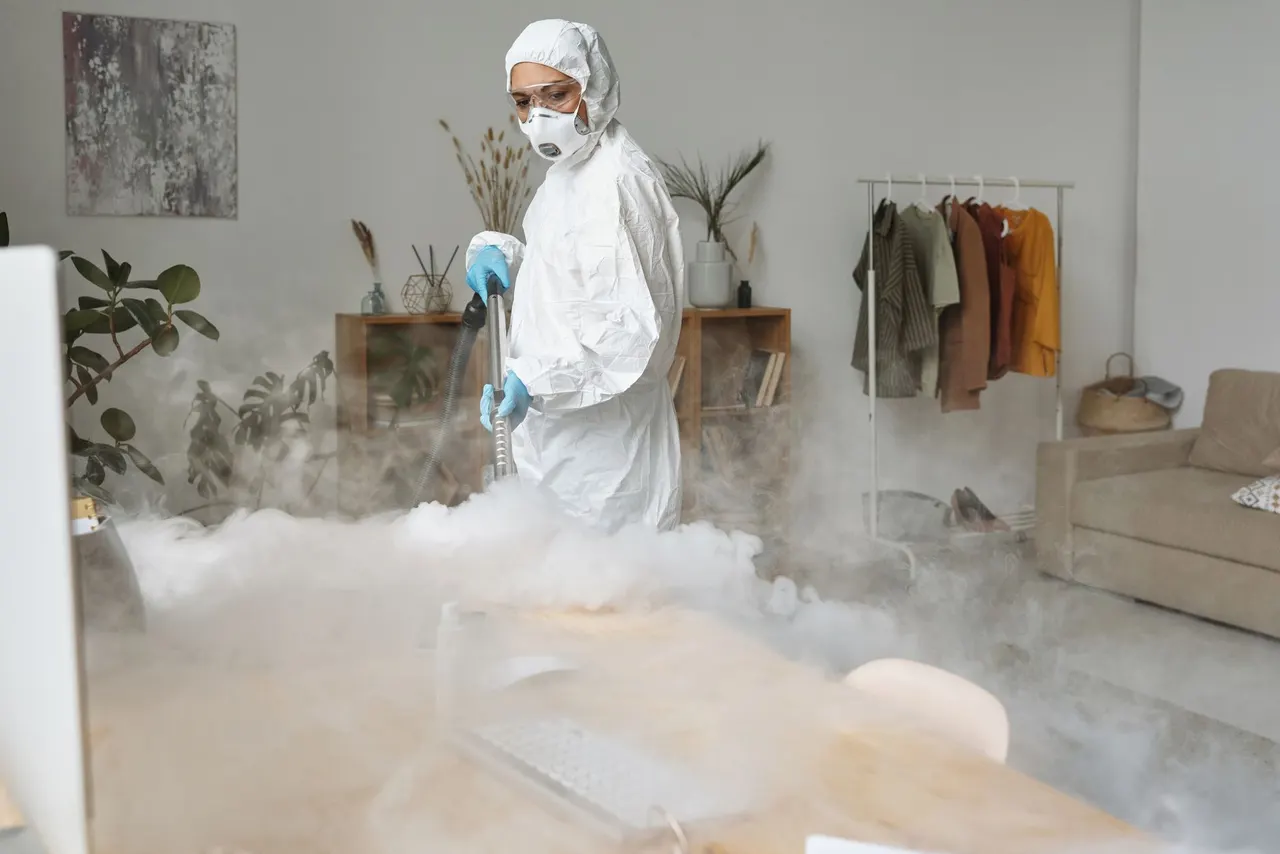
We apply antimicrobial spray to every exposed wood surface, then fog the open space to reach truss bays and tight corners. Products are matched to the surface and the severity of growth.
Saturated insulation, rodent nesting and loose debris go into sealed bags and out through the hatch. We tell you how much has to come out and what it will cost to replace before we start.
Before-and-after photos, moisture readings and a written summary of the work. You get a record you can hand to an adjuster, a buyer or your own files.
The approach is the same for a home and a business. What changes is the access, the schedule and who needs the paperwork.
We work in occupied homes every week and keep the dust out of your living space. You get a walkthrough, photos and a written scope before anything starts.
We handle attic and plenum spaces in multi-tenant and commercial buildings. Work is scheduled around your operating hours, with documentation for property records.
A plain-language look at what Attic Decontamination involves and when it is needed.
See how it worksAttic Decontamination Littleton CO is a full-surface cleaning and treatment process that removes mold spores, settled dust, pest debris and odor-causing residue from every exposed surface in your attic. We start with a moisture meter and thermal imaging camera to find where water is getting in, then run a boroscope into tight bays to check for hidden growth. A HEPA vacuum pulls loose contamination off trusses, wood sheathing and ductwork before any wet product touches the wood. From there we apply an antimicrobial spray, fog the open space, and set an air scrubber to capture airborne particles while we work.
Most Littleton attics we open up have the same story: a roof leak or poor attic ventilation let warm, humid air sit against cold sheathing, and condensation did the rest. Fiberglass insulation soaks up that moisture and holds it, which is why insulation mold and truss mold show up together so often. If you have been searching for attic decontamination in Littleton CO near me because of a musty smell in the hallway, that smell is usually the attic talking. We also handle attic decontamination for odor removal Littleton and attic decontamination for mold removal Littleton CO as part of the same visit.
Attic decontamination removes the contamination and treats the surfaces so it does not come back.
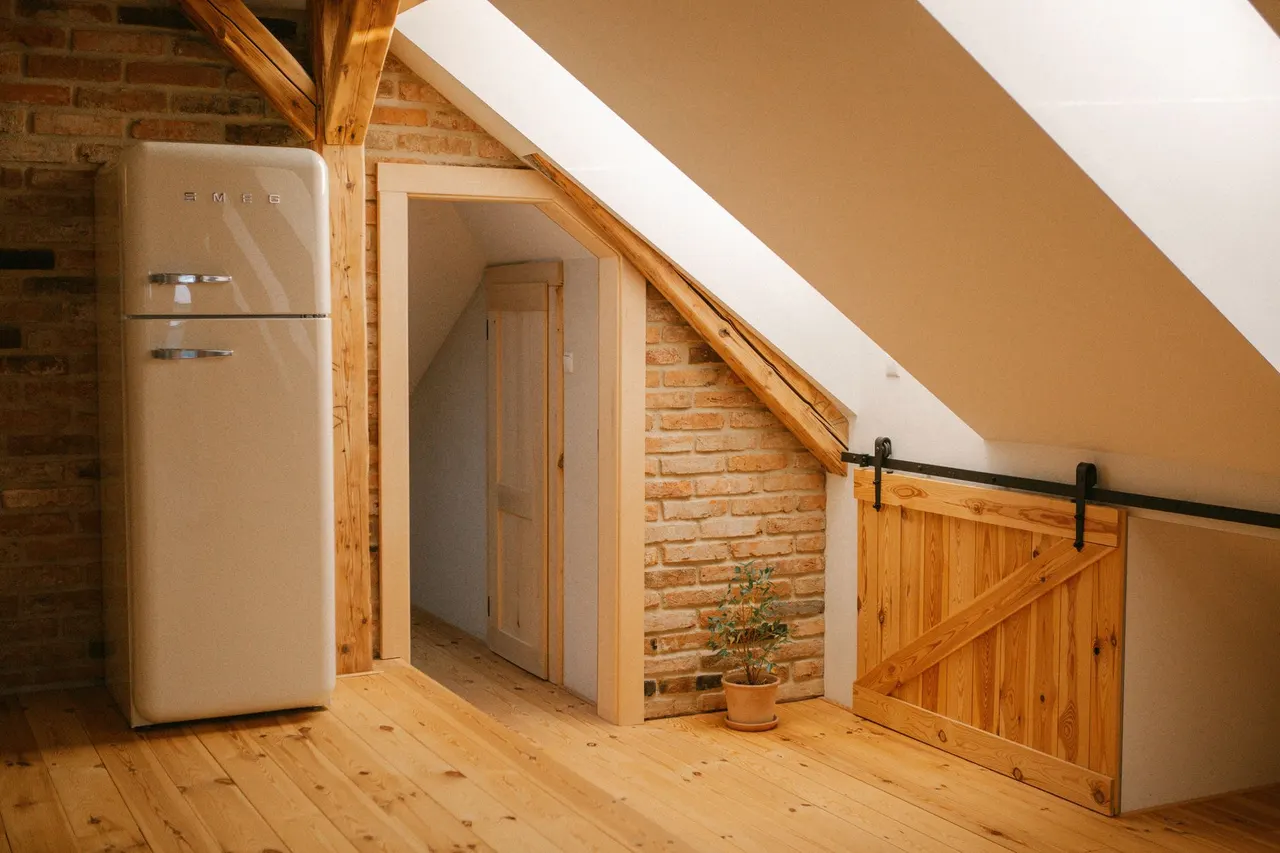
Every job follows the same five steps, whether it is a 900-square-foot ranch in Heritage or a 3,200-square-foot two-story in Ken Caryl. Here is what you can expect from the day you call.
We walk the attic with a moisture meter, thermal imaging camera and boroscope, checking sheathing, trusses, ductwork and insulation. You get photos of what we find and a straight answer on what needs to come out. This takes 45 to 90 minutes.
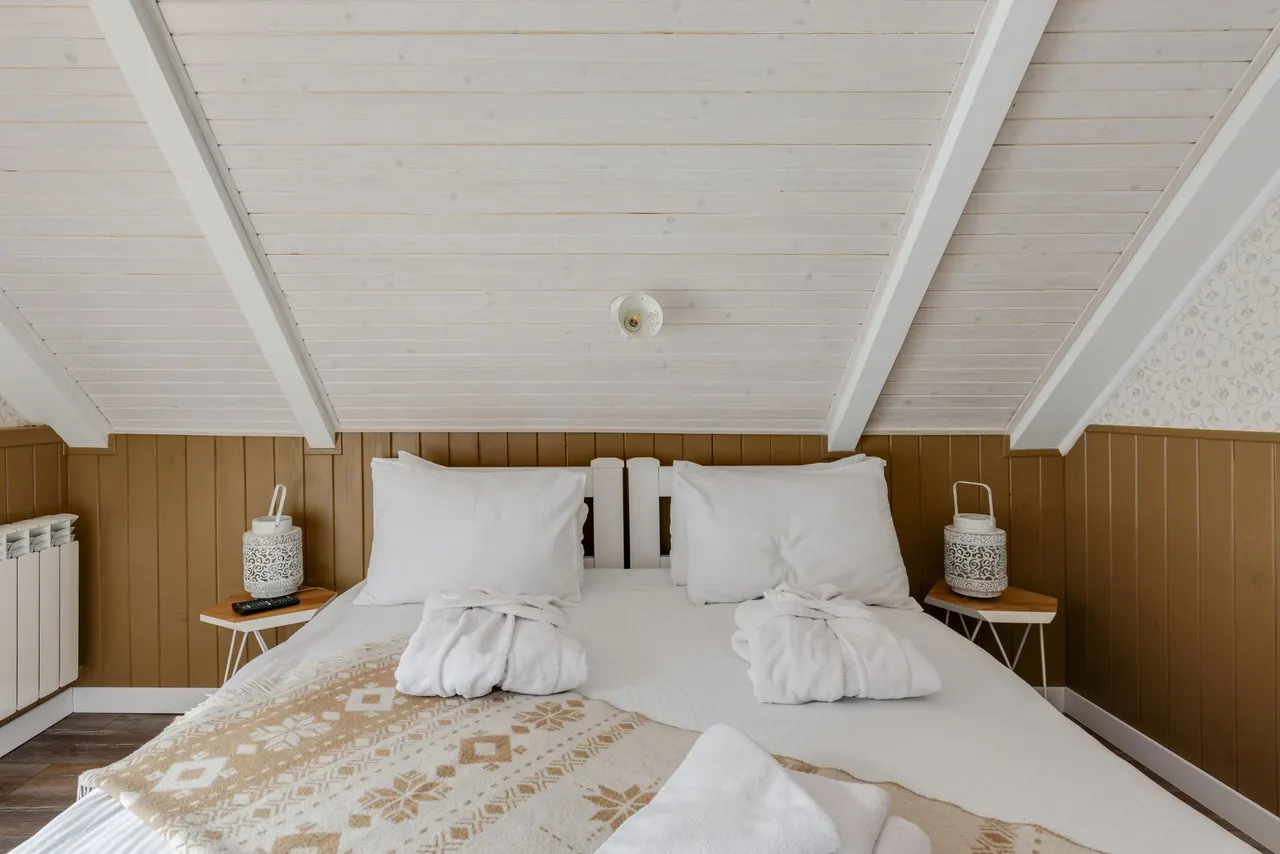
We lay drop cloths, seal the attic hatch, and set a negative air machine so dust and spores do not migrate into the house. A HEPA vacuum and air scrubber run for the duration. Setup usually takes 30 to 45 minutes.
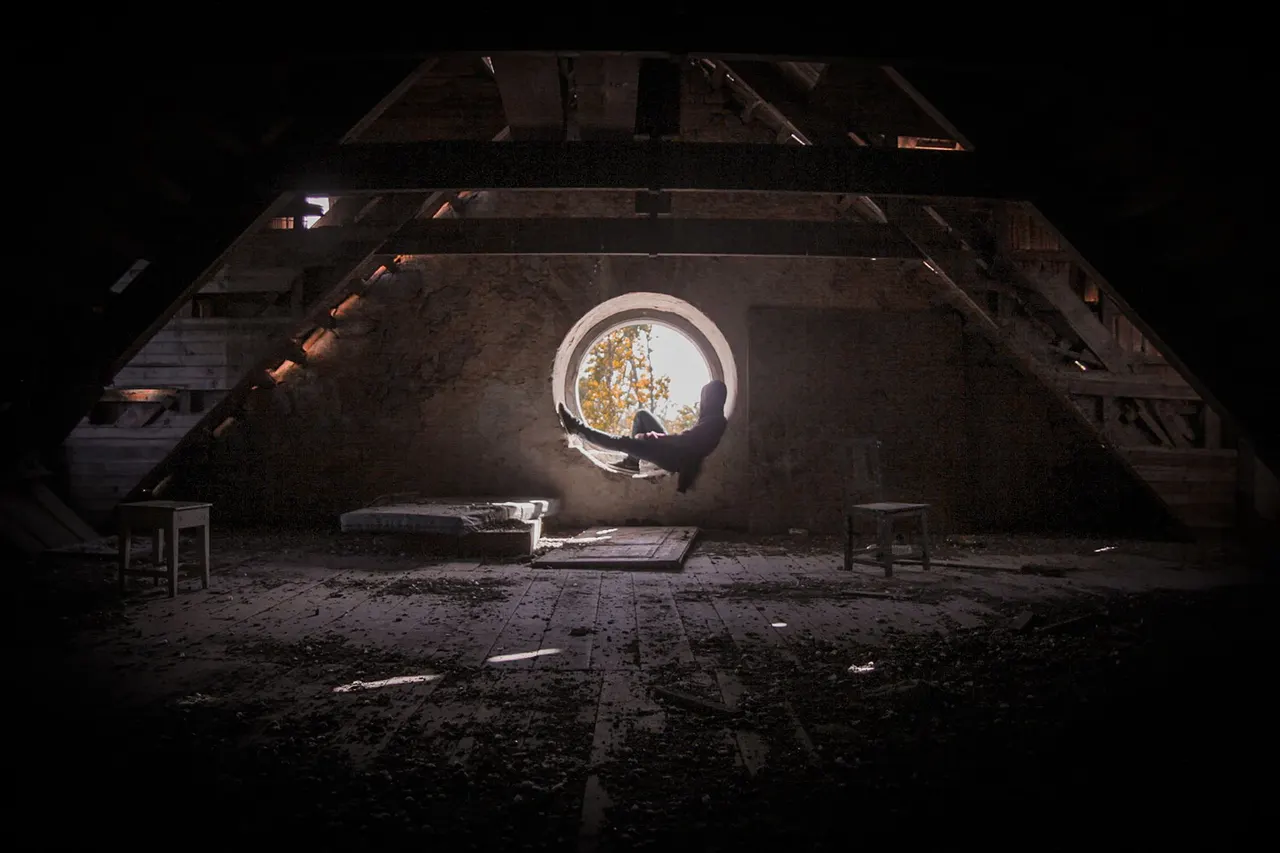
Contaminated insulation, rodent nesting, and loose debris go into sealed bags and out through the hatch. On a typical 1,200-square-foot attic, removal runs two to four hours depending on how much material is saturated.

Every exposed surface gets vacuumed with a HEPA vacuum, then treated with an antimicrobial spray. We use products like Concrobium and Benefect, and on heavier growth we apply RMR-86 or Fiberlock. Fogging reaches into truss bays a sprayer cannot.
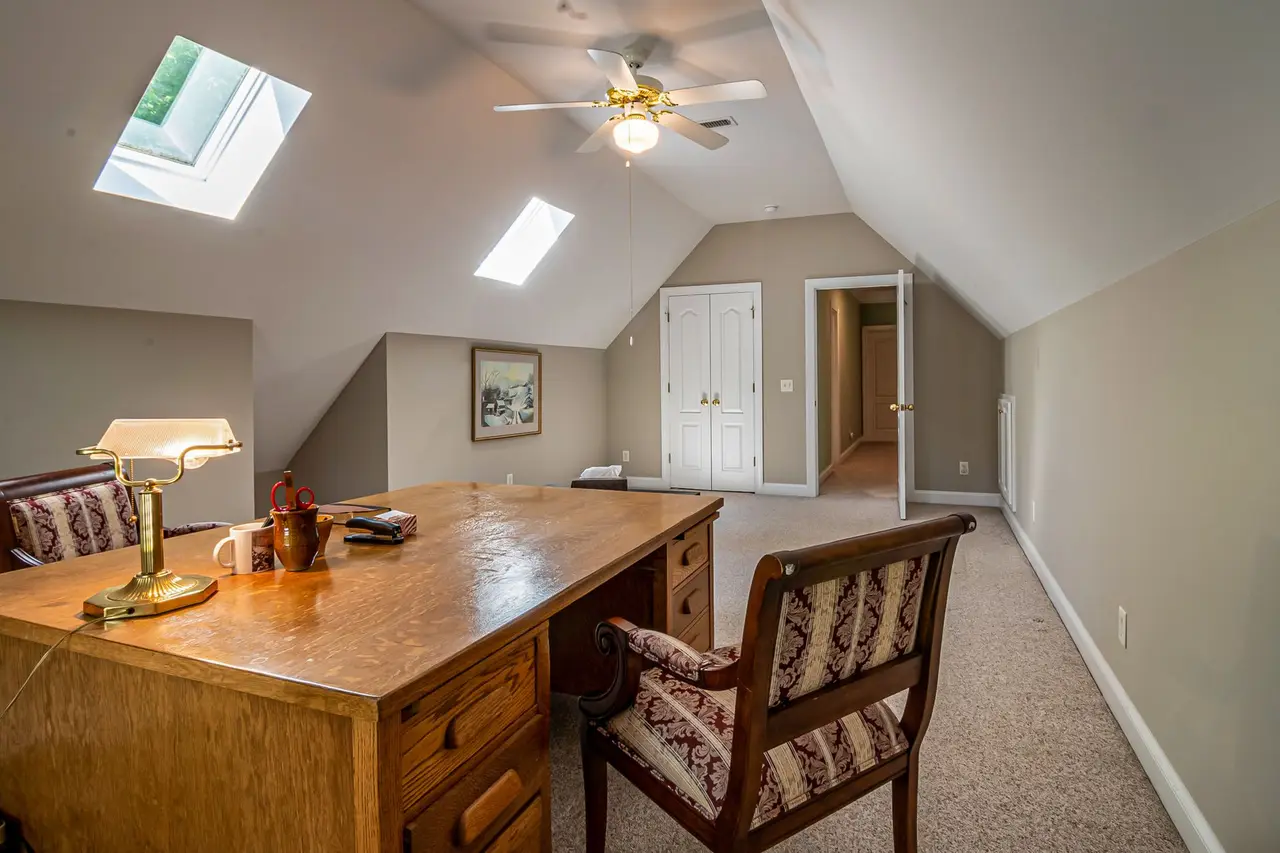
We re-check moisture readings, confirm the air scrubber has cleared visible dust, and walk you through the finished space. You get before-and-after photos and a written summary of what was removed and what was treated.
Move across a circle, or focus it and press Enter, for an illustrative thermal view of the photograph.
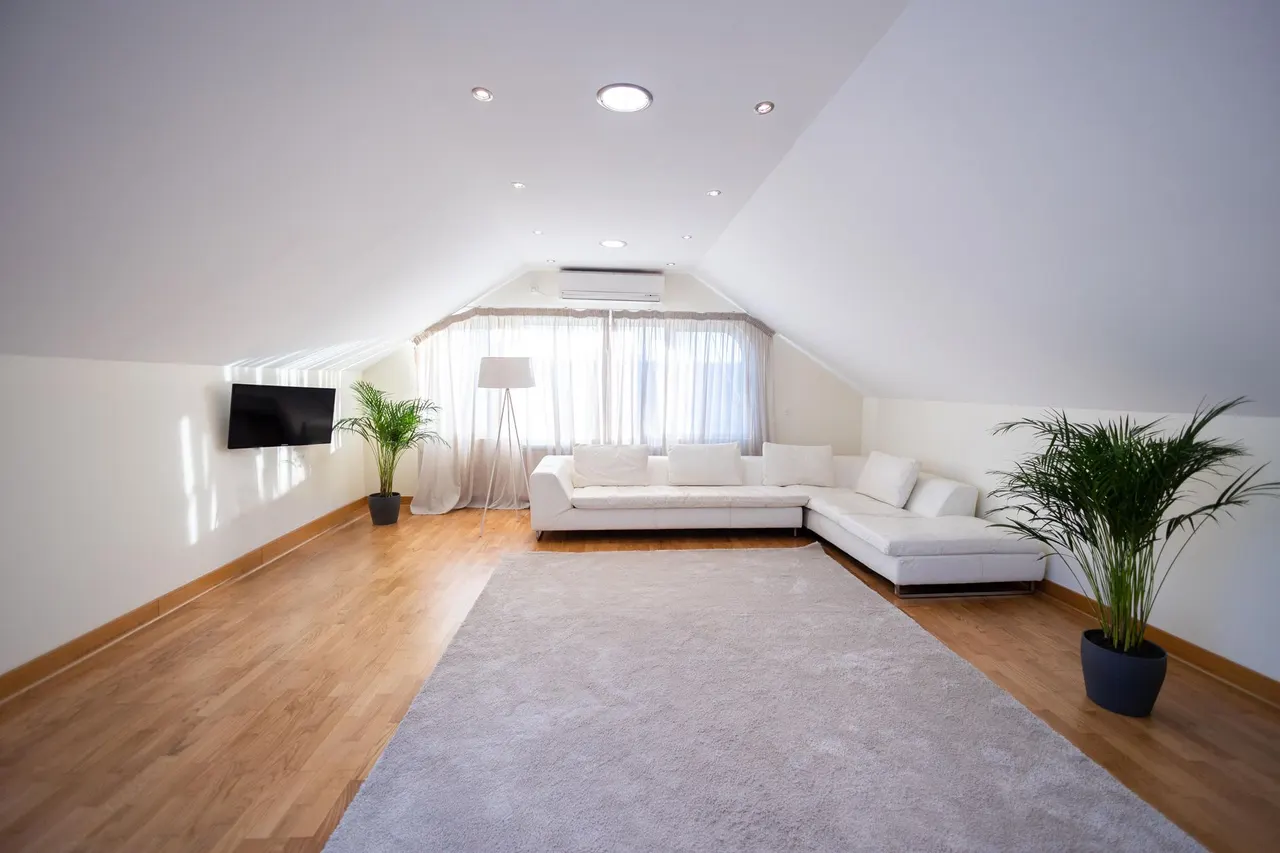
Measure moisture content in wood and relative humidity in the attic air. These readings tell us whether the problem is active or historical before we start work.

Reveals temperature differences that point to hidden moisture, missing insulation or air leaks behind finished surfaces. It finds water you cannot see.
A camera on a flexible rod that lets us inspect inside wall cavities, truss bays and ductwork without cutting anything open.
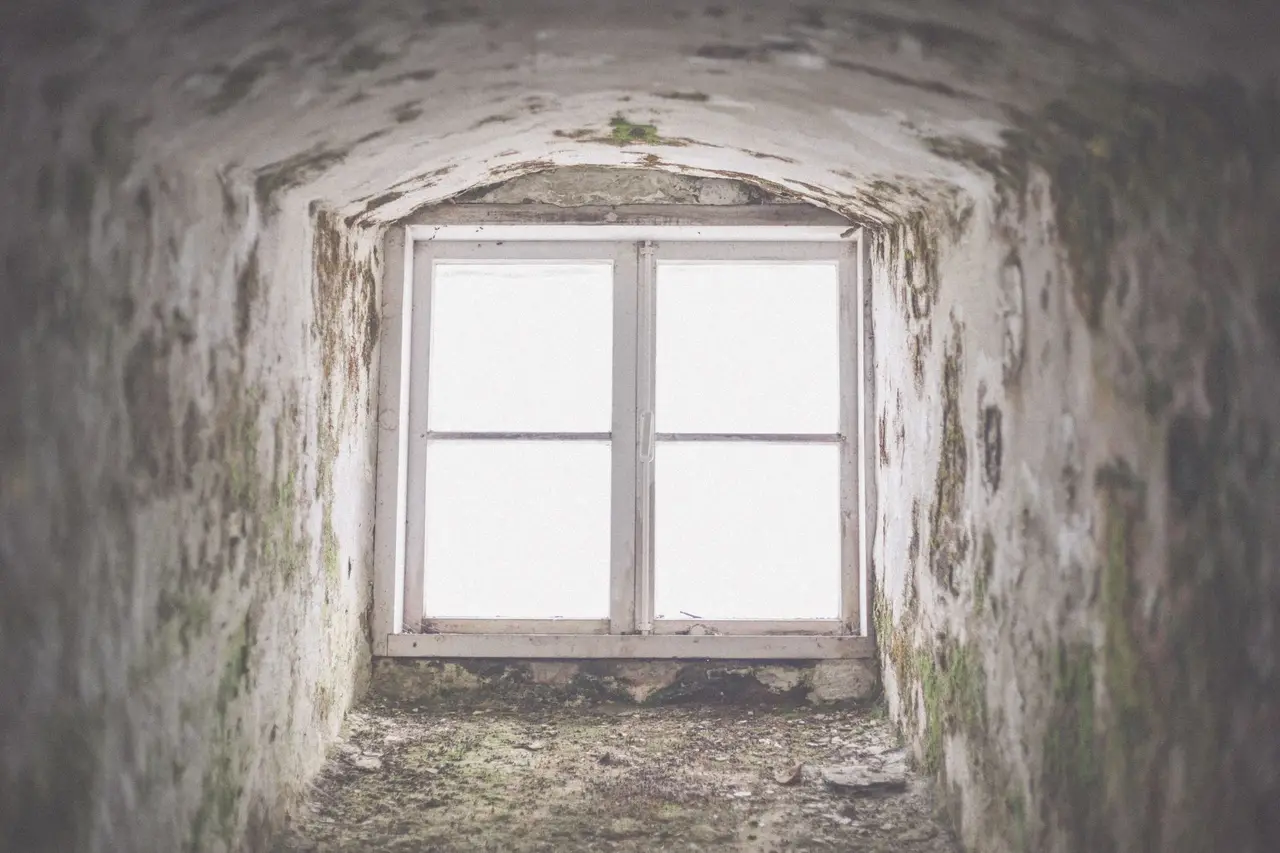
Captures particles down to 0.3 microns at 99.97 percent efficiency. Used on every exposed surface before any wet product is applied.
Keeps the attic under negative pressure and filters airborne particles during the job. Prevents dust and spores from migrating into the living space.
Thermal views are illustrative, generated from the photographs.
Applies antimicrobial product as a fine mist that reaches truss bays, corners and surfaces a sprayer cannot cover evenly.
Commercial-grade air movers and dehumidifiers used when the attic needs drying before treatment. We do not treat wet wood.
We follow the IICRC framework for containment, removal, cleaning and verification. It is the same standard insurance adjusters and home inspectors recognize, which makes your documentation easier to accept.
Nothing gets disturbed until the attic hatch is sealed and the negative air machine is running. This protects your living space and keeps the job from spreading contamination into the house.
We always vacuum loose contamination before applying any liquid product. Spraying first just glues dust to the wood and makes the cleanup harder.
Light surface growth gets Concrobium or Benefect. Heavier staining gets RMR-86 or Fiberlock. Matching the product to the surface protects the wood and gets a better result.
A roof leak soaked the attic insulation over a bedroom during a spring storm.
We inspect with a moisture meter and thermal camera, remove the wet insulation under containment, HEPA vacuum the sheathing and trusses, and apply antimicrobial treatment. If the leak is still active, we coordinate with a roofer before we start.
Outcome: The attic is dry, treated and documented. New insulation goes in after the moisture source is fixed, and the ceiling stain does not come back.
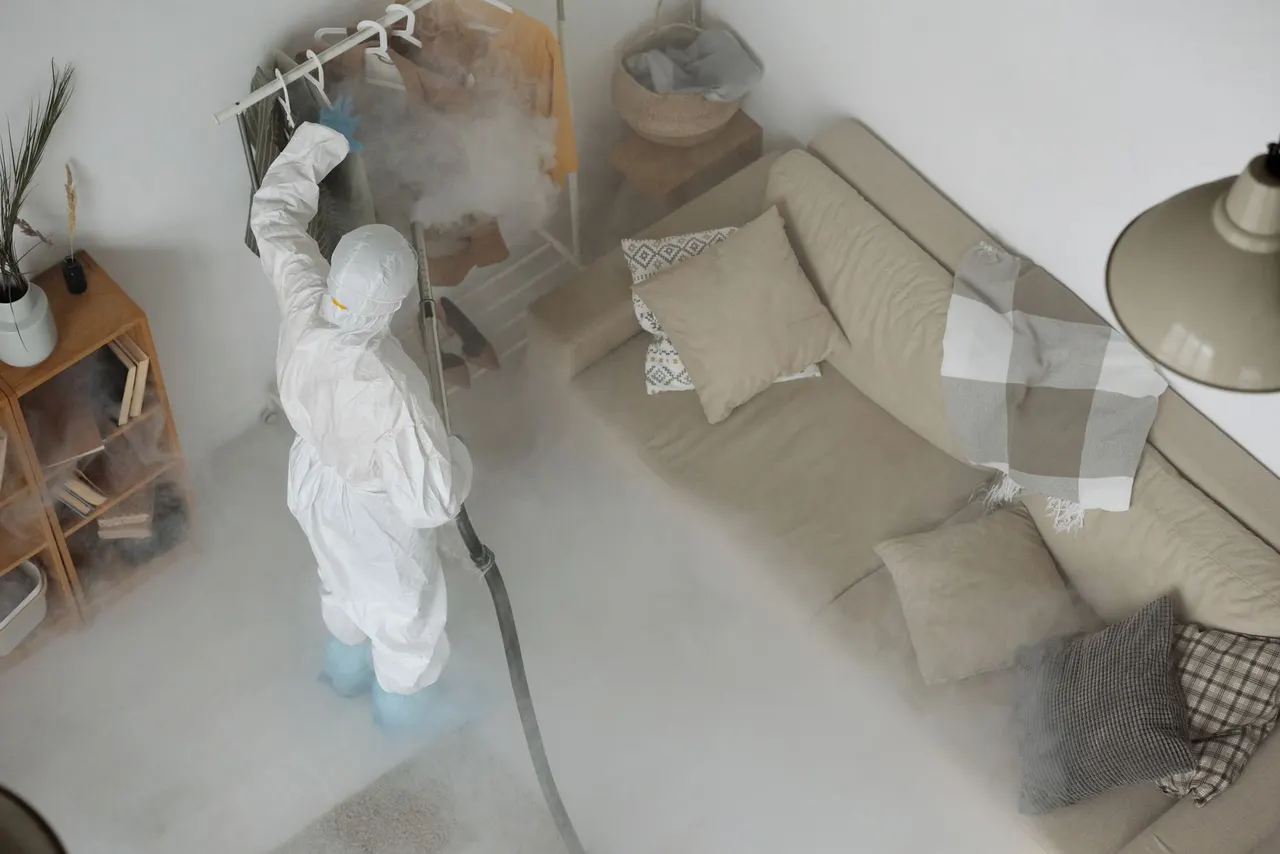
A home inspector flagged mold on the attic sheathing two weeks before closing.
We schedule within days, document the growth with photos and moisture readings, perform the decontamination, and provide a written summary with before-and-after images. The report is formatted for lender and agent review.
Outcome: The buyer gets a clean attic with documentation, and the closing stays on schedule.
The upstairs hallway smells musty every summer but there is no visible leak.
We track the source with a thermal camera and hygrometer. Most of the time it is condensation on cold sheathing from poor attic ventilation, or a bath fan ducting into the attic instead of outside. We fix the moisture path and decontaminate the affected area.
Outcome: The smell stops, and the fix addresses the cause instead of masking it for another season.
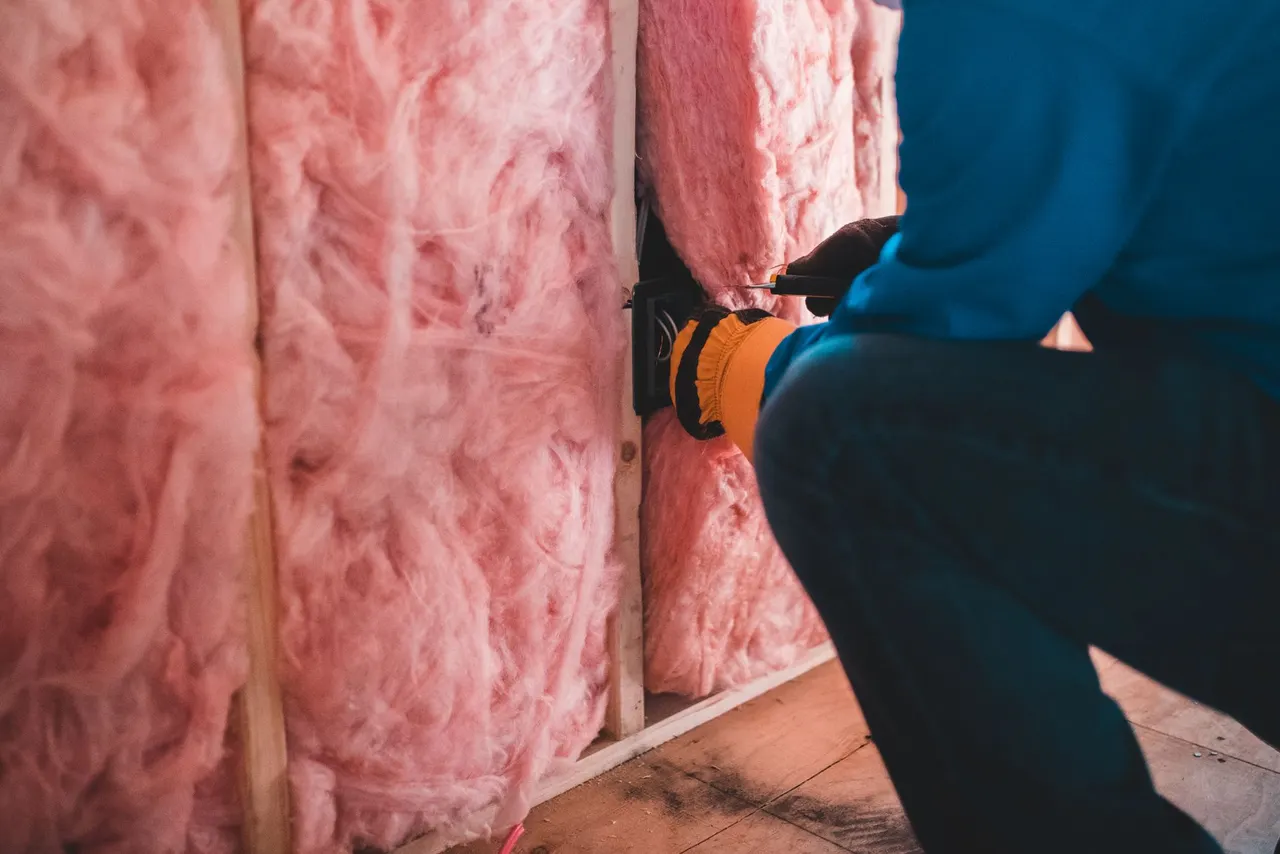
A landlord needs an attic cleaned out between tenants after a pest problem.
We remove nesting debris and droppings under containment, HEPA vacuum the surfaces, treat the wood, and fog the space. The work is scheduled around tenant turnover so the unit can be re-listed quickly.
Outcome: The unit passes inspection and the next tenant does not inherit the smell.
A homeowner with asthma wants the attic checked after years of dust buildup.
We inspect, take air samples if requested, and perform full decontamination with HEPA vacuuming and antimicrobial treatment. Pre- and post-work sampling gives measurable numbers to compare.
Outcome: The attic is clean, the spore count is documented, and the household has a baseline to monitor going forward.
Littleton sits at the edge of the Front Range, which means big temperature swings between day and night and a lot of freeze-thaw cycling through winter. That pattern drives condensation on cold roof sheathing, especially in attics with weak ventilation. Homes built before 1980 in Historic Downtown Littleton and Columbine often have undersized soffit vents and bath fans that dump warm air straight into the attic.
Newer builds in Sterling Ranch and Ken Caryl tend to have better ventilation but still fail at plumbing boots and ridge vent details. We see the same pattern across ZIP codes 80120, 80122 and 80123. If you are searching for professional attic decontamination Littleton, Colorado, the first thing we do is figure out which failure mode your attic has, because the cleanup is different for each one.
A 1,200-square-foot ranch in Heritage takes a different approach than a 3,000-square-foot two-story in Ken Caryl Valley.
Before: A failed plumbing boot let water into a 1,400-square-foot attic for most of a spring. The insulation over the master bedroom was saturated, sheathing showed dark mold staining across three bays, and the hallway smelled musty.
After: We removed 320 square feet of wet insulation, HEPA vacuumed the sheathing and trusses, applied antimicrobial treatment, and fogged the space. Post-work moisture readings were back to baseline. New insulation went in after the boot was replaced.
Check the plumbing boots and flashing every fall before the first snow. If you see staining on the ceiling, call before the next rain.
Before: A 1920s home had years of rodent nesting and droppings spread across the attic floor and into the insulation. The smell was noticeable in the upstairs bedrooms, and the homeowner was concerned about air quality.
After: We contained the space, removed 14 bags of contaminated insulation and debris, HEPA vacuumed every exposed surface, treated the wood, and fogged the attic. The odor cleared within a week, and air sampling showed spore counts back in the normal range.
Seal exterior entry points and keep trees trimmed back from the roofline. A yearly attic check catches new activity early.
Before: A low-slope roof section with poor soffit ventilation had condensation mold across the sheathing. Roughly 40 percent of the roof deck showed surface growth, and the insulation had visible moisture staining.
After: We treated 600 square feet of sheathing with antimicrobial product after HEPA vacuuming, replaced 180 square feet of saturated insulation, and added intake ventilation to fix the airflow. Follow-up inspection six months later showed no new growth.
Keep soffit vents clear of insulation and check them each spring. If humidity in the attic stays above 60 percent, add ventilation before mold returns.
Attic contamination in Littleton almost always traces back to one of a few causes: water getting in, air not moving, or pests moving through. Here is what we see most often and how we handle it.
A clean attic that stays clean because the source was fixed.
Air scrubbers running at 500 to 2,000 CFM pull airborne spores out of the attic while we work. Homeowners with allergies or asthma often notice the difference within a few days, especially in bedrooms directly under the attic.
Musty odors, rodent urine and dead-animal smell do not come out with a fan and a candle. We remove the contaminated material, treat the wood, then fog the space. Attic decontamination for odor removal Littleton jobs usually clear the smell in one visit.
Mold on wood sheathing and trusses spreads along the grain and into adjacent bays.
Wet fiberglass and cellulose insulation lose R-value fast and hold moisture against the ceiling drywall. We test with a hygrometer, pull saturated batts, and tell you exactly which sections need replacement versus which can stay.
What a written scope covers and what shapes it. Prices are set by the business after the first look.
Included
Depends on
Clear records you can keep and share.
Before and after images of treated areas
Readings taken before and after work
What was removed and what was treated
One-page record for your files
Not everything in a contaminated attic can be cleaned. Some materials have to come out.
Mold on wood that has not penetrated
Insulation and drywall that held water
Water behind surfaces or in cavities
A list like this tells people straight away whether you cover their street. Not listed? Call and ask: it only takes a minute.
Based in Littleton and covering the places around it. Pick one for local details.
A small attic with light surface mold and no insulation removal sits at the low end. Full insulation replacement plus ductwork cleaning pushes toward the top. We give you a written scope before any work starts.
Every job includes a moisture and thermal inspection, containment setup with a negative air machine, HEPA vacuuming of all exposed surfaces, antimicrobial treatment, fogging, and a final walkthrough with photos. Insulation removal and replacement, ductwork cleaning and leak repair are quoted separately because not every attic needs them. We tell you which ones apply to yours after the inspection.
A typical 1,000 to 1,500 square foot attic takes one day, usually six to nine hours on site. Larger attics, heavy insulation removal, or ductwork cleaning can push it to two days. If we are also replacing insulation, add three to four hours. We schedule the work so your household is not disrupted more than it needs to be.
Yes. Removing visible mold without decontaminating the surrounding surfaces leaves spores behind in dust, on truss faces and inside insulation. Those spores re-colonize the moment humidity climbs again. Decontamination is the step that clears the residue, treats the wood, and gives you a clean surface to rebuild on. Skipping it is the most common reason mold comes back within a year.
Other services from the same team.
If your attic smells musty, showed up on an inspection report, or sat through a roof leak, get it handled before the problem spreads. Call (720) 953-3834 and we will schedule an inspection, walk the space with you, and give you a written scope.
Call (720) 953-3834 or email us and we will schedule an attic inspection, usually within a day or two. We work Monday through Friday, 8am to 6pm, and we answer the phone ourselves. If you have a leak or storm damage, tell us and we will prioritize the call.