Attic Mold Prevention Littleton CO that stops mold before it starts
Attic Mold Prevention Littleton CO is the work that keeps your roof sheathing, trusses and insulation dry through every freeze-thaw cycle and summer storm. We inspect the whole attic, find where moisture is getting in, and fix it at the source. If you have smelled that musty odor upstairs or spotted dark staining on the decking, now is the time to call.
Prevention is a package, not a single product. Here is what is covered in a standard visit, and what we quote separately if your attic needs it.
Full moisture inspection
We check every rafter bay with a moisture meter and hygrometer, scan for thermal anomalies with an imaging camera, and inspect ductwork, exhaust fans and roof penetrations. You get readings and photos, not just a verbal summary.
Ventilation correction
Blocked soffit vents get cleared, bath and dryer exhaust gets routed outdoors, and intake-to-exhaust balance is restored. Where ventilation is undersized, we quote new vents or a powered fan sized to your attic volume.
Antimicrobial treatment
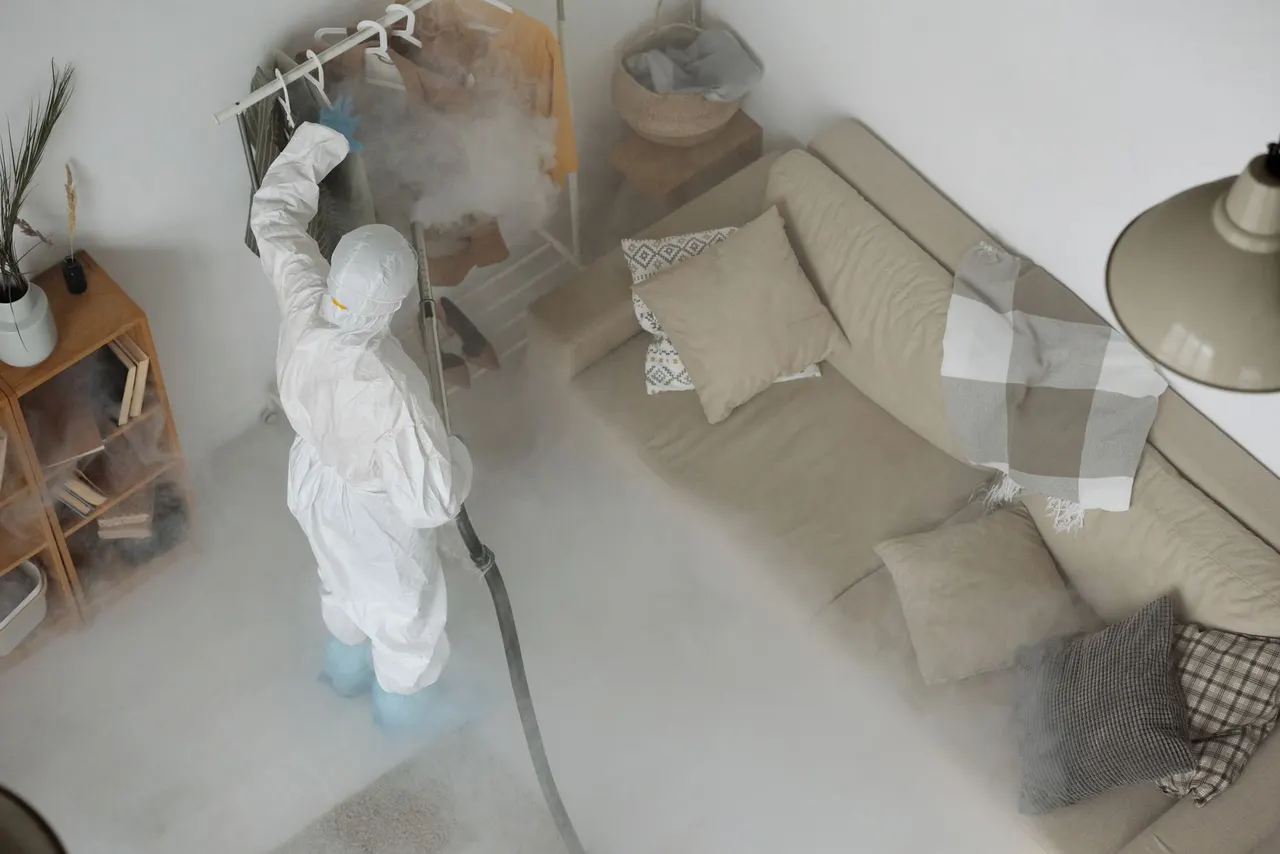
We apply Concrobium or Benefect with a fogger to reach surfaces a spray bottle misses. Treatment follows moisture correction, so it is not fighting an active water source. Coverage includes sheathing, trusses and exposed framing.
Containment and cleanup
Air scrubbers and a negative air machine run during the work to keep spores out of your living space. We HEPA vacuum loose debris and leave the attic cleaner than we found it. Drop cloths protect the areas below the attic access.
Written report with photos
You receive before-and-after photos, moisture readings at each documented point, and the specific corrections made. Real estate agents and adjusters accept this documentation directly. It is yours to keep whether you sell or stay.
Maintenance plan
We tell you what to check each season and when to schedule a follow-up. Most Littleton attics need an annual inspection and treatment every three to five years. The plan is written for your specific attic, not a generic checklist.
Homes and businesses.
The approach is the same for a home and a business. What changes is the access, the schedule and who needs the paperwork.
For homeowners
We inspect your attic, find where moisture is getting in, and correct it before treating surfaces. You get a written report showing what we did and what to check each season.
Musty smell upstairs
Staining on roof decking
High heating bills
For property managers
We handle attics across multi-unit and commercial buildings with containment and documentation built for ownership. Scheduling works around tenants and access windows.
Tenant moisture complaints
Roof leak documentation
Insurance claim support
Attic Mold Prevention Littleton CO done at the source
A plain-language look at what Attic Mold Prevention involves and when it is needed.
Attic Mold Prevention Littleton CO is a moisture-control service that stops mold from ever getting a foothold in your attic. We start with a full inspection using a moisture meter, hygrometer and thermal imaging camera to map where water vapor is collecting. Then we correct the causes: blocked soffit vents, bath fans dumping humid air into the attic, roof leaks, and insulation that has been pressed against the roof deck. Treatment comes after the moisture problem is solved, never before.
Littleton attics take a beating. Summer humidity rolls in, then October snow sits on the roof and melts into the sheathing. Older homes in Historic Downtown Littleton and the Columbine neighborhoods often have undersized ventilation for the square footage they cover. If you have been searching for attic mold prevention near me Littleton, the answer is a contractor who fixes airflow and moisture first, then treats the surfaces. That is the only sequence that holds up.
Moisture correction comes first; treatment only holds when the water source is fixed.
What it is
A moisture-control service that stops mold from establishing in your attic by correcting ventilation, exhaust and leaks.
When you need it
After a roof leak, when you smell mustiness upstairs, or as annual maintenance before winter snow sits on the roof.
What to expect
A full inspection with readings, moisture corrections, antimicrobial treatment, and a photo report you keep.
How our attic mold prevention process works
Five steps, start to finish. You get a written scope before we begin, a clean workspace while we work, and a documented result you can hand to a buyer or an adjuster.
Attic inspection
We suit up and go in with a moisture meter, hygrometer and thermal imaging camera. Every rafter bay gets checked for sheathing mold, truss mold and insulation mold. We photograph what we find and note the moisture readings so you can see the numbers, not just hear about them. Expect 45 to 90 minutes depending on attic size.
Moisture readings
Photo capture
Access check
Moisture source mapping
This is where prevention is won or lost. We trace every path water takes into the attic: roof leaks, bath and dryer exhaust venting, soffit and ridge vent blockage, ductwork leaks, and gaps around can lights. A boroscope lets us look inside wall cavities and chases without cutting drywall. You get a plain-language explanation of each source we find.
Leak tracing
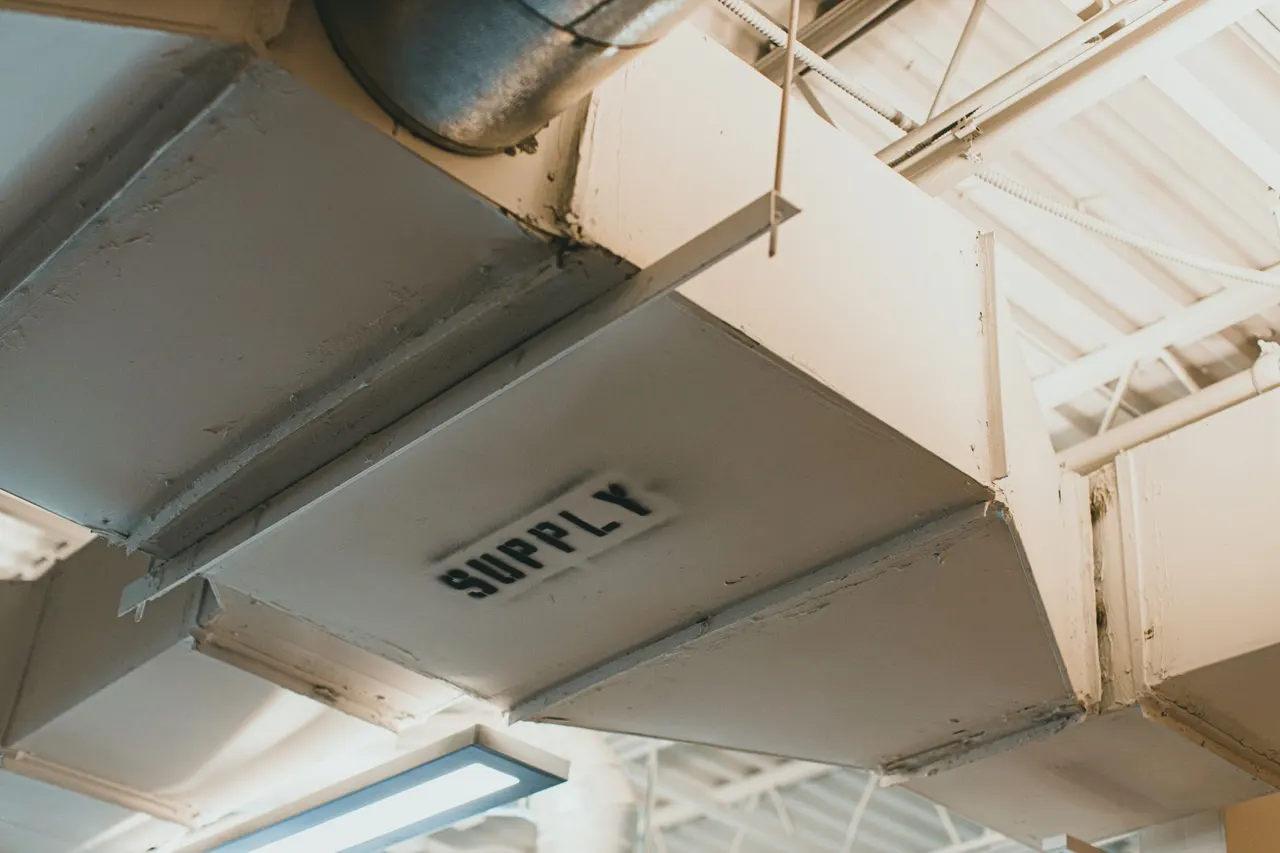
Duct inspection
Vent check
Airflow and moisture correction
We install or rebalance ventilation fans, clear blocked soffit vents, correct bath fan ducting so it exhausts outdoors, and repair roof leaks at the flashing and penetration points. Where insulation has been stuffed against the roof deck, we pull it back to restore the air channel. This is the step that makes prevention permanent.
Vent clearing
Duct rerouting
Leak repair
Treatment and sanitization
With moisture under control, we treat affected surfaces using Concrobium or Benefect antimicrobial spray applied with a fogger, then HEPA vacuum the loose debris. Ductwork gets sealed and cleaned where needed. We run an air scrubber and negative air machine to keep spores out of your living space during the work.
Fogging
HEPA vacuum
Containment
Verification and report
We re-check moisture readings at every point we documented on day one and photograph the same angles for comparison. You receive a report with before-and-after photos, moisture readings, and the maintenance steps that keep the attic dry. If you are selling, that document goes straight to your buyer or inspector.
Re-check
Photos
Report
Tools and methods we use
Move across a circle, or focus it and press Enter, for an illustrative thermal view of the photograph.
Moisture meter and hygrometer
Measure moisture content in wood and relative humidity in the attic air. These readings tell us whether a surface is actively wet or just stained, which changes the treatment plan.
Thermal imaging camera
Reveals temperature differences that indicate hidden moisture, missing insulation or air leaks. It lets us find problems behind finished surfaces without cutting into them.
Boroscope
A slim camera that looks inside wall cavities, chases and duct runs. We use it to confirm moisture paths and ductwork condition without opening up drywall.
HEPA vacuum and air scrubber
Capture spores and debris during treatment and keep the air clean while we work. Both run continuously during remediation and prevention work.
Negative air machine
Creates pressure differential so contaminants move out of the living space, not into it. Standard equipment on any job involving established mold growth.
Thermal views are illustrative, generated from the photographs.
Methods
Fogger
Applies antimicrobial products evenly across sheathing, trusses and framing. Fogging reaches surfaces a sprayer cannot, which matters for full-coverage treatment.
Concrobium and Benefect
Antimicrobial products we apply after moisture correction. Both are EPA-registered and used according to label directions for attic applications.
IICRC remediation standards
We follow IICRC protocols for containment, removal and verification on every job involving established mold. That means documented moisture readings, controlled work areas, and a verification step before we call the job complete.
EPA Lead-Safe practices
Homes built before 1978 may contain lead paint, which affects how we handle disturbed surfaces. We follow EPA Lead-Safe work practices on those homes to protect your family and our crew.
Moisture-first sequencing
We never treat mold before correcting the moisture source. Treatment applied over an active leak fails within a season. Correcting moisture first is what makes prevention last.
Photo-documented verification
Every job ends with before-and-after photos and moisture readings at the same points. This gives you a record you can compare over time and share with buyers, agents or adjusters.
When Littleton homeowners call us
Musty odor found
You smelled a musty odor upstairs and found dark staining on the roof decking during a storage trip.
We inspect the full attic, map moisture with a thermal camera, identify the source, and treat the affected surfaces. If ventilation is the cause, we correct it in the same visit.
Outcome: The odor is gone, the staining is treated, and you have a photo report showing what was done and what to watch.
Inspection flagged mold
A home inspection flagged attic mold two weeks before closing and the buyer wants documentation.
We assess the finding, separate active growth from cosmetic staining, and provide a written scope with photos and moisture readings the buyer's agent can review.
Outcome: The transaction moves forward with documented answers instead of speculation, and the attic is treated before the new owners move in.
Rental complaint
You manage a rental in Littleton and a tenant reported a musty smell after a roof leak.
We coordinate access with the tenant, contain the work area, correct the moisture source, and treat the attic. The property owner receives a written report without needing a second site visit.
Outcome: The tenant's complaint is resolved, the owner has documentation, and the prevention work reduces the chance of a repeat call.
Pre-winter check
Your attic has had moisture issues before and you want to stop the cycle before next winter.
We inspect annually, verify ventilation is working, and re-treat surfaces on a three-to-five-year cycle. Any new moisture source gets corrected before it becomes a mold problem.
Outcome: The attic stays dry through freeze-thaw season and you avoid the remediation bill that comes with a repeat outbreak.
Storm leak response
A summer storm pushed water through flashing and you noticed damp sheathing within days.
We respond quickly, dry the affected area, repair the flashing, and treat the surfaces before mold has time to colonize. Containment keeps spores out of the living space during the work.
Outcome: The leak is fixed, the sheathing is dry and treated, and the repair is documented for your insurance claim if you file one.
Historic Downtown LittletonKen CarylColumbine
How attic mold prevention works in Littleton
Littleton sits in a climate that punishes attics. Summer humidity arrives in July and August, then October snow sits on roofs and melts slowly into the sheathing. Freeze-thaw cycles in January and February drive moisture into every gap.
Homes built in the 1950s and 1960s around Historic Downtown Littleton and the Columbine neighborhoods often have ventilation sized for a different era, and insulation that has settled against the roof deck. Newer builds in Sterling Ranch and Ken Caryl tend to have better ventilation but still see problems when bath fans are ducted short or ductwork leaks into the attic.
We adjust our approach to the building: older homes usually need ventilation corrections first, while newer homes often need duct sealing and exhaust fixes. If you are looking for attic mold prevention for humid summers Littleton CO homeowners deal with every year, the answer is a moisture plan built for this specific climate, not a generic checklist.
Historic Downtown Littleton: Many homes here date to the 1940s and 1950s with undersized soffit ventilation. Insulation has often been added over the years without baffles, blocking the intake path.
Ken Caryl: Larger attics with complex rooflines create multiple ventilation zones. Ridge and soffit balance matters more here, and ductwork runs are longer, so leaks have more impact.
Columbine: Mid-century ranch homes with low-slope roofs and limited attic access. Inspection requires care, and bath fan ducting is frequently routed short of the roof edge.
Sterling Ranch: Newer construction with tighter envelopes. Moisture problems here usually trace to ductwork leaks or exhaust fans rather than ventilation sizing.
Roxborough Park: Homes near the foothills see more wind-driven rain and snow intrusion at flashing. Leak detection is often the first step before prevention work begins.
Freeze-thaw cycles from December through March: Moisture condenses on cold sheathing overnight, then warms and re-wets the wood during the day. Repeated cycles keep surfaces damp long enough for mold to establish.
IllustrativeThe thermal view is generated from the photograph. It is not a measurement. Drag the handle, or use the arrow keys once it is focused.
Bath fan ducting corrected in Historic Downtown Littleton
Before: A 1952 ranch home had visible black mold on the roof sheathing above the bathroom. The bath fan was ducted directly into the attic, dumping humid air onto the decking for years. Moisture readings on the sheathing were above 28 percent.
After: We re-routed the exhaust duct to terminate outdoors with proper flashing, treated the sheathing with antimicrobial spray, and HEPA vacuumed the affected area. Moisture readings dropped below 14 percent within a week and stayed there through the following winter.
Check the exterior vent termination each spring for bird nests or blockage. Schedule an attic inspection every fall before snow season.
Ventilation rebalanced in a Columbine ranch home
Before: Insulation had been blown over the soffit vents, blocking intake air completely. The attic had no airflow path, and sheathing mold had spread across three rafter bays. The homeowner noticed a musty smell in the hallway.
After: We cleared the blocked vents, installed baffles to hold insulation back, and treated the affected sheathing and trusses. Airflow improved measurably, and the musty odor cleared within two weeks. A follow-up inspection six months later showed no new growth.
Verify baffles stay in place after any insulation work. Re-inspect annually and re-treat surfaces every three to five years.
Storm leak repaired before mold took hold in Ken Caryl
Before: A summer hailstorm damaged flashing around a roof vent, and water reached the sheathing within days. The homeowner caught it early and called us before any visible mold appeared. Moisture readings showed active wetness in two rafter bays.
After: We repaired the flashing, dried the affected area with air movers, and applied antimicrobial treatment as a precaution. Moisture readings returned to normal within 48 hours. The homeowner filed an insurance claim with our photo documentation and written scope.
Inspect flashing and vent boots after any hail event. Keep the attic hatch sealed and check for new staining each season.
Attic moisture problems we solve for Littleton homes
Most attic mold in Littleton traces back to one of a handful of causes. We diagnose the cause first, then build the prevention plan around it.
Roof leaksRoof leaks at flashing and ventsSmall leaks soak sheathing and trusses over months, creating ideal conditions for black mold. By the time you see a ceiling stain, the attic damage is usually well established. We trace leaks with a moisture meter and boroscope, repair the flashing and penetration points, then dry and treat the affected wood. Fixing the leak first is what makes the prevention work hold.
Fan venting indoorsBath and dryer fans venting into the atticA single bath fan dumping humid air into the attic adds gallons of moisture per week. That moisture condenses on cold sheathing in winter and feeds mold all year. We re-route exhaust ducting to terminate outdoors with proper flashing and backdraft dampers. This is one of the most common fixes we make in older Littleton homes and one of the most effective.
Blocked ventsBlocked soffit vents and poor airflowInsulation pressed against the roof deck blocks intake air, so the attic cannot dry out. Ridge vents alone cannot move air without intake. Moisture builds until sheathing and trusses stay damp. We clear blocked vents, install baffles to keep insulation back, and balance intake and exhaust. Where ventilation is undersized, we quote additional vents or a powered fan sized to the attic.
Living-space humidityHigh humidity from the living spaceAir leaks around can lights, attic hatches and ductwork push warm, humid air into the attic. In Colorado's freeze-thaw cycles, that moisture condenses on cold surfaces and starts mold growth. We seal air bypasses, insulate the attic hatch, and correct ductwork leaks. Sealing the pathways stops the moisture at the source instead of treating symptoms repeatedly.
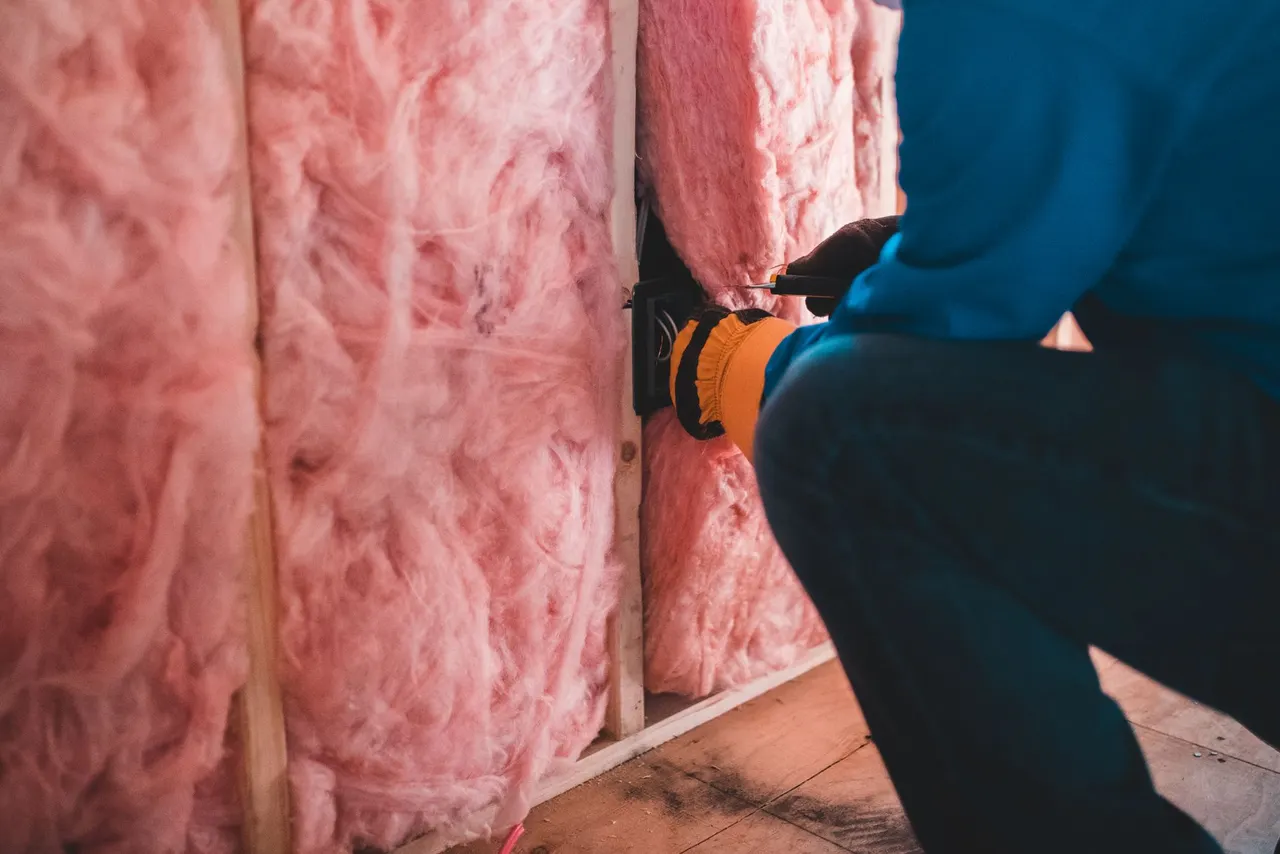
Moldy insulationMoldy insulation that keeps coming backFiberglass and cellulose insulation that has absorbed moisture holds mold and loses R-value. Treating the surface without removing the insulation leaves the problem in place. We remove affected insulation, treat the surfaces beneath, and install new material with the air channel preserved. Paired with ventilation corrections, the new insulation stays dry.
Why Littleton homeowners invest in prevention
A dry attic that stays dry through every season.
Stop mold before it spreads
Once black mold colonizes wood sheathing, it eats into the fibers and stains permanently. Catching it at the moisture stage means the decking stays clean and structurally sound. We treat with an antimicrobial spray after the moisture source is corrected, so regrowth does not happen six months later.
Cut your energy bills
A wet attic loses R-value fast. Fiberglass insulation that has absorbed moisture performs like a much thinner batt, and your furnace works harder all winter. Fixing ventilation and drying the assembly restores the insulation you already have, often saving real money on heating in a single season.
Protect air quality downstairs
Attic air does not stay in the attic. Stack effect pulls it down through can lights, attic hatches and ductwork gaps. Musty odors and mold spores end up in bedrooms and living spaces. Sealing and treating the attic is one of the highest-impact moves for allergy and asthma relief in the home.
Avoid a five-figure repair
Replacing moldy roof sheathing, trusses and ductwork runs into serious money. Affordable attic mold control Littleton, Colorado homeowners can budget for is the inspection and moisture fix. That small upfront spend is what keeps the roof structure and insulation out of the replacement column.
What a written scope covers.
What a written scope covers and what shapes it. Prices are set by the business after the first look.
Our 1948 house had dark staining on the roof decking and a musty smell in the upstairs hallway. The team mapped the moisture with a thermal camera, found a bath fan dumping straight into the attic, and fixed the ducting. They treated the sheathing and left a photo report. Two winters later, no staining has come back.
We manage six rentals and had mold show up in two attics after a roof leak. PeakShield handled both units in one week, coordinated access with tenants, and gave us reports for the owners. The prevention work on ventilation has kept the other four attics dry. Straightforward pricing and no surprises.
Our home inspection flagged attic mold right before closing. PeakShield came out within two days, explained what was active versus cosmetic, and gave us a written scope the buyer accepted. They treated the trusses and corrected the soffit vents that were blocked by insulation. The sale closed on schedule.
Frequently Asked Questions
Cost climbs when we find roof leaks, failed bath fan ducting, or widespread insulation mold that needs removal. Treatment-only work is cheaper than full prevention because it skips the ventilation corrections.
Fix moisture first, then treat. In Littleton, that usually means clearing soffit vents, re-routing bath fans outdoors, and repairing roof flashing. Treatment without moisture correction fails within a season.
Inspect annually, and treat every three to five years if your attic has had moisture issues before. Littleton's freeze-thaw cycles and summer humidity mean attics should be checked each fall before snow sits on the roof. Homes with older ventilation or a history of roof leaks benefit from a check every spring as well.
Partial DIY is realistic: you can clear soffit vents and check for obvious leaks. Full prevention is not, because moisture mapping needs a thermal imaging camera and a hygrometer, and treatment requires fogging equipment and containment. Disturbing mold without containment spreads spores into your living space. That is the part to hand to a pro.
Book Attic Mold Prevention Littleton CO before the next storm
One visit now saves you a remediation bill later. Call (720) 953-3834 and we will schedule an inspection, explain what we find in plain language, and give you a written scope before any work starts.
Call (720) 953-3834 or email us and we will schedule an attic inspection, usually within a day or two. We work Monday through Friday, 8am to 6pm, and we answer the phone ourselves. If you have a leak or storm damage, tell us and we will prioritize the call.