For Your Home
Duct mold in a home attic shows up as a musty smell, worse morning allergies, or a ceiling stain after a storm. We inspect, contain, remove and verify.
- Musty smell from vents
- Bath fan venting into attic
- Ceiling stain after a storm
Attic Ductwork Mold Removal Littleton CO clears mold growth from the flex runs, boots, plenums and registers that feed every room in your house. If your ducts sit in a hot, humid attic above Arapahoe County, mold finds the dust lining those runs and starts eating it. We pull the ductwork apart, clean it, treat it, and put it back sealed so spores stop blowing into your bedrooms.
 Camera the duct runsRead moisture levelsContain the attic
Our standard ductwork mold scope covers inspection, containment, removal of contaminated runs, treatment of hard duct and plenums, rebuild and clearance verification. If we find a moisture source like a bath fan or roof leak, we fix it as part of the job. Insulation replacement and full attic remediation are quoted separately when needed.
Moisture meter readings, thermal imaging and boroscope camera work on every accessible run. You get photos of each contaminated section and a written read on where the moisture is coming from.
Sealed attic access, floor protection and a HEPA-filtered negative air machine keep spores out of your living space during the entire job. Registers are covered and the work zone stays isolated.
Contaminated flex runs come out bagged. Hard duct, plenums and boots get HEPA vacuumed and brushed, then wiped with an antimicrobial spray rated for HVAC surfaces.
Every cleaned surface gets treated with a mold-specific product like Concrobium or Fiberlock. Treatment is what stops regrowth after the ducts are dry and back in service.
New flex runs, sealed boots and mastic at every joint. We size the replacement duct to your system so airflow stays balanced and static pressure stays in spec.
Post-job moisture readings with a hygrometer plus air samples for lab analysis. You get the results and a photo log documenting the completed work.
The approach is the same for a home and a business. What changes is the access, the schedule and who needs the paperwork.
Duct mold in a home attic shows up as a musty smell, worse morning allergies, or a ceiling stain after a storm. We inspect, contain, remove and verify.
Offices, retail and multi-family buildings need ductwork cleared without shutting down operations. We schedule around business hours and document everything.
A plain-language look at what Attic Ductwork Mold Removal involves and when it is needed.
See how it worksAttic Ductwork Mold Removal Littleton CO is a contained remediation service that strips mold growth from the interior surfaces of attic duct runs, boots, plenums and register cans, then treats those surfaces so the growth does not return. Ductwork in a Colorado attic takes a beating. Summer attic temps push past 130 degrees, winter swings drop them below freezing, and every swing pulls condensation onto the foil jacket and the dust film inside. That film is food. Once moisture shows up, mold colonizes the liner in a matter of days.
Most Littleton homes we open up have the same story: a roof leak nobody caught, a bath fan dumping humid air into the attic instead of outside, or a duct run crushed against a truss so the air never moves. If you have been searching attic ductwork mold removal near me Littleton, the smell in your hallway is usually the first clue. We run moisture readings, camera the runs, and tell you exactly which sections are contaminated before we touch anything.
Duct mold needs moisture, dust and a surface to grow on. Remove the moisture and the mold stays gone.

Every job follows the same sequence: find the moisture source, contain the work area, remove the growth, treat the surfaces, and verify the result. You get a walkthrough before we start and a report when we finish.
We start with a moisture meter and thermal imaging camera on the attic deck, then run a boroscope down each duct run to see the liner. Air samples and surface swabs confirm what we are looking at. You get photos of every contaminated section and a written read on where the moisture is coming from. This visit usually takes 60 to 90 minutes.

We seal off the attic access and build negative air with a HEPA-filtered negative air machine so spores cannot drift into living space. Floor protection goes down on the path to the attic. Registers get covered. Setup runs about 30 to 45 minutes on a typical Littleton ranch or two-story.

Contaminated flex runs come out and get bagged. Hard duct and plenums get cleaned with a HEPA vacuum and rotary brush, then wiped with an antimicrobial spray. Insulation that has been wet comes out with the duct. Most jobs take three to six hours depending on how many runs are affected.

We treat every cleaned surface with a mold-specific product, then rebuild with new flex runs, sealed boots and mastic at the joints. If the moisture source was a bath fan or a crushed run, we fix that while we are up there. Rebuild typically adds two to four hours.
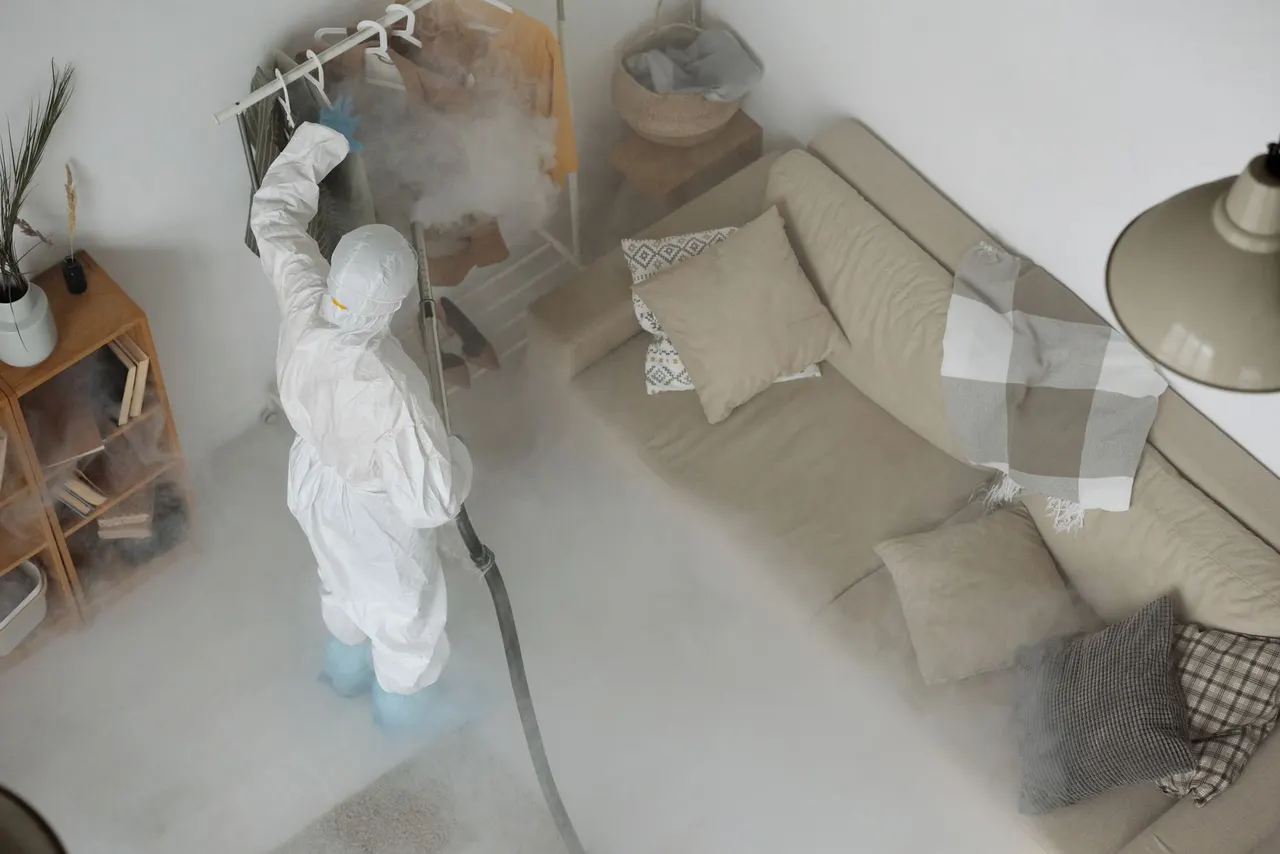
Before we pack up, we re-check moisture levels with a hygrometer and take clearance samples. You get a photo log of the before and after, the product data sheets, and a plain-language summary of what we found and what we did. Final walkthrough takes about 20 minutes.

Move across a circle, or focus it and press Enter, for an illustrative thermal view of the photograph.
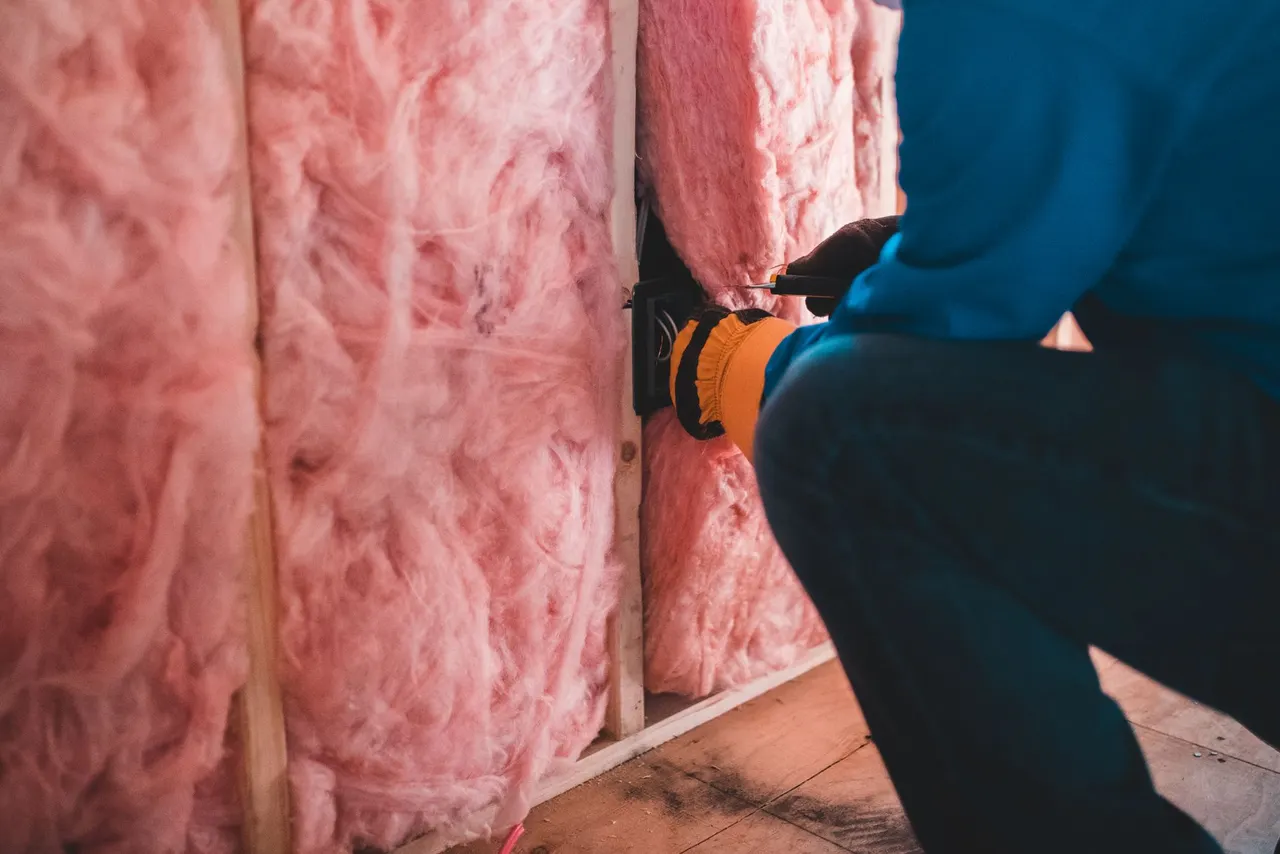
Reads moisture content in duct insulation, sheathing and framing so we know exactly where the water is coming from and when surfaces are dry enough to rebuild.

Reveals temperature differences that point to hidden moisture, disconnected runs and air leaks behind insulation without tearing the attic apart.

Lets us see inside duct runs, plenums and boots to confirm mold growth and locate disconnected or crushed sections before we commit to a scope.

Captures spores at the source during cleaning and scrubs the air inside containment so nothing escapes into your living space.

Maintains negative pressure in the containment zone so air flows into the work area, not out into the rest of the house.
Thermal views are illustrative, generated from the photographs.
Applies Concrobium, Benefect or Fiberlock products evenly across duct interiors and attic surfaces for full coverage treatment.
Drying and air-moving equipment used to bring wet duct insulation and surrounding wood back to dry standard before rebuild.
We follow IICRC protocols for containment, removal, cleaning and clearance. That means documented moisture readings, controlled demolition, HEPA filtration and post-job verification on every project.
Cleaning mold without fixing the water that fed it is a waste of money. We identify and correct the moisture source, whether it is a bath fan, roof leak, plumbing drip or crushed duct, before we close out the job.
Every job gets sealed containment and a HEPA-filtered negative air machine. Spores stay in the work zone, and your living space stays clean throughout the project.
We re-check moisture with a hygrometer and take air samples for lab analysis after remediation. You get documented proof the job is done, not just our word.
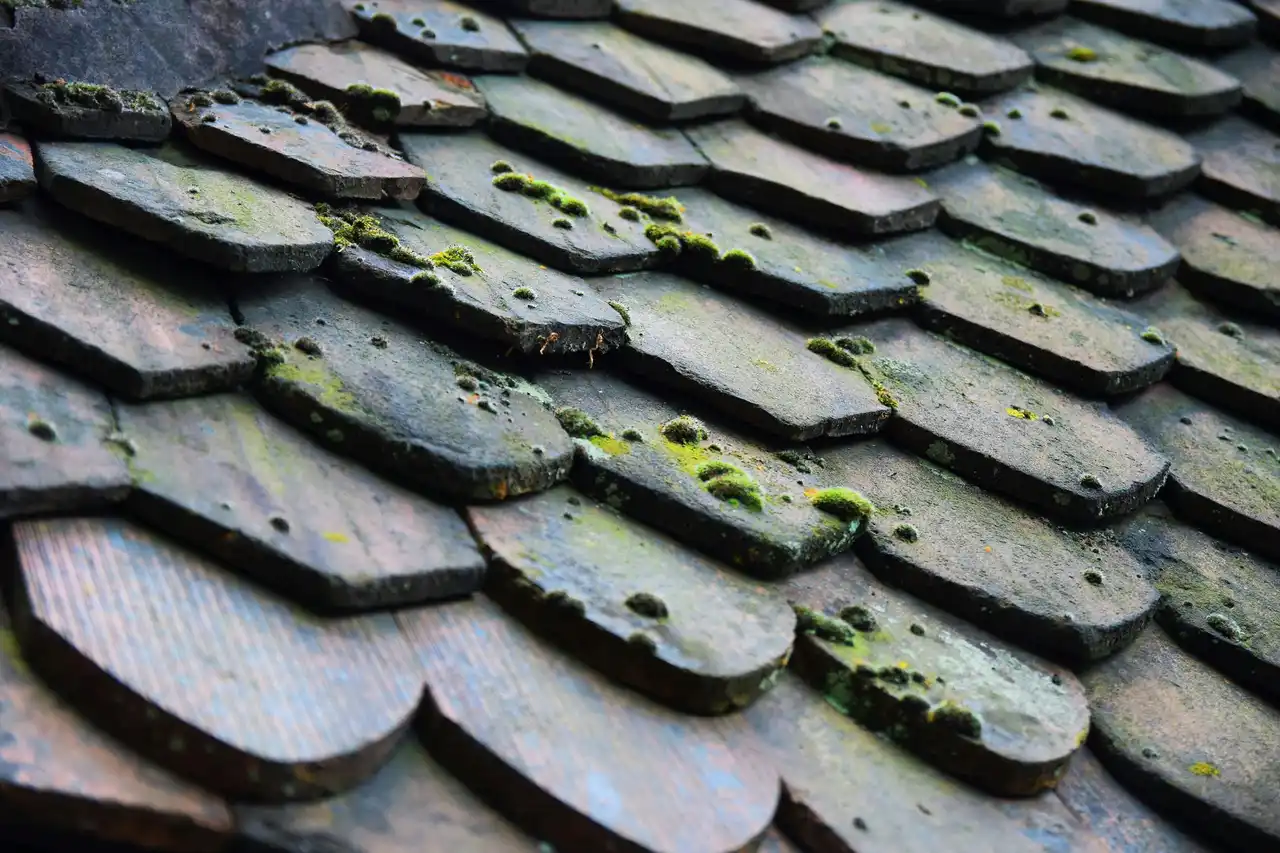
You smell musty air from the vents every time the heat or AC kicks on in your Littleton home.
We inspect the duct runs with a boroscope, take air samples, and identify which sections are contaminated. If mold is confirmed, we contain the attic, remove the affected runs, treat the hard duct and rebuild.
Outcome: Supply air smells neutral, and post-job air samples confirm spore counts are back to normal outdoor baseline.

A home inspector flagged attic duct mold during a real estate transaction in Arapahoe County.
Turnaround is usually two to four business days.
Outcome: You get a clearance letter and photo log the buyer's agent can hand to the lender, and the deal keeps moving.
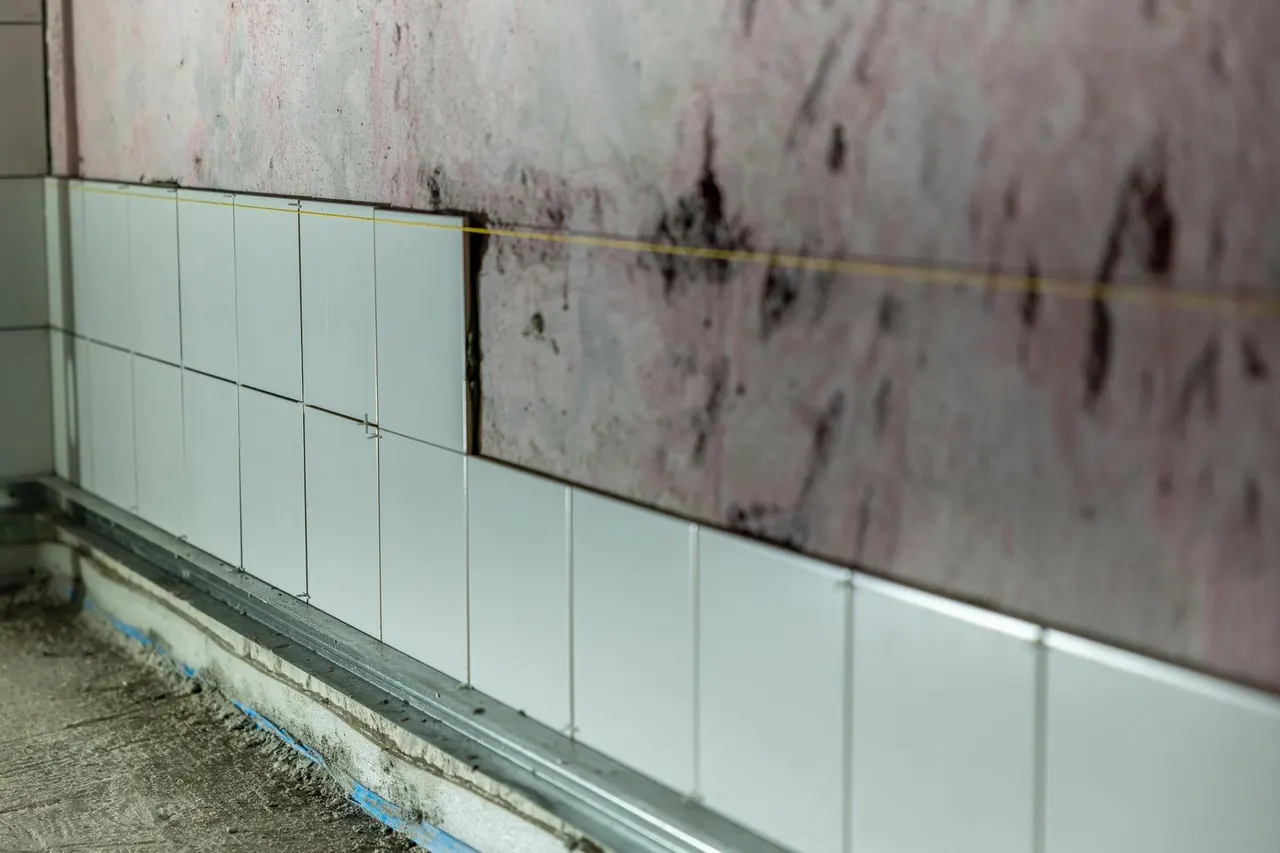
Your bath fan has been venting into the attic for years and the duct insulation is visibly wet.
We reroute the fan to a proper exterior termination, remove the wet duct and insulation, treat the surrounding wood, and rebuild with new flex sized to the fan's CFM rating.
Outcome: The attic stays dry through winter, and the moisture source that fed the mold is permanently corrected.
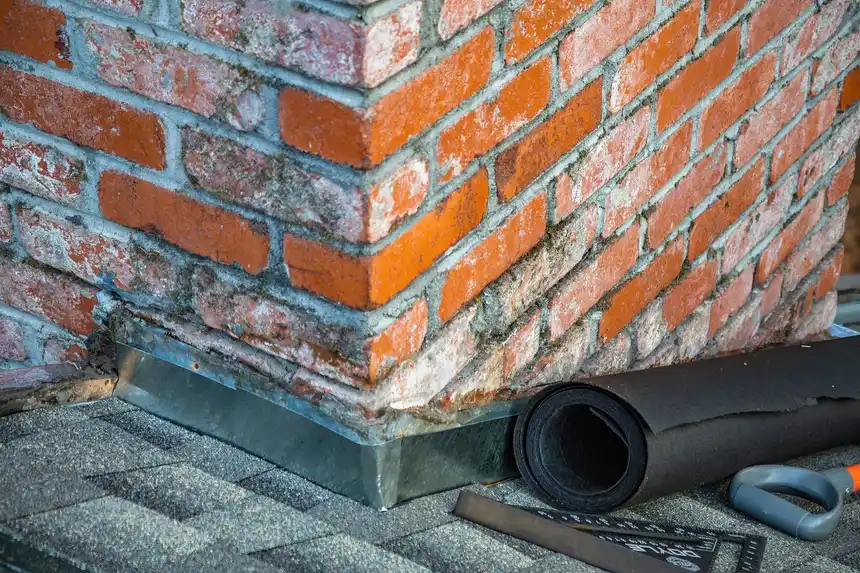
Someone in the house has asthma or allergies and mornings are consistently worse.
We run air quality testing, inspect the ductwork and attic, and prioritize source removal. Containment uses HEPA filtration and low-odor products so the house stays livable during the job.
Outcome: Post-job air samples document the reduction, and most families report easier mornings within the first week.

A storm or plumbing leak soaked the attic and you need ductwork cleared fast.
We prioritize emergency calls, set containment the same day when possible, and start removal as soon as the moisture source is controlled. Documentation is built for insurance from the first visit.
Outcome: Contamination is stopped before it spreads to sheathing and trusses, and you have records to support a claim.
Littleton sits at the edge of the foothills, and that geography drives the attic conditions we see. Summer attic temps regularly hit 130 degrees, winter nights drop well below freezing, and the daily swing pulls condensation onto cold duct jackets. Add the afternoon thunderstorms that roll off the Front Range from May through September, and any small roof leak becomes a duct mold problem fast.
Older homes near Historic Downtown Littleton and Sterne Park often have original bath fans venting into the attic, which is the single most common moisture source we find. Newer builds in Sterling Ranch and Roxborough Village tend to have tighter envelopes, so humidity from showers and cooking has nowhere to go if ventilation is undersized. We size our containment and drying plan to your attic, not a template.
If you need professional attic ductwork mold removal Littleton, Colorado homeowners trust, we will walk the space, show you what we find, and quote the job in writing before we start.

Before: Three flex runs above the master bedroom had visible black mold on the inner liner. Bath fan was venting into the attic and had been for years. Insulation around the runs was damp and the hallway smelled musty every time the furnace ran.
After: Contaminated runs removed and replaced, plenum HEPA cleaned and treated, bath fan rerouted outside, wet insulation replaced. Post-job air samples came back at outdoor baseline. Homeowner reports the hallway smell is gone.
Run the bath fan for 20 minutes after every shower and have the attic inspected once a year before summer. Keep an eye on roof vent boots after big storms.
Before: 1950s ranch with original ductwork and a roof leak at a plumbing vent boot. Water had been dripping onto the main trunk line for at least one season. Sheathing above the duct showed early mold growth and the duct jacket was saturated.
After: Roof boot repaired, contaminated duct section replaced, sheathing treated with antimicrobial and sealed, new insulation installed. Moisture readings returned to dry standard within 48 hours of drying.
Check the roof boot annually and after any hail event. Keep attic ventilation clear so humidity does not build up in shoulder seasons.
Before: Two-year-old home with a musty smell in the upstairs bedrooms. Builder-grade flex duct had condensation on the jacket and early mold growth on the liner. Undersized attic ventilation was keeping humidity high year-round.
After: Affected runs replaced, hard duct treated, additional attic ventilation installed to bring air changes up to spec. Post-job air samples clean and the musty smell cleared within a week.
Keep attic vents clear of insulation and check them each spring. If you add a bathroom or kitchen remodel, verify ventilation is sized for the new load.
Duct mold shows up in a handful of predictable ways in Colorado attics. Here are the ones we see most, and what happens if they are left alone.
Clean ductwork means cleaner air in every room of your house.
Contaminated duct runs spread spores through the whole house on every heating and cooling cycle. Once we complete attic duct mold remediation Littleton CO homeowners can feel, the supply air smells neutral and the musty edge in bedrooms and hallways is gone. Most customers notice the difference within the first day of running the system.
If someone in your house wakes up congested every morning, attic ductwork mold removal for health concerns Littleton is worth a hard look. We have cleared runs for families in Columbine and Ken Caryl who were on daily antihistamines. Removing the source beats filtering the air after the fact.
Wet duct insulation holds moisture against wood sheathing and truss ends. Left alone, that turns into sheathing mold and truss mold that costs far more to fix. Clearing the ductwork early keeps the damage contained to the runs themselves instead of the structure above your ceiling.
Mold spores pulled back through a return plenum coat the evaporator coil and blower wheel. That film cuts airflow, drives up energy bills and shortens equipment life. Clean ductwork keeps your furnace and AC running at the static pressure they were designed for.
What a written scope covers and what shapes it. Prices are set by the business after the first look.
Included
Depends on
Clear records you can keep and share.
Before and after images of every run
Air sample analysis from post-job testing
Plain-language record of work completed
Data sheets for every treatment applied
Not every duct problem is the same. The type of duct and the extent of growth determine how we handle it.
Porous inner liner that holds dust and moisture
Smooth interior that can be cleaned in place
Transition points where growth often starts
A list like this tells people straight away whether you cover their street. Not listed? Call and ask: it only takes a minute.
Based in Littleton and covering the places around it. Pick one for local details.
A single affected run with a straightforward rebuild sits at the low end. Whole-system jobs with new flex, boots and plenum treatment land at the top. We give you a written number after inspection, before any work starts.
Yes, and it happens often here. Ductwork in a Colorado attic sees 130-degree summer heat and sub-freezing winter air, and every temperature swing pulls condensation onto the foil jacket and the dust film inside. Add a bath fan venting into the attic or a small roof leak, and mold colonizes the liner within days. Flex duct with a porous inner liner is the most common problem we find.
We contain the work area with negative air, remove contaminated flex runs, HEPA vacuum and brush the hard duct and plenums, then apply an antimicrobial treatment to every cleaned surface. Wet insulation comes out with the duct. After rebuild we verify moisture with a hygrometer and take clearance samples so you have documentation the job is done.
Not always. Hard metal duct and plenums can usually be cleaned and treated in place. Flex duct with a moldy porous liner almost always gets replaced, because the growth is inside the material and no amount of cleaning reaches it. On a typical Littleton job we replace the affected flex runs and keep the trunk lines, which keeps the cost down.
Other services from the same team.
If your ducts smell musty or your attic has been wet, call (720) 953-3834. We inspect, explain what we find, and give you a written price before any work starts. Most Littleton jobs are scheduled within a few days.
Call (720) 953-3834 or email us and we will schedule an attic inspection, usually within a day or two. We work Monday through Friday, 8am to 6pm, and we answer the phone ourselves. If you have a leak or storm damage, tell us and we will prioritize the call.