For homes
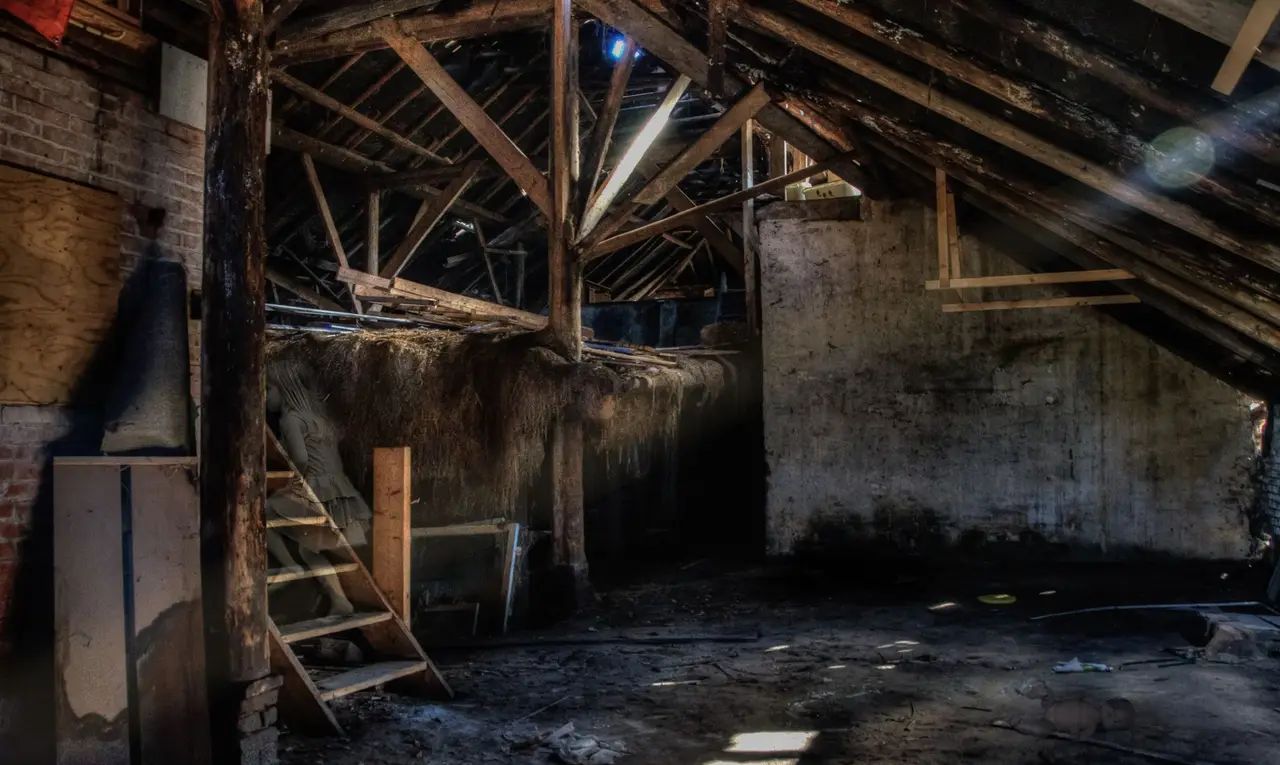
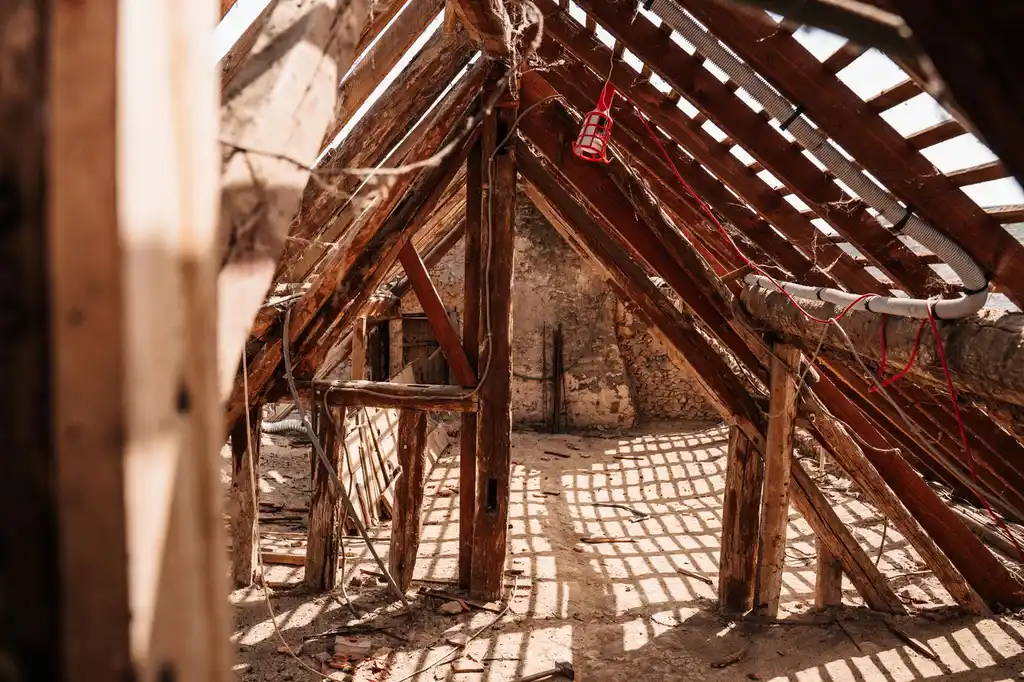
We work in attics across Littleton every week, from older ranches to newer builds. You get containment, HEPA filtration, and a walkthrough before we leave.
- Musty smell upstairs
- Inspector flagged attic mold
- Roof leak after a storm
Attic Mold Removal in Littleton starts with finding why moisture is getting in, not just spraying what you can see. We inspect the sheathing, trusses, and insulation, then remove the growth and fix the roof leak or ventilation problem feeding it. If you've spotted black mold, smelled that musty odor upstairs, or a home inspector flagged the attic, call (720) 953-3834.
 Moisture mappedContainment sealedAir verified
Every job includes the core steps needed to remove mold and fix the cause. Depending on what we find, additional work like roof repair or duct cleaning may be needed. We tell you upfront what is included and what is not, so there are no surprises.

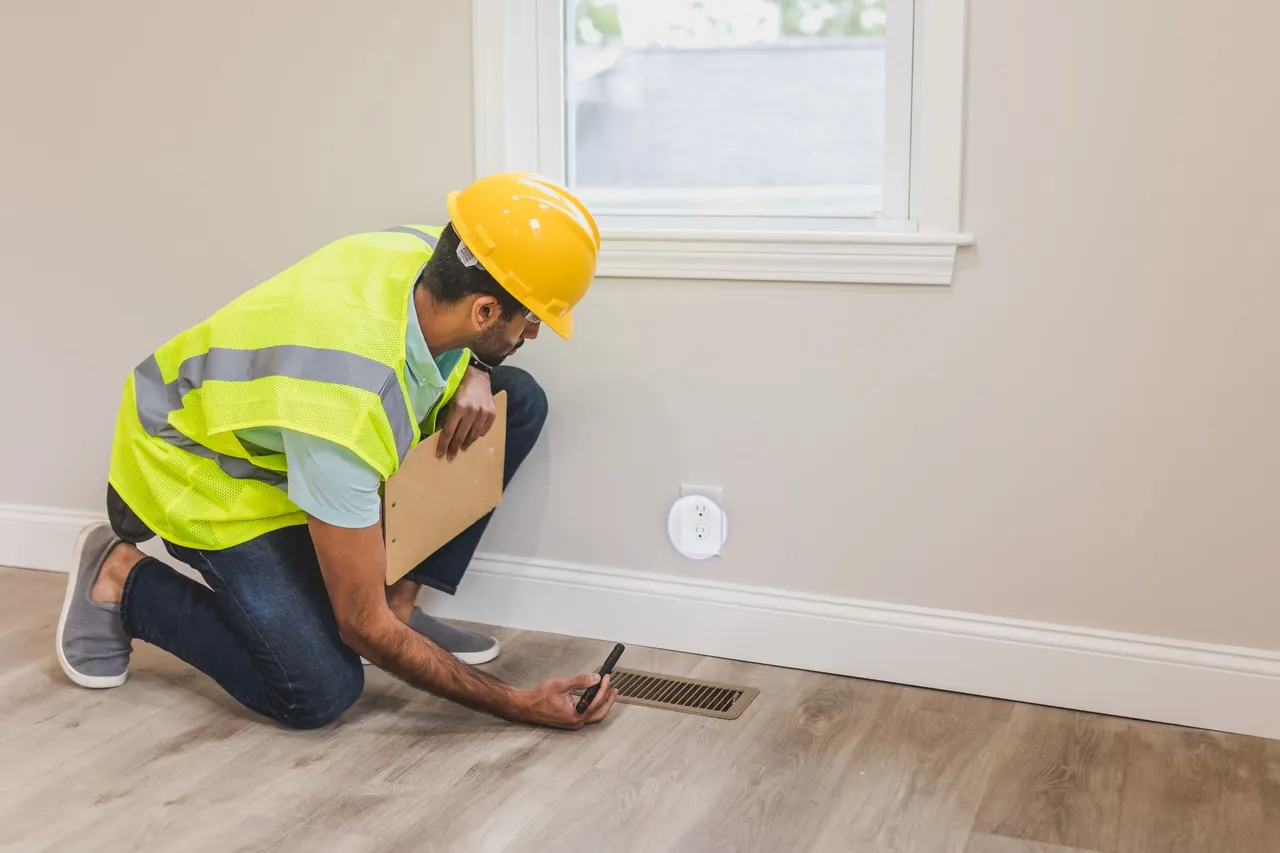
We use moisture meters, thermal imaging cameras, and boroscopes to find all mold growth and trace it back to the water source. This takes 45 to 90 minutes and includes a written summary.
We seal the attic from living space and run negative air machines with HEPA filters to keep spores from spreading. Air scrubbers run throughout the job.
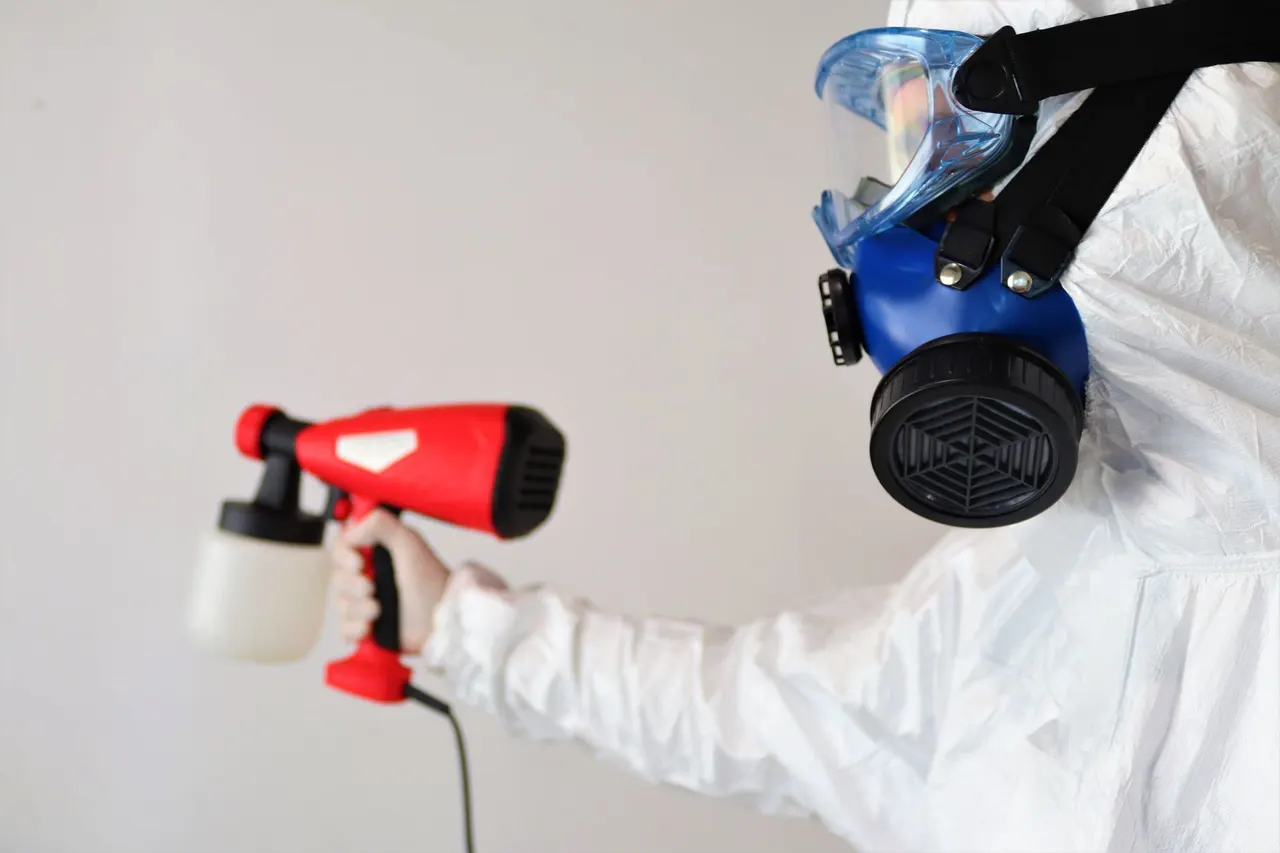
We HEPA vacuum affected surfaces, remove contaminated insulation, and treat wood with EPA-registered antimicrobial products. All debris is bagged and disposed of properly.
We fix roof leaks, replace failed ventilation fans, and correct airflow problems. This is the step that prevents mold from returning.
Final moisture readings, before-and-after photos, and a written summary of the work. This documentation supports insurance claims and real estate transactions.
The approach is the same for a home and a business. What changes is the access, the schedule and who needs the paperwork.
We work in attics across Littleton every week, from older ranches to newer builds. You get containment, HEPA filtration, and a walkthrough before we leave.
Property managers and owners need fast turnaround and clear records. We document every step and work around your schedule to minimize disruption.
A plain-language look at what Attic Mold Removal involves and when it is needed.
See how it worksAttic Mold Removal in Littleton is the process of containing, removing, and cleaning mold growth from roof sheathing, trusses, insulation, and ductwork, then correcting the moisture source that caused it. It is not a spray-and-walk-away job. We set up containment, run a negative air machine with a HEPA vacuum, treat affected wood with an antimicrobial spray, and remove insulation that cannot be saved. Every step is documented with photos and moisture readings so you can see exactly what changed.
Most Littleton attics we open have the same story: a roof leak, poor attic ventilation, or condensation from a bath fan dumping warm air into a cold space. Mold grows fast in those conditions, and it does not stop at the surface. If you've been searching for attic mold removal near me Littleton and getting vague answers, we'll tell you what we find and what it takes to fix it. Call (720) 953-3834 for a same-day look.
Attic mold removal fixes the moisture source and removes the growth so it does not come back.

Every job follows the same five steps, whether it is a small patch of sheathing mold or full attic decontamination. Here is what you can expect from the first call to the final walkthrough.
We start with a moisture meter, hygrometer, and thermal imaging camera to map where water is entering and how far mold has spread. A boroscope lets us check behind insulation and inside ductwork without tearing anything apart. This takes 45 to 90 minutes and you get a clear explanation of what we found.
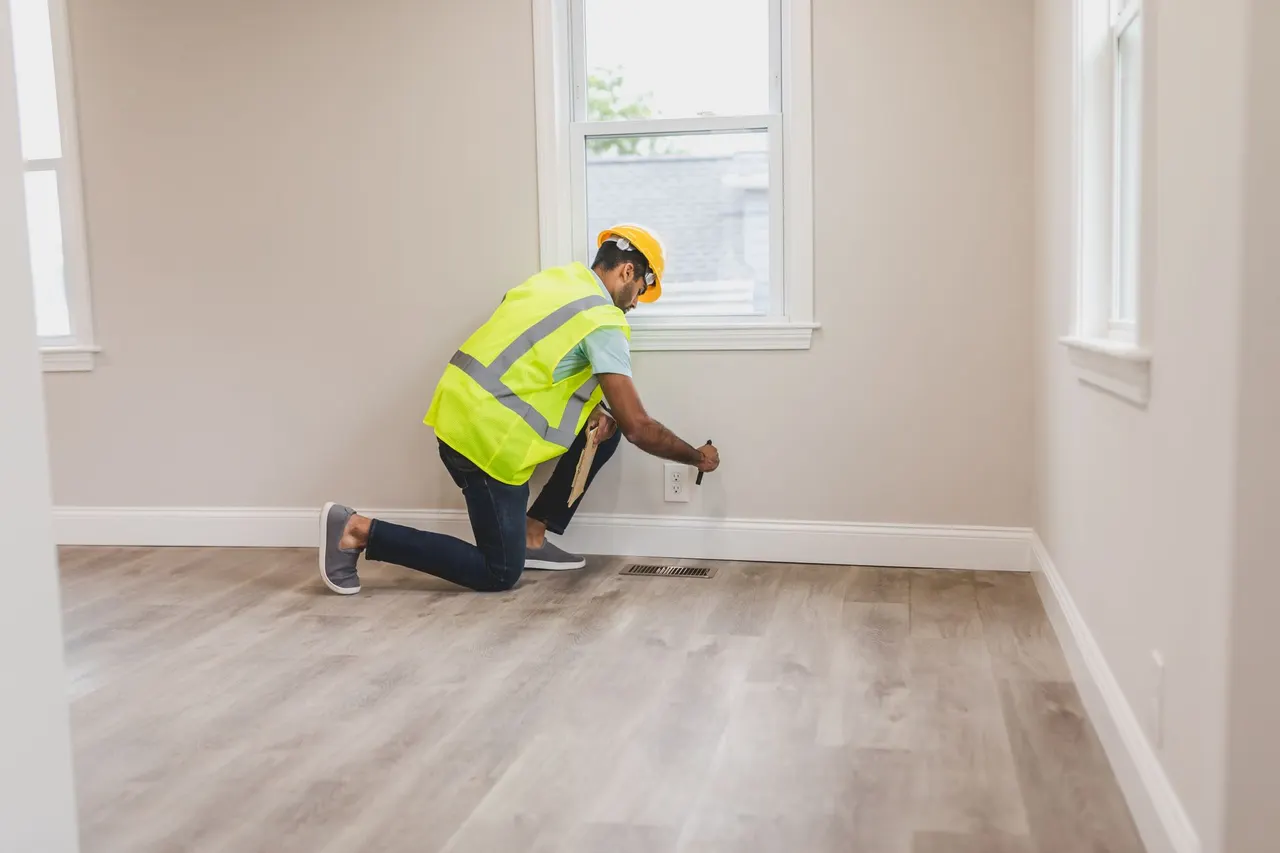
Before any removal begins, we seal off the attic from living space with plastic sheeting and run a negative air machine to keep spores from drifting into bedrooms. Air scrubbers with HEPA filtration run the entire time. This step protects your family and your furniture.
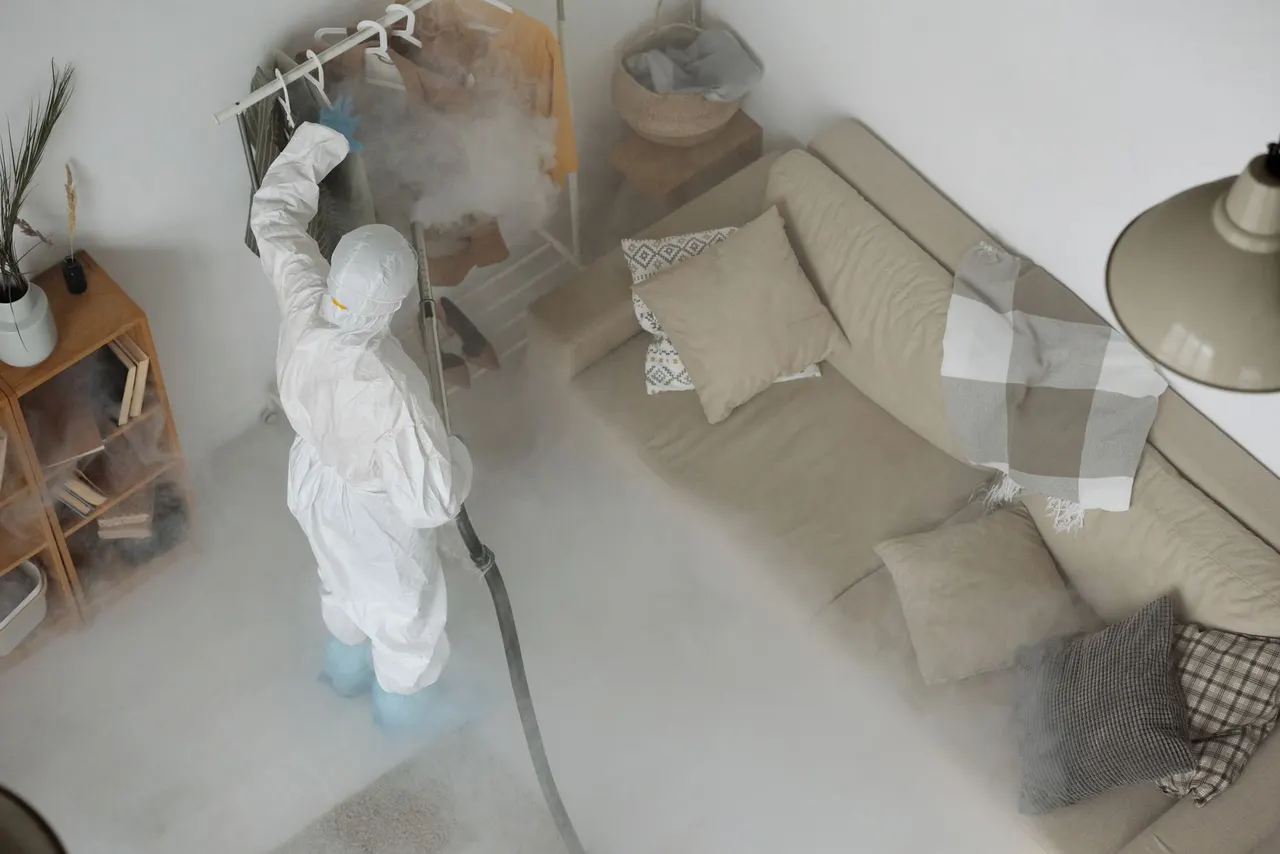
We HEPA vacuum affected surfaces, remove mold-damaged insulation, and treat wood sheathing and trusses with antimicrobial spray. Products like Concrobium and Benefect are used where appropriate. Depending on severity, this takes four hours to two days.

Our team repairs roof leaks, replaces failed ventilation fans, and corrects intake or exhaust imbalances. If ductwork is contaminated, we clean or replace affected sections. This is the step that keeps mold from coming back.
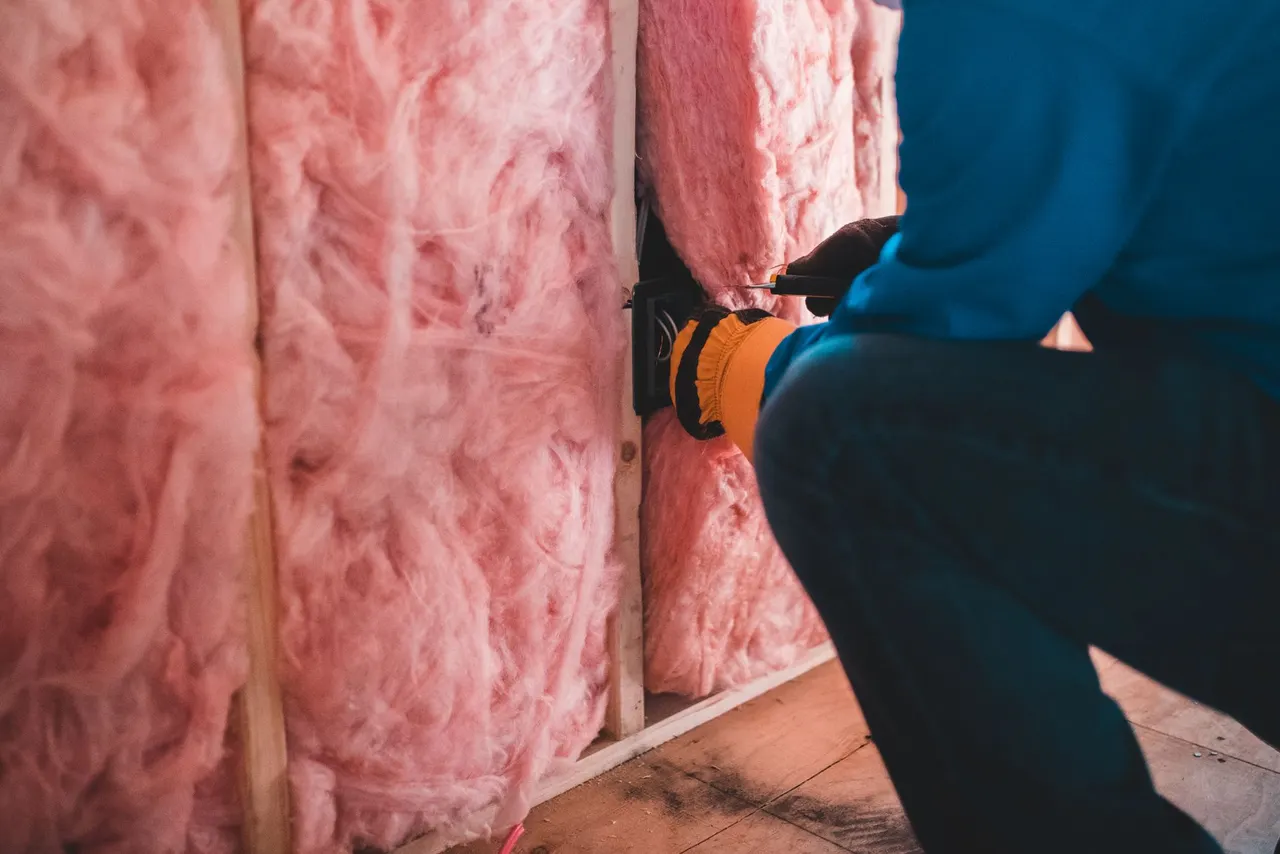
We take final moisture readings, confirm the attic is dry, and walk you through before-and-after photos. You get a written summary of what was done and what to watch for. Most jobs wrap in one to three days.
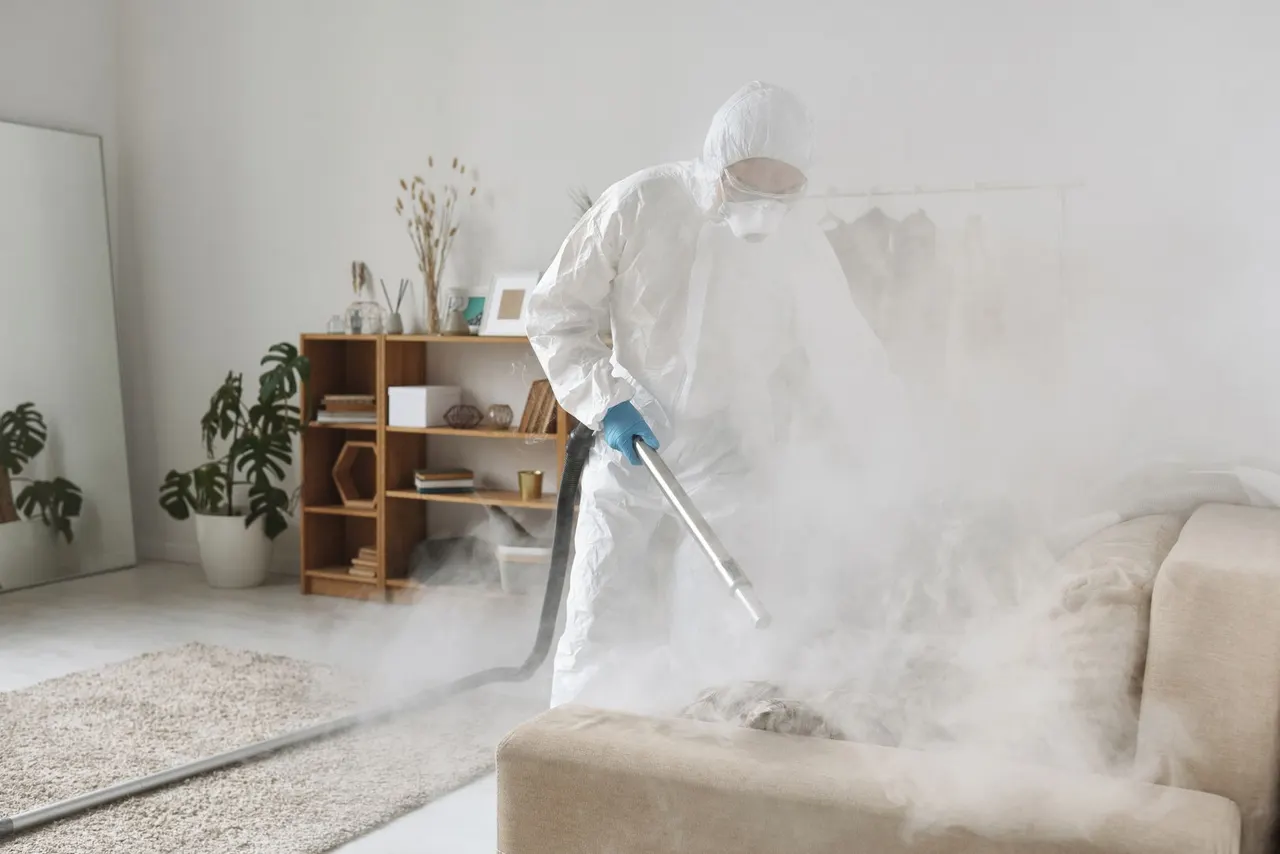
Move across a circle, or focus it and press Enter, for an illustrative thermal view of the photograph.

Measure moisture content in wood and humidity levels in the attic. These readings tell us where water is coming from and whether the space is dry enough to finish.
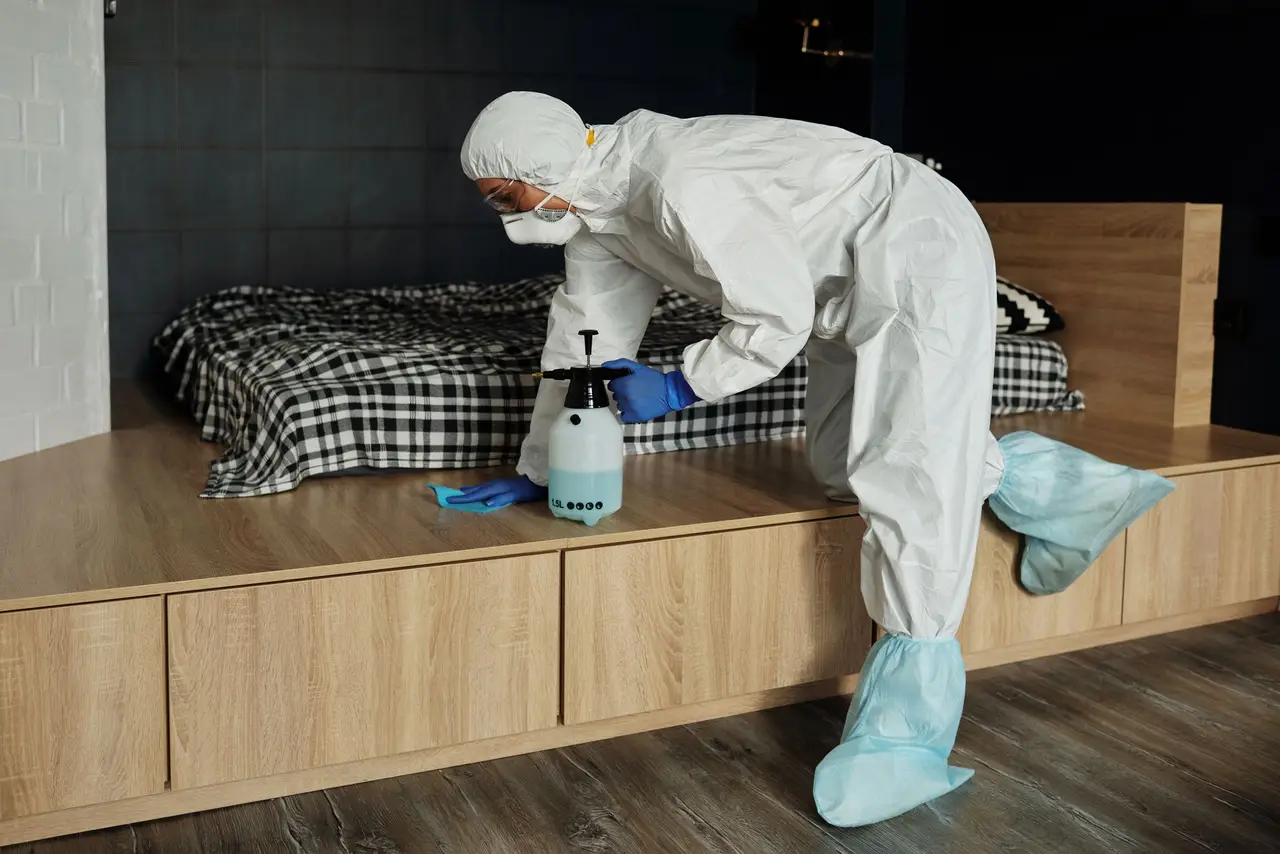
Reveals temperature differences that indicate hidden moisture, roof leaks, or missing insulation. We use it to find problems behind walls and under insulation.

A small camera on a flexible rod that lets us inspect inside ductwork, behind insulation, and in tight spaces without tearing anything apart.
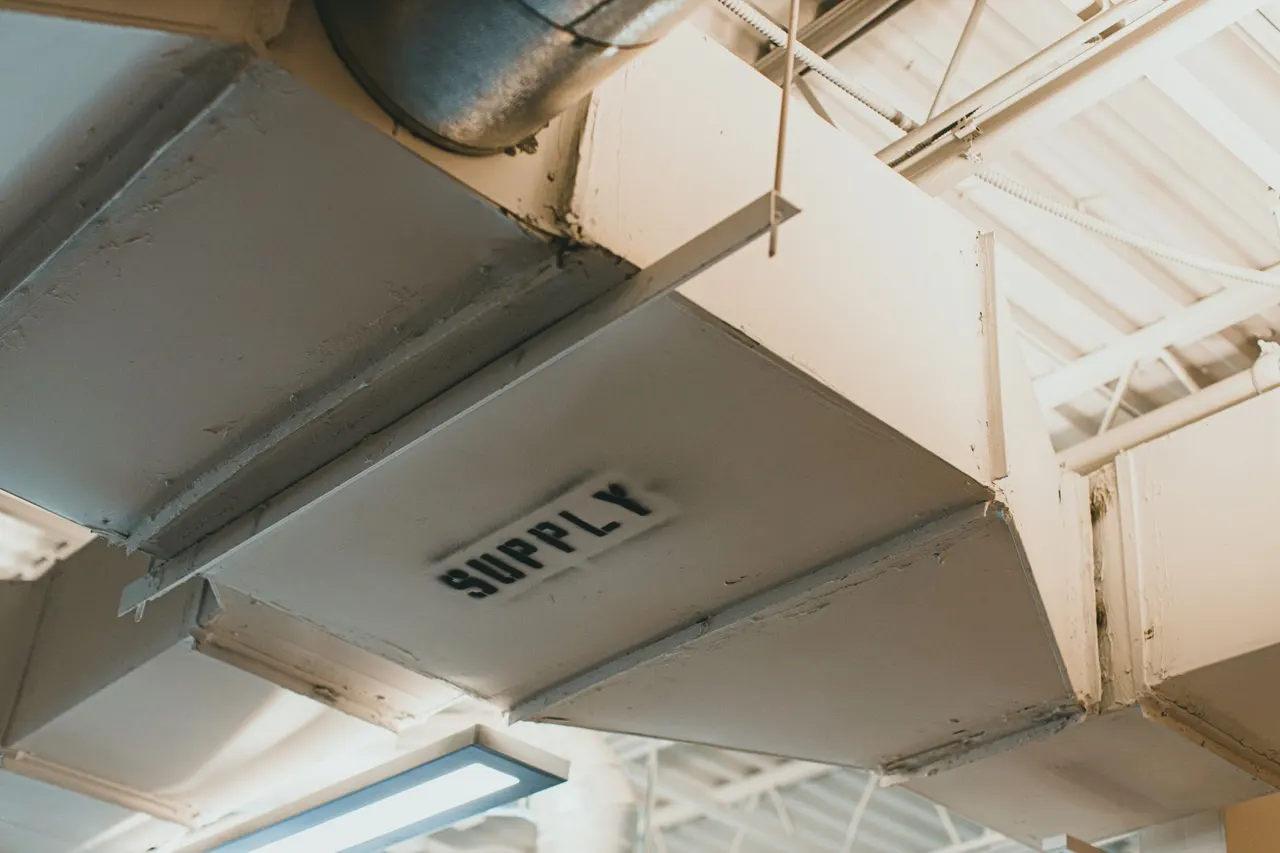
Capture mold spores and fine particles. HEPA filtration is required for proper remediation and keeps spores from spreading during removal.
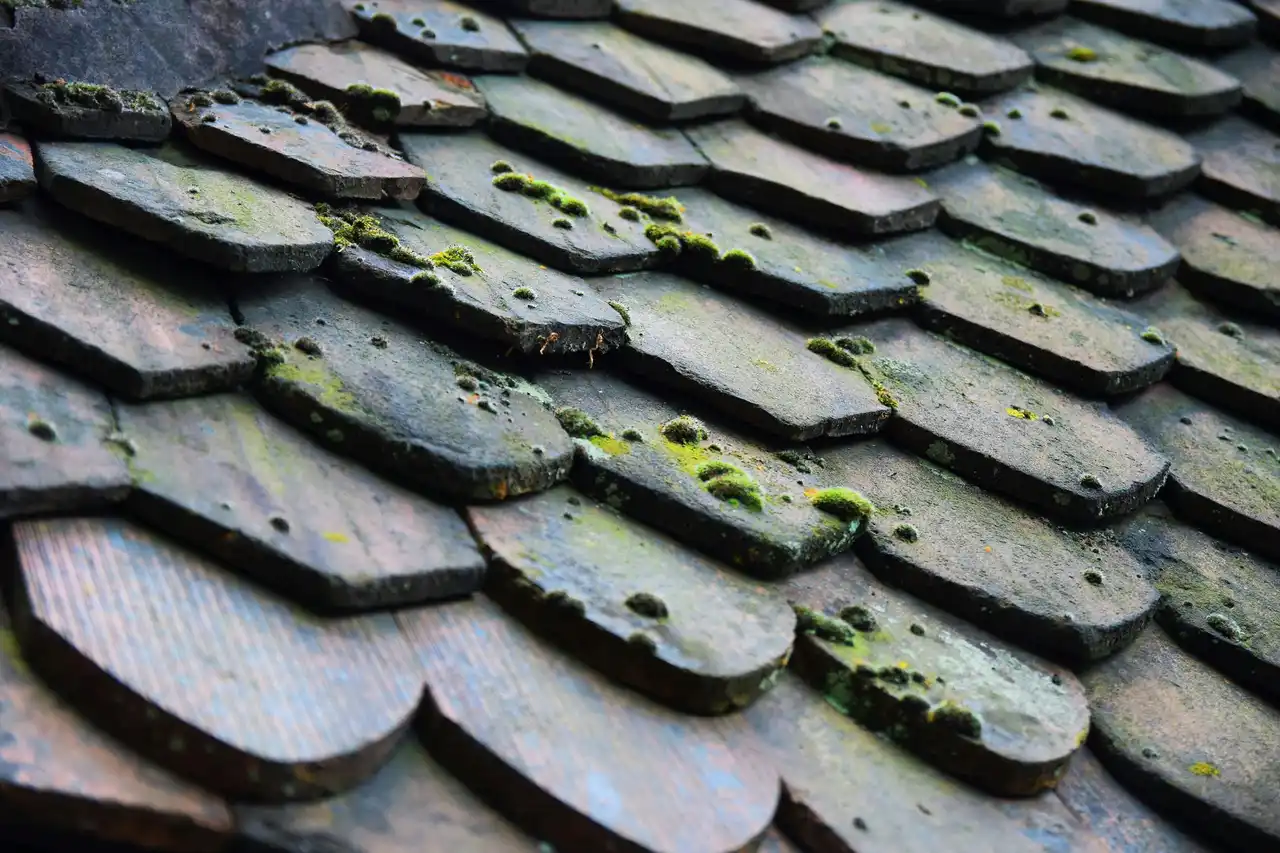
Creates negative pressure in the containment area so spores cannot escape into living space. This protects your home during the job.
Thermal views are illustrative, generated from the photographs.
Applies antimicrobial products evenly across large surface areas. Used for final treatment after removal.
We follow IICRC guidelines for containment, removal, cleaning, and verification. This is the industry standard for mold remediation and is recognized by insurers and inspectors.
We use products like Concrobium, Benefect, and RMR-86 where appropriate. These are registered with the EPA for mold treatment and are safe for residential use when applied correctly.
We seal the attic from living space with plastic sheeting and maintain negative pressure throughout the job. This keeps spores out of your home and protects your family.
Removing mold without fixing the moisture source is a temporary fix. We repair leaks, improve ventilation, and correct airflow so mold does not return.
We take final moisture readings and photos, and provide a written summary. This documentation supports insurance claims, real estate transactions, and your own records.

A home inspector flagged attic mold during a real estate transaction in Littleton
We inspect the same day, document the extent with photos and moisture readings, and provide a written scope of work. If remediation is needed, we schedule it quickly to keep the closing on track.
Outcome: The buyer gets a clean attic, the seller gets documentation, and the deal closes without delay.
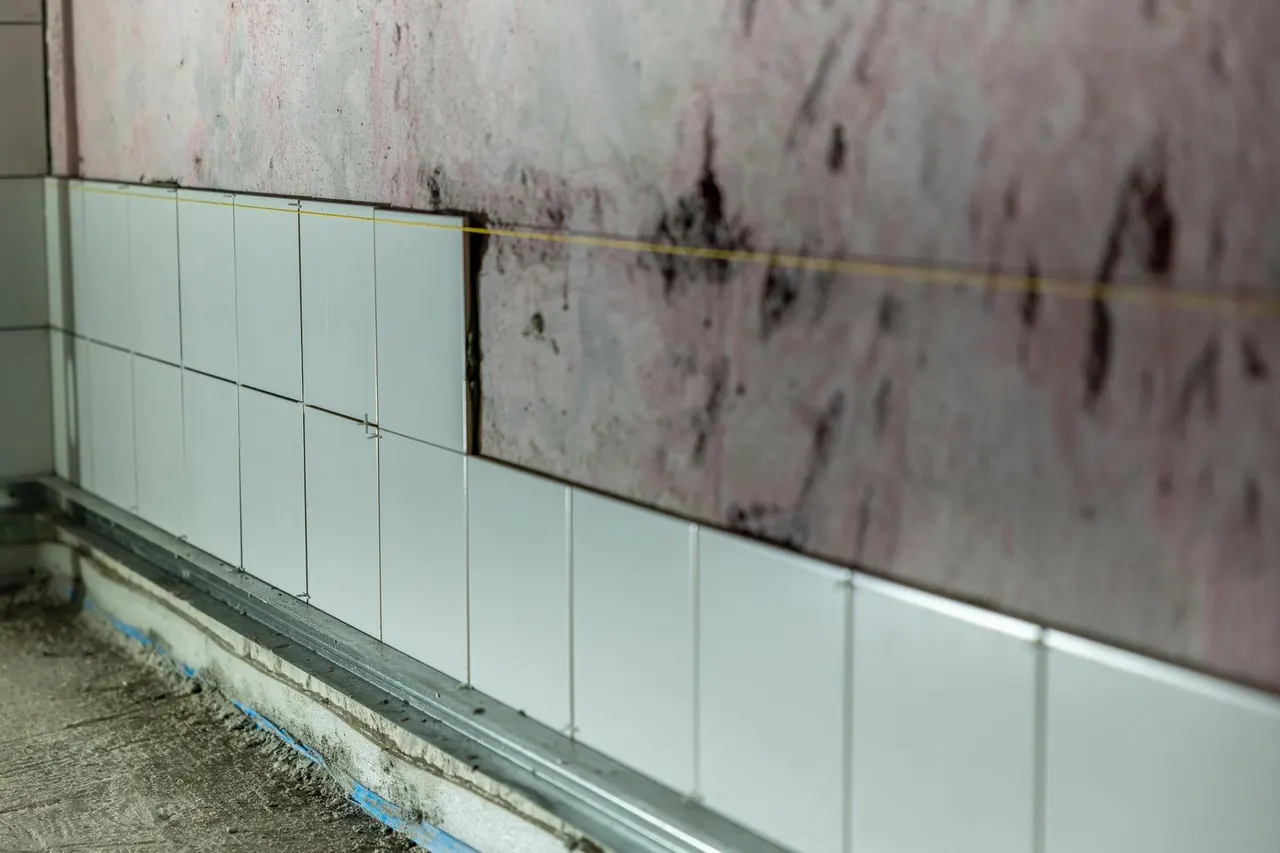
You notice a musty smell upstairs that gets worse in winter
We use thermal imaging and moisture meters to find the source, which is often condensation on cold sheathing or a hidden roof leak. We remove the mold, fix the moisture problem, and verify air quality.
Outcome: The smell is gone, air quality improves, and you can use the upstairs space without worrying about mold.
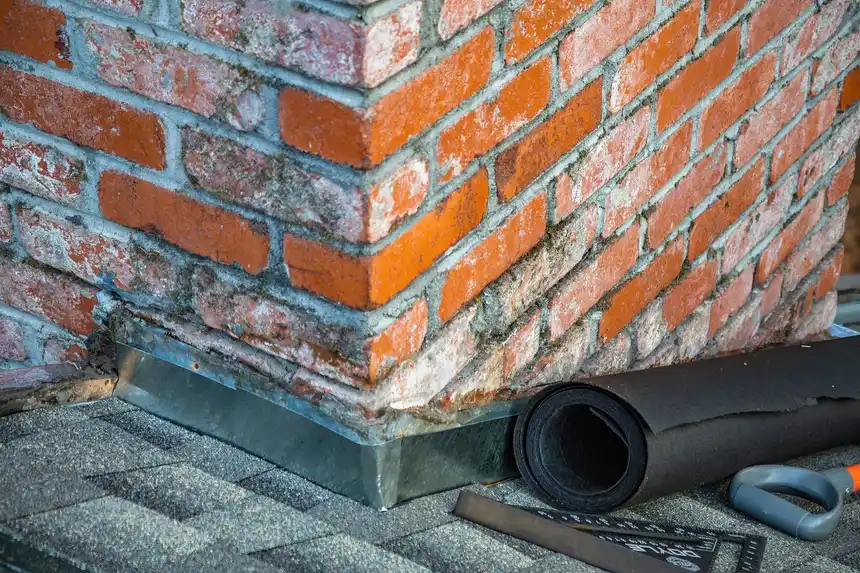
A roof leak after a storm soaked your attic insulation
We respond quickly to stop the spread, remove wet insulation, treat affected wood, and repair the roof. Fast action prevents mold from taking hold.
Outcome: Your attic is dry, mold-free, and your insurance claim is supported with full documentation.

Your tenant in a Littleton rental property complains about musty odors
We inspect, identify the cause, and complete remediation with minimal disruption. We provide all documentation for your records and coordinate with the tenant.
You have allergies or asthma and suspect attic mold is making it worse
We test air quality, locate the mold, and remediate with strict containment and HEPA filtration. We test again after to confirm spore counts are reduced.
Outcome: You breathe easier, symptoms improve, and you have proof the air is clean.

Littleton sits in Arapahoe County along the Front Range, where freeze-thaw cycles, afternoon thunderstorms, and dry winter air create specific attic moisture problems. Older homes near Historic Downtown Littleton and Sterne Park often have undersized ventilation and bath fans that vent into the attic, while newer builds in Sterling Ranch and Ken Caryl can have roof leaks from hail or wind damage.
We see the same pattern repeatedly: moisture gets in, insulation hides it, and mold grows on the north sheathing where it stays coldest. If you need professional attic mold removal Littleton, Colorado, we know what to look for in each neighborhood. Call (720) 953-3834.

Before: A homeowner noticed a musty smell in an upstairs bedroom. Inspection revealed black mold covering 200 square feet of roof sheathing and trusses. The cause was a roof leak from a damaged flashing that had been leaking for months.
After: We repaired the flashing, removed all mold, treated the wood with antimicrobial products, and replaced contaminated insulation. Final moisture readings confirmed the attic was dry. Air quality tests showed spore counts back to normal levels.
We recommended annual roof inspections and added a ridge vent to improve airflow. The homeowner checks the attic twice a year and has had no recurrence.
Before: A 1955 ranch home had mold on the north sheathing from years of poor ventilation. The bath fan was venting directly into the attic, adding moisture every day. Insulation was saturated and had to be removed.
After: We rerouted the bath fan to the exterior, installed proper soffit and ridge vents, removed all mold, and replaced the insulation with mold-resistant material. The attic now stays dry year-round.
The homeowner runs a dehumidifier in humid months and checks the attic each spring. No mold has returned in two years.
Before: A summer hailstorm damaged roof vents and allowed water into the attic. Within a week, mold began growing on sheathing and trusses. The homeowner called us for emergency service.
After: We responded the same day, contained the area, removed affected materials, treated the wood, and repaired the damaged vents. The insurance claim was approved with our documentation. The attic was clean and dry within three days.
We recommended a roof inspection after every major hailstorm. The homeowner now schedules annual checks to catch problems early.
Most attic mold comes from one of a few common causes. Here is what we see most often and how we fix it.
A dry, mold-free attic with documentation to prove it.
We do not treat mold and leave the leak. Our team traces moisture back to roof leaks, failed ventilation fans, or blocked soffit vents, then repairs or reroutes what is feeding the growth. Without that step, mold returns within one heating season.
Spores from attic growth pull into living space through ductwork gaps and ceiling penetrations. After attic mold cleanup services Littleton, homeowners with allergies or asthma often notice less coughing and fewer morning headaches within a week.
If you are selling, buying, or refinancing, a lender or buyer's inspector will flag attic mold.
Fiberglass and cellulose insulation soak up spores and cannot be cleaned. We remove contaminated insulation, dispose of it properly, and reinstall mold-resistant material so the attic performs the way it should.
What a written scope covers and what shapes it. Prices are set by the business after the first look.
Included
Depends on
Clear records you can keep and share.
Before and after images of all work
Readings taken before and after
Summary of work performed
Spore counts if testing was done
Not all attic mold is the same. Knowing what you are looking at helps you decide how urgently to act.
Light growth on sheathing or trusses
Dark growth from long-term moisture
Growth under insulation or in ducts
A list like this tells people straight away whether you cover their street. Not listed? Call and ask: it only takes a minute.
Based in Littleton and covering the places around it. Pick one for local details.
We provide a written quote after inspection, so you know the number before we start.
A typical attic takes one to three days from containment setup to final walkthrough. Small jobs with limited growth can wrap in four to six hours. Larger attics with contaminated insulation, ductwork, or truss mold may take three to five days. We give you a realistic timeline after the inspection, not a guess.
In most cases, no. Because we seal the attic with containment barriers and run negative air machines, spores stay out of your living space. You can stay home during the work. If growth is extensive or someone in the home has severe asthma or a compromised immune system, we will discuss whether temporary relocation makes sense.
It depends on the cause. If mold grew from a sudden covered event like a burst pipe or storm-related roof leak, most Colorado policies cover remediation. If it came from long-term neglect or poor ventilation, it is usually excluded. We document the moisture source and provide photos and readings to support your claim.
Other services from the same team.
If you have seen black mold, smelled something musty upstairs, or had an inspector flag your attic, do not wait. Mold spreads fast and the repair bill grows with it. Call (720) 953-3834 for a same-day inspection and a written quote.
Call (720) 953-3834 or email us and we will schedule an attic inspection, usually within a day or two. We work Monday through Friday, 8am to 6pm, and we answer the phone ourselves. If you have a leak or storm damage, tell us and we will prioritize the call.