For Homes
We treat sheathing mold in houses across Littleton and verify the deck is dry before we leave. You get photos and a clear summary of the repairs.
- Mold above the bathroom
- Roof leak on the deck
- Musty smell upstairs
Attic Roof Sheathing Mold Removal Littleton CO starts with finding the moisture source, not just scrubbing the stain. We treat wood sheathing, trusses and insulation across Arapahoe County, then verify the attic is dry. If you have seen black mold on your roof deck, call (720) 953-3834 for a same-day look.
 Moisture mappedContainment firstDry verified
Every job includes the inspection, containment, mold treatment on the sheathing, moisture source repair, and a final dry verification with photos. Insulation replacement and ventilation upgrades are quoted separately when the attic needs them. You get one written scope before work starts, so there are no surprise line items.
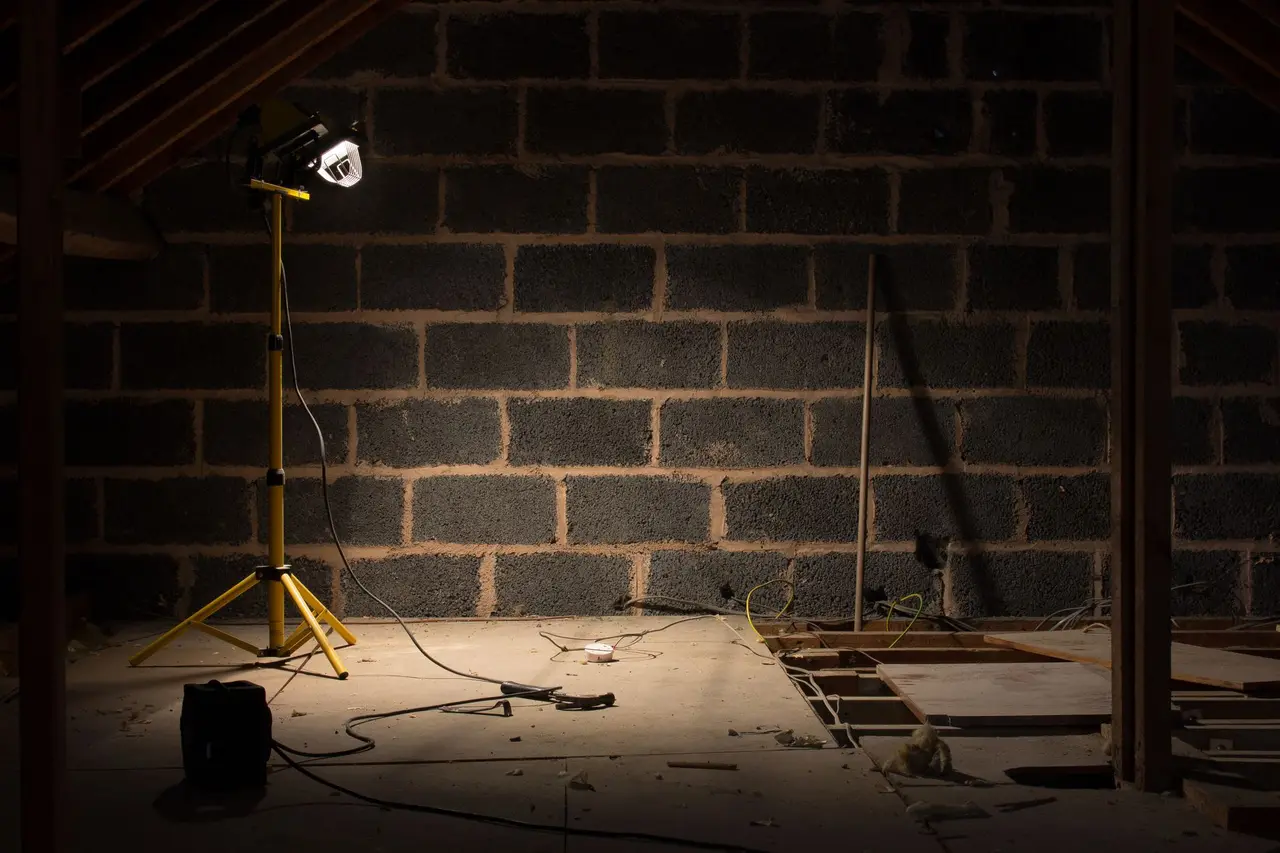
We map mold on sheathing, trusses and ductwork with a moisture meter and thermal imaging camera, then trace the water source. You get photos and a plain-language summary of what we found.
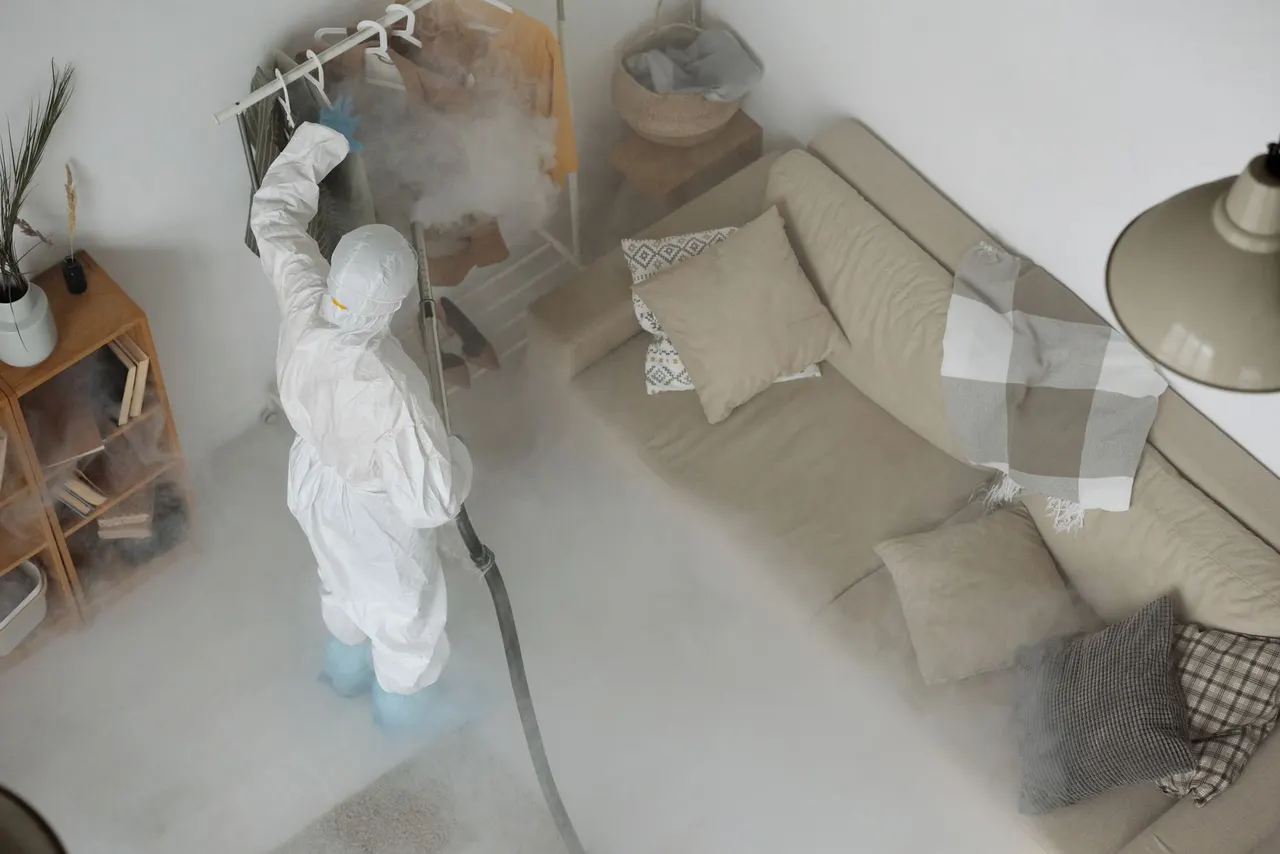
Plastic containment at the attic access plus a negative air machine and HEPA vacuum keep spores out of your living space while we work. Setup takes about 30 to 45 minutes.
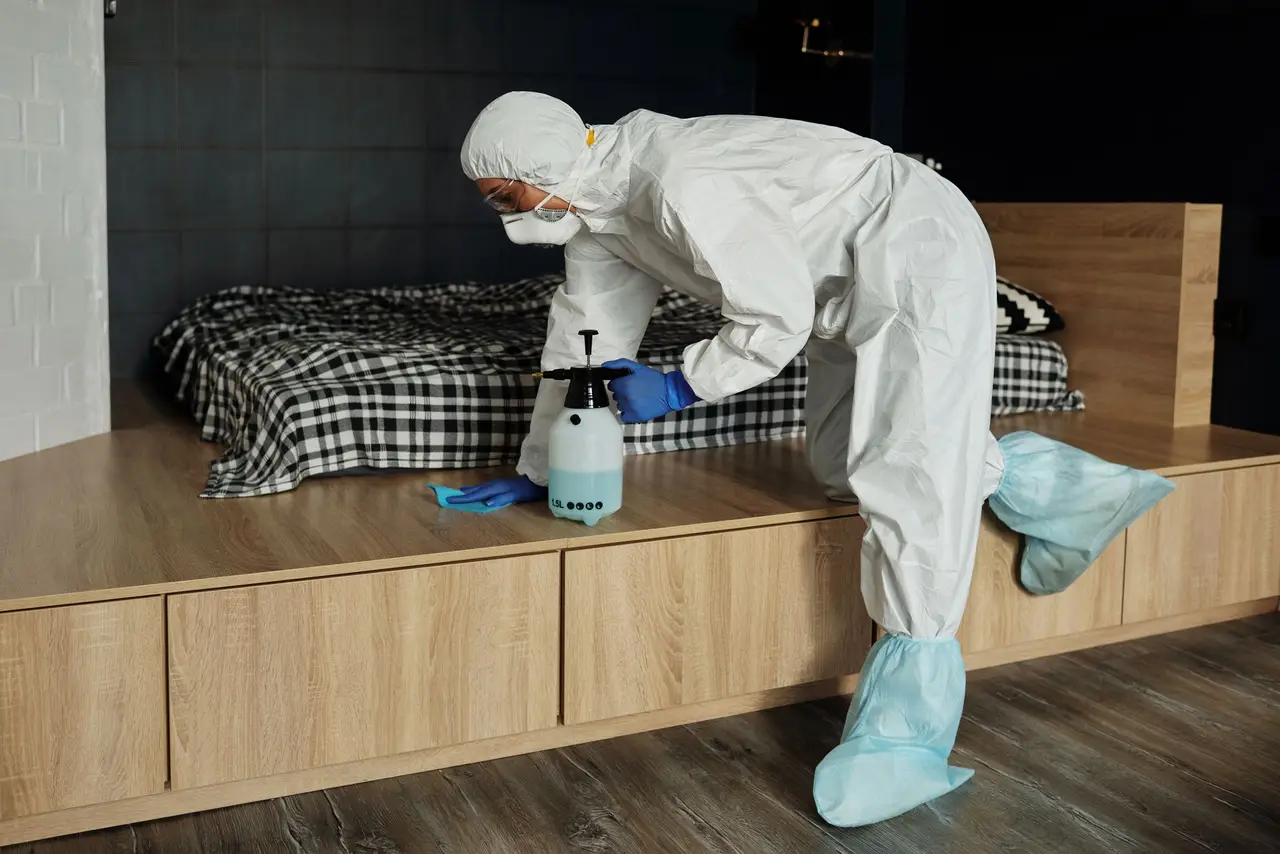
We HEPA vacuum loose spores, apply antimicrobial spray, and treat the wood with products like Concrobium or Benefect. Heavy black mold on roof sheathing gets a targeted second pass.
Roof leaks, bath fan ducting and blocked soffit vents get corrected as part of the job. Without this step, treated sheathing grows mold again the next cold season.
We re-check the deck with a moisture meter and confirm readings match normal seasonal levels. You receive a photo log showing before and after conditions.
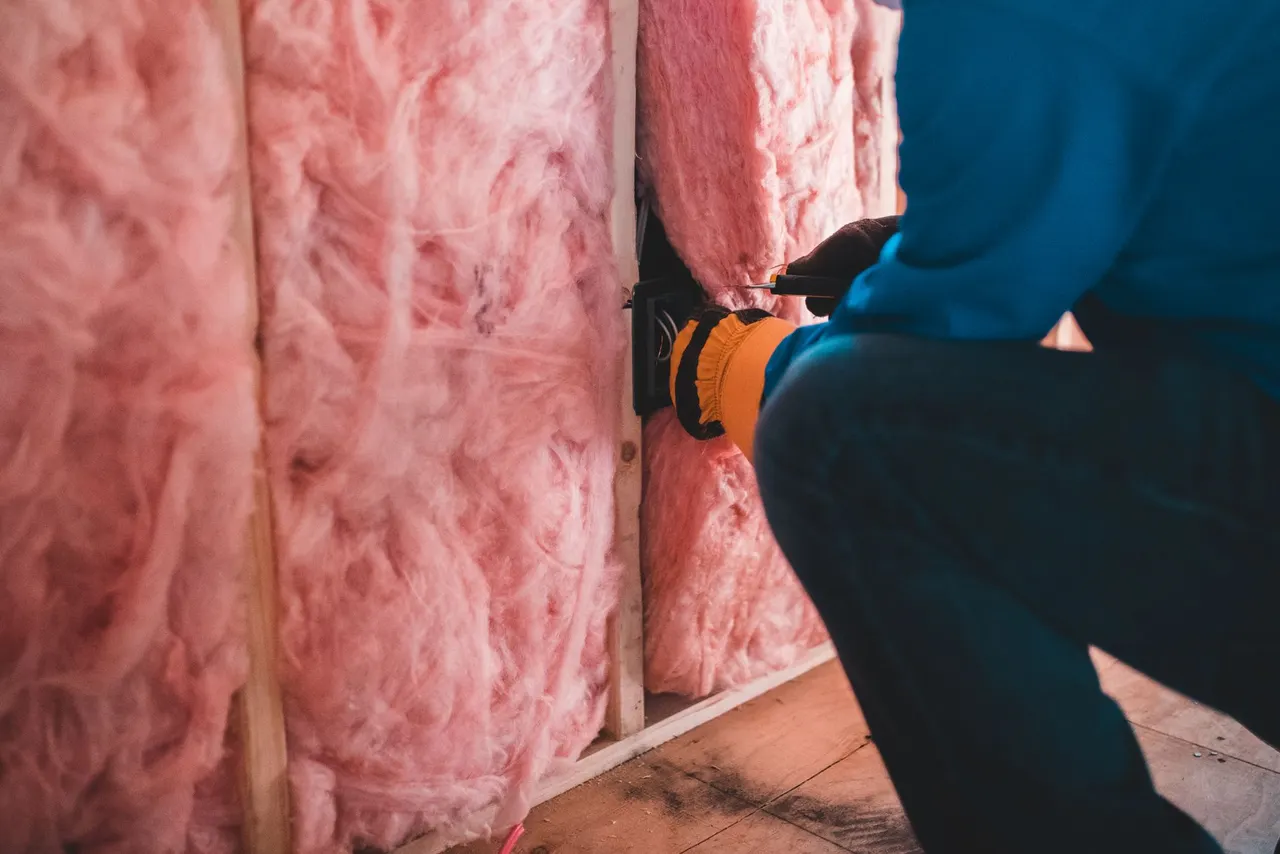
Contaminated fiberglass or cellulose insulation is bagged under containment and removed. We install new insulation at the correct depth for your Littleton attic before finishing.
The approach is the same for a home and a business. What changes is the access, the schedule and who needs the paperwork.
We treat sheathing mold in houses across Littleton and verify the deck is dry before we leave. You get photos and a clear summary of the repairs.
We handle attic sheathing mold for offices, retail and multi-family buildings in Littleton. Work is scheduled around tenants with containment in place.
A plain-language look at what Attic Roof Sheathing Mold Removal involves and when it is needed.
See how it worksAttic Roof Sheathing Mold Removal Littleton CO is the process of killing mold growth on the underside of your roof deck, cleaning the wood, and correcting the moisture that fed it. Roof sheathing sits above your insulation and below the shingles, so it stays cold in winter and hot in summer. When warm, moist air from the house leaks up and hits that cold deck, condensation forms and black mold colonizes the wood within days.
In Littleton, that cycle shows up in two ways. Older homes near Downtown Littleton and Historic Downtown Littleton often have bath fans venting straight into the attic, which dumps a gallon of water vapor a day onto the sheathing. Newer builds in Sterling Ranch and TrailMark are tighter, so a small roof leak or a blocked soffit vent traps humidity. If you have been searching for attic roof sheathing mold removal near me Littleton, we handle both.
Find the water, treat the sheathing, verify the deck is dry.

Every job follows the same order: find the water, stop it, remove the growth, dry the wood, and prove it is dry. Here is what you see from the first call to the final walk-through.
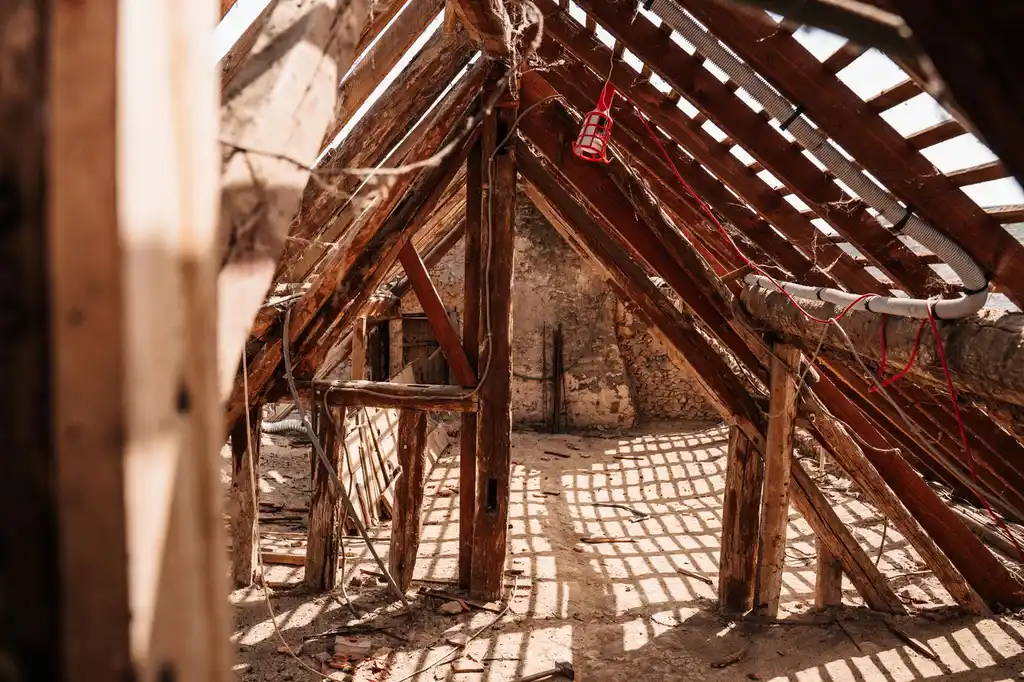
We suit up and walk the attic with a moisture meter, hygrometer and thermal imaging camera. We map every moldy area on the sheathing, check trusses and ductwork, and trace the water source. You get photos and a plain explanation of what we found and why.
Before any scrubbing starts, we seal the attic stair or hatch with plastic and run a negative air machine with a HEPA vacuum. That keeps spores from drifting into your living room. Setup usually takes 30 to 45 minutes on a standard Littleton ranch or two-story.

We HEPA-vacuum the loose spores first, then apply an antimicrobial spray and treat the wood with products like Concrobium or Benefect. Heavy black mold on roof sheathing gets a targeted treatment rather than a wet scrub that drives spores deeper into the grain.

Treatment without fixing the water is wasted money. We repair roof leaks, correct bath fan ducting, clear blocked soffit vents, and add intake or exhaust ventilation where the attic cannot breathe. This is the step that keeps mold from returning next winter.
We re-check the deck with a moisture meter and confirm readings are back to normal for the season. You get a photo log of before and after, plus notes on what we repaired. If insulation was contaminated, we schedule replacement before we close out.
Move across a circle, or focus it and press Enter, for an illustrative thermal view of the photograph.
Reads the water content in sheathing and trusses so we know exactly which boards are wet and when they are dry.
Shows temperature differences that reveal hidden roof leaks, missing insulation and air leaks before we open anything up.

Pulls loose mold spores off sheathing and truss surfaces without spreading them through the attic air.
Keeps the attic under negative pressure during removal so spores cannot drift into your living space.
Filters airborne spores continuously during the job and clears musty odors before we pack up.
Thermal views are illustrative, generated from the photographs.
Slides into wall and roof cavities to find leak points and check sheathing condition in tight spots.
Applies a fine antimicrobial mist across sheathing, trusses and ductwork for full surface coverage.
We follow the IICRC sequence for mold work: contain, remove, clean, dry and verify. That order keeps spores from spreading and gives you a documented result you can hand to an inspector or adjuster.
After HEPA vacuuming, we apply an antimicrobial spray and treat the wood with Concrobium or Benefect. Both are used on porous surfaces like sheathing and trusses where a wet scrub would drive spores deeper.
We combine a thermal imaging camera with a moisture meter and hygrometer to map wet areas and confirm the source. This is how we catch a second leak that a visual inspection would miss.
We balance intake and exhaust so air moves from soffit to ridge. Correct ventilation keeps sheathing above the dew point, which is what stops mold from returning after treatment.

A 1960s ranch near Sterne Park with a bath fan that has vented into the attic since it was built.
We inspect the deck, contain the space, treat the sheathing with antimicrobial spray, and reroute the fan duct through the roof with insulated pipe.
Outcome: The deck reads dry on the moisture meter, the musty smell clears, and new insulation brings the attic back to full R-value.

A Sterling Ranch two-story where a roof boot leak soaked one section of sheathing over the winter.
We locate the leak with a moisture meter and boroscope, repair the boot, treat the moldy sheathing, and verify the deck dries to seasonal normal.
Outcome: The leak is fixed, the mold is gone, and the homeowner has photos for their records before the next hail season.

A Ken Caryl home going on the market where the buyer's inspector flagged attic mold.
We inspect and treat the sheathing, replace contaminated insulation, and produce a written report with before and after photos.
Outcome: The buyer signs off on the inspection objection and the closing stays on schedule.
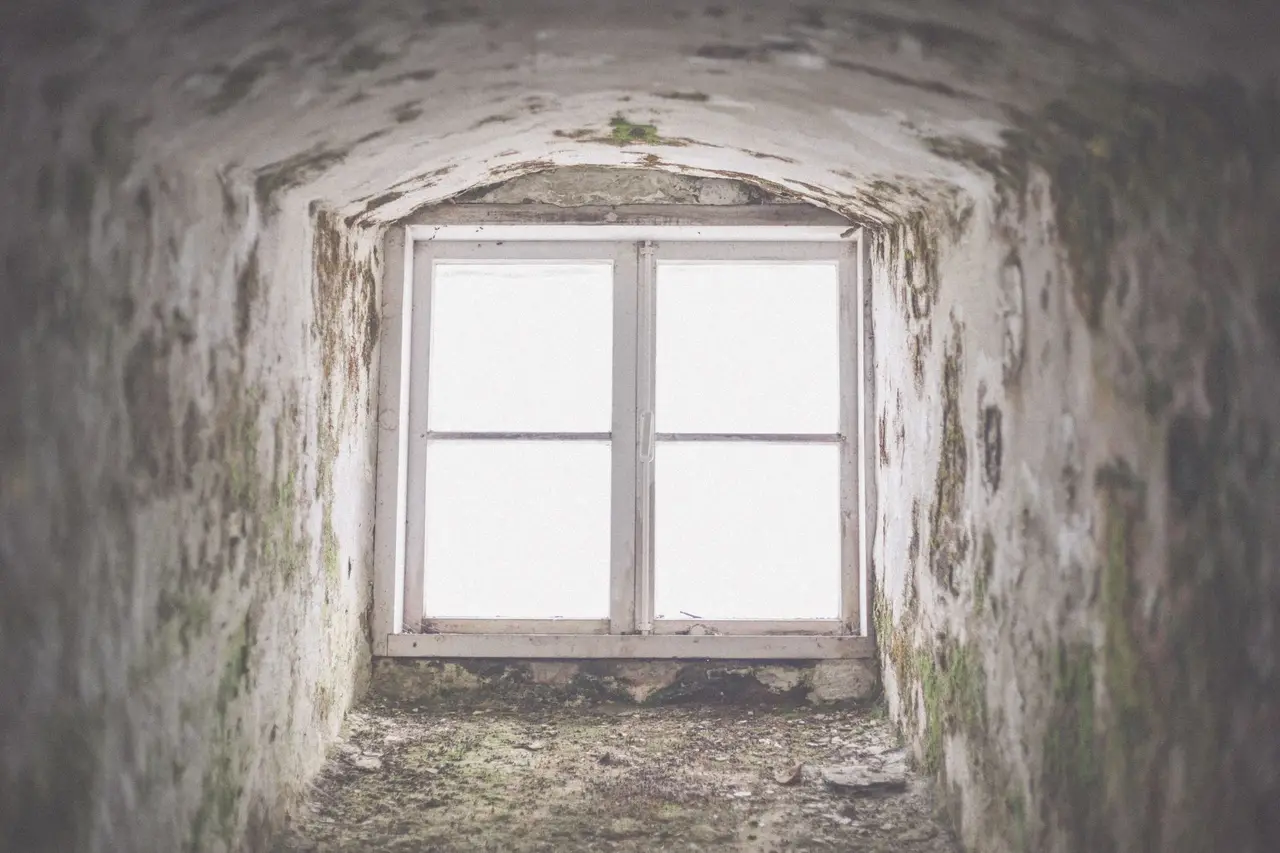
A Columbine rental property where tenants reported a musty smell in the upstairs hallway.
We trace the odor to sheathing mold above a blocked soffit vent, clear the vent, treat the deck, and run an air scrubber.
Outcome: The smell is gone, the tenant renews, and the owner has documentation for the next turnover.

A Historic Downtown Littleton bungalow with an ice dam that pushed water under the shingles.
We treat the wet sheathing, repair the damaged boards, and add intake ventilation so the next freeze-thaw cycle does not repeat the problem.
Outcome: The deck is dry and stable, and the attic vents correctly from soffit to ridge.

Littleton sits in Arapahoe County where winter swings from 60 degrees to single digits in a week. That freeze-thaw pattern drives condensation on roof sheathing, and it is why most attic mold jobs here start between November and March. Older homes around Downtown Littleton and Historic Downtown Littleton commonly have bath fans venting into the attic and thin attic insulation, so warm moist air hits a cold deck fast.
Newer builds in Sterling Ranch and TrailMark are tighter, which means a small roof leak or a blocked soffit vent traps humidity instead of drying out. We treat both the same way: find the water, contain the space, treat the sheathing, and verify with a moisture meter.
If you need professional attic roof sheathing mold removal Littleton, Colorado, we handle roof leak repairs and ventilation corrections in the same visit so the fix holds through the next cold season. Homes in the 80120, 80122 and 80123 ZIP codes make up most of our route.
Before: A ranch near Sterne Park had black mold across roughly 200 square feet of roof sheathing above the bathroom. The bath fan had vented into the attic since the house was built, and the insulation was damp and compressed.
After: We contained the attic, HEPA vacuumed and treated the sheathing with Concrobium, rerouted the fan through the roof, and replaced 200 square feet of insulation. Moisture readings returned to normal in 48 hours.
Run the bath fan for 20 minutes after every shower and check the roof termination cap each fall. We re-check attic humidity once a year.
Before: A roof boot leak soaked one section of sheathing over a winter, and mold spread about 6 feet along the deck line. The homeowner had cleaned the surface twice, and it came back both times.
After: We found the leak with a moisture meter and boroscope, replaced the boot, treated the deck, and verified dry readings. The mold has not returned through two winters since.
Inspect roof boots and flashing each spring after hail season. Fix any ceiling stain within a week rather than waiting for the next rain.
Before: A Littleton Village seller had a buyer's inspector flag attic mold on the sheathing two weeks before closing. The deck had surface growth with no rot, and the insulation was clean.
After: We treated the sheathing, ran an air scrubber, and delivered a written report with before and after photos. The buyer signed off in four days and the closing stayed on schedule.
Keep soffit vents clear and check attic humidity each fall. A yearly visual check catches new growth while it is still a small area.
Most attic mold calls come down to four problems. Each one has a fix, and each fix starts with finding the water rather than scrubbing the stain.
A dry, treated attic deck that stays clean.
Mold digests the cellulose in wood sheathing and trusses. Left alone for a full season, growth can soften the deck enough that shingle nails lose grip. We treat and dry the wood so it holds its strength, and we flag any board that has lost section and needs replacement.
Attic air is not sealed off from living space. Stack effect pulls attic air down through gaps around light fixtures and top plates. Removing sheathing mold cuts the spore load your family breathes, which matters most for kids with allergies or asthma.
Moldy, damp insulation loses R-value. When we remove contaminated fiberglass or cellulose insulation and replace it, the attic holds heat where it belongs. Homeowners in Columbine and Ken Caryl commonly see their upstairs rooms stay cooler in July after the fix.
A home inspector will photograph attic mold and it becomes a negotiation item. Our documentation shows the mold was treated, the moisture source was repaired, and the deck was verified dry with a moisture meter, which keeps a Littleton sale moving.
What a written scope covers and what shapes it. Prices are set by the business after the first look.
Included
Depends on
Clear records you can keep and share.

Before and after attic images
Readings at each stage
What was fixed and where
Work listed line by line
Not every dark stain on a roof deck means the same thing. What we find decides whether the wood stays or comes out.
Growth sitting on top of the wood
Mold pigment soaked into the grain
Wood has lost strength or delaminated
A list like this tells people straight away whether you cover their street. Not listed? Call and ask: it only takes a minute.
Based in Littleton and covering the places around it. Pick one for local details.
A small area under one bath fan sits at the low end. A full deck with contaminated insulation, a roof leak repair and new ventilation lands at the high end. We give you a written number after the inspection, not over the phone.
Black mold on roof sheathing means warm, moist air is condensing on a cold deck. In Littleton the usual causes are bath fans venting into the attic, blocked soffit vents, a small roof leak, or ductwork leaking conditioned air. Our inspection uses a thermal imaging camera and moisture meter to pinpoint which one is feeding the growth before we treat anything.
Yes, in most cases the wood can be cleaned and kept. Surface mold on solid sheathing comes off with HEPA vacuuming and an antimicrobial treatment, and the deck dries back to normal. We only recommend replacement when the wood has softened, delaminated, or lost section to rot. We test the board with a moisture meter and a probe before deciding.
Keep the attic dry and moving air. Vent bath fans and dryer exhaust to the outside, not the attic. Clear soffit and ridge vents so air moves from eave to peak. Fix roof leaks the same week you spot a ceiling stain. We also check attic humidity each fall, because Littleton's November through March condensation cycle is when most sheathing mold starts.
Other services from the same team.
Mold on your roof deck gets worse every week it stays wet. Call PeakShield Attic Solutions at (720) 953-3834 for a same-day attic inspection in Littleton. We find the water source, treat the sheathing, and show you the before and after photos.
Call (720) 953-3834 or email us and we will schedule an attic inspection, usually within a day or two. We work Monday through Friday, 8am to 6pm, and we answer the phone ourselves. If you have a leak or storm damage, tell us and we will prioritize the call.