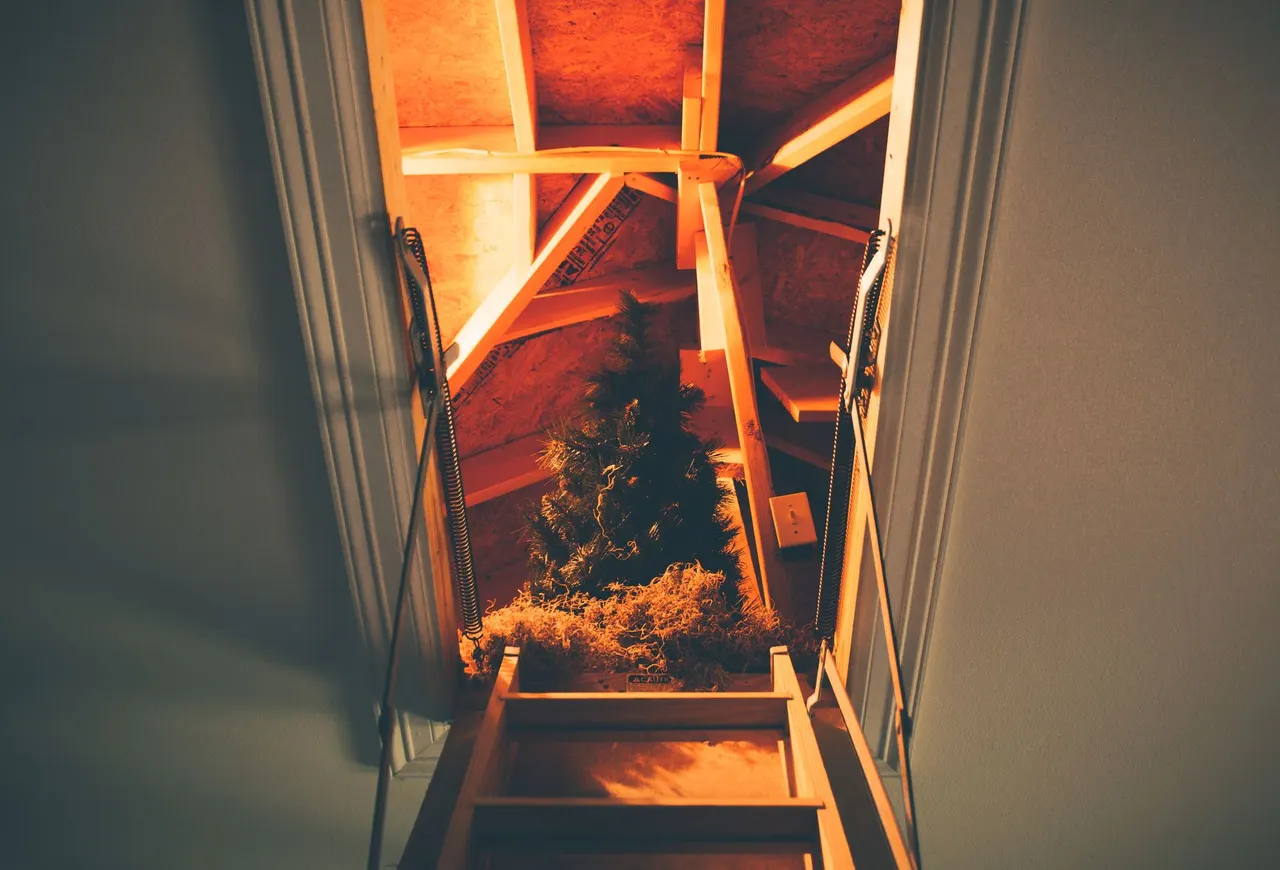
For homeowners
We vent single-family attics across Littleton, from 1950s ranches to new builds. You get a written scope, photos, and a clean attic when we leave.
- Frost on sheathing each winter
- Musty smell upstairs
- AC cannot keep up in July
Attic Ventilation Installation Littleton CO is the work that keeps your roof deck dry through every freeze-thaw cycle. We size intake and exhaust to the square footage of your attic, cut the vents, and verify the airflow before we leave. If your sheathing sweats every winter or your insulation smells musty, this is the fix. Call (720) 953-3834 for a same-day look.
 Moisture readingsThermal scanAirflow check
Every job includes the assessment, the vent layout plan, the installation, and the final airflow check. If a permit is required, we pull it. If existing mold is found, we quote that separately so you can decide how to handle it. Here is what is standard on every install.

Moisture meter and thermal imaging readings on sheathing, trusses, and insulation. We measure square footage, count existing vents, and photograph everything before we quote.
A diagram showing exactly where intake and exhaust vents will go, with net free area math based on your attic size. You see the plan before we cut anything.
Soffit, edge, or roof intake plus ridge, gable, or roof exhaust. Every penetration is flashed and sealed with roofing-grade materials. No caulk-only shortcuts.
Baffles keep insulation from blocking intake airflow. We install them at every intake vent and clear any existing insulation that is in the way.
We check with a hygrometer and smoke test that air is moving from intake to exhaust. Before-and-after photos are included in the final report.
If the scope requires a permit through the City of Littleton or Arapahoe County, we pull it and schedule the inspection. You do not have to chase paperwork.
The approach is the same for a home and a business. What changes is the access, the schedule and who needs the paperwork.
We vent single-family attics across Littleton, from 1950s ranches to new builds. You get a written scope, photos, and a clean attic when we leave.
We vent attics on rentals, multi-family, and light commercial buildings. Documentation is provided for each unit so you have a record for tenants and future inspections.
A plain-language look at what Attic Ventilation Installation involves and when it is needed.
See how it worksAttic Ventilation Installation Littleton CO is the design and installation of a balanced intake-and-exhaust system that moves outside air through your attic at a controlled rate. We calculate net free area against your attic's square footage, then place soffit or edge intake vents low and ridge, gable, or roof exhaust vents high. The stack effect does the rest: cool air enters low, warms, and exits high, carrying moisture with it. No power needed on most homes.
Littleton sits in Arapahoe County where winter attic temperatures swing from 60 degrees on a sunny afternoon to below freezing overnight. That swing drives condensation onto wood sheathing, trusses, and fiberglass insulation. Once the deck stays wet, black mold and musty odors follow. If you have been searching for attic ventilation installation near me Littleton, we handle the whole job: assessment, permits, cutting, sealing, and a final airflow check.
Balanced intake and exhaust is what keeps a Littleton attic dry through freeze-thaw winters.
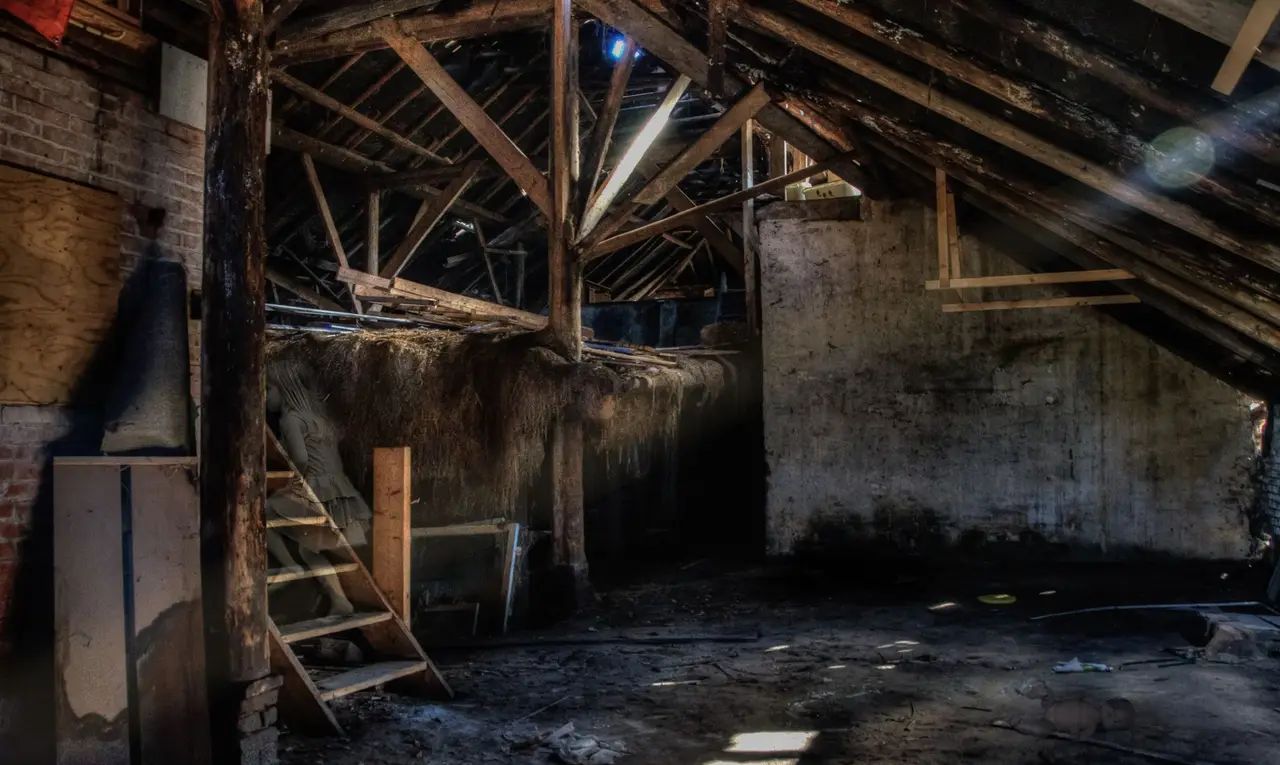
Every job follows the same five steps. You get a written scope, a firm price, and a clean attic when we leave.
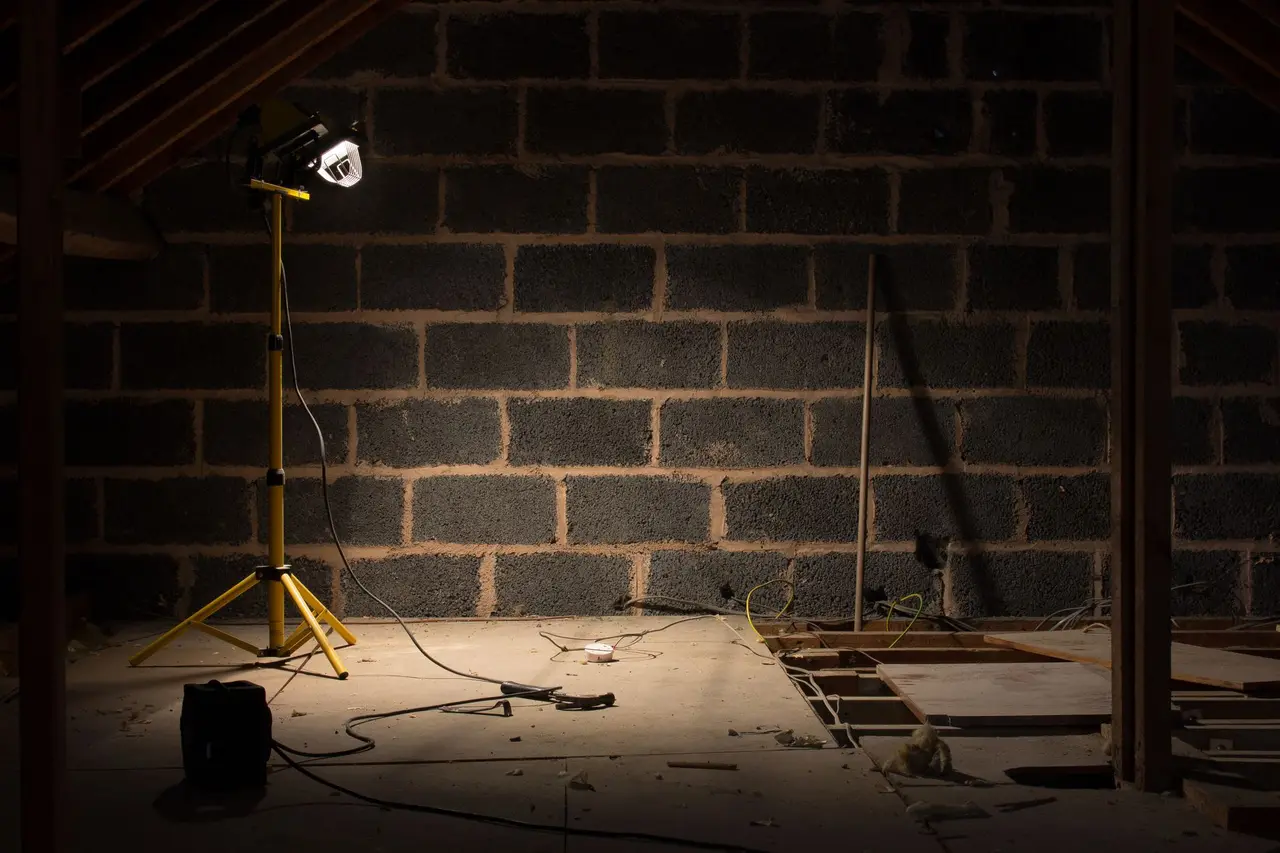
We walk the attic with a moisture meter and thermal imaging camera, checking sheathing, trusses, and insulation for current or past moisture. We measure square footage, count existing vents, and photograph everything. Takes 45 to 60 minutes. You get the findings the same day.
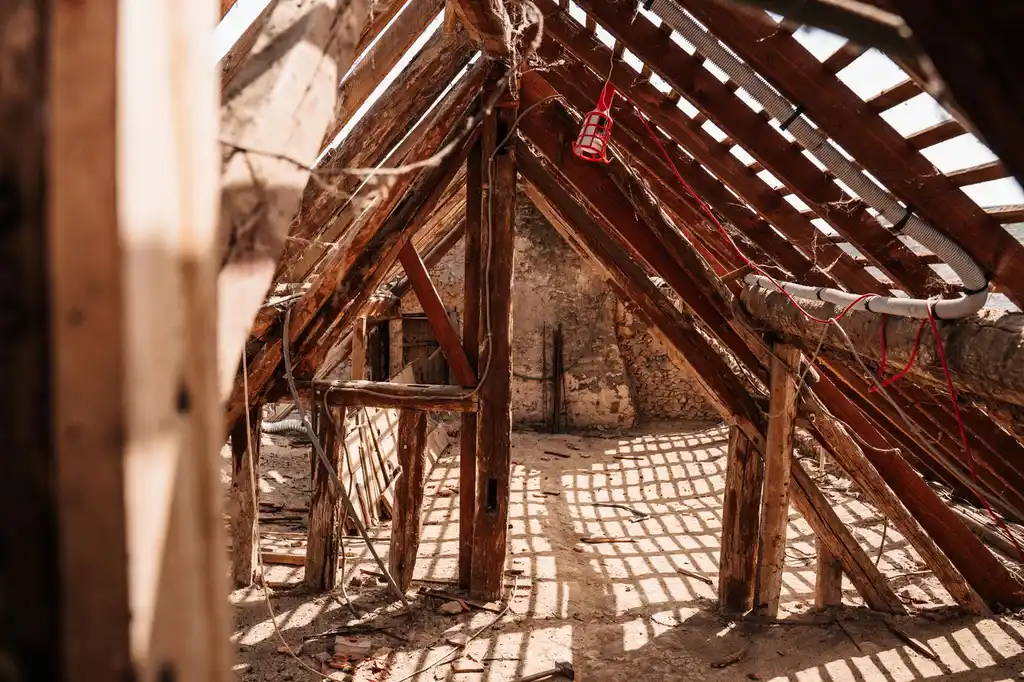
We calculate net free area using the 1:150 rule (or 1:300 with a vapor barrier) and lay out intake and exhaust locations on a diagram. You see exactly where we will cut before we touch anything. If a permit is required, we pull it.

Most installs take one day. We protect the attic floor, cut intake vents at the soffit or edge, install ridge or roof exhaust, and seal every penetration with roofing-grade caulk and flashing. No shortcuts on the roof deck.
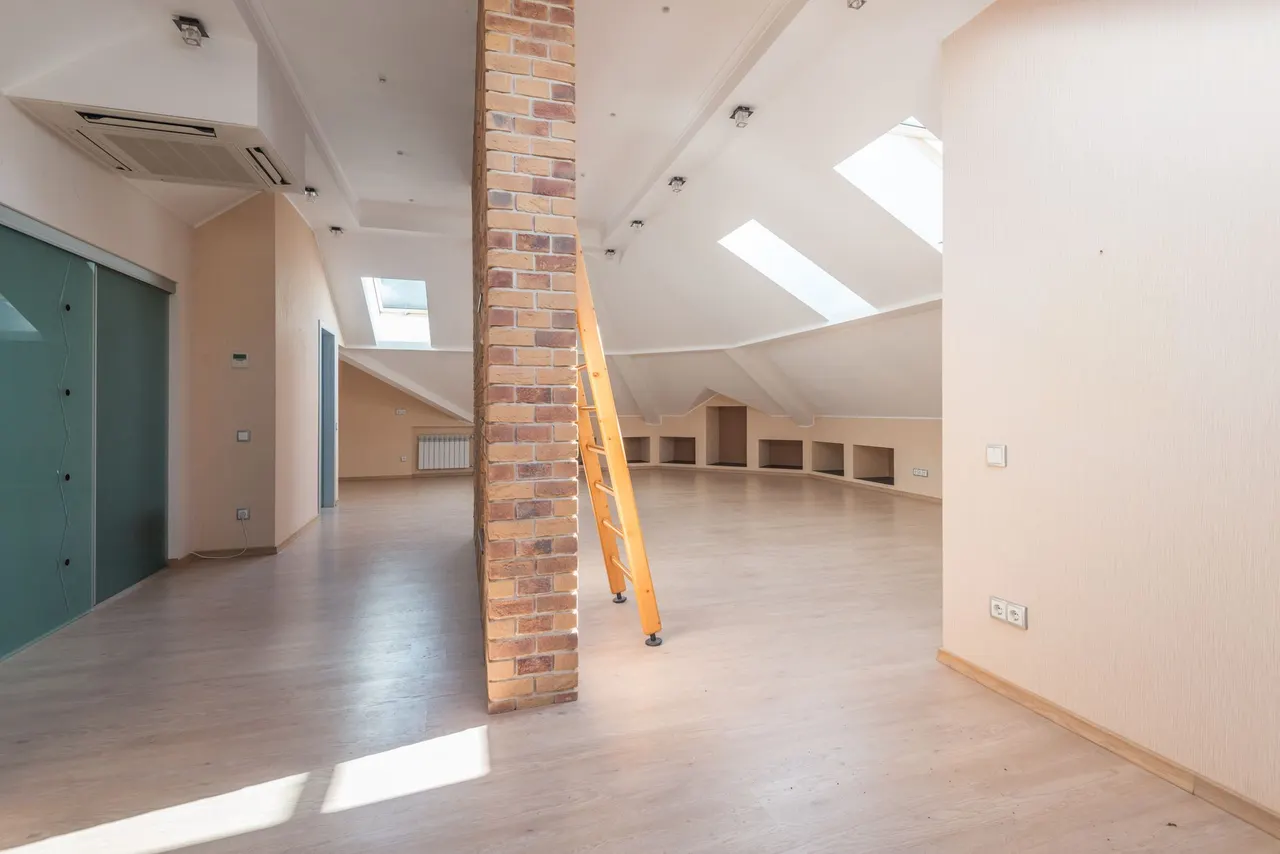
We check with a hygrometer and smoke test that air is actually moving from intake to exhaust. If a baffle is blocked by insulation, we clear it. You get before-and-after photos of every vent location.
We walk the attic with you, show you the new vents, and explain what to watch for each season. You get a written summary with photos and the permit paperwork if one was pulled. Any questions, call us.

Move across a circle, or focus it and press Enter, for an illustrative thermal view of the photograph.
Reads actual moisture content in sheathing, trusses, and insulation. Tells us whether a stain is active or historical before we scope the job.
Shows temperature differences that reveal hidden moisture, missing insulation, and air leaks behind finished surfaces.
Lets us see behind walls and into tight attic corners without cutting access holes.
Measures relative humidity in the attic before and after install so we can verify the system is actually drying the space.

Captures fine mold spores and dust during any work that disturbs insulation or contaminated surfaces.
Thermal views are illustrative, generated from the photographs.
Runs continuous HEPA filtration during remediation and decontamination to keep spores out of living space.
Creates containment pressure so air flows out of the work zone, not into the rest of the house.
The industry standard for evaluating moisture and mold conditions. We follow it on every assessment so our findings and scope hold up to scrutiny from inspectors, buyers, and insurers.
We calculate the exact net free area your attic needs based on square footage and whether a vapor barrier is present, then split it evenly between intake and exhaust.
We never rely on one tool. Thermal imaging shows us where to look; the moisture meter confirms what is actually wet. Two data points, one conclusion.
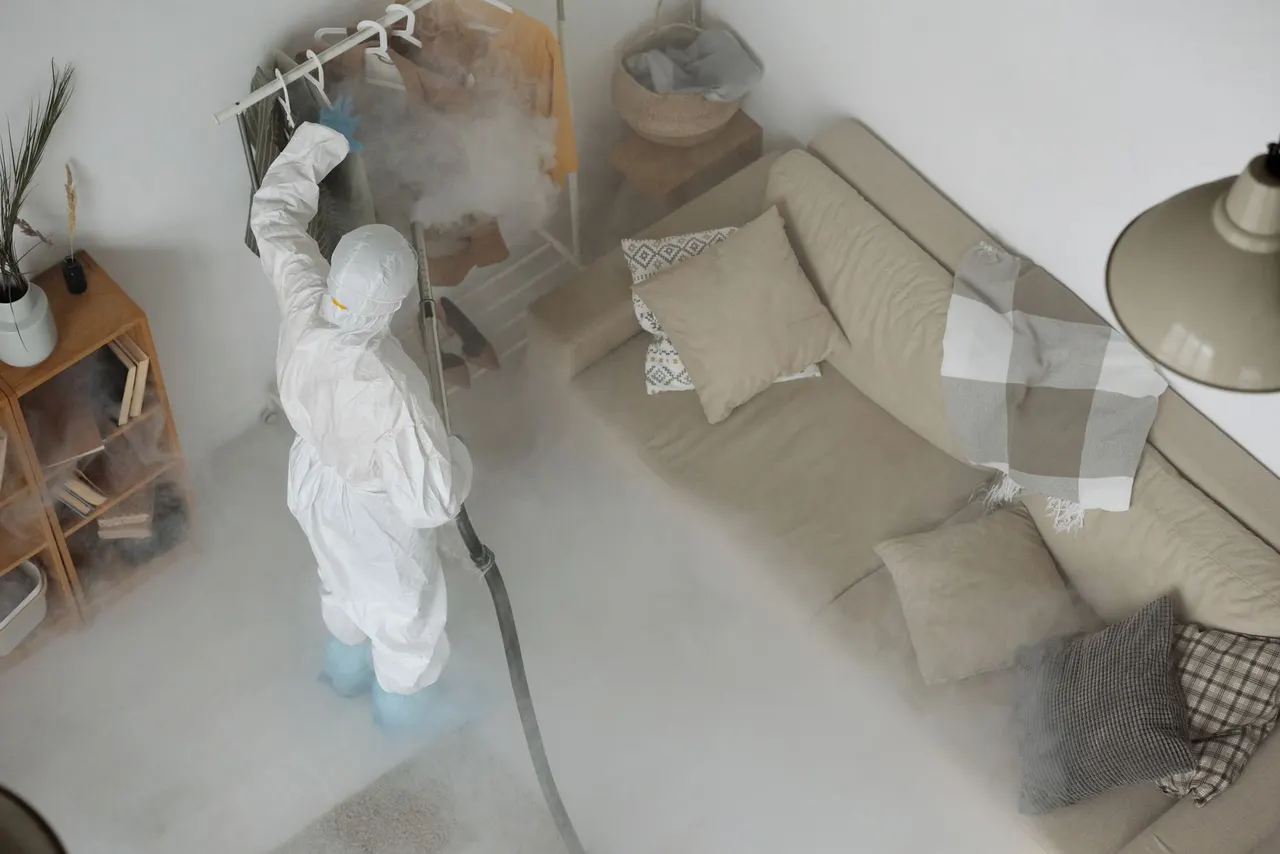
On any job where mold or heavy dust is present, we set up containment and run HEPA filtration so spores do not migrate into living space during the work.
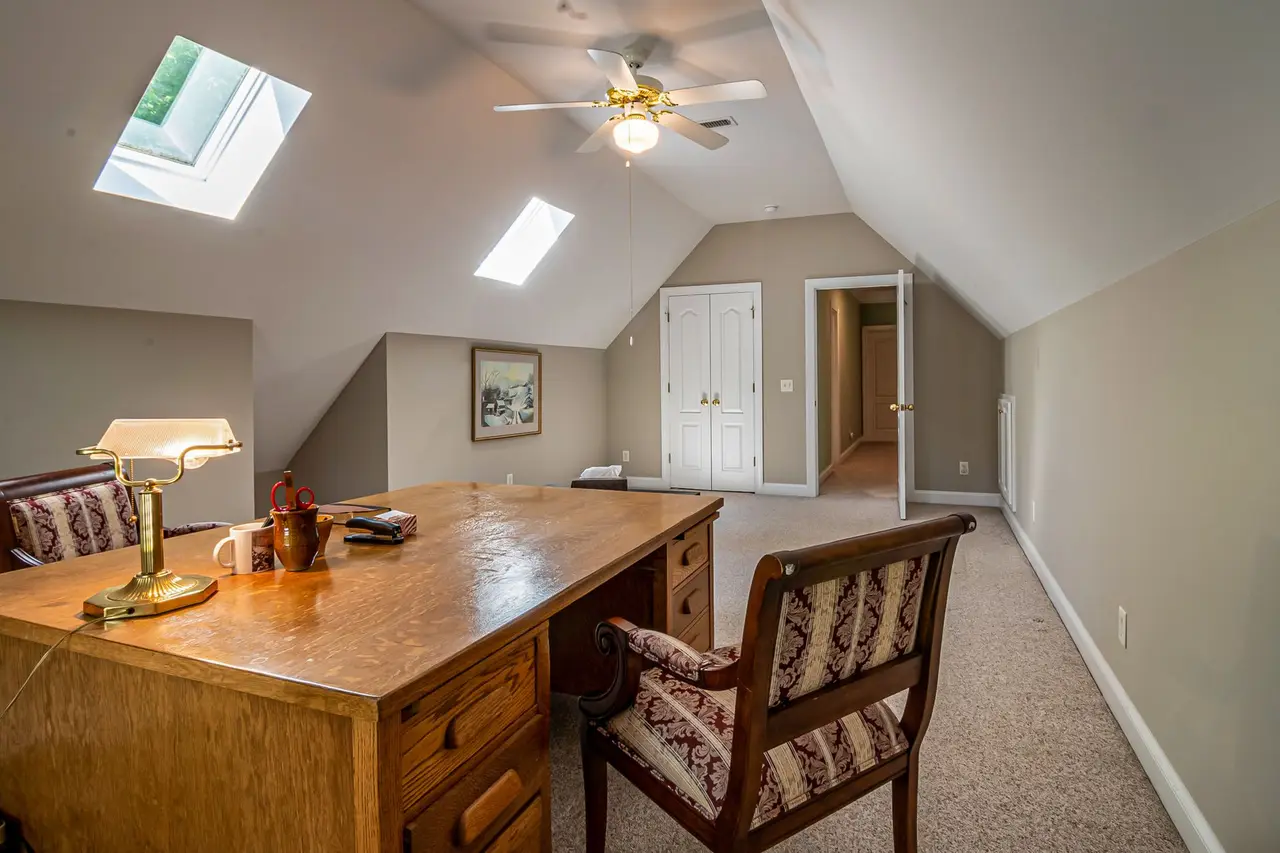
You bought a 1960s ranch in Meadowbrook and the inspector noted dark staining on the roof sheathing.
We assess the attic, confirm whether the staining is active or historical, and install a balanced intake-and-exhaust system. If mold is present, we fold treatment into the same project.
Outcome: The sheathing dries out, the staining stops spreading, and you have documentation for your records.
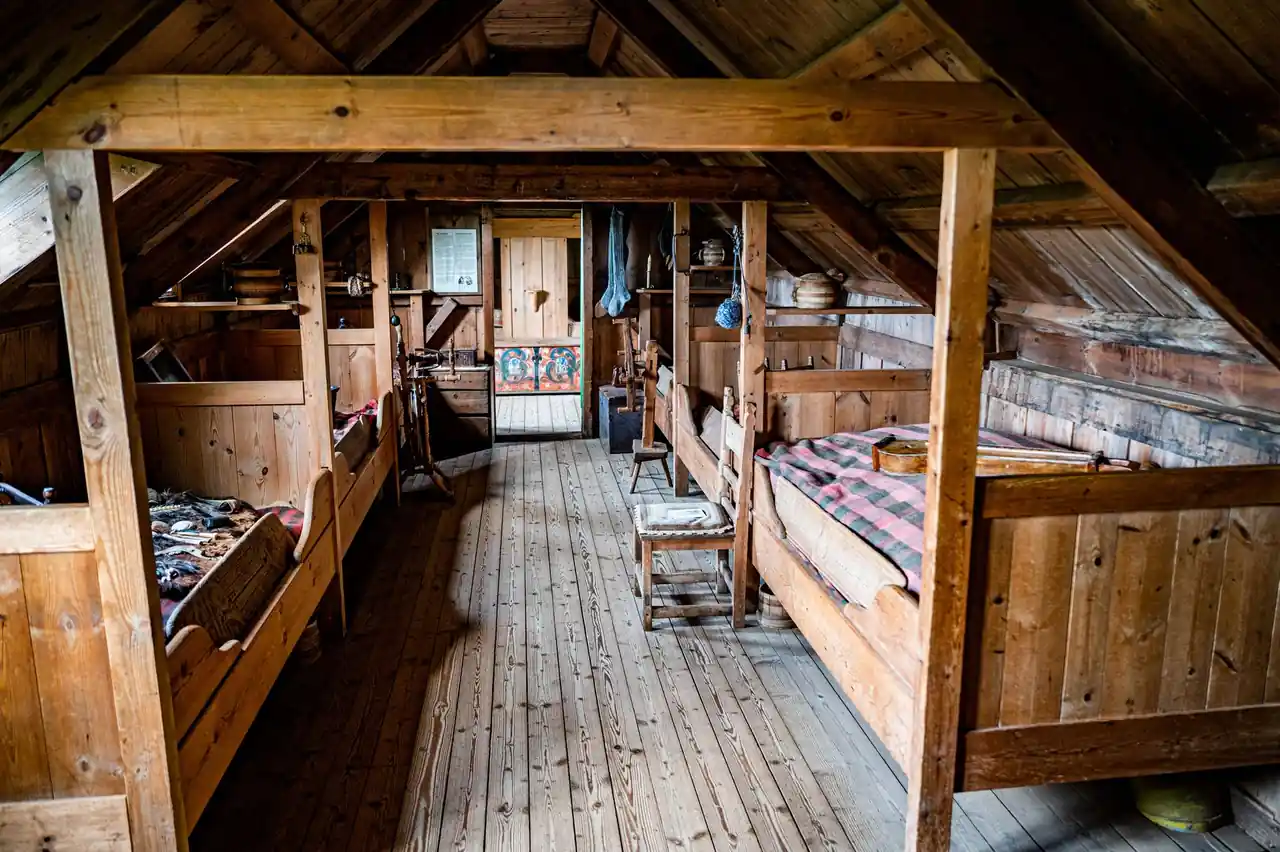
Your upstairs hallway smells musty every summer and you cannot find the source.
We run a boroscope and thermal camera through the attic to find the moisture. Nine times out of ten it is poor ventilation plus a bath fan venting into the attic instead of outside.
Outcome: The smell clears, the moisture source is fixed, and the attic stays dry through the next season.

You are selling your home in Ken Caryl and the buyer's inspector flagged attic mold.
We assess, scope, and remediate with full photo documentation. Ventilation goes in as part of the fix so the next inspection passes.
Outcome: The deal closes, the buyer has documentation, and the attic is in better shape than when you listed.

Your energy bills spiked this summer and the AC runs nonstop on 95-degree days.
We measure attic temperature and airflow, then install exhaust sized to your attic. If intake is blocked by insulation, we add baffles and clear the blockage.
Outcome: Attic temps drop 25 to 40 degrees, the AC cycles less, and your summer bills come down.

You manage a rental in Littleton Village and tenants keep complaining about a smell.
We assess the unit, fix the ventilation, and treat any affected surfaces. Documentation is provided for your records and future inspections.
Outcome: Tenant complaints stop, the unit stays rentable, and you have a paper trail for the next turnover.

Littleton sits in a freeze-thaw belt along the Front Range. Winter days can hit 55 degrees, then drop below freezing the same night. That swing drives moisture into roof sheathing faster than most homeowners expect. Add low winter humidity and summer hail seasons, and your attic takes a beating year-round.
Most homes here were built before 1990, which means they were vented to older code minimums that do not hold up today. We see the same pattern in Historic Downtown Littleton, Meadowbrook, and SouthPark: a gable vent and nothing else, with insulation pushed up against the roof deck. Our job is to bring those attics up to current IRC standards with balanced intake and exhaust.
If you have been searching for attic ventilation installation in Littleton CO near me, we handle the assessment, permits, and install as one project. We also work on newer builds in Sterling Ranch and Ken Caryl where builders sometimes undersized the intake side.
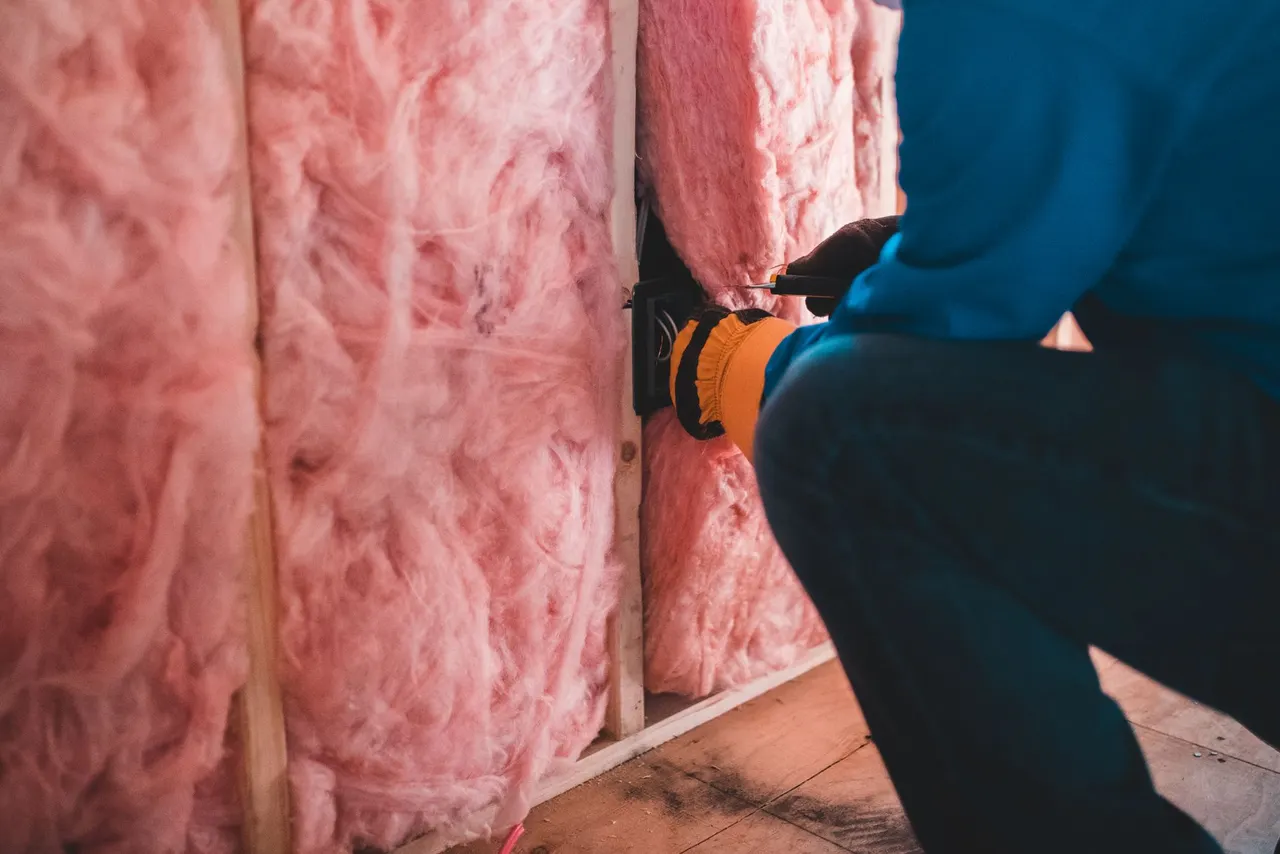
Before: Original gable vent only, no intake. Frost on sheathing every January, insulation matted against the deck, and a musty smell in the upstairs bedroom. Moisture meter read 28 percent on the north-facing sheathing.
After: We installed soffit intake vents and a ridge vent sized to 1,400 square feet of attic. Moisture readings dropped to 12 percent within three weeks. The frost stopped the first cold snap and the smell cleared.
Check intake vents each fall for insulation blockage. We recommend a moisture meter check every two years, which we offer as a quick service call.
Before: Home inspector flagged visible mold on the roof sheathing during a sale. The attic had a gable vent and a bath fan dumping moist air directly into the space. Buyer wanted a credit and a remediation plan.
After: We remediated the mold under containment, rerouted the bath fan to the exterior, and installed balanced intake and exhaust. Clearance testing passed and the sale closed on schedule.
Keep the bath fan running 20 minutes after showers. We recommend an attic moisture check each spring before the cooling season.
Before: Two-year-old home with a ridge vent but almost no intake. July attic temps hit 148 degrees at the ridge. AC ran nonstop on 95-degree days and energy bills were climbing.
After: We added edge intake vents to balance the existing ridge exhaust. Attic temps dropped to 108 degrees at the ridge within a week. The AC cycled normally and summer bills came down about 18 percent.
Inspect edge vents after hail storms. We recommend a quick airflow check every two years to confirm intake is still clear.
Most attic problems in Littleton trace back to one thing: moisture with nowhere to go. Here is what we see most often and how balanced ventilation fixes it.
A dry attic protects your roof, your insulation, and your indoor air.
Warm, moist air from living space hits a cold roof deck and turns to water. Balanced intake and exhaust carries that moisture out before it condenses. Littleton homes with attic ventilation installation for mold prevention Littleton CO typically see sheathing stay dry through the first hard freeze.
An unvented attic in July can hit 150 degrees, cooking shingles from underneath and pushing your AC to work harder. We size exhaust to dump that heat fast. Most homes drop 25 to 40 degrees at the ridge within a week of install.
Heat and trapped moisture age asphalt shingles from the inside out. Ventilation pulls the heat off the deck, which extends shingle life and keeps wood sheathing from cupping or delaminating. That is money you do not spend on a premature roof replacement.
When attic air stays dry, mold spores have nowhere to grow. That means fewer musty odors drifting down through ceiling gaps and ductwork. Families dealing with allergies or asthma notice the difference within the first month after attic vent installation Littleton CO.
What a written scope covers and what shapes it. Prices are set by the business after the first look.
Included
Depends on
Clear records you can keep and share.

Before and after images of every vent
Layout plan with net free area math
Meter readings taken before and after
Written summary of work performed
Attic venting is a system, not a single vent. Intake and exhaust have to be balanced or the system stalls.
Low vents that let cool outside air in
High vents that let warm moist air out
Intake and exhaust working together
A list like this tells people straight away whether you cover their street. Not listed? Call and ask: it only takes a minute.
Based in Littleton and covering the places around it. Pick one for local details.
A simple soffit-and-ridge job on a 1,200 square foot attic sits near the low end. Adding powered exhaust, baffles, or working around complex roof lines pushes toward the top. We give a firm written price after the assessment, no surprise add-ons.
It uses no electricity, has no moving parts, and handles the Front Range freeze-thaw cycle well. Homes with no soffit space or steep roof lines may need edge vents or a low-profile roof intake instead. We size the system to your attic, not to a one-size template.
It depends on the scope. Adding soffit or edge vents usually does not require a permit. Cutting new roof penetrations for exhaust vents typically does, and the City of Littleton follows the 2021 International Residential Code. We handle the permit application and inspection as part of the job so you are not chasing paperwork. If no permit is needed, we tell you that upfront.
The IRC baseline is one square foot of net free area per 150 square feet of attic floor, or 1:300 if you have a proper vapor barrier. A 1,500 square foot attic with a vapor barrier needs about 5 square feet of net free area, split evenly between intake and exhaust. We calculate the exact number after measuring your attic and checking existing vents.
Other services from the same team.
Call (720) 953-3834 for a same-day attic assessment. We measure, photograph, and quote the job on the spot. No pressure, no upsell, just a straight answer on what your attic needs.
Call (720) 953-3834 or email us and we will schedule an attic inspection, usually within a day or two. We work Monday through Friday, 8am to 6pm, and we answer the phone ourselves. If you have a leak or storm damage, tell us and we will prioritize the call.