For homeowners
We work in occupied homes every day and keep the dust out of your living space. You will know the schedule before we start.
- Upstairs rooms too hot
- Musty smell in hallway
- High winter heating bills
Attic Insulation Replacement Littleton CO means pulling out the old, contaminated or compressed material and installing new insulation that actually holds its R-value. If your upstairs runs hot in July, your furnace works overtime in January, or you have found mold on the insulation, we can help. We serve homeowners across Arapahoe County with same-day quotes and honest pricing.
 Moisture readingsPhoto reportFlat quote
Every replacement job we quote in Littleton includes the core steps below. If your attic needs mold treatment, ductwork repair, or new ventilation, we will add those to the scope and price them separately so you can see exactly what you are paying for.

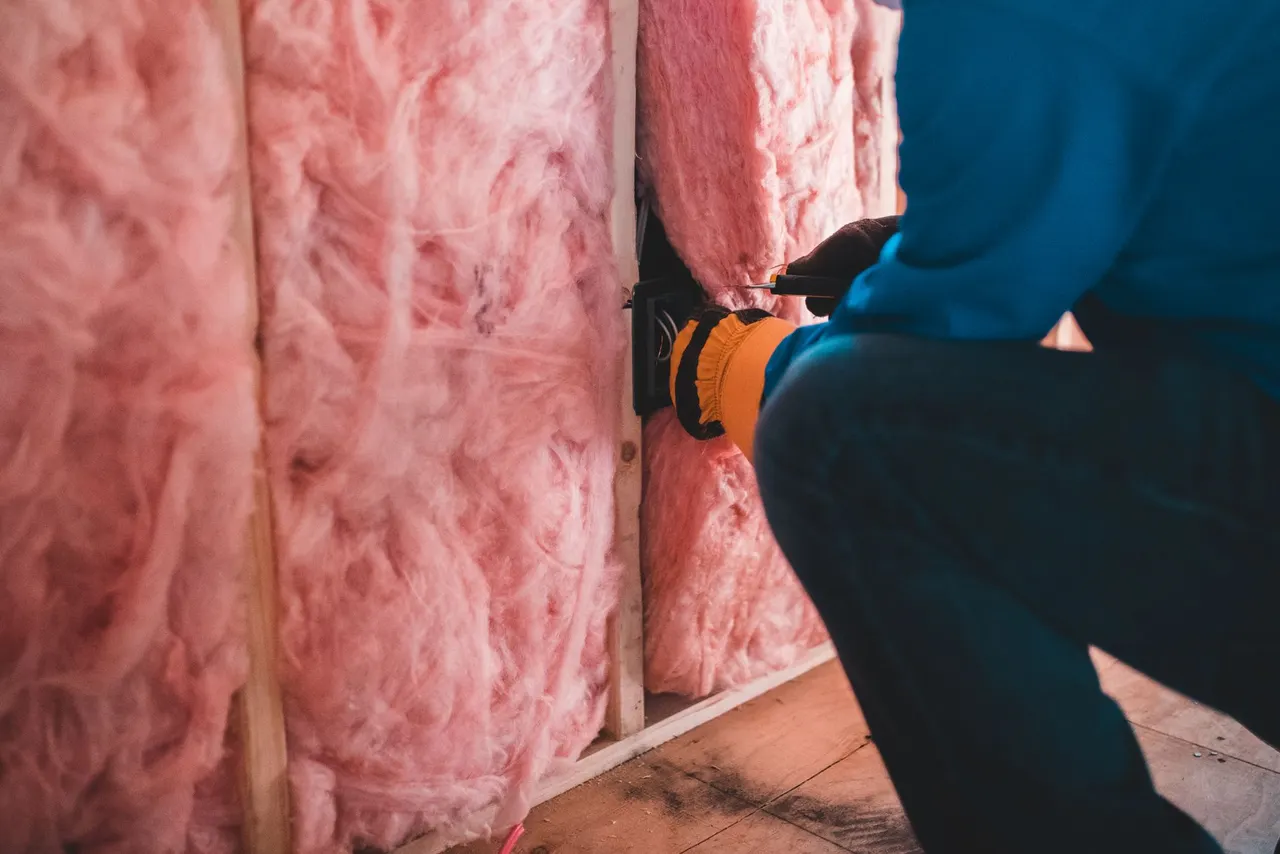
We vacuum out all existing fiberglass or cellulose with a HEPA vacuum, bag it, and haul it off. Nothing stays behind to contaminate the new material.
We seal gaps around lights, fans, top plates, and ductwork, then install baffles at the soffits. This is what makes the new insulation perform the way the label says it will.
We blow in fiberglass or cellulose to R-49 or R-60, depending on your home. Depth rulers are installed so you can verify the number yourself.
If we find insulation mold, sheathing mold, or truss mold, we treat the wood with Concrobium or Benefect before installing anything new. Treatment is priced into the quote, not added later.
You get before, during, and after photos plus a written summary of the R-value installed. It is the file you want if you ever sell the home or file a claim.
The approach is the same for a home and a business. What changes is the access, the schedule and who needs the paperwork.
We work in occupied homes every day and keep the dust out of your living space. You will know the schedule before we start.
We schedule around tenants and turnovers so units get back on the market fast. Documentation is provided for every job.
A plain-language look at what Attic Insulation Replacement involves and when it is needed.
See how it worksAttic Insulation Replacement Littleton CO is the full removal of your existing insulation and the installation of new material to restore your home's thermal barrier. We start with a moisture meter and a thermal imaging camera to map exactly where heat is escaping and where damp air is collecting. Then we pull the old fiberglass or cellulose out through a HEPA vacuum, bag it, and haul it away. After that we air-seal the penetrations, baffle the soffits, and blow in new insulation to the depth your home needs.
Most Littleton homes we open up were built between the 1960s and 1990s, and the original insulation has been compressed, walked on, or soaked by a roof leak at some point. When fiberglass gets wet it stops working, and when it stays wet it grows mold. That is why so many people searching for attic insulation replacement near me Littleton are really dealing with two problems at once. We fix the moisture source first, then replace the insulation so it does not happen again.
Old insulation that got wet will not dry out and start working again.
Every job follows the same five steps. You will know what is happening, who is in your home, and how long each phase takes before we start.
We walk the attic with a moisture meter, hygrometer, and thermal imaging camera. You get photos of what we find, a written scope, and a flat price the same day. Most inspections take 30 to 45 minutes.
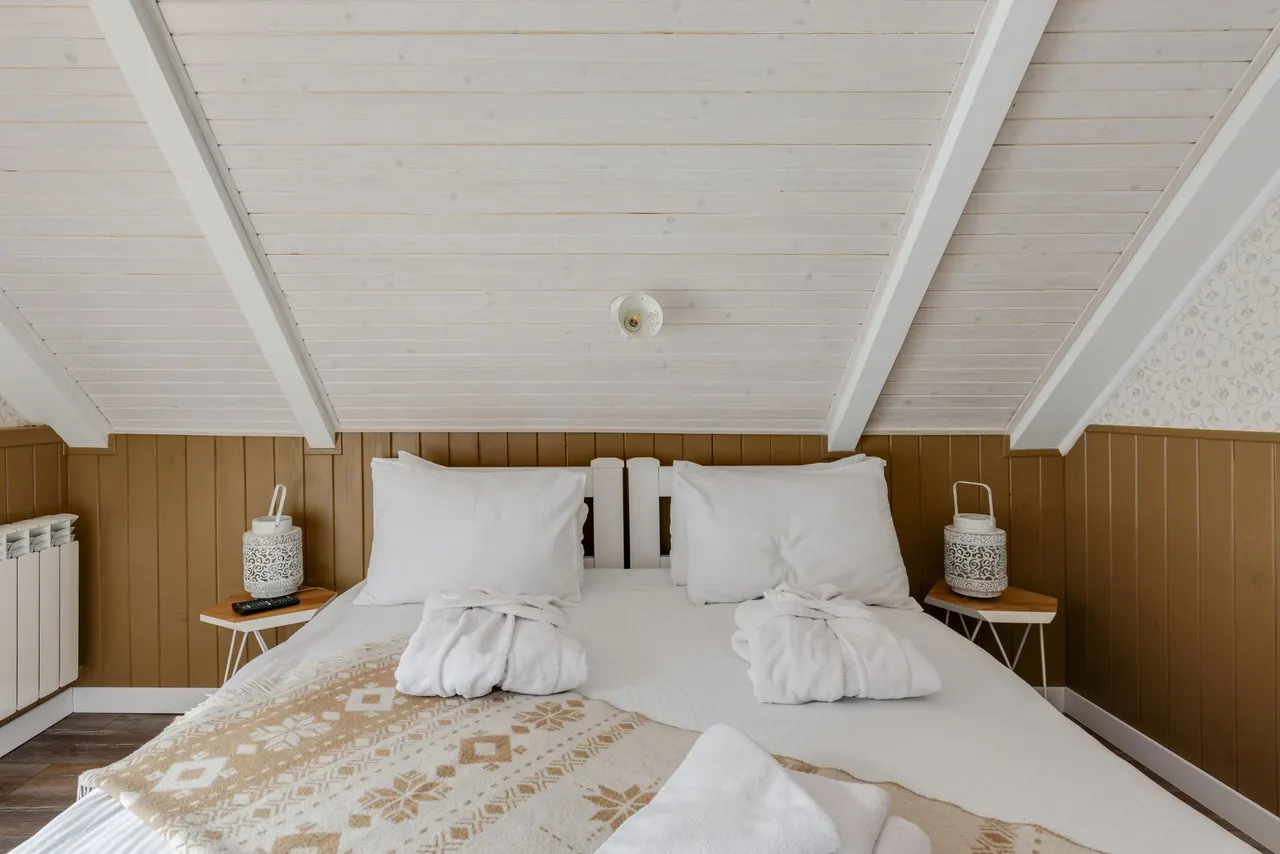
Before anything comes out, we lay drop cloths, seal the attic hatch with plastic, and set a negative air machine with a HEPA vacuum to keep dust out of your living space. Setup usually takes about an hour.
We vacuum out the old fiberglass or cellulose, bag it, and haul it off. If there is mold on the wood sheathing or trusses, we treat it with an antimicrobial spray before anything new goes in. Removal takes one to two days on a typical Littleton ranch or two-story.

We seal gaps around lights, fans, ductwork, and top plates with foam and caulk, then install baffles at the soffits so air can move. This is the step most cheap insulation jobs skip, and it is why their numbers never match ours.
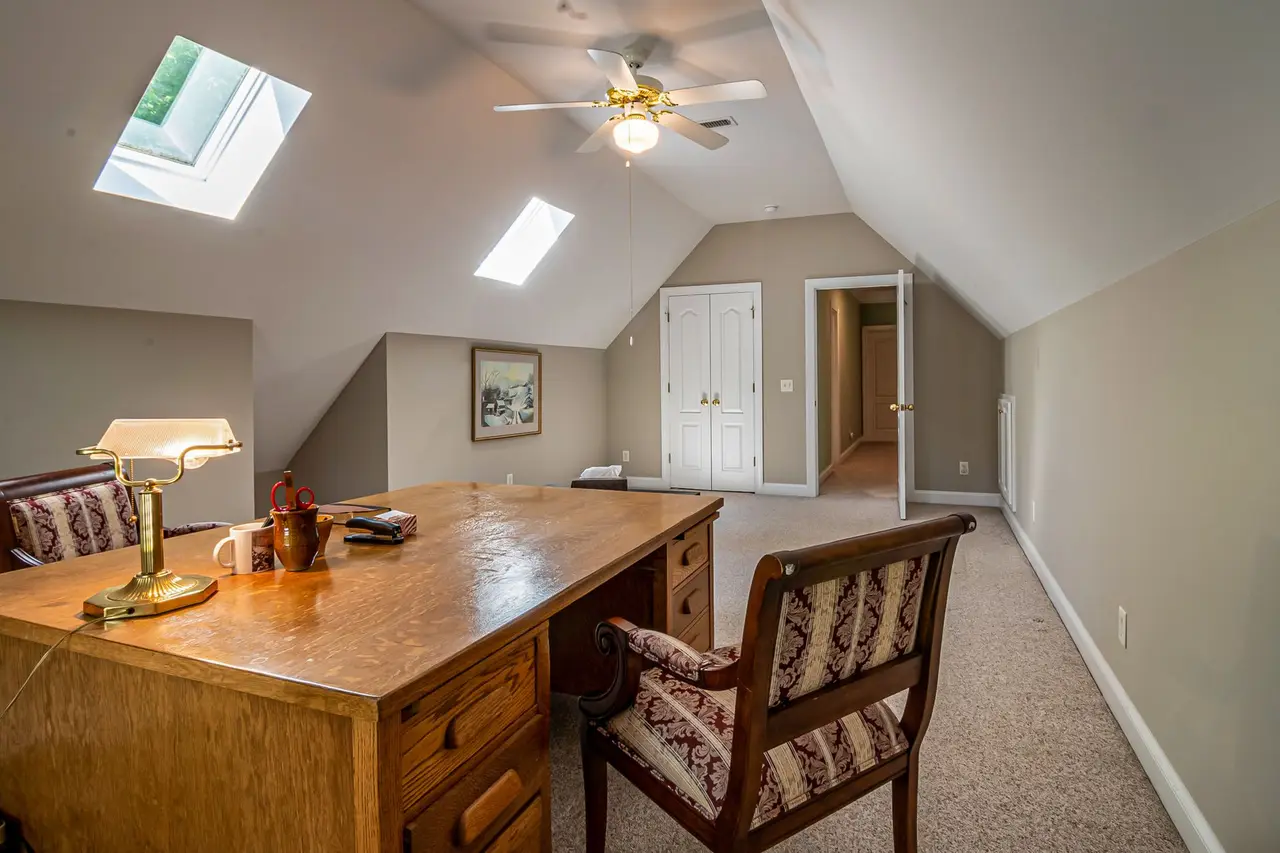
We blow in the new insulation to the target depth, mark the rulers, and take before-and-after photos. You get a written summary of what was installed, the R-value achieved, and what to watch for going forward.
Move across a circle, or focus it and press Enter, for an illustrative thermal view of the photograph.

We measure moisture content in insulation, sheathing, and framing before and after the job. This tells us whether the wood is dry enough for new insulation.

Thermal imaging shows us where heat is escaping and where damp air is collecting. It finds problems that are invisible to the eye.

We use these together to pull old insulation out without spreading dust or spores into your living space. Containment stays sealed until the job is done.
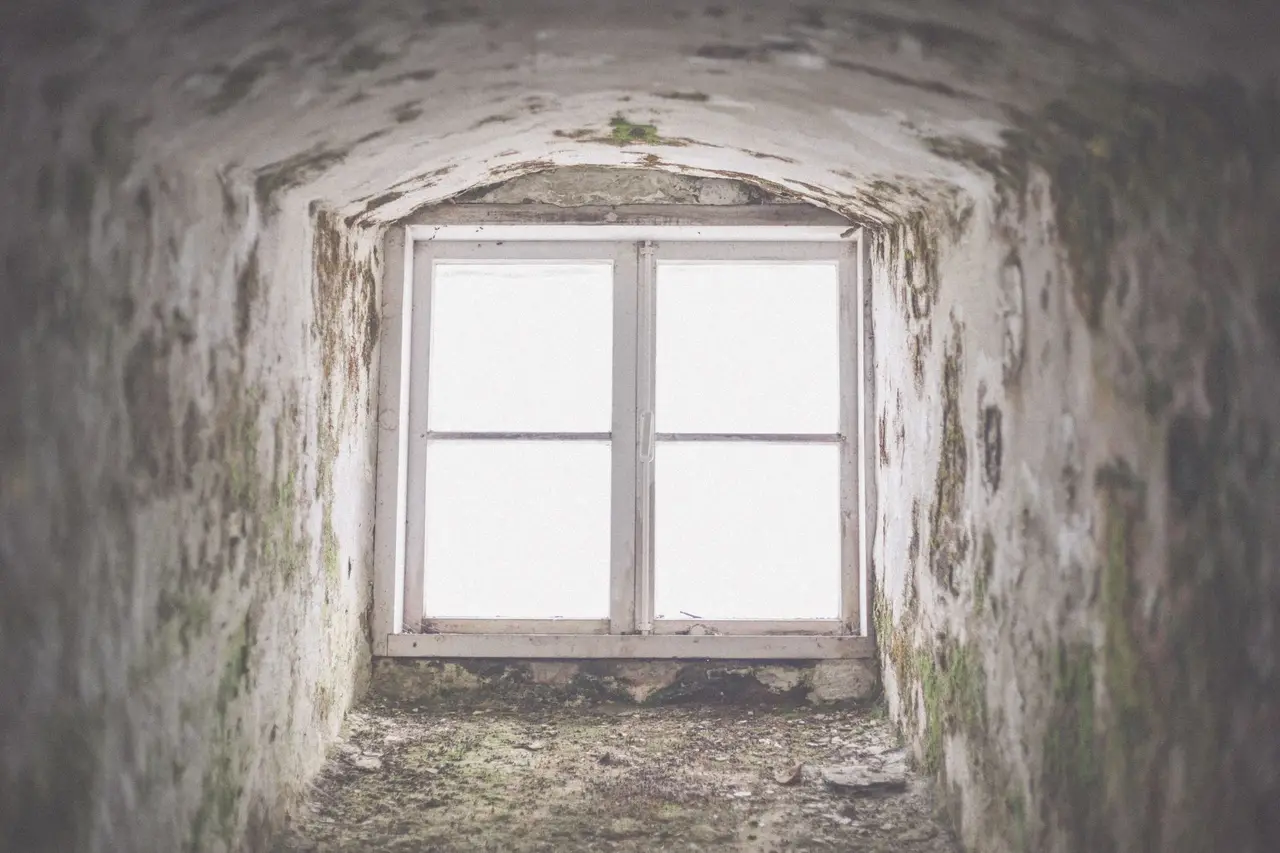
A boroscope lets us look inside wall cavities and ductwork without cutting them open. We use it to confirm the scope before we quote.

When mold is present, the air scrubber filters the attic air while the fogger applies antimicrobial treatment to every surface.
Thermal views are illustrative, generated from the photographs.
We blow in fiberglass or cellulose to a measured depth so the R-value is consistent across the whole attic, not just where it is easy to reach.
When mold is present, we follow IICRC containment, removal, and clearance procedures. That means sealed containment, HEPA filtration, and documented drying before new insulation goes in.
Older Littleton homes may have lead paint on attic surfaces. We follow EPA Lead-Safe work practices to keep dust contained and the job compliant.
We seal every penetration, top plate, and duct boot before installing new insulation. Skipping this step is the most common reason insulation jobs underperform.
After removal, we treat sheathing, trusses, and framing with EPA-registered antimicrobial products. This stops spores from regrowing on the wood.
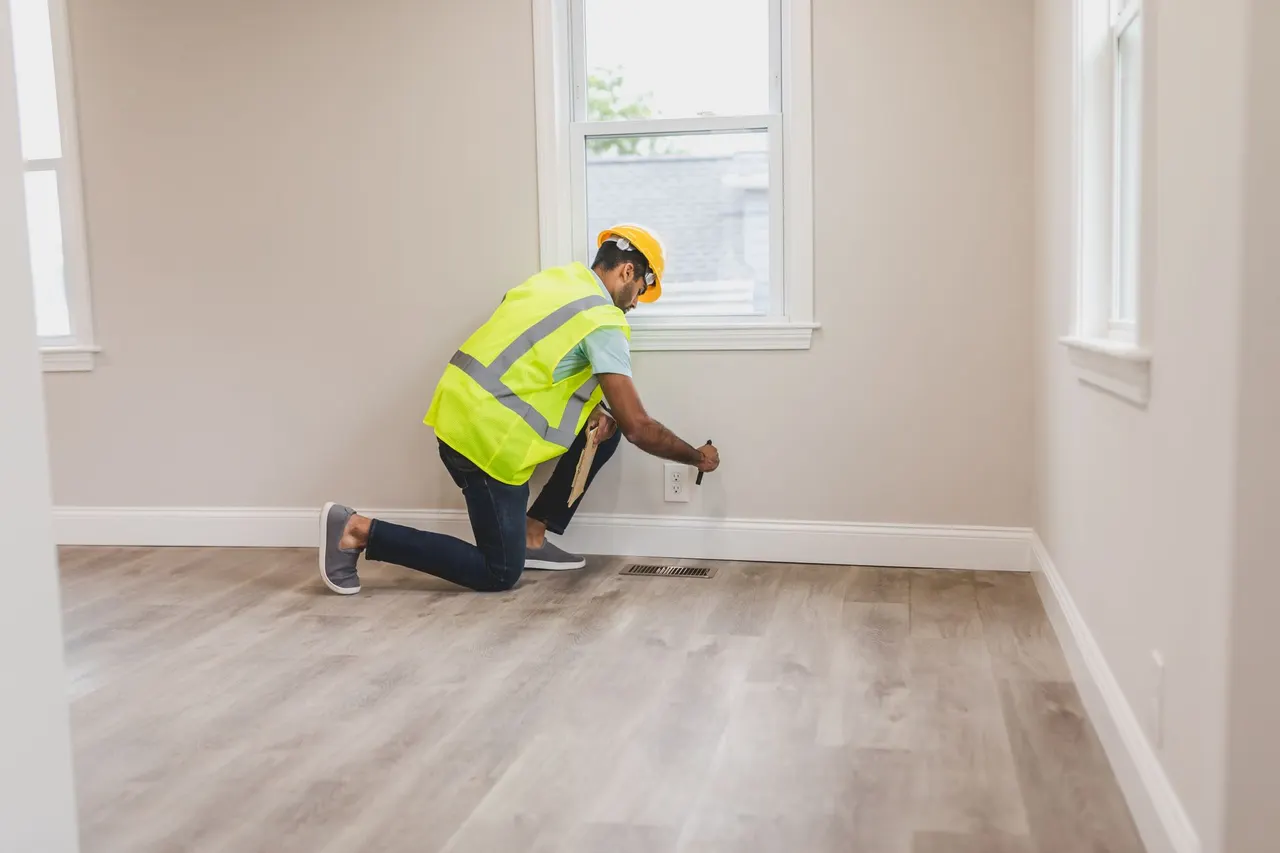
You just had mold remediation done and the insulation was pulled out.
We confirm the wood is dry with a moisture meter, treat any remaining spores with antimicrobial spray, and install new insulation to the correct R-value for your home.
Outcome: Your attic is clean, dry, and properly insulated, with documentation for your records.
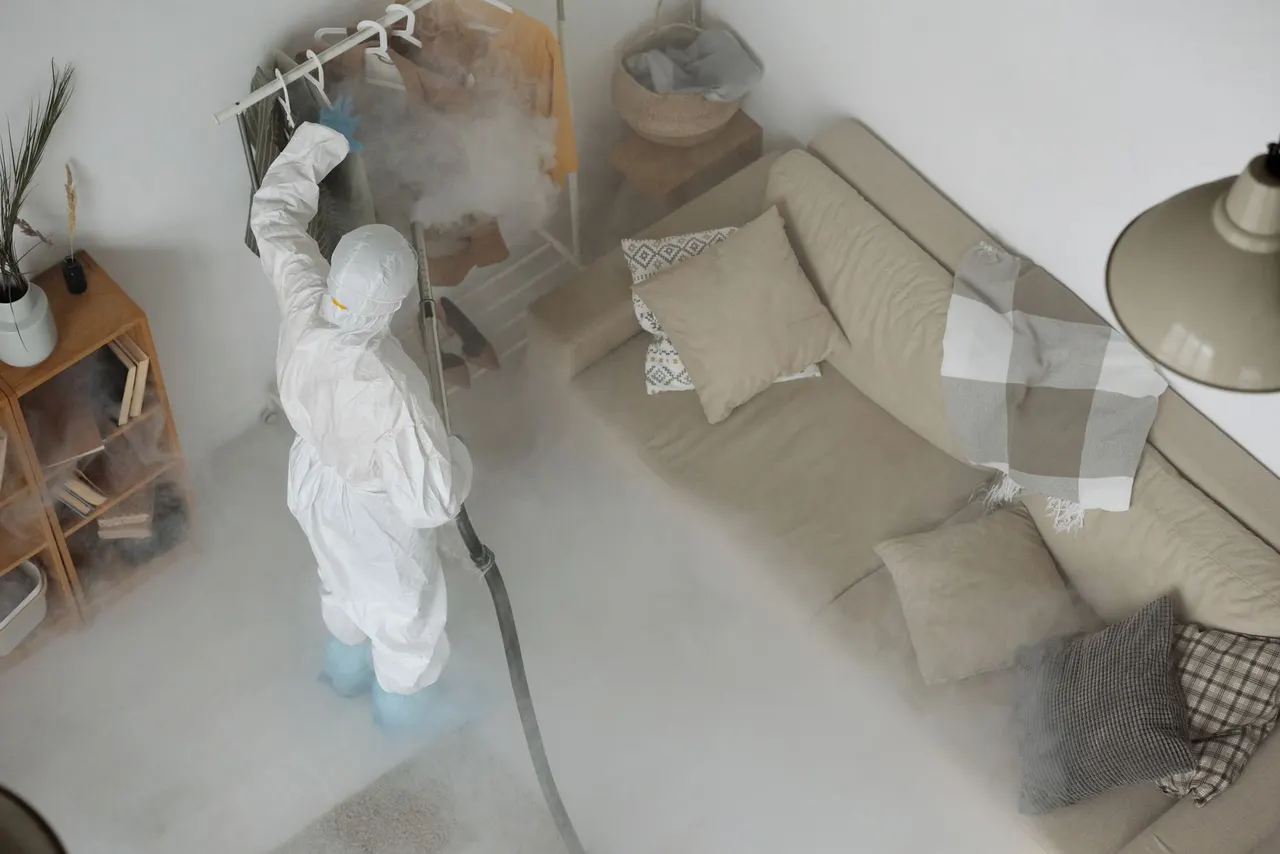
You are selling a Littleton home and the inspector flagged the attic.
We inspect, scope, and quote within a day, then complete the work on a schedule that fits your closing timeline. All work is documented for the buyer and lender.
Outcome: The deal moves forward without the attic becoming a negotiation problem.

Your upstairs rooms are 10 degrees hotter than the rest of the house in summer.
We check insulation depth, air sealing, and ventilation. Most of the time the fix is removing old compressed material and installing new insulation with proper baffles.
Outcome: Upstairs rooms stay within a few degrees of the main floor, and your AC stops running constantly.

You had a roof leak repaired but never replaced the insulation underneath.
We remove the wet or moldy material, treat the sheathing and trusses, and install new insulation. We also confirm the repair is holding with a moisture reading before we close up.
Outcome: No mold regrowth, no musty smell, and insulation that performs the way it should.

You are a landlord turning over a rental and the attic smells musty.
We inspect, treat any mold, and replace the insulation between tenant move-out and move-in. Documentation is provided for your records and the next inspection.
Outcome: The unit is ready to rent without an attic issue hanging over the lease.
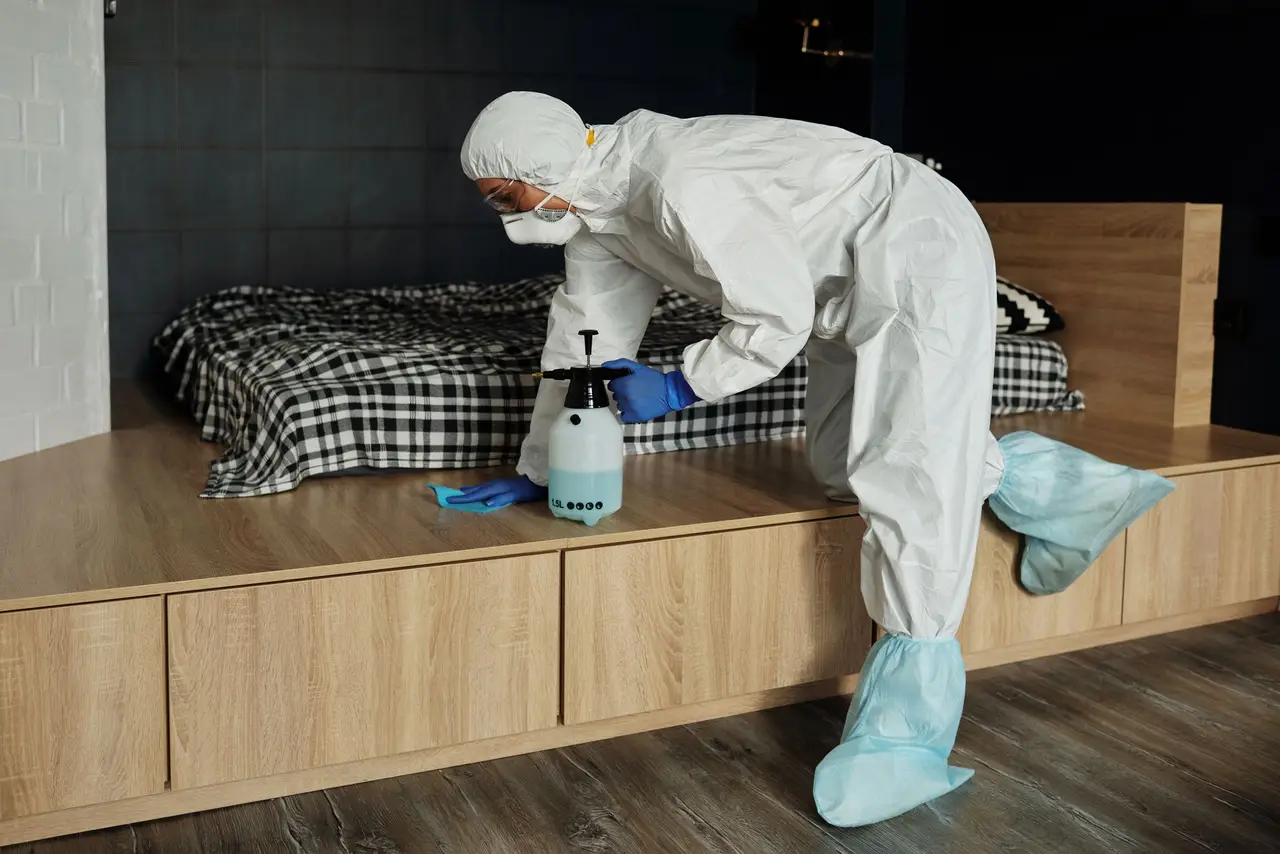
Littleton sits in a climate zone where attics swing from 130 degrees in July to below zero in January, and that temperature cycling is hard on insulation. Most of the housing stock in Arapahoe County was built between 1960 and 1995, and a lot of it still has the original R-11 or R-19 batts. Add a roof leak or a bath fan venting into the attic and you have the recipe for insulation mold.
We see it constantly in the older neighborhoods near Downtown Littleton and Sterne Park. When we quote attic insulation replacement in Littleton CO near me jobs, we always check ventilation first, because new insulation in a poorly vented attic will fail the same way the old stuff did. We install baffles, confirm intake and exhaust airflow, and only then blow in new material.
For homeowners looking for same-day attic insulation replacement Littleton CO, we can often inspect and quote the same day you call.

Before: A 1,400 square foot attic in Ken Caryl had fiberglass insulation soaked by a slow roof leak. Black mold was visible on the sheathing and trusses, and the upstairs smelled musty year-round.
After: We repaired the leak, treated the wood with Concrobium, HEPA vacuumed the space, and installed R-49 blown-in fiberglass. Moisture readings came back dry at the final check, and the smell was gone within a day.
We recommend a moisture check each fall before the snow starts. Catching a leak early is the difference between a small repair and a full replacement.
Before: A ranch home near Sterne Park still had the original R-11 batts, compressed to about half their rated thickness. Upstairs bedrooms ran 8 to 10 degrees hotter than the main floor all summer.
After: We removed the old batts, air sealed around lights and top plates, installed baffles, and blew in R-60 cellulose. The homeowners reported the upstairs stayed within 3 degrees of the main floor.
Keep an eye on attic access panels and make sure they seal tight. A loose hatch can undo a lot of the work in one winter.
Before: A duplex in Littleton Village had rodent contamination and mold on the insulation after a long vacancy. The property manager needed it rent-ready within a week.
After: We removed the contaminated insulation, sanitized the framing with Benefect, sealed the entry points, and installed new R-49 insulation. The unit passed inspection with no follow-up items.
We suggested a yearly attic check between tenants. It catches rodent activity and moisture problems before they turn into a bigger job.
Most of the calls we get about attic insulation replacement in Littleton CO near me come down to one of these four issues. Each one has a fix, and each one gets worse the longer it sits.
New insulation means steadier rooms and lower bills.
A properly insulated Littleton attic can cut heating and cooling costs by 15 to 25 percent. We blow in enough material to hit the R-49 to R-60 range recommended for Colorado's climate zone, which keeps your furnace from running all night in January.
Wet fiberglass is a food source for black mold. When we do attic insulation removal and replacement in Littleton CO, we take the contaminated material out, treat the sheathing and trusses, and put back insulation that stays dry. That breaks the cycle instead of just covering it up.
That damp, earthy odor drifting down from your ceiling is usually insulation mold. Once the old material is gone and the attic is sanitized, the smell goes with it. Most customers notice the difference within a day of the work being finished.
Rooms over the garage and upstairs bedrooms are the first to feel it when insulation fails. New insulation and proper attic ventilation installation keep those rooms within a few degrees of the rest of the house instead of 10 degrees off.
What a written scope covers and what shapes it. Prices are set by the business after the first look.
Included
Depends on
Clear records you can keep and share.

Before, during, and after images.
What was removed and installed.
R-value and inches recorded.
Readings taken before and after.
Adding insulation over wet or moldy material traps the problem instead of fixing it.
Old material comes out completely.
New material goes over the old.
Only the damaged section is replaced.
A list like this tells people straight away whether you cover their street. Not listed? Call and ask: it only takes a minute.
Based in Littleton and covering the places around it. Pick one for local details.
A basic blow-in on a 1,200 square foot attic sits near the low end. Add mold remediation, new baffles, or ductwork repair and you move toward the top. We give you a flat number after the inspection, not a range.
Blown-in fiberglass or cellulose is the right call for most Littleton attics because it fills gaps around trusses and ductwork that batts miss. We target R-49 to R-60 for this climate zone. If your attic has heavy moisture problems, we may recommend a mold-resistant approach and improved ventilation before any insulation goes back in, so the new material stays dry.
A typical Littleton home takes one to two days from setup to final walkthrough. Removal and disposal is the slow part, usually a full day on a 1,500 square foot attic. Air sealing and blowing in new insulation takes another four to six hours. If we are also treating mold on the sheathing or trusses, add a day for treatment and drying.
Yes, in almost every case. Fiberglass and cellulose that have been wet hold mold spores even after the surface looks clean, and they lose their R-value once compressed. Replacing the insulation is the only way to be sure the mold does not come back. We treat the wood first, confirm it is dry with a moisture meter, then install new material.
Other services from the same team.
Call (720) 953-3834 and we will schedule an inspection, show you photos of what we find, and give you a flat price the same day. No pressure, no per-bag surprises.
Call (720) 953-3834 or email us and we will schedule an attic inspection, usually within a day or two. We work Monday through Friday, 8am to 6pm, and we answer the phone ourselves. If you have a leak or storm damage, tell us and we will prioritize the call.