For Homes
We test attics in houses, townhomes, and duplexes across Littleton. You get a written report you can share with your family, your agent, or your insurer.
- Musty smell upstairs
- Staining on sheathing
- Recent roof leak
When you need Attic Mold Testing Littleton CO homeowners actually rely on, our team inspects, samples, and documents every result. We serve houses from Historic Downtown Littleton to Ken Caryl and Sterling Ranch. If you have smelled a musty odor, spotted dark staining on roof sheathing, or you are buying a home, we find out what is growing and why. Same-day appointments are often available.
 Moisture mappingAir samplingLab reports
Every testing visit covers a full inspection, moisture mapping, and at least one lab sample. Additional samples, ductwork testing, and post-remediation verification are available as add-ons. We tell you the cost of each item before we collect it.
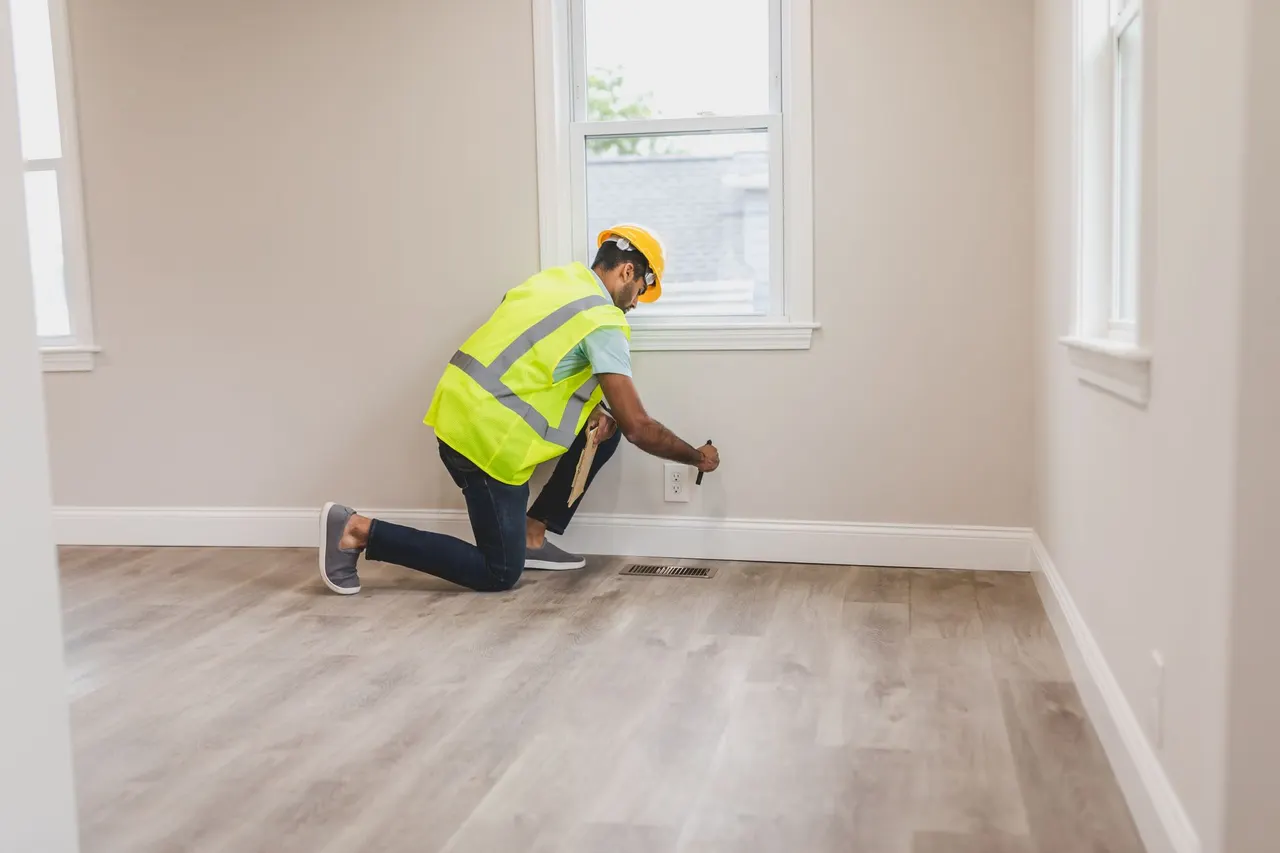
We walk the entire attic, checking roof sheathing, trusses, insulation, ductwork, and ventilation openings. Photos document anything notable. This step usually takes 30 to 45 minutes and sets the direction for sampling.
A moisture meter and hygrometer measure surface and air moisture across the attic. We log readings in multiple locations so you can see where the wet spots are. Thermal imaging helps confirm hidden moisture behind insulation.
We run a calibrated air pump to collect spores on a slide or cassette. One indoor sample plus one outdoor baseline is standard. The lab compares the two to tell you whether attic spores are elevated.
When we see visible growth, we swab or tape-lift the surface. Surface samples confirm whether the staining is active mold, dead mold, or something else. We collect from sheathing, trusses, or insulation as needed.
The lab report includes species identification, spore counts, and a comparison to outdoor baseline. We email it as a PDF and walk you through the findings by phone. The report is suitable for insurance, real estate, and contractor use.
We explain what the numbers mean, whether remediation is needed, and what the likely moisture source is. If the fix is ventilation or a roof repair, we tell you who to call. No pressure to buy additional services.
The approach is the same for a home and a business. What changes is the access, the schedule and who needs the paperwork.
We test attics in houses, townhomes, and duplexes across Littleton. You get a written report you can share with your family, your agent, or your insurer.
We work with property managers and building owners on larger attics. Scheduling can be arranged around tenant needs and building hours.
A plain-language look at what Attic Mold Testing involves and when it is needed.
See how it worksAttic Mold Testing Littleton CO is a diagnostic service that measures moisture, inspects structural surfaces, and collects air and surface samples to identify mold growth in your attic. We start with a moisture meter and a hygrometer to map humidity levels, then use a thermal imaging camera to find hidden condensation and roof leaks. A boroscope lets us check inside wall cavities and behind insulation.
Littleton sits in Arapahoe County where cold nights and warm days create heavy condensation on roof sheathing, especially from November through March. Homes near Chatfield Bluffs and Roxborough Park often battle poor attic ventilation that traps humid air. If you have been searching for attic mold test near me Littleton, we handle the full scope, from sampling to a clear explanation of what the lab found. We also test ductwork and trusses when the staining suggests growth has spread.
Testing tells you what is growing, how much, and whether it needs to be removed.

Every job follows the same five steps so you know exactly what to expect. We handle single-family homes, townhomes, and commercial buildings across Littleton and the surrounding foothills.
We ask about odors, staining, roof leaks, and recent water events. You tell us what you have noticed, and we schedule a visit, often the same day. The call takes about ten minutes and helps us bring the right equipment.
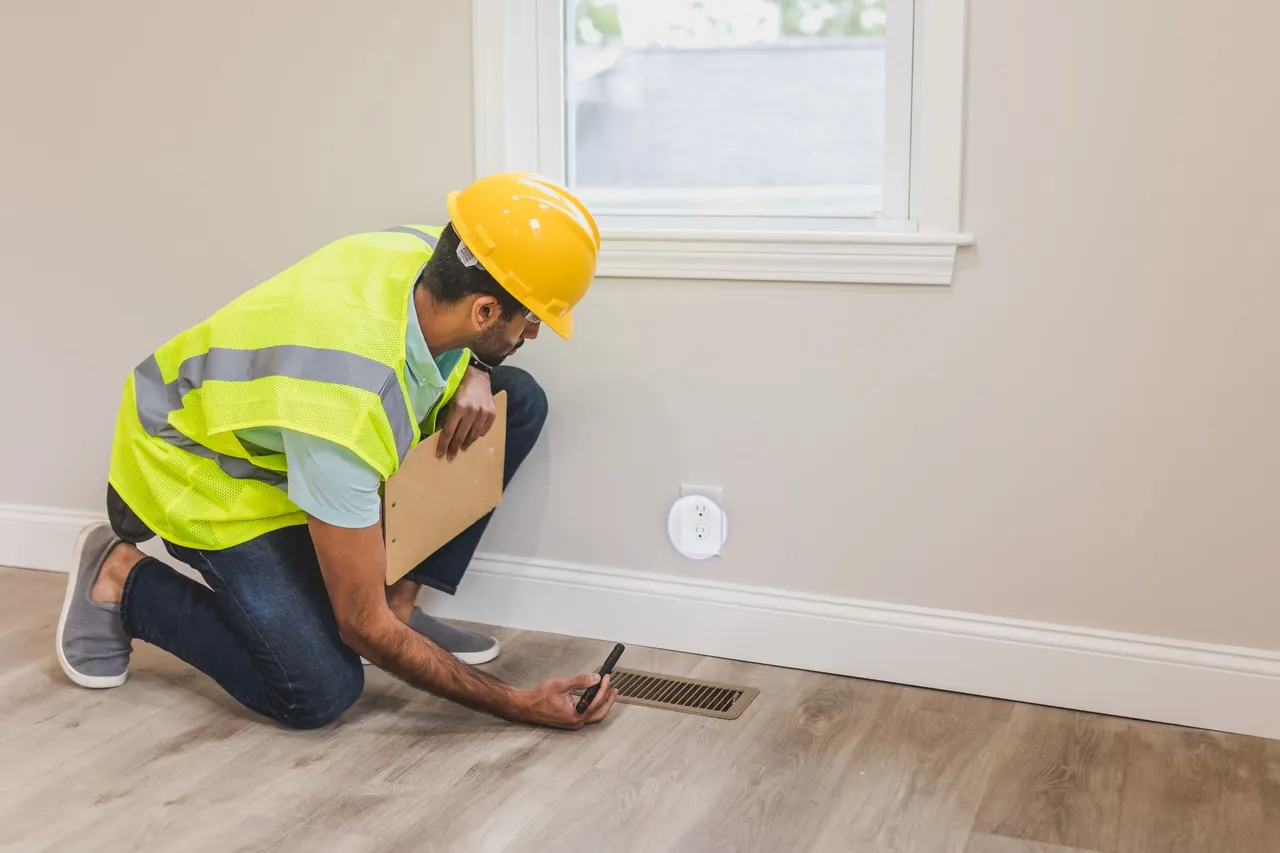
A technician walks the attic with a moisture meter, hygrometer, and thermal imaging camera. We check roof sheathing, trusses, insulation, and ductwork. This step usually takes 45 to 90 minutes depending on attic size and accessibility.

We collect air samples with a calibrated pump and surface samples with sterile swabs. Each sample is labeled, sealed, and logged. We follow IICRC and ACAC protocols so the chain of custody holds up for any report or claim.

Turnaround is typically 24 to 48 hours. We call you with preliminary findings as soon as the results arrive and email the full report.

We walk you through the report, explain what the numbers mean, and outline next steps. If remediation is needed, we provide a clear scope. If the issue is ventilation or a roof leak, we explain the fix and who should handle it.

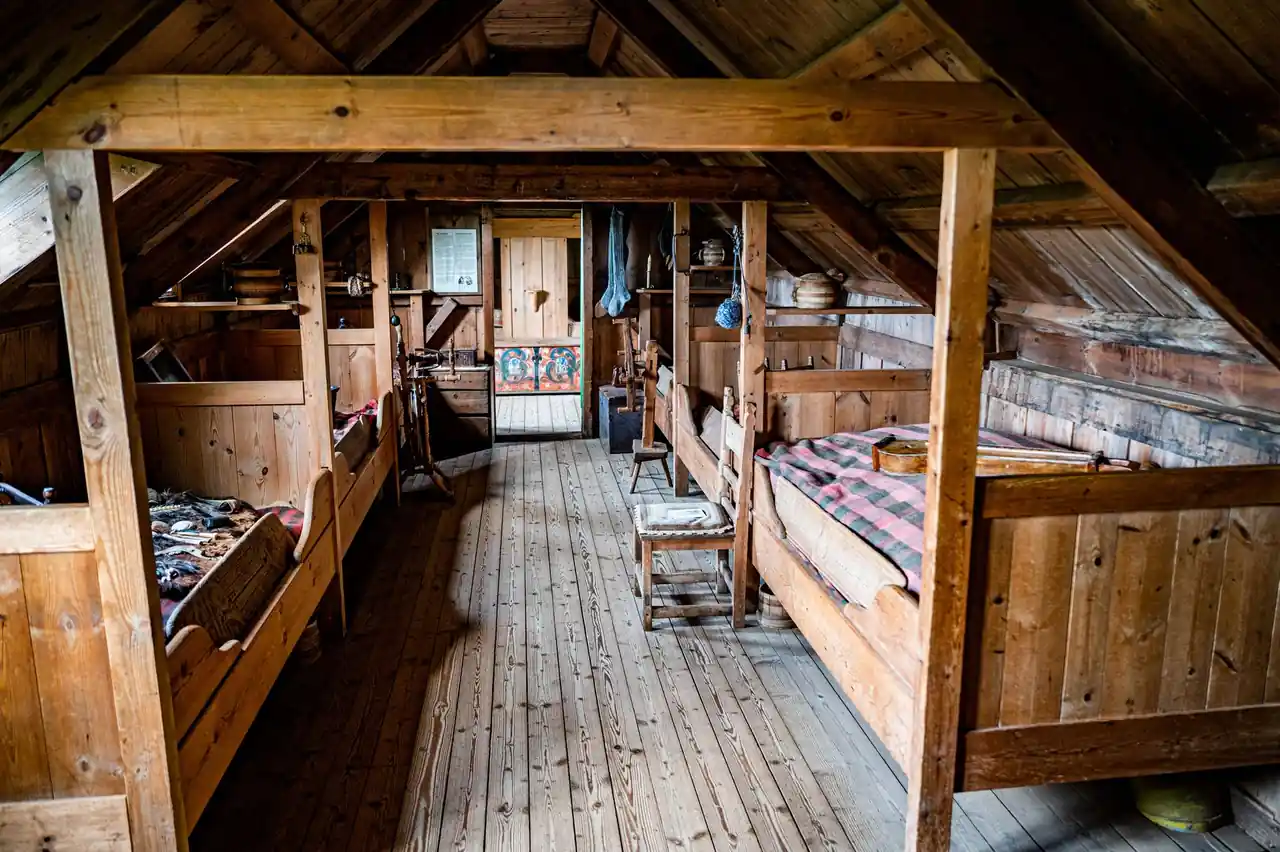
Move across a circle, or focus it and press Enter, for an illustrative thermal view of the photograph.
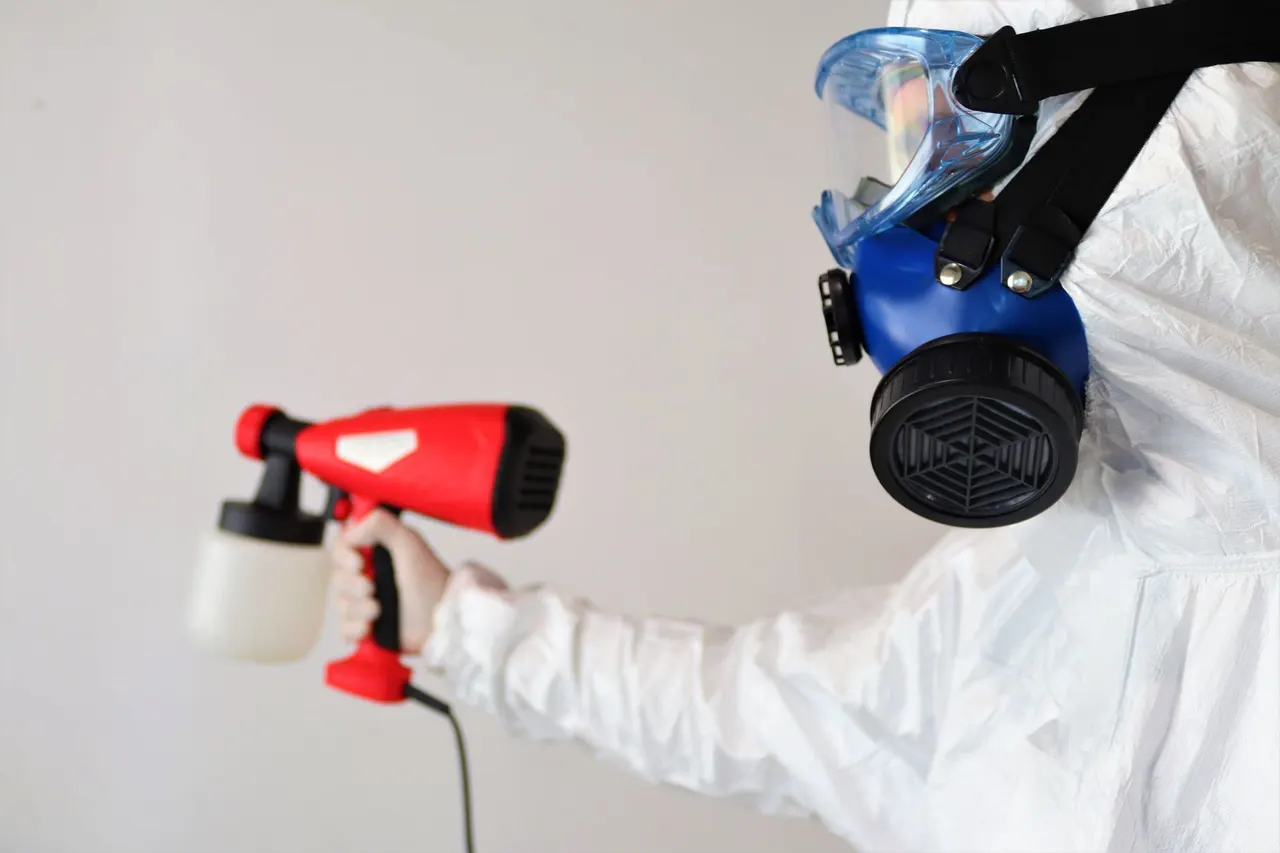
Measures moisture content in wood sheathing, trusses, and drywall. Pin and pinless modes let us check surfaces without leaving marks.
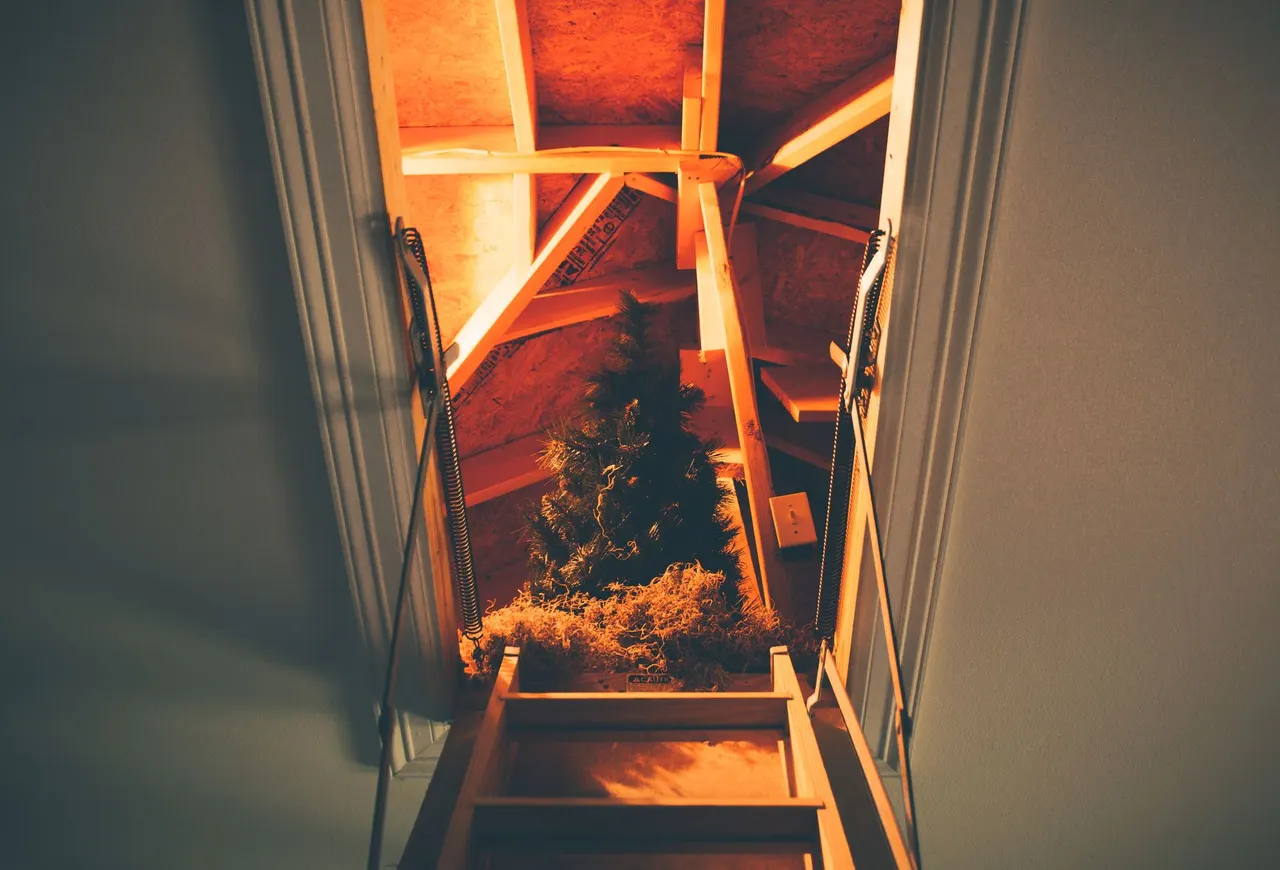
Reveals temperature differences that indicate hidden moisture behind insulation or under sheathing. We use it to target sampling locations.
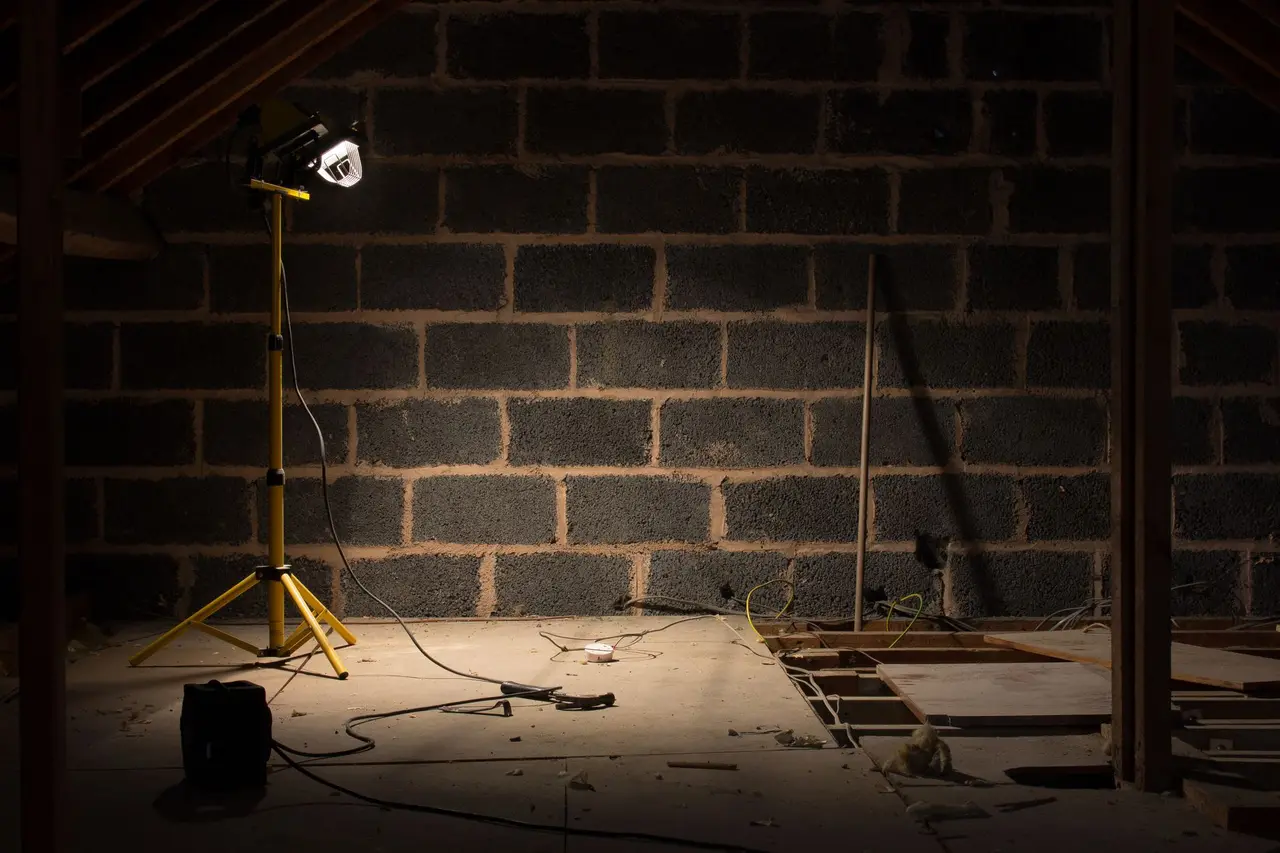
Reads relative humidity and temperature in the attic. High readings point to ventilation problems that feed condensation mold.
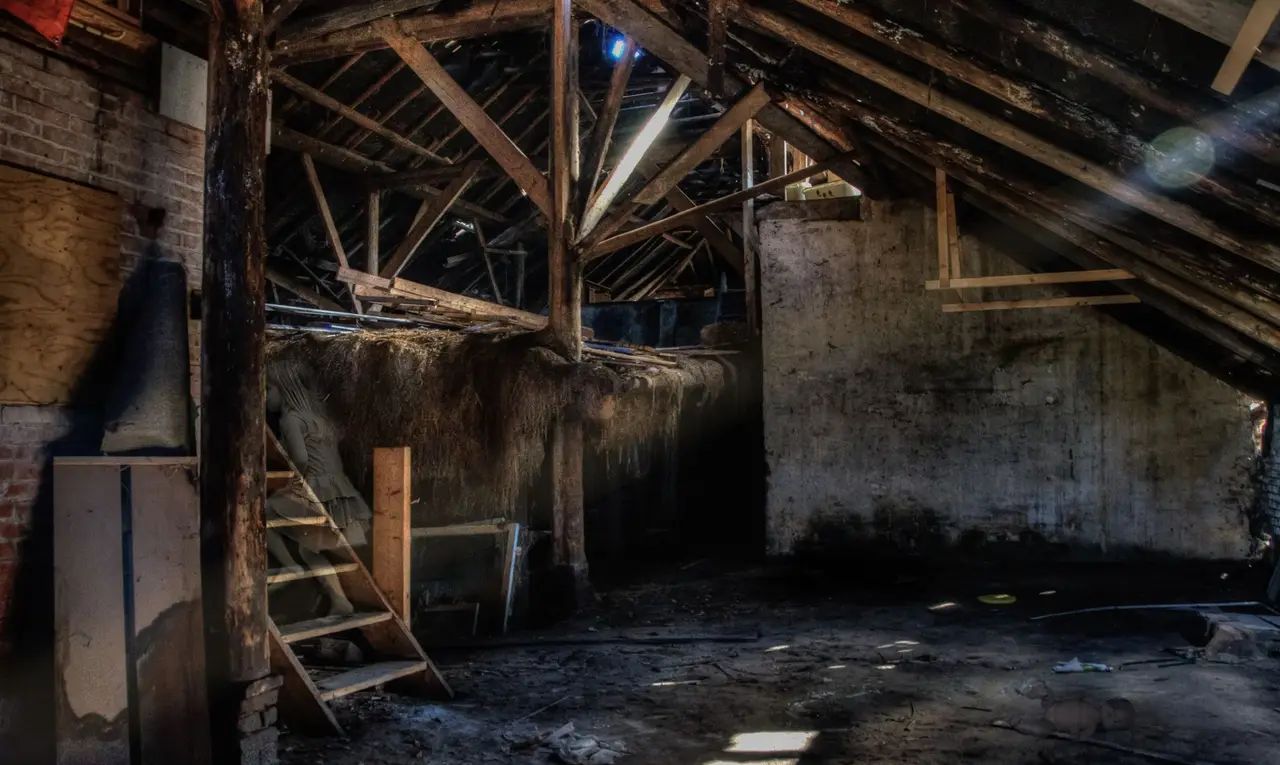
A slim camera that lets us see inside wall cavities, behind insulation, and around ductwork without cutting open the structure.
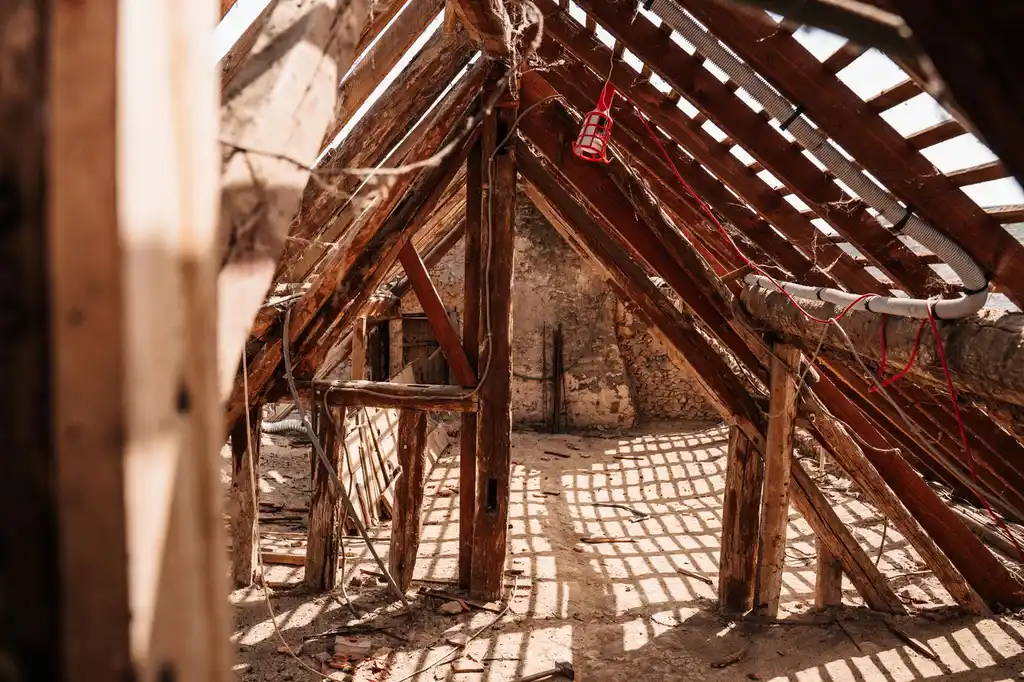
Draws a calibrated volume of air through a spore trap cassette. The cassette goes to the lab for species identification and spore counting.
Thermal views are illustrative, generated from the photographs.
Captures fine spores and debris during cleanup and decontamination. HEPA filtration keeps spores from spreading to the rest of the house.
Filters airborne particles continuously during remediation. We run scrubbers to keep the work area clean and protect adjacent living spaces.
We follow IICRC standards for mold assessment, which cover inspection, moisture mapping, sampling, and documentation. Following these protocols keeps our reports defensible for insurance and real estate use.
Air samples measure airborne spores and compare indoor levels to an outdoor baseline. Surface samples confirm growth on sheathing, trusses, or insulation. We combine both when the situation calls for it.
We use thermal imaging and moisture meters together to locate hidden moisture. This method finds wet spots behind insulation and inside wall cavities that a visual inspection would miss.
Every sample is labeled, sealed, and logged with time, location, and collector information. The chain of custody stays intact from collection to lab, which matters for any formal report or claim.
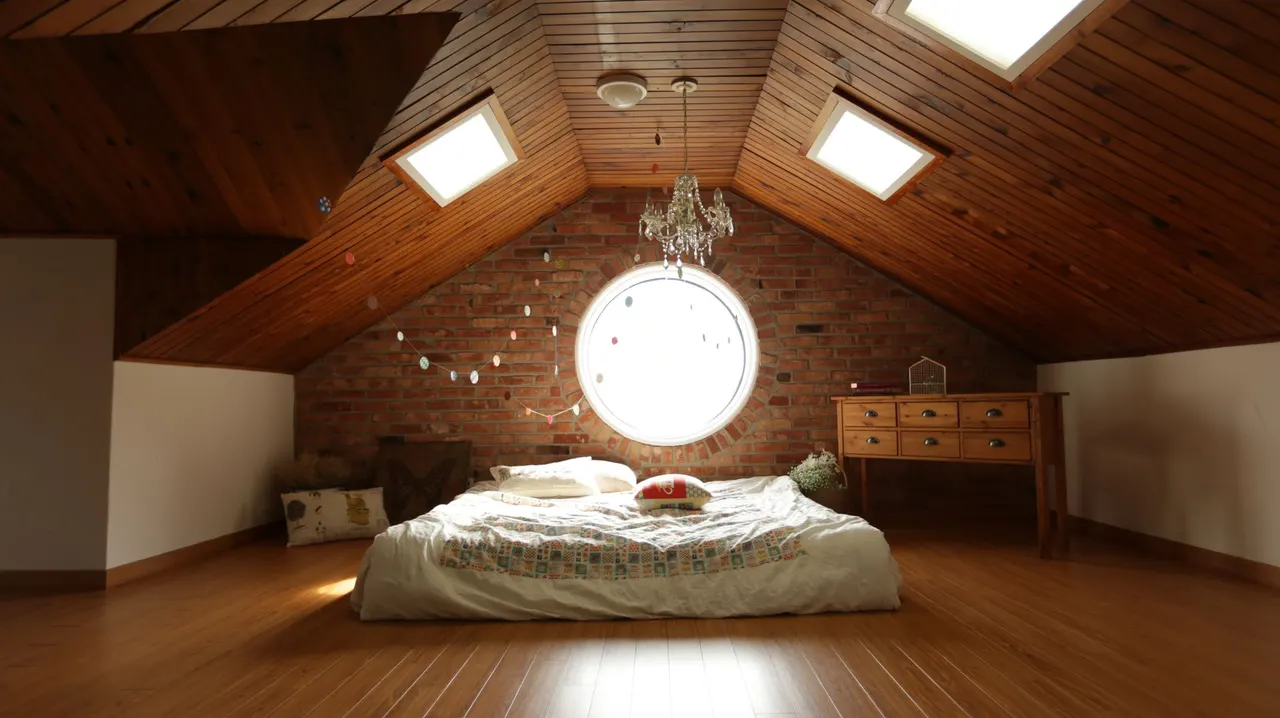
You are buying a home in Littleton and the inspector noted attic staining.
We schedule testing within a day or two, collect air and surface samples, and deliver a lab report that identifies species and spore counts. The report gives you a factual basis for repair requests or price negotiations.
Outcome: You close with confidence, knowing exactly what is in the attic and what it will cost to fix.
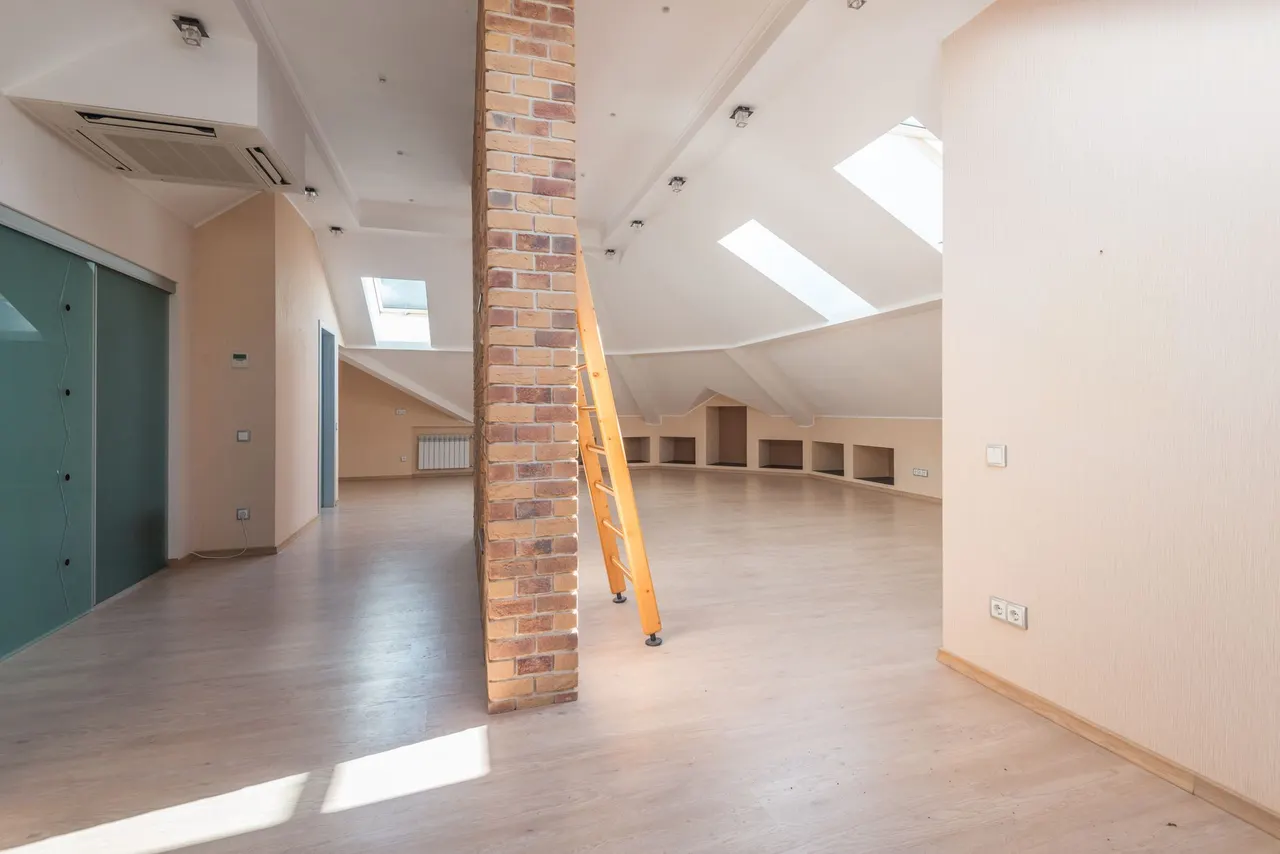
You smell something musty in the upstairs bedrooms every winter.
We inspect the attic, map moisture, and sample the air. If spores are elevated, we trace the source, which is often condensation on sheathing or a hidden roof leak. We explain the fix and provide a written report.
Outcome: The odor source is identified and corrected, and your upstairs air quality improves.

A hailstorm damaged your roof and you are worried about water intrusion.
We use thermal imaging to find wet spots, then sample for mold. If growth is present, we scope remediation and coordinate timing with your roofing contractor so the leak is fixed first.
Outcome: You catch mold early, before it spreads to trusses or insulation, and avoid a larger repair bill.

You are a landlord preparing a rental property between tenants.
We test the attic on a schedule that fits your vacancy window, provide documentation for your records, and remediate if needed. Reports are written so you can share them with tenants or insurers.
Outcome: The unit is ready to rent with documentation showing the attic was tested and cleared.
Someone in your household has allergies or asthma that worsen at home.
We run attic air quality mold testing Littleton CO residents use to measure spore counts and identify species. The report gives you and your doctor concrete information about what is in the air.
Outcome: You know whether the attic is contributing to symptoms and can act on facts instead of guesses.
Littleton's climate creates specific attic conditions. From November through March, warm indoor air rises into cold attics and condenses on roof sheathing. Homes built before 1980, common near Downtown Littleton and Columbine, often have undersized soffit vents and no ridge vent, which traps that moisture.
Newer builds in Sterling Ranch and TrailMark use tighter envelopes, which can also trap humidity if ventilation is not balanced. We see sheathing mold most often on north-facing roof slopes, and truss mold near bathroom exhaust fans that vent into the attic instead of outside. When you call for professional attic mold testing Littleton, Colorado homeowners trust, we bring the right tools for these conditions.
We also check ductwork, since attic ducts can carry spores into living spaces.
Before: A homeowner in Ken Caryl noticed a musty smell every winter. The attic had visible dark staining on the north-facing sheathing, and humidity readings were above 65 percent. No ventilation upgrades had been made since the home was built.
After: We sampled the sheathing and confirmed active mold growth. After remediation and ridge vent installation, humidity dropped to 45 percent. Follow-up air sampling showed spore counts back to outdoor baseline levels.
The homeowner checks attic humidity twice a year and keeps gutters clear to prevent roof leaks. We recommend a follow-up inspection every two years.
Before: A buyer's inspector flagged attic staining on a 1950s ranch home near Downtown Littleton. The seller claimed it was old staining, and the buyer wanted proof before closing. The deal was on a two-week timeline.
After: We tested the same day and delivered lab results in 36 hours. The report showed dead mold with low spore counts, which meant no remediation was needed. The deal closed on schedule with a small credit for ventilation improvements.
The new owner installed additional soffit vents and monitors attic humidity each season. We provided a baseline report for future comparison.
Before: A hailstorm damaged the roof of a Roxborough Park home, and water stained the ceiling two weeks later. The attic had wet insulation and early mold growth on trusses near the leak point. The homeowner filed an insurance claim.
After: We documented the moisture with thermal imaging and sampled the trusses. The lab confirmed early-stage mold. Remediation removed the affected insulation, treated the trusses, and replaced the wet materials. The insurance claim was approved with our report.
We provided a post-remediation verification report.
Most attic mold calls start with a smell, a stain, or a home inspection report. We figure out what is actually happening and give you a clear path forward.
Know exactly what is in your attic before you spend on repairs.
You get a written report in 24 to 48 hours, which is exactly what you need for an insurance claim or a real estate negotiation in Littleton.
A thermal imaging camera and moisture meter reveal wet spots behind insulation and under sheathing that you cannot see. Catching a roof leak or condensation problem early saves thousands in structural repairs and stops mold from returning.
Attic air quality mold testing Littleton CO residents request often shows spores migrating into living spaces through ductwork and ceiling gaps. Knowing the spore count helps you decide whether to seal, ventilate, or remediate before anyone gets sick.
Buyers and sellers in Littleton need clear documentation. We schedule attic mold testing for real estate Littleton CO transactions on tight timelines.
What a written scope covers and what shapes it. Prices are set by the business after the first look.
Included
Depends on
Clear records you can keep and share.
Species identification and spore counts
Images of every area inspected
Readings from each test location
Plain-language explanation of results
Not every dark stain is active mold. Testing separates active growth from old staining and dirt.
Living mold with elevated spore counts
Dead spores that are not currently growing
Discoloration that is not mold at all
A list like this tells people straight away whether you cover their street. Not listed? Call and ask: it only takes a minute.
Based in Littleton and covering the places around it. Pick one for local details.
A basic inspection with one or two air samples sits at the low end. Larger attics, multiple surface samples, or ductwork testing push the price higher. We quote the full cost before we start.
Lab results typically come back in 24 to 48 hours. We call you with preliminary findings as soon as the lab reports, then email the full written report the same day. If you are on a real estate deadline, tell us when you call and we will flag the job for priority turnaround.
Yes, especially in Littleton where cold nights and warm days drive condensation on roof sheathing. Testing tells you whether the dark staining is active mold, old staining, or just dirt. Without lab results you are guessing, and guessing leads to either unnecessary remediation or a problem that keeps coming back.
We offer air sampling, surface sampling, and bulk sampling. Surface sampling confirms growth on sheathing, trusses, or insulation. Bulk sampling tests a piece of material when visual growth is heavy. We recommend the right combination after the inspection.
Other services from the same team.
Call (720) 953-3834 and we will schedule your inspection, often the same day. You get a written report with lab results in 24 to 48 hours, plus a plain-language explanation of what we found and what to do next.
Call (720) 953-3834 or email us and we will schedule an attic inspection, usually within a day or two. We work Monday through Friday, 8am to 6pm, and we answer the phone ourselves. If you have a leak or storm damage, tell us and we will prioritize the call.