
Homes in Columbine Knolls
We work on ranches, two-story homes and everything in between. We treat your home like our own.
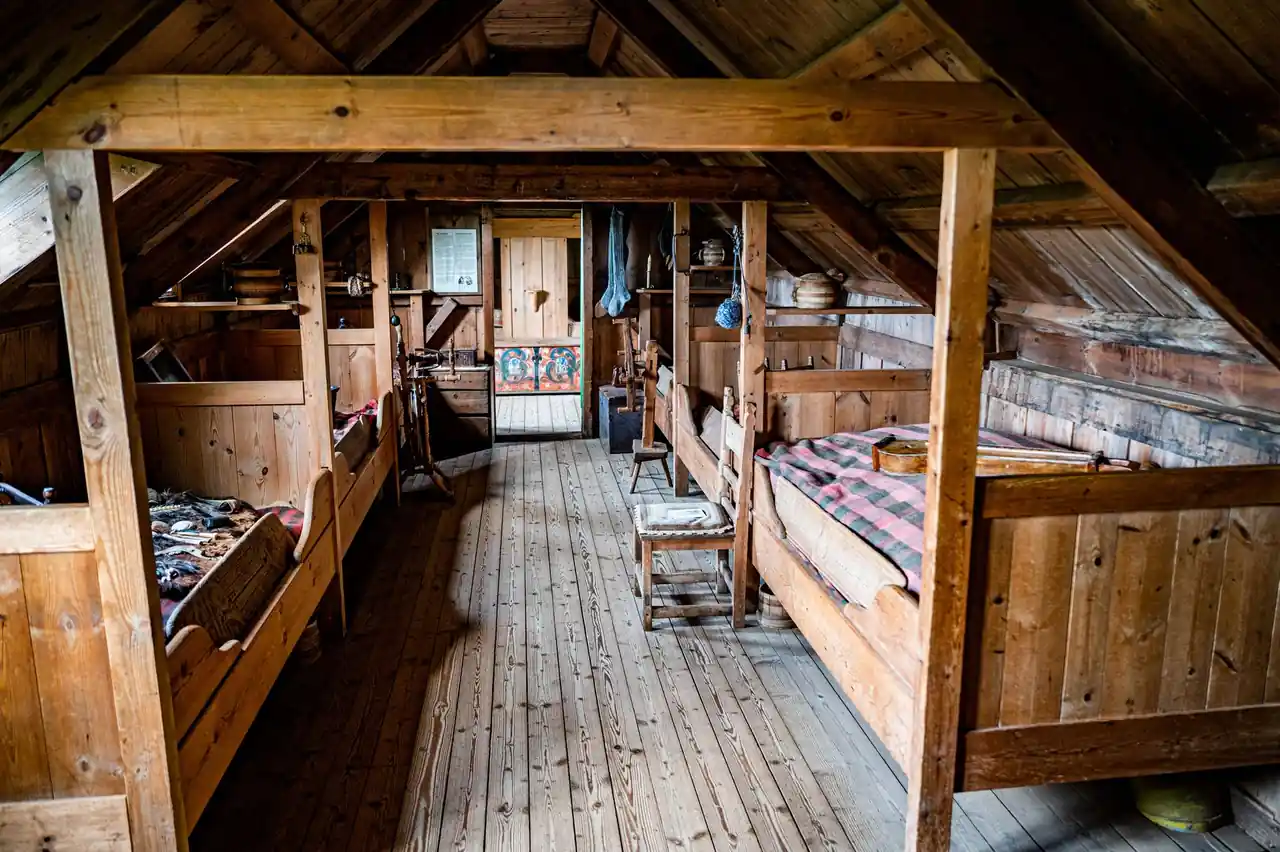
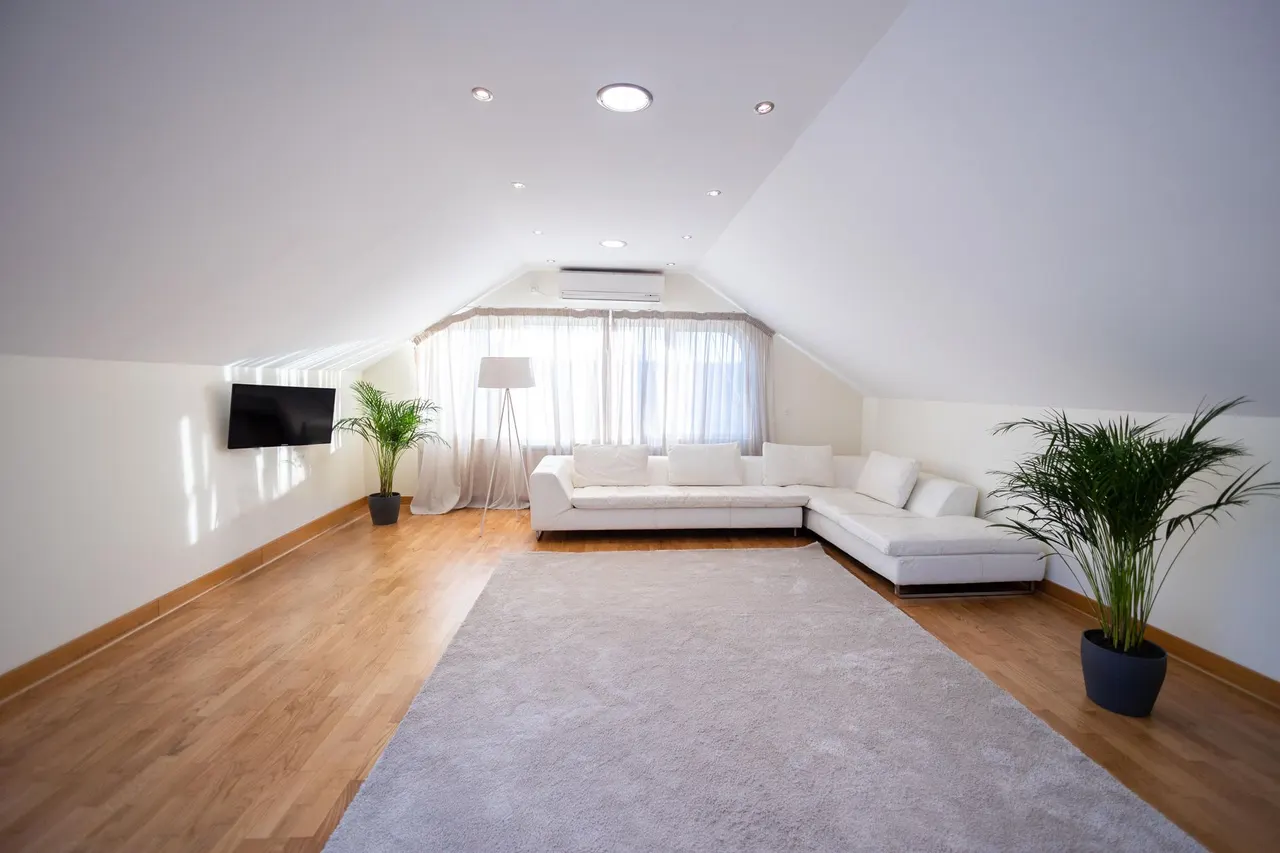
- 1970s ranches
- Two-story homes
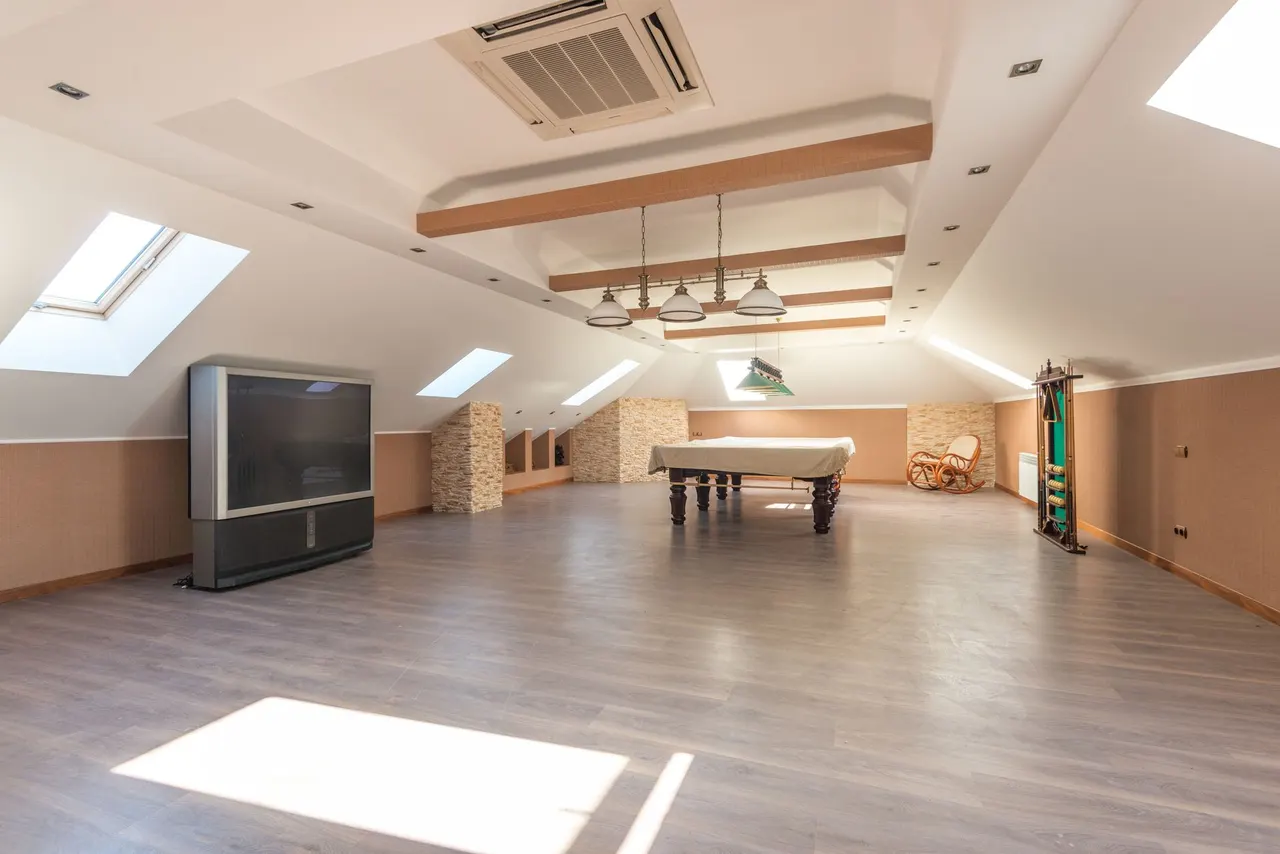
- Finished attics
- Older insulation
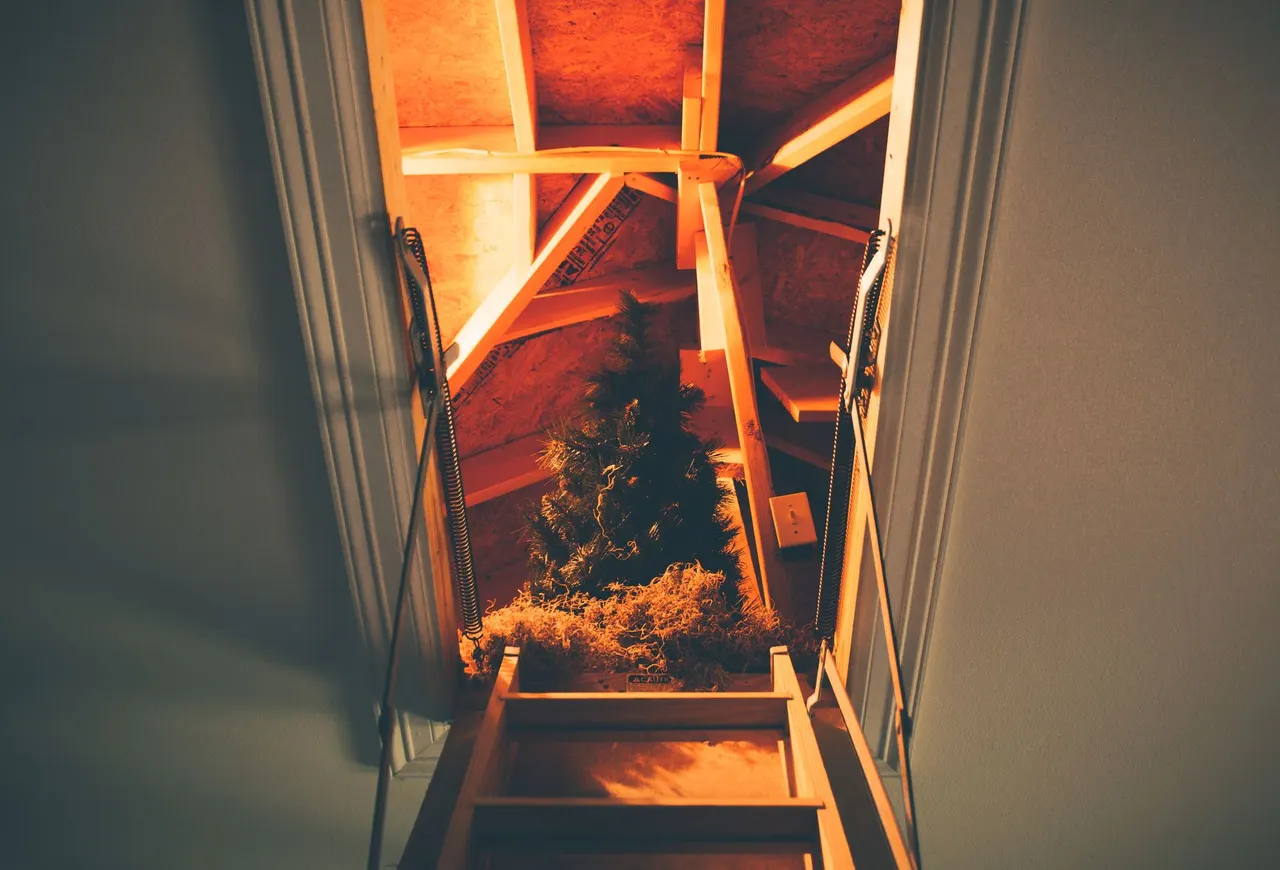
Attic Mold Removal in Columbine Knolls starts with finding the moisture source, not just spraying bleach. We inspect your attic with thermal imaging cameras and moisture meters, remove mold from sheathing, trusses and insulation, then fix the ventilation and leaks that caused it.
8167 Southpark Cir, Littleton, CO 80120, Littleton, Colorado
Serving Columbine Knolls and nearby
Attic Mold Removal in Columbine Knolls is a moisture-control service that removes mold growth from roof sheathing, trusses, insulation and ductwork, then corrects the ventilation and leak problems that let it grow. We work the neighborhoods here every week, from Columbine Knolls North to Columbine Knolls South, and we know what these attics do when a cold front rolls in off the foothills.
Most of the homes we open up were built between the 1960s and 1990s, with fiberglass insulation and wood sheathing that holds moisture long after a roof leak stops dripping. That is why we start every job with a moisture meter, a hygrometer and a thermal imaging camera instead of guessing. If you have been searching for Attic Mold Removal near Columbine Knolls, we can usually be on your street the same day you call.
We document everything with photos, treat affected wood with Concrobium or Benefect, and run HEPA vacuums and air scrubbers so spores do not spread into your living space while we work.
Columbine Knolls sits in Arapahoe County where humid summers and cold winters push attic dew points up and down all year. Add mature trees, hail-damaged shingles and 50-year-old bath fans that vent straight into the attic, and you get the musty odors and black mold we see on trusses and sheathing here. Families near Columbine Knolls Park and Littleton Adventist Hospital call us because they want the air in their kids' bedrooms clean, not just a spray-and-pray fix. We keep our schedule open for emergency calls and real estate deadlines in 80120, 80121, 80122, 80123 and 80160.
Good to know in Columbine Knolls
Attic temperatures swing from below freezing in winter to over 100 degrees in summer. That swing causes condensation on cold surfaces like roof sheathing and trusses, which feeds mold growth even without a leak.
Local codes require a minimum amount of attic ventilation relative to the attic floor area. We size and install vents to meet or exceed those requirements, which helps prevent the moisture problems that lead to mold.
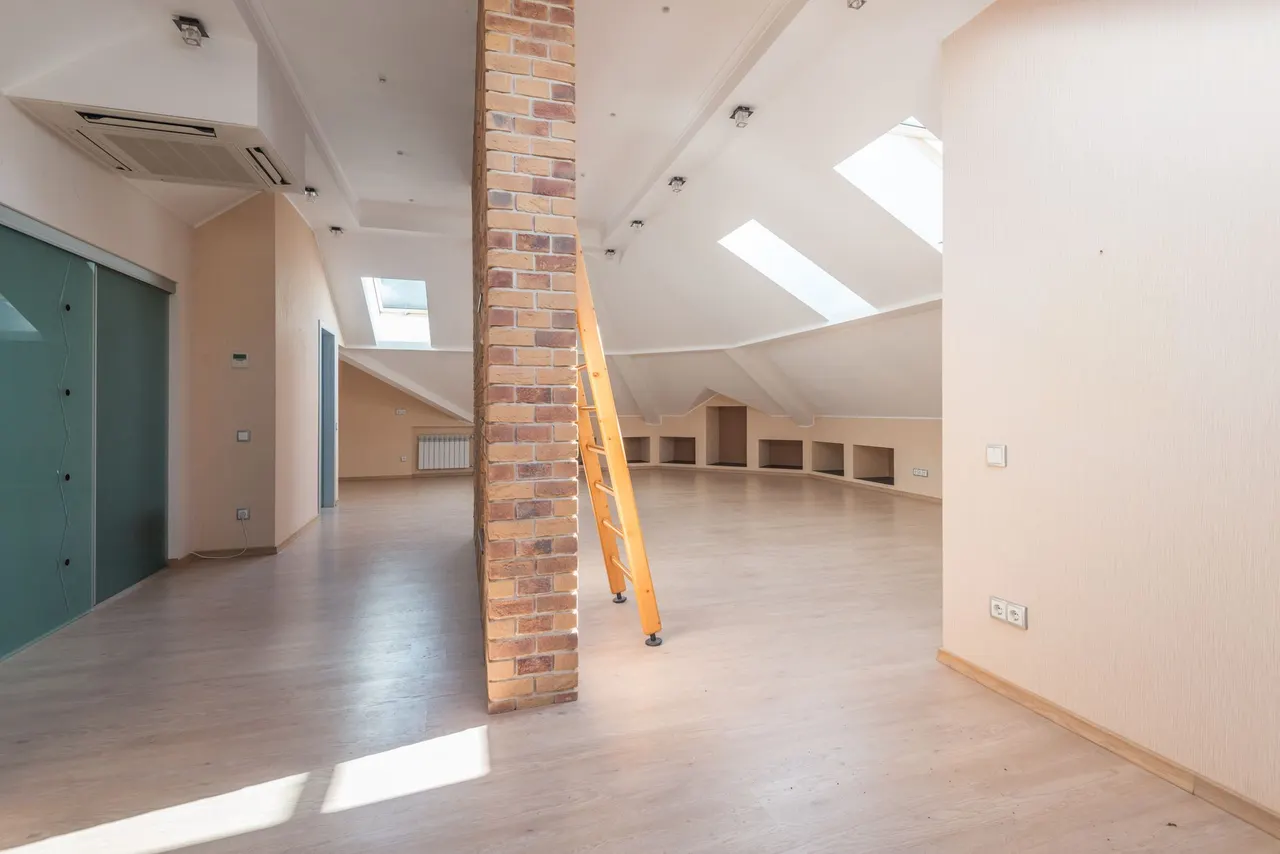
Homes here tend to be larger two-story builds with finished attics and HVAC ductwork running through unconditioned space.
Every attic in Columbine Knolls is a little different, so we do not run one script for every house.
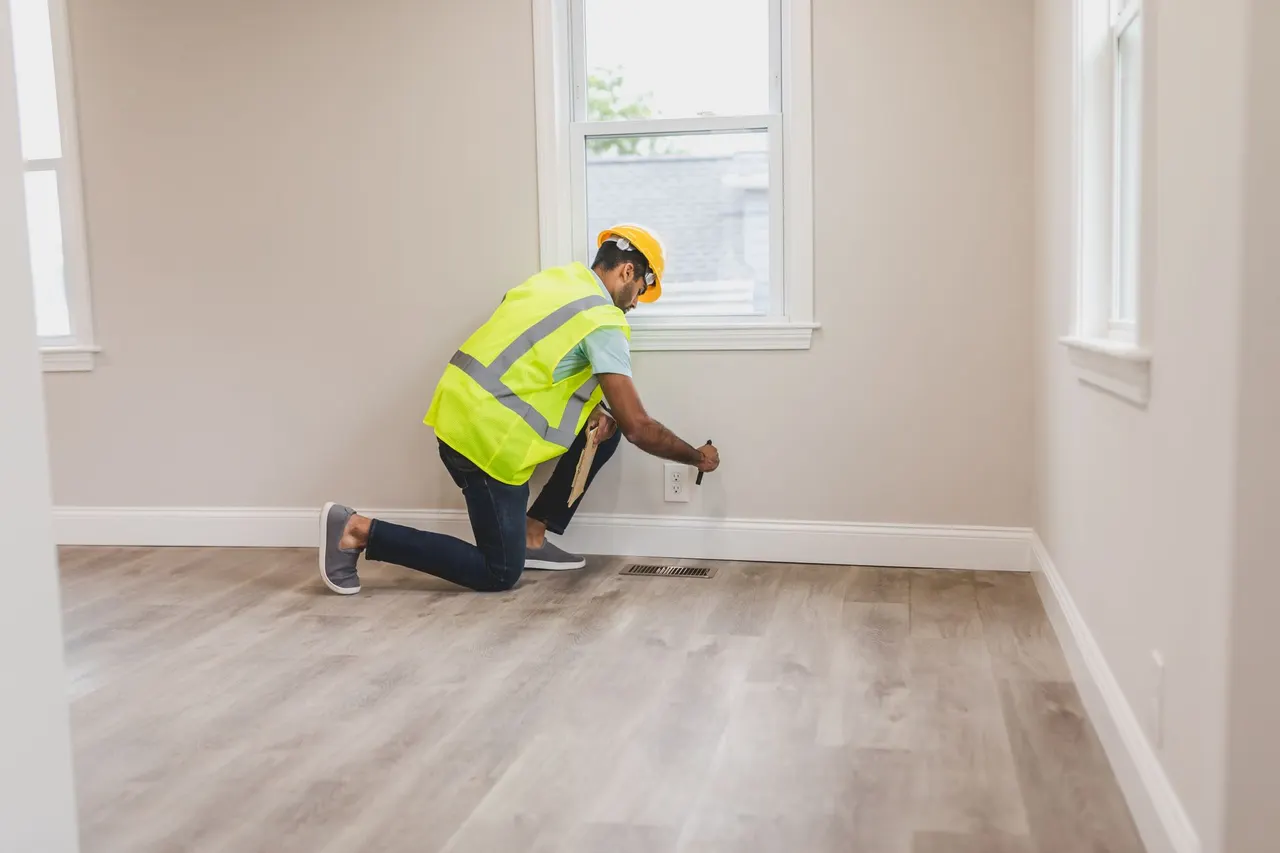
We inspect attics across Columbine Knolls North, South, East, West and Center using moisture meters, hygrometers and thermal imaging cameras to find hidden moisture behind insulation and along roof sheathing.
Results typically come back in two to three days, and we walk you through what the spore counts mean for your family and your next steps.
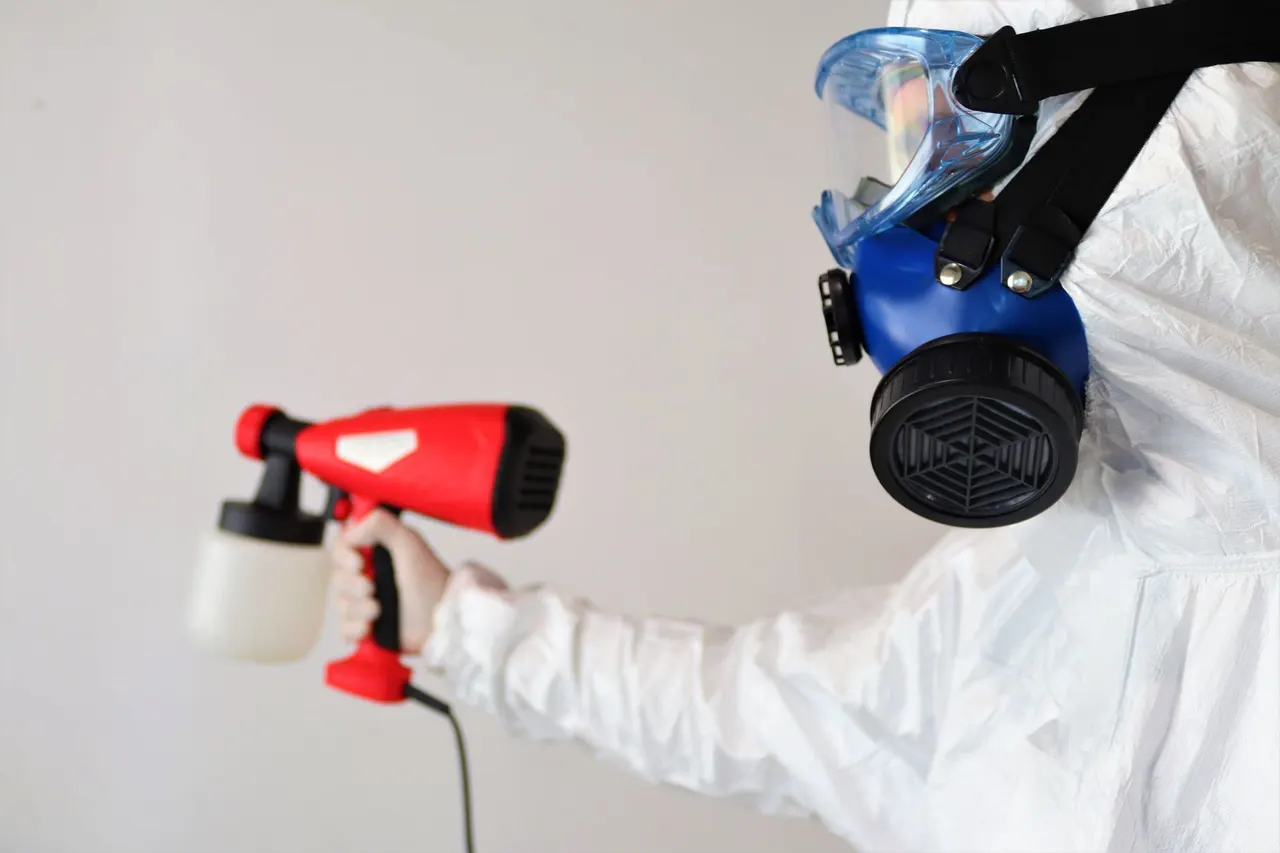
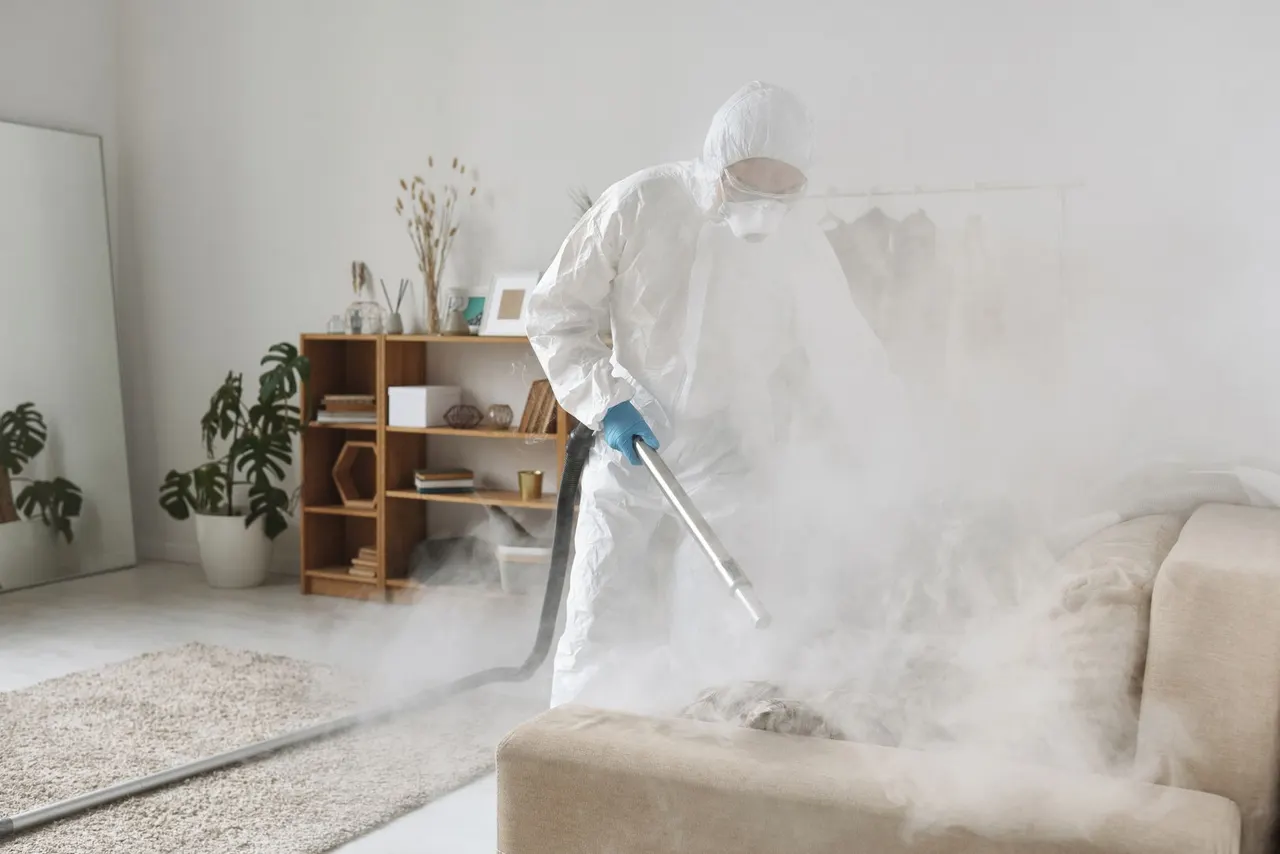
This is the core service. We set up negative air machines and HEPA vacuums, remove mold from sheathing, trusses and ductwork, then treat the wood with antimicrobial spray.
Remediation goes beyond removal. We fix the moisture source, whether that is a roof leak, a bath fan venting into the attic, or poor ventilation that traps humid summer air.
After removal, we treat affected wood with products like Concrobium, Benefect or RMR-86 to kill remaining spores and inhibit regrowth.
Prevention is about keeping moisture out. We seal air leaks, correct bath fan and dryer vent routing, and recommend mold-resistant drywall where appropriate.
We measure attic humidity with hygrometers and install the right combination of ventilation and moisture barriers to keep relative humidity below 60 percent.
Many Columbine Knolls homes were built with inadequate soffit and ridge venting. We install additional intake vents, ridge vents and powered exhaust fans sized to your attic volume.
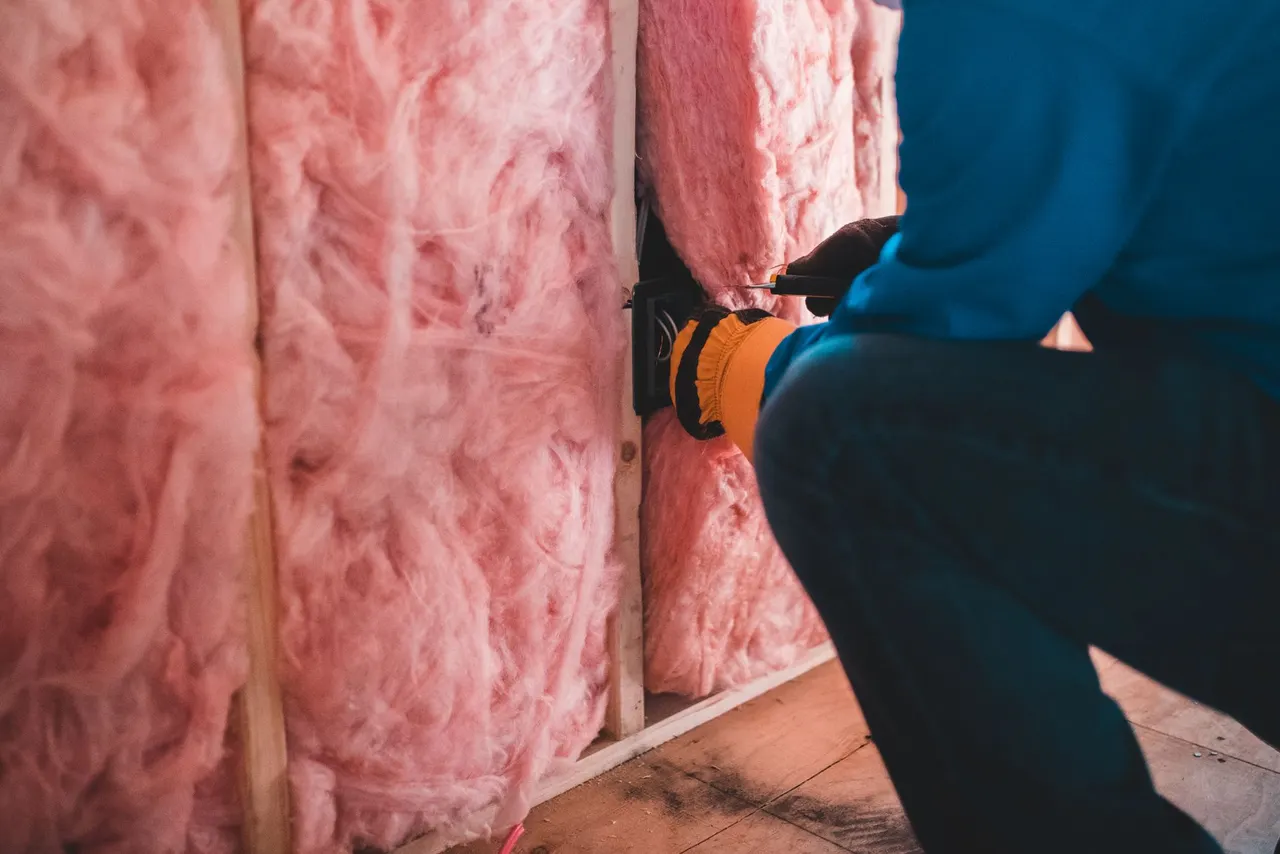
When fiberglass or cellulose insulation is contaminated with mold, it has to come out.
Decontamination means cleaning every surface in the attic, not just the visible mold.
That musty smell in your upstairs hallway is often attic mold you cannot see.
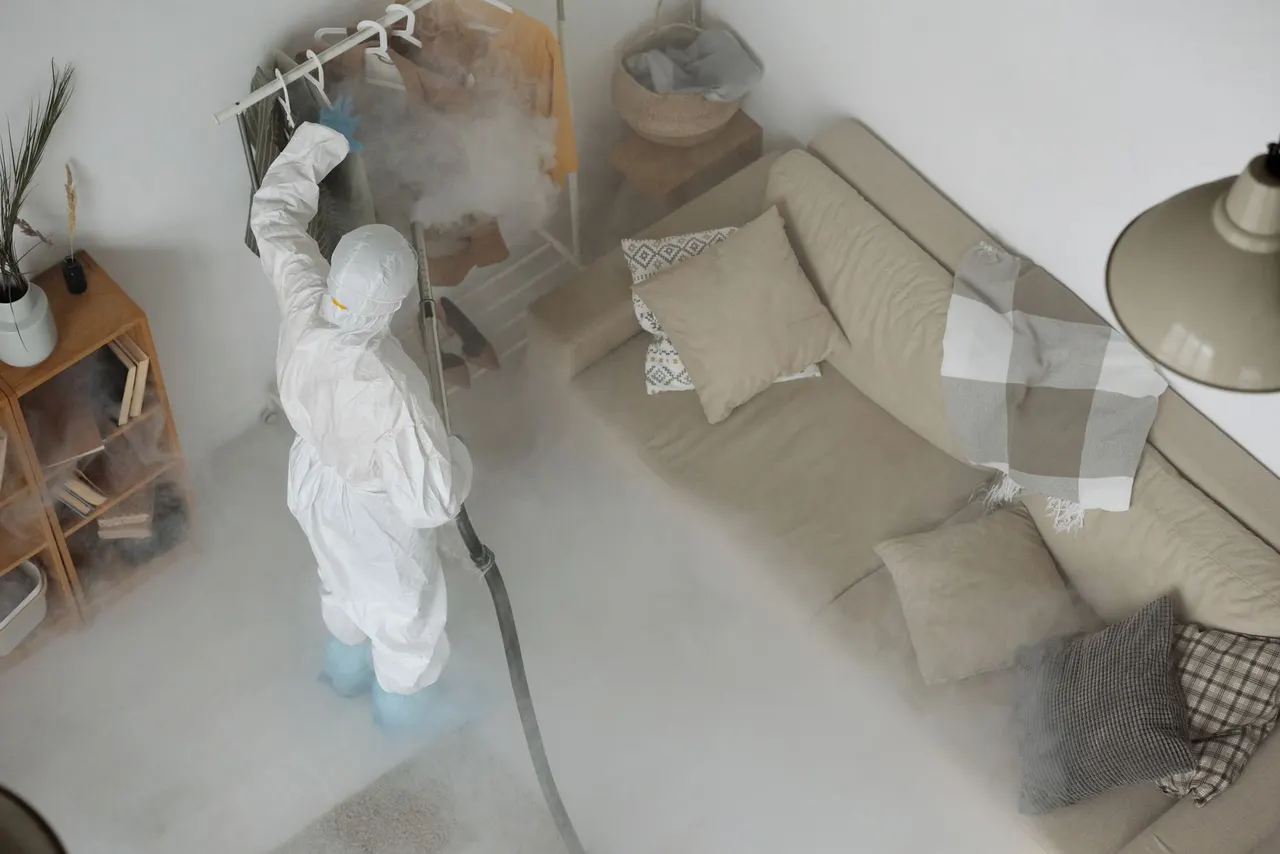
After mold removal, we sanitize the entire attic space with EPA-registered antimicrobial products.
If your family has been dealing with unexplained allergies or asthma flare-ups, attic air quality testing can tell you whether mold spores are entering your living space.
Mold needs water, and in Columbine Knolls the water usually comes from a roof leak, a flashing failure or a plumbing vent boot that has cracked.
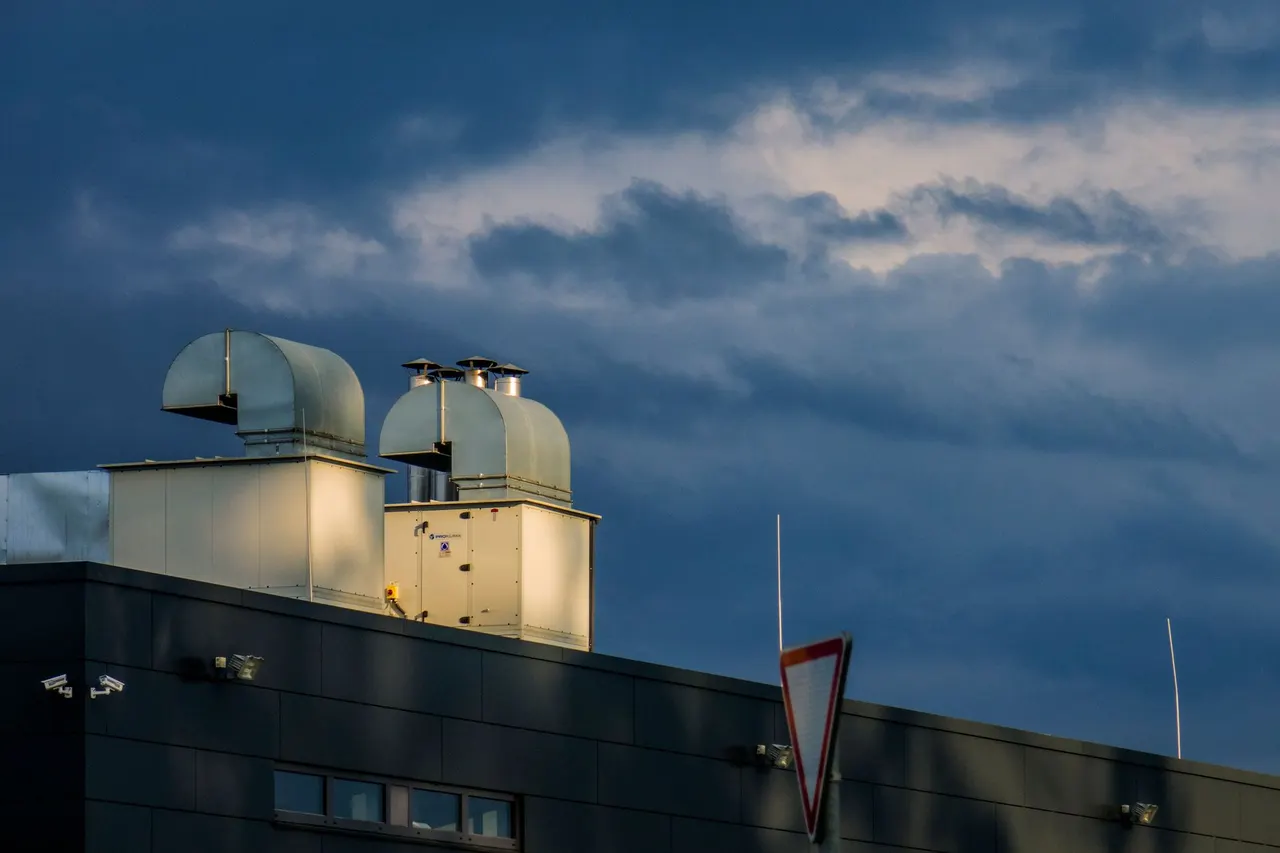
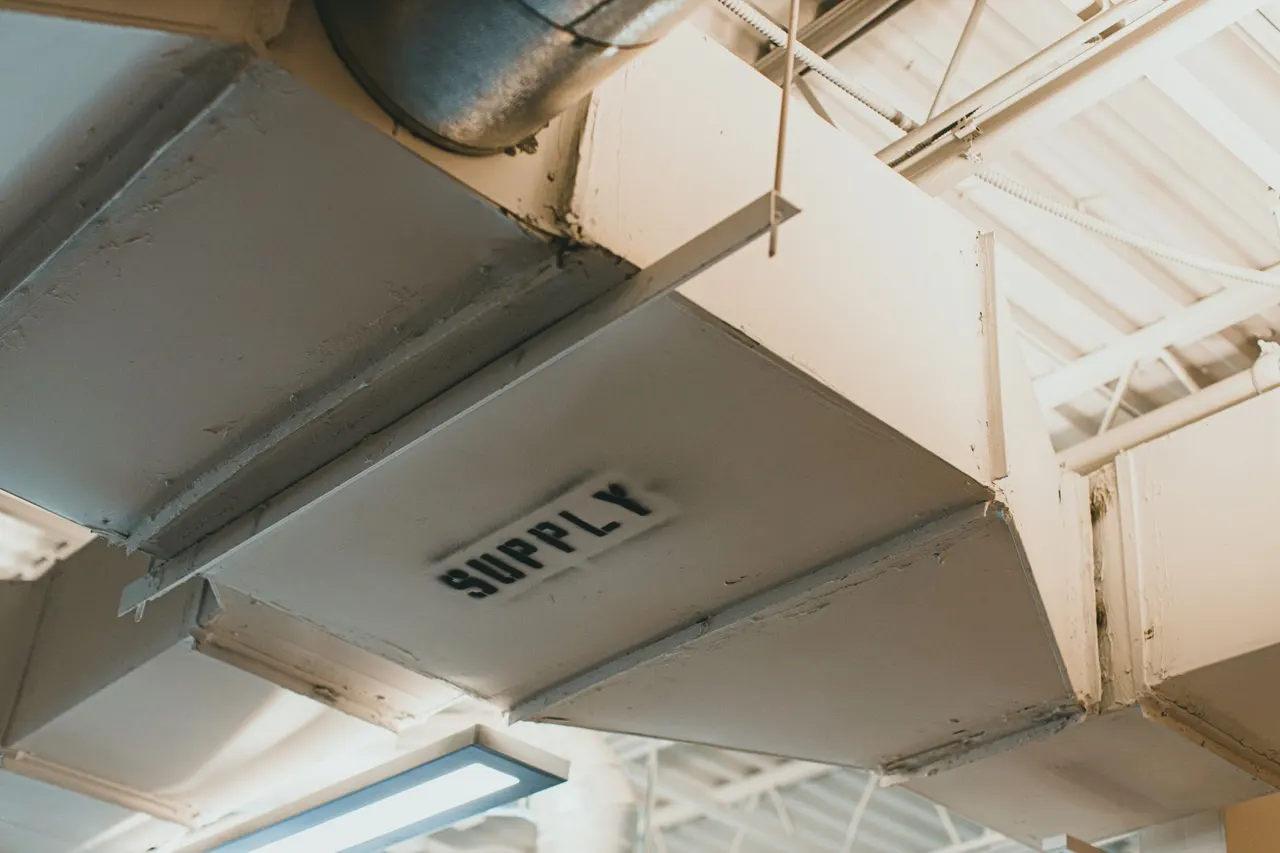
If your HVAC ductwork runs through the attic, mold can grow on the exterior of the ducts and even inside them.
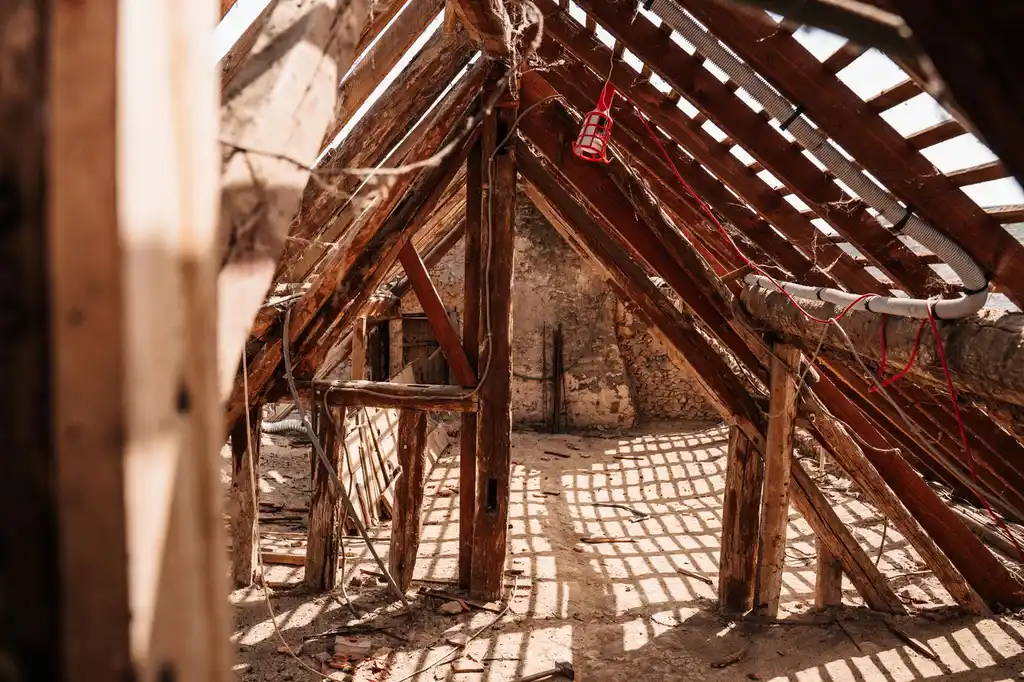
Roof sheathing is the most common place we find mold in Columbine Knolls attics, especially on the north side where shade and snow linger.
Pick a service to see how we approach it here.
We inspect attics across Columbine Knolls with moisture meters, hygrometers and thermal imaging cameras. We look behind insulation, along roof sheathing and around trusses for hidden moisture. We document what we find with photos so you can see it too.
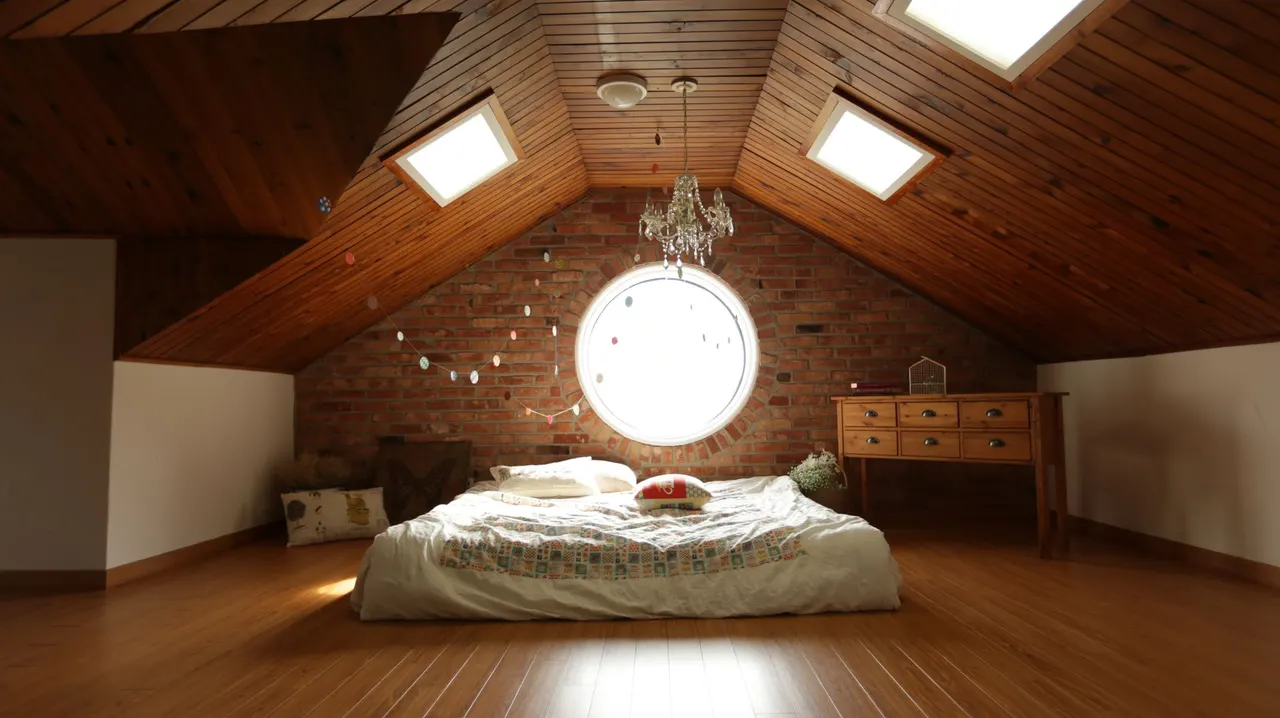
We set up containment and negative air machines before we remove any mold. We use HEPA vacuums and antimicrobial spray on sheathing, trusses and ductwork. We fix the moisture source so mold does not come back.
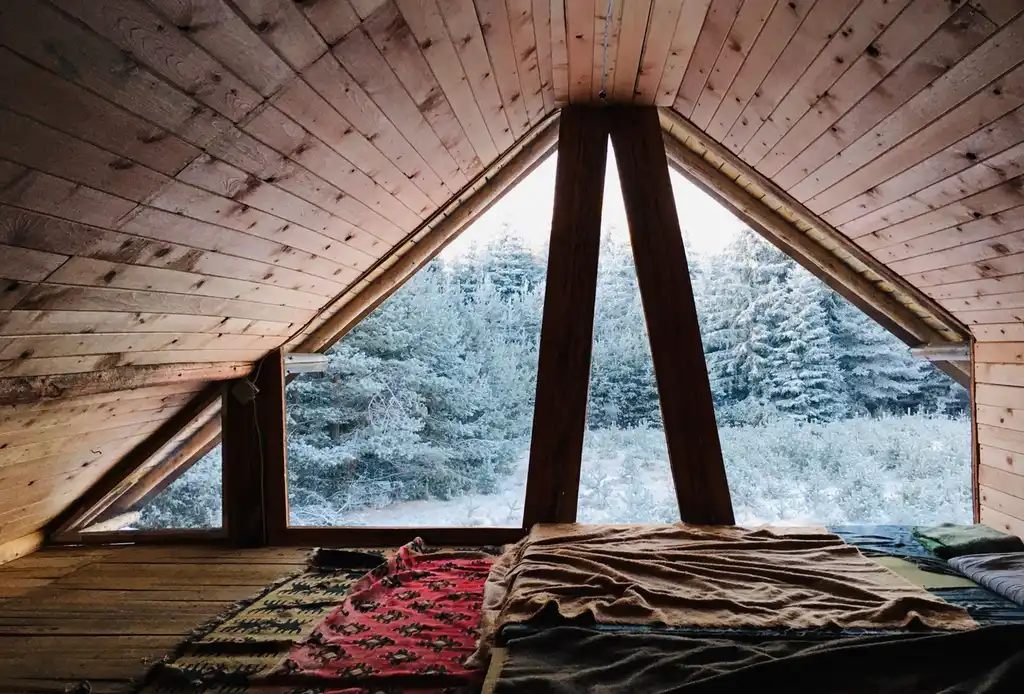
We fix the moisture source first, whether it is a roof leak, a bath fan venting into the attic, or poor ventilation. Then we remove the mold and treat the wood. We follow IICRC standards on every job.

Homes and businesses in Columbine Knolls each have their own attic challenges.
We work on ranches, two-story homes and everything in between. We treat your home like our own.
We work after hours to avoid disrupting your business. We follow the same standards on every job.
Columbine Knolls has its own set of conditions that lead to attic mold. From cold winters to humid summers, and from older building stock to hail damage, here is what we see most often.
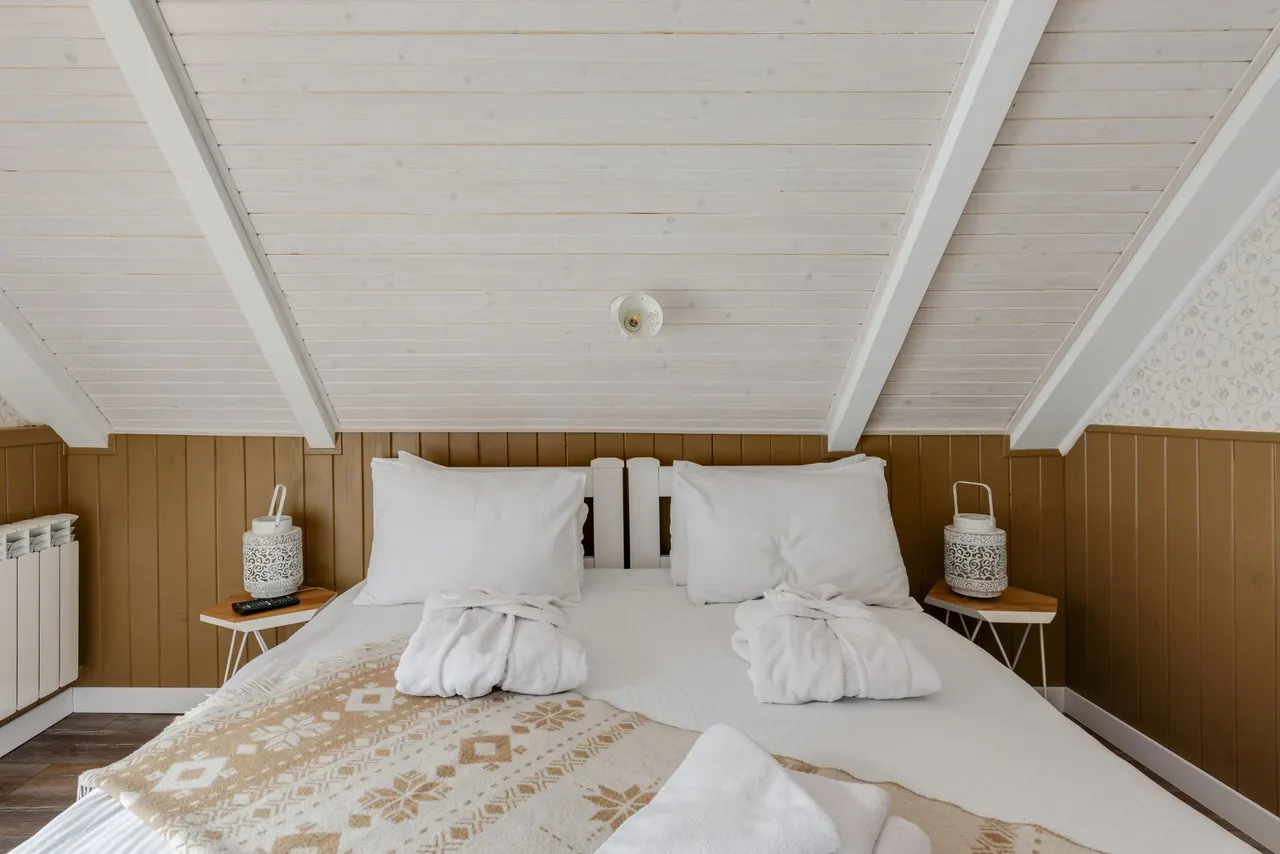
Many Columbine Knolls homes were built before code required bath fans to vent outside. Instead, the moist air from your shower goes straight into the attic, where it condenses on cold sheathing and feeds mold.
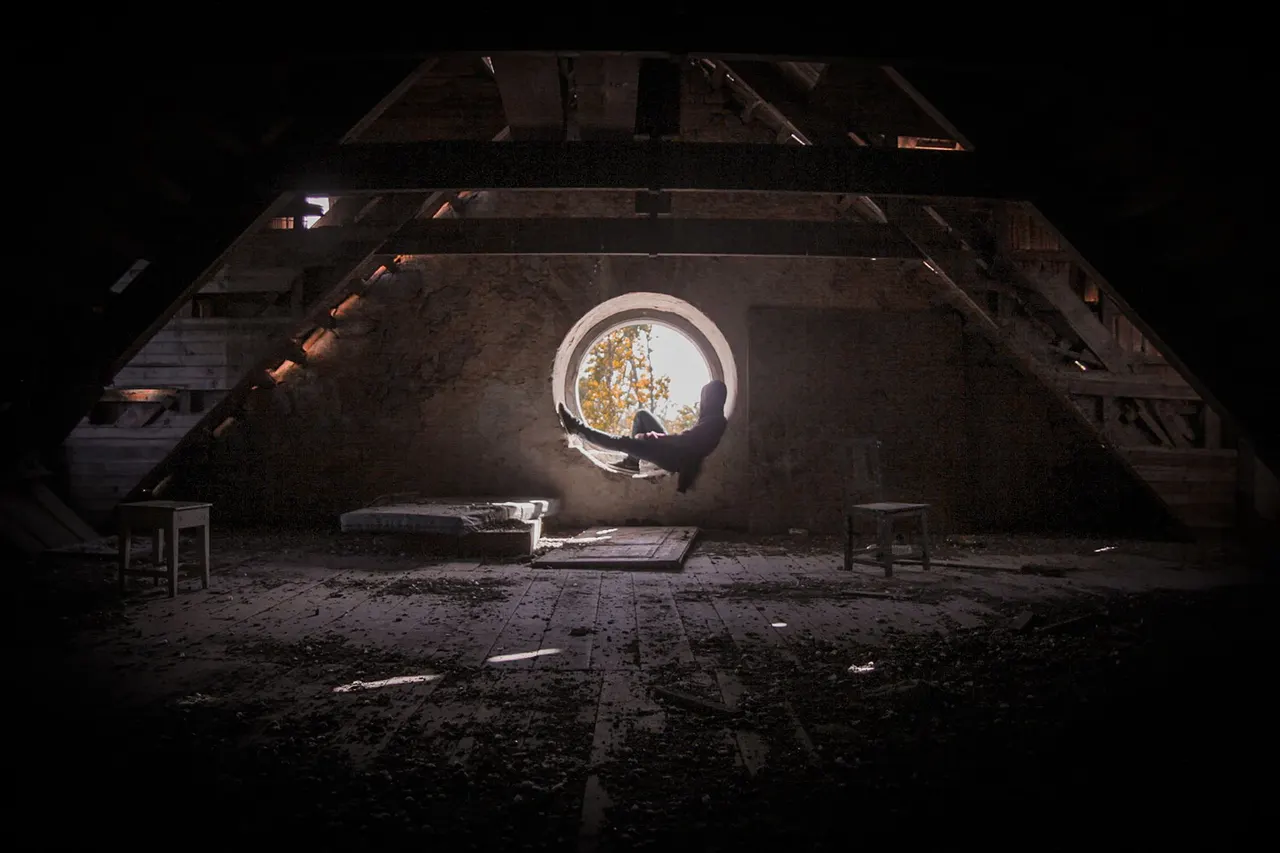
Older homes in Columbine Knolls often have inadequate soffit and ridge venting. Without proper airflow, humid air gets trapped in the attic, especially in summer, and mold grows on sheathing and trusses.

Columbine Knolls gets hail and high winds that can damage shingles and flashing. Even a small leak can soak insulation and wood for months before you notice a ceiling stain.
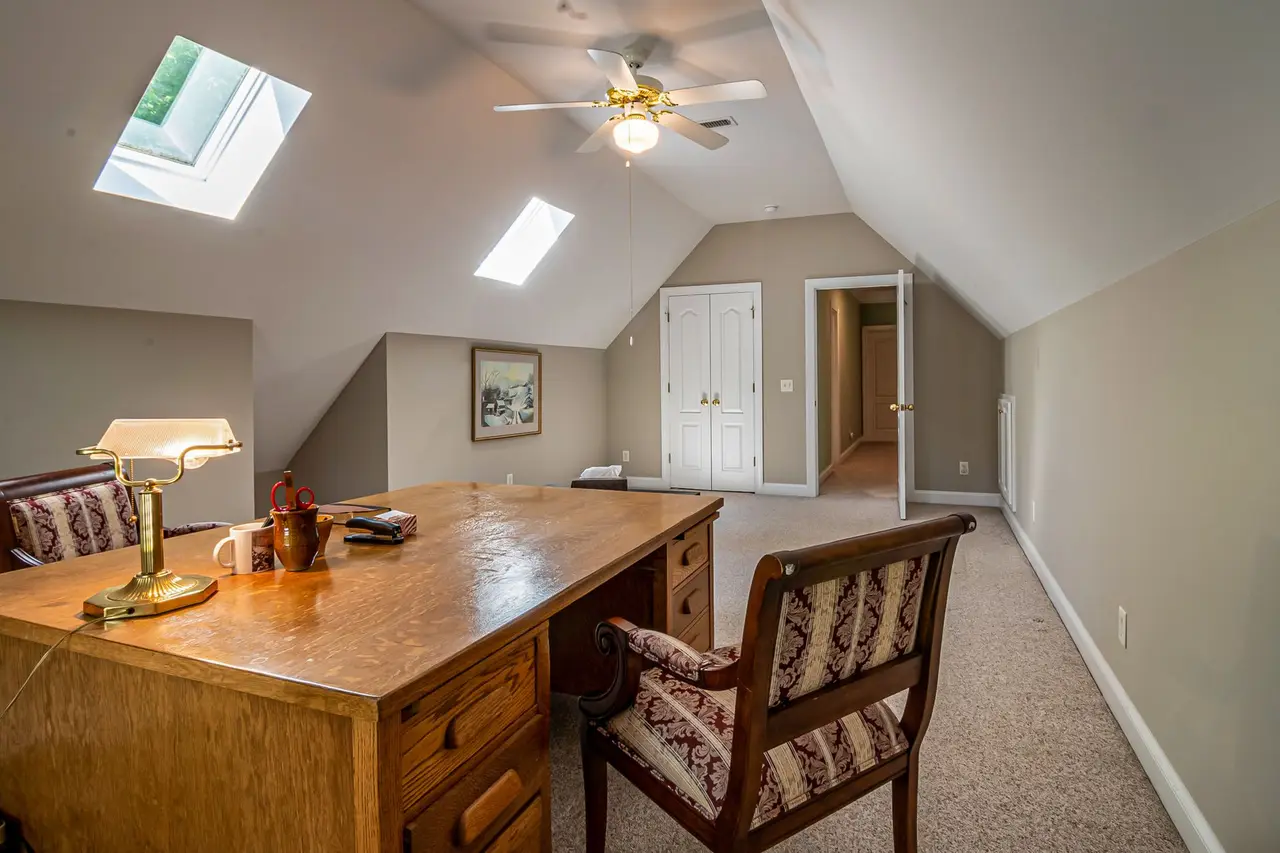
In winter, warm moist air from your living space rises into the attic and condenses on cold roof sheathing. This is common in Columbine Knolls homes with poor air sealing and inadequate insulation.
If you notice any of these signs, it is time to call for an inspection.
Any one of these is worth a call.
Nothing picked yet. Tap the signs you have noticed and this box will sum them up.
There is no price list here, because every job is different. These are the things that move an estimate most.
The larger the mold growth, the more time and materials it takes to remove. A small patch on one truss is a different job than mold covering the entire roof sheathing.
If mold has contaminated your insulation, it has to be removed and replaced. This adds labor and disposal costs. In Columbine Knolls, we often find mold in older fiberglass and cellulose insulation, especially after a roof leak.
Some attics are easy to move around in, with tall ceilings and a full staircase. Others are tight crawl spaces with limited access. Difficult access means more time and sometimes special equipment, which affects the price.
We use local landmarks to navigate Columbine Knolls and reach your home quickly. Whether you are near Columbine Knolls Park or over by Littleton Adventist Hospital, we know the streets and the shortcuts. When you call, just tell us the nearest landmark and we will find you.
Landmark
A central gathering spot in the neighborhood. If you are near the park, we can usually reach your street within 15 to 20 minutes from our Littleton base.
Landmark
A well-known course on the north side of Columbine Knolls. We use it as a reference point for scheduling calls in the northern neighborhoods.
Landmark
Located just east of Columbine Knolls. Many of our customers are near the college, and we know the surrounding streets well.
Landmark
A major hospital on the south side of Littleton. If you are near the hospital, we can usually be there within 20 to 30 minutes.
Landmark
A large nature area along the South Platte River. Homes near the park sometimes deal with higher humidity, and we know the access routes in that area.
Commercial area
A commercial area with shops and services near Columbine Knolls. We sometimes work on commercial buildings here, and we know the parking and access points.
Commercial area
Another nearby commercial district with retail and office space. We have done attic mold removal for businesses in this area and can work after hours to avoid disruption.
Transit
The river and trail system run along the west side of Columbine Knolls. We use the nearby roads to access homes quickly, especially in the southern neighborhoods.
We had mold on the roof sheathing in our attic and PeakShield took care of it fast. They explained everything, showed me photos, and fixed the bath fan that was causing the problem. The musty smell is gone and the price was fair. I would recommend them to anyone in Columbine Knolls.
Our home inspection found mold in the attic right before closing. PeakShield came out the same day, gave us a clear plan, and finished the work in three days. They worked with our realtor and kept everything on track. Great communication and no surprises.
I had been sneezing every morning for months and could not figure out why. PeakShield tested our air quality and found mold in the attic ductwork. They cleaned it out and the difference is night and day. My allergies are much better now. Worth every penny.
Mold in Columbine Knolls attics does not take a season off. Each season brings its own moisture challenges, and understanding them helps you stay ahead of the problem.
We serve Columbine Knolls and the surrounding communities as part of our Littleton service area. If you are in one of these nearby neighborhoods, we can usually get to you just as fast.
Straight answers to what people ask first.
The price depends on the square footage affected, whether insulation needs to be replaced, and how difficult the attic is to access. We provide a written estimate before any work begins.
If you smell a musty odor upstairs, see dark staining on roof sheathing, or have had a roof leak, you likely need attic mold removal. Columbine Knolls homes are prone to mold because of our humid summers and cold winters. A quick inspection can tell you for sure. We offer same-day inspections.
Most attic mold removal jobs in Columbine Knolls take one to three days. A small area of mold on a few trusses can be done in a day. If the mold covers the entire roof sheathing and insulation needs to be replaced, plan on two to three days. We will give you a timeline during the inspection.
If you have mold in your attic, do not wait. Mold spreads fast, and the longer it sits, the more damage it does to your home and your health.
Call (720) 953-3834 or email us and we will schedule an attic inspection, usually within a day or two. We work Monday through Friday, 8am to 6pm, and we answer the phone ourselves. If you have a leak or storm damage, tell us and we will prioritize the call.