For Homes
We remove moldy insulation from attics in houses across Littleton. You get clean air and fresh insulation that performs.
- Musty smell upstairs
- Mold on roof sheathing
- High energy bills
Attic Insulation Mold Removal Littleton CO is what we do every day. If you smell that musty odor upstairs or spot dark staining on your roof sheathing, our team pulls the moldy insulation, treats the framing, and gets your attic dry and clean. We serve homeowners across Arapahoe County with same-day inspections and honest pricing.
 Moisture mappingContainment setupPhoto report
Every job includes the core steps needed to remove moldy insulation and leave your attic clean and dry. Add-ons like duct cleaning or structural repair are quoted separately if needed.
We inspect your entire attic with moisture meters, thermal cameras, and borescopes. You get a written report showing where mold is growing and what caused it.
We seal the attic access and run negative air machines with HEPA filters. This keeps spores out of your living space during the entire removal process.
We bag and remove all contaminated fiberglass or cellulose insulation. A HEPA vacuum captures loose debris as we work so nothing drifts downstairs.
We spray all affected sheathing and trusses with Concrobium or Benefect. This kills remaining mold and prevents regrowth on wood surfaces.
We install fresh mold-resistant insulation rated for Colorado's climate. Proper R-values restore your attic's thermal performance and lower energy costs.
You receive before-and-after photos, moisture readings, and product details. This report works for insurance claims, home sales, and your own records.
The approach is the same for a home and a business. What changes is the access, the schedule and who needs the paperwork.
We remove moldy insulation from attics in houses across Littleton. You get clean air and fresh insulation that performs.
We handle attic insulation mold removal for rental properties and commercial buildings. Work is scheduled around tenants and documented for owners.
A plain-language look at what Attic Insulation Mold Removal involves and when it is needed.
See how it worksAttic Insulation Mold Removal Littleton CO is the process of safely extracting mold-contaminated insulation, treating the affected wood sheathing and trusses, and restoring your attic to a dry, breathable condition. Mold grows on fiberglass and cellulose insulation when moisture from roof leaks, poor attic ventilation, or high humidity gets trapped up there. We use moisture meters, thermal imaging cameras, and borescopes to find the source before we touch a single batt.
Littleton homes built in the 1970s through 1990s often have undersized attic vents and aging roof underlayment. After a heavy spring snowmelt or a summer hail event, water sneaks in and saturates the insulation. That is when homeowners start searching for attic insulation mold removal near me Littleton. We see it constantly in Columbine, Ken Caryl, and Governor's Ranch, where mature trees shade roofs and trap moisture against the decking.
Moldy insulation must come out; treating the wood and fixing moisture stops it from returning.

Every job follows the same disciplined sequence. No shortcuts, no guesswork. Here is exactly what happens from the first call to the final walkthrough.
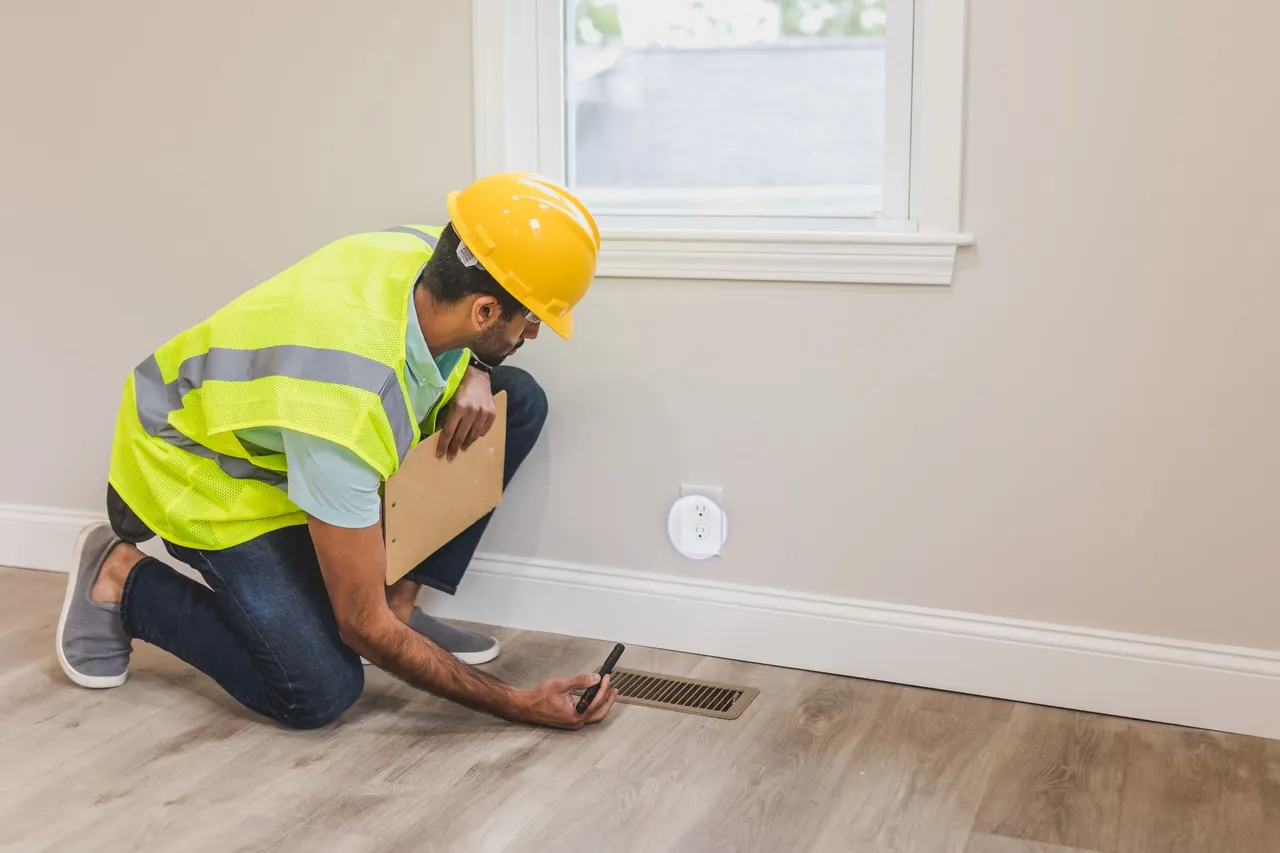
We arrive in a marked truck and walk your attic with a moisture meter, thermal imaging camera, and borescope. We check roof sheathing, trusses, ductwork, and ventilation fans. You get a clear explanation of what we found and where the moisture is coming from. Most inspections take 45 to 60 minutes.
Before any removal starts, we seal off the attic access with plastic sheeting and set up a negative air machine. This keeps mold spores from drifting into your living space. We lay drop cloths on the floor below and tape off HVAC returns. Setup usually takes 30 to 45 minutes.
We bag and remove all moldy insulation, whether it is fiberglass or cellulose. A HEPA vacuum captures loose debris and spores as we work. We inspect the exposed sheathing and trusses for black mold and note every affected area. Removal for a typical 1,200-square-foot attic takes three to five hours.

We spray affected wood with Concrobium or Benefect antimicrobial, then fog the entire attic space. Any ductwork mold gets treated separately. We run air scrubbers for several hours to pull remaining spores out of the air. This stage takes about half a day depending on attic size.

We check moisture readings with a hygrometer to confirm the wood is dry. Then we install new mold-resistant insulation and verify ventilation is adequate. You get a photo report and a final walkthrough. Most jobs wrap up in one to two days total.

Move across a circle, or focus it and press Enter, for an illustrative thermal view of the photograph.
Detects temperature differences that reveal hidden moisture behind insulation and sheathing. We use it to find leaks that are invisible to the eye.

Measures moisture content in wood and insulation. We verify dryness before reinstalling insulation to prevent mold from returning.
Captures mold spores and loose debris during insulation removal. HEPA filtration traps particles down to 0.3 microns.
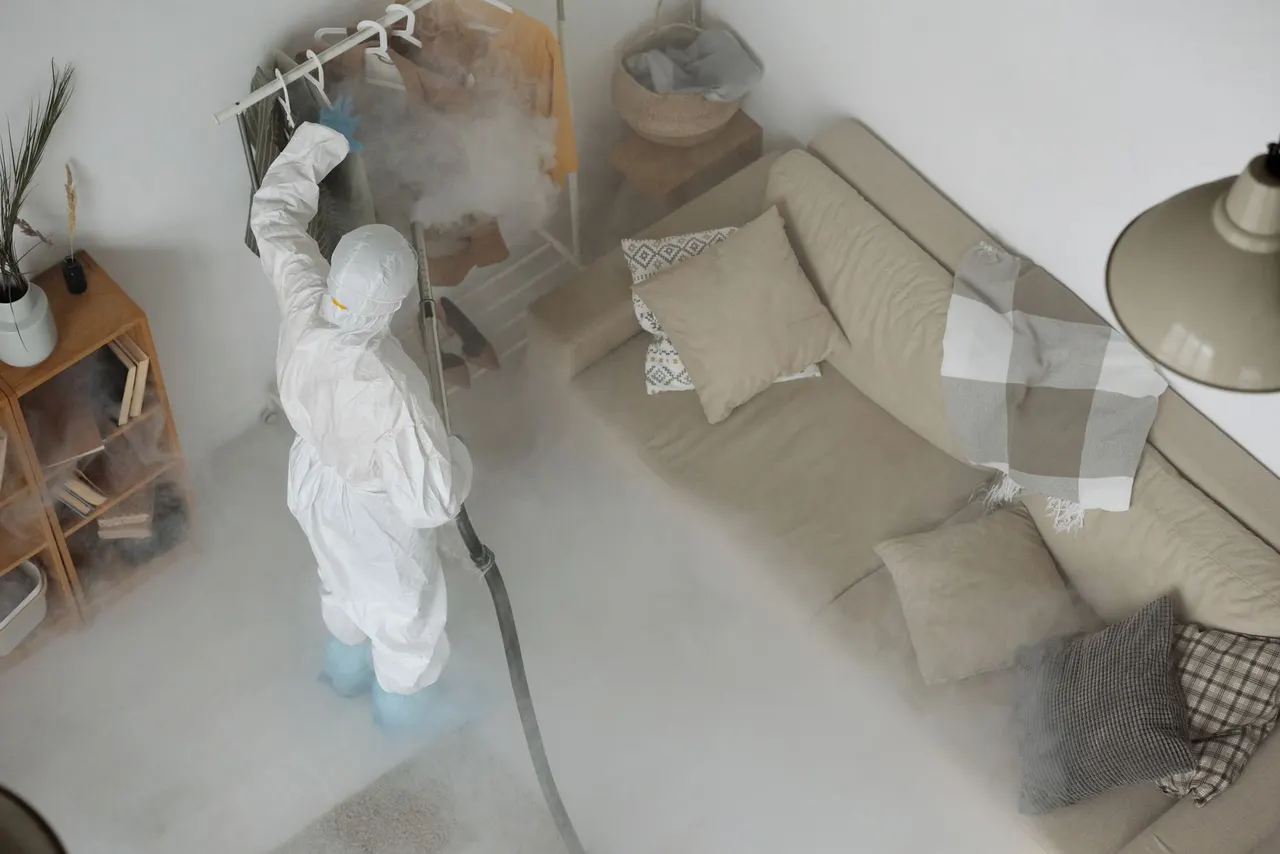
Creates negative pressure in the attic so spores cannot escape into your living space during removal.

Runs continuously during and after removal to filter airborne spores from the attic air.
Thermal views are illustrative, generated from the photographs.
Applies antimicrobial treatment evenly across all attic surfaces after insulation removal.
Inspects inside wall cavities and tight attic spaces where mold hides behind finished surfaces.
We follow the IICRC S520 standard for mold remediation, which covers containment, removal, cleaning, and verification. This is the industry benchmark for professional mold work.
We seal the attic access and maintain negative pressure throughout the job. This keeps mold spores from migrating into your living space during removal.
After removing moldy insulation, we spray all exposed wood with EPA-registered antimicrobial products. These treatments kill remaining mold and prevent regrowth.
We check wood moisture content with a hygrometer before installing new insulation. If readings are too high, we run drying equipment until the attic is safe.
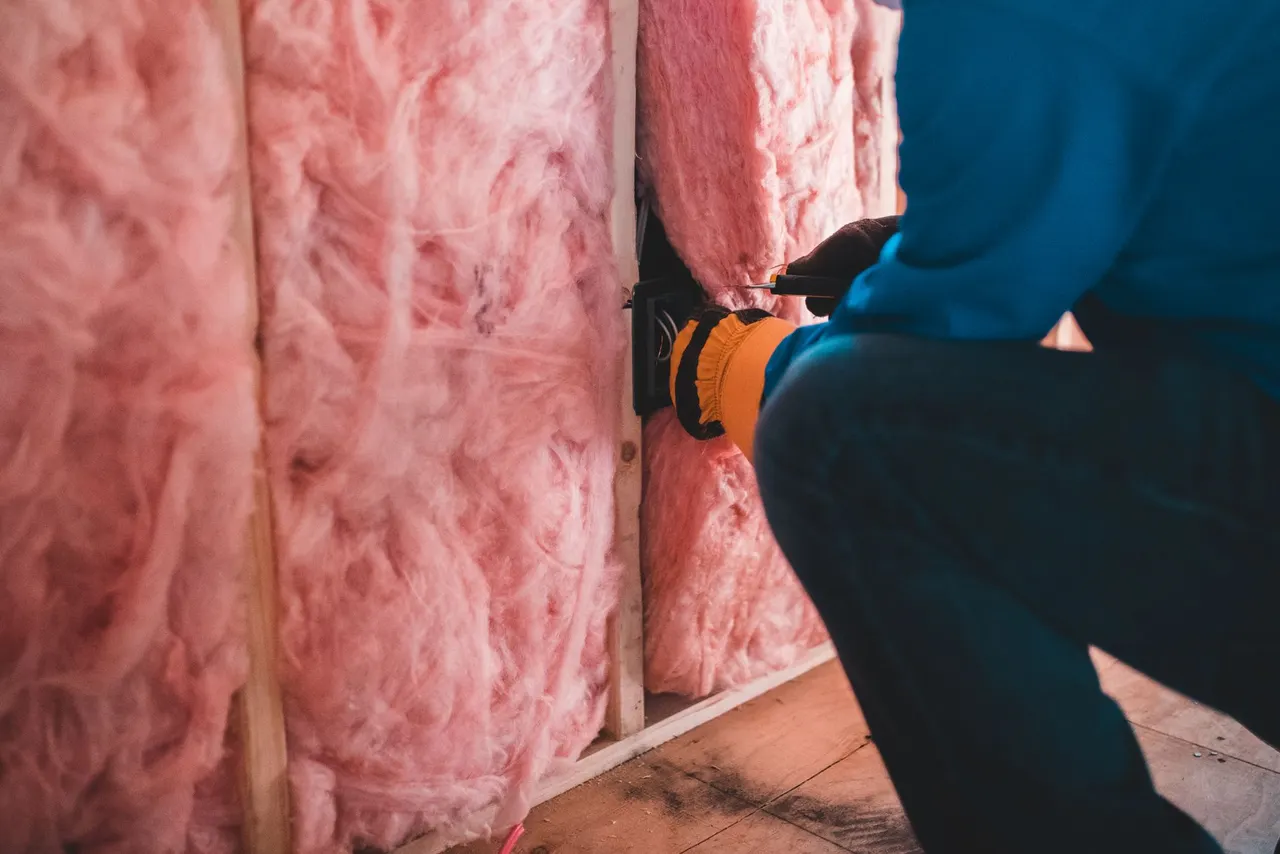
A roof leak soaked your attic insulation during a spring storm and you smell mustiness weeks later.
We inspect the attic, find the leak source, remove the wet insulation, treat the wood, and repair the leak before installing new insulation.
Outcome: Your attic is dry, the mold is gone, and the leak will not cause the same problem next season.
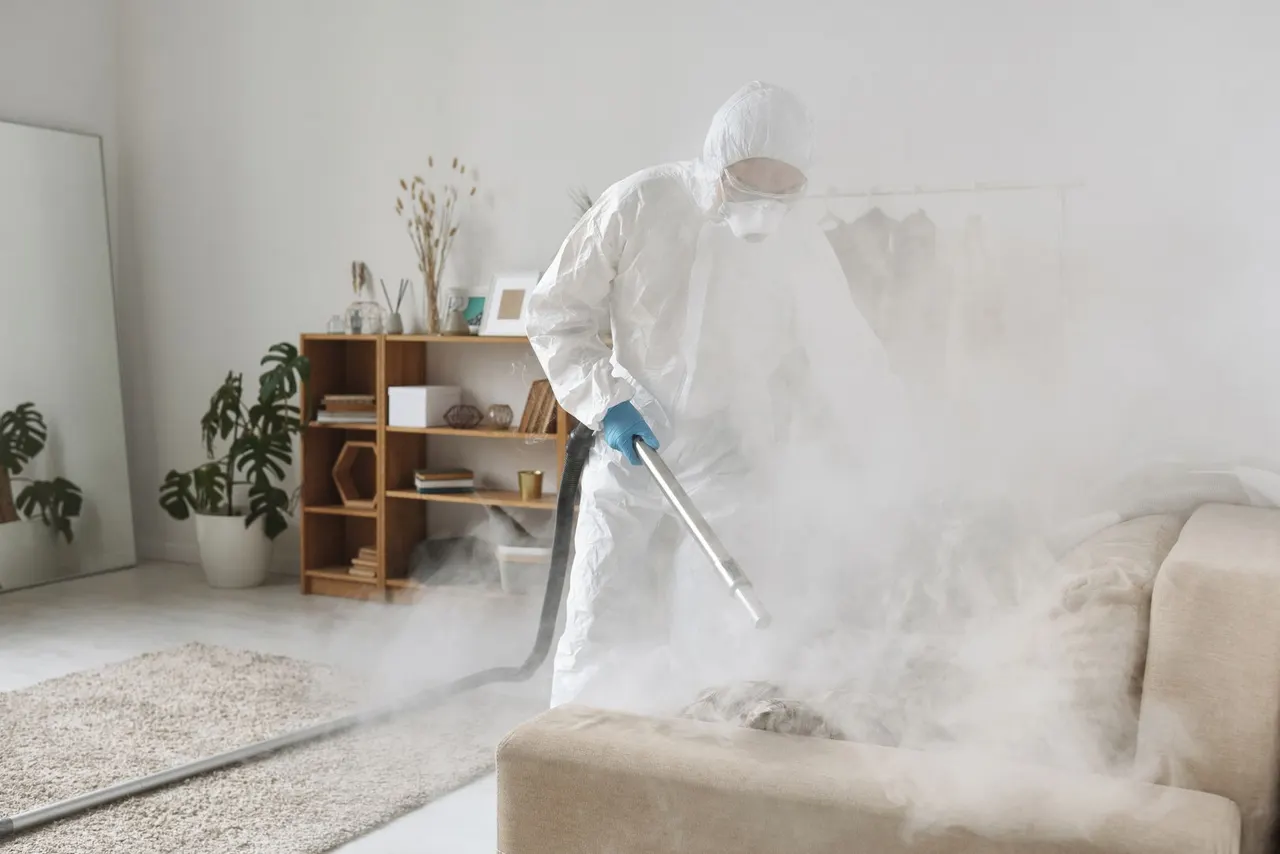
You are selling your Littleton home and the buyer's inspector flagged mold on attic sheathing.
We respond same-day with an inspection and written scope. Removal and treatment are scheduled immediately to keep your closing on track.

Your upstairs smells musty year-round and family members have worsening allergies.
We test the attic, remove moldy insulation, run HEPA air scrubbers, and treat all surfaces with antimicrobial products.
Outcome: Spore counts drop, the smell disappears, and your family breathes easier at home.
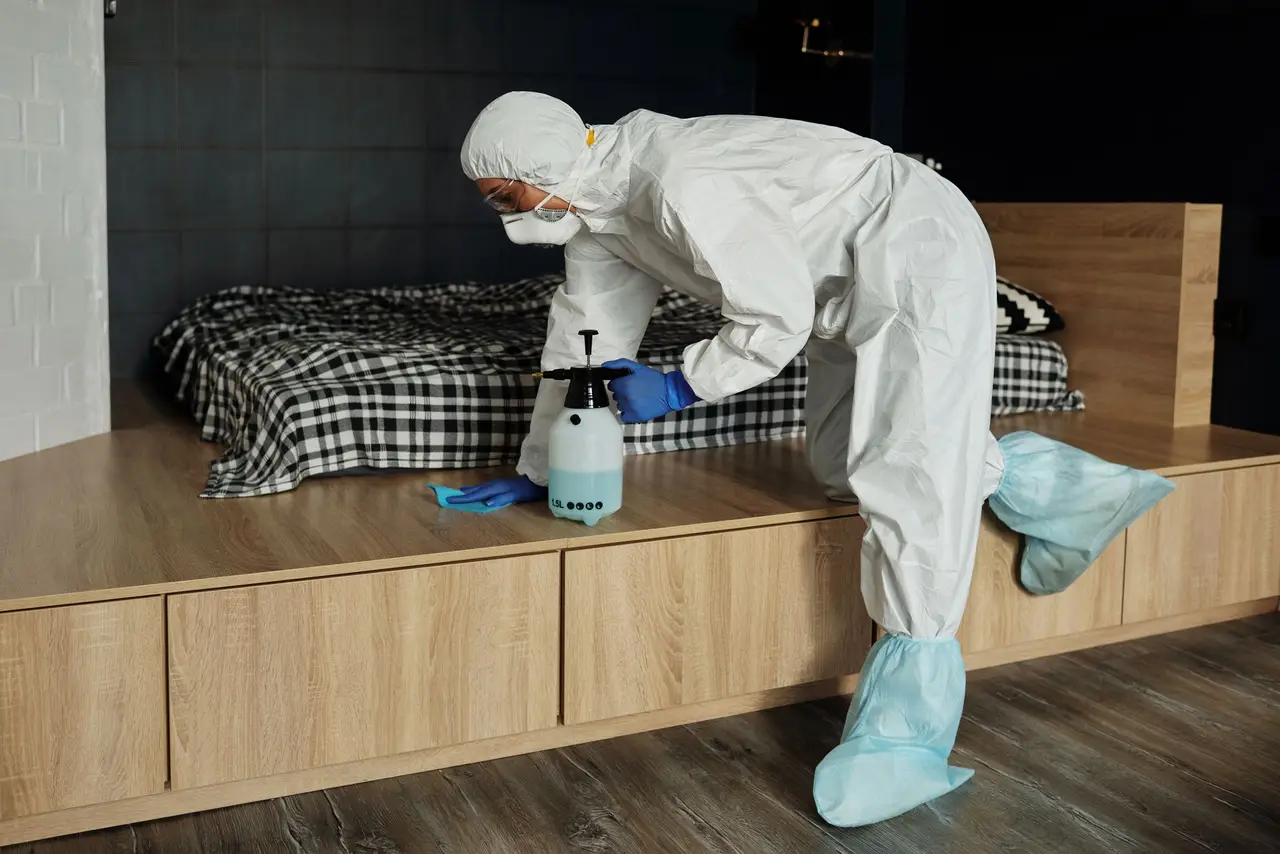
A tenant reports black mold in the attic of your Littleton rental property.
We handle removal and treatment, document everything with photos, and provide reports for you and your tenant.

Your attic has old cellulose insulation that got wet from a bath fan venting into the space.
We remove the saturated cellulose, reroute the fan exhaust through the roof, treat the framing, and install new insulation.
Outcome: The moisture source is fixed and your new insulation stays dry.
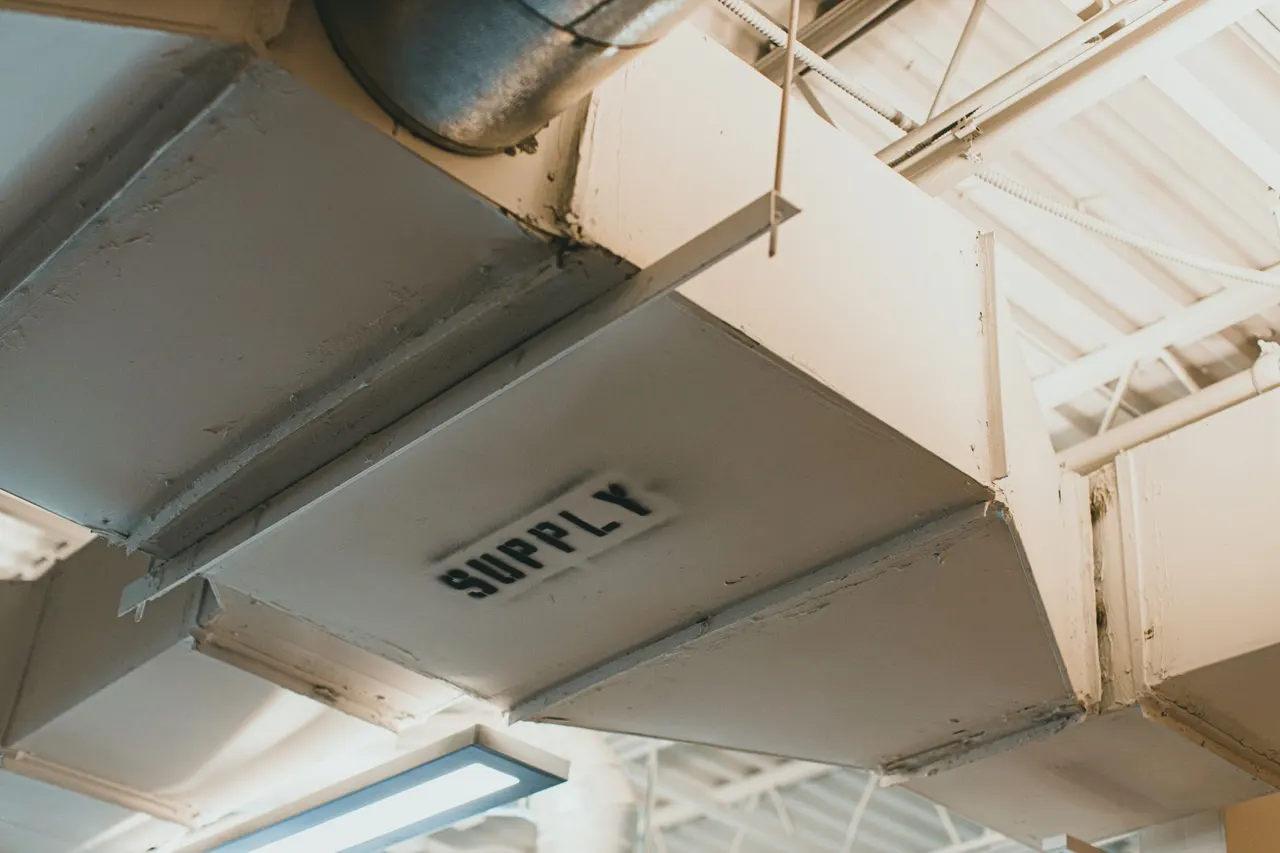
Littleton sits at the edge of the Front Range, where spring snowmelt and summer hail create ideal conditions for attic mold. Homes in older neighborhoods like Columbine and Ken Caryl often have undersized attic vents and aging roof underlayment. When water gets in, fiberglass and cellulose insulation soak it up like a sponge. We see the worst problems after heavy snow years when ice dams force water under shingles.
Newer builds in Sterling Ranch and Roxborough Park are tighter, which means less airflow and more condensation on cold sheathing. For professional attic insulation mold removal Littleton, Colorado homeowners need a contractor who understands both scenarios. We check ventilation, trace leaks with thermal cameras, and verify moisture readings before we install new insulation.
If you need affordable attic insulation mold remediation Littleton, Colorado, we quote the job upfront and stick to it.

Before: A roof leak soaked fiberglass insulation in a 1,400-square-foot Ken Caryl attic. Black mold covered roughly 200 square feet of roof sheathing. The homeowner reported a musty smell in the upstairs hallway for months.
After: We removed all moldy insulation, treated the sheathing with Concrobium, and installed new R-38 fiberglass insulation. Moisture readings dropped from 28% to 11%. The musty smell was gone within 24 hours.
We recommended annual attic inspections each spring and a ridge vent upgrade to improve airflow. The homeowner now checks for roof leaks after every major hailstorm.
Before: A bath fan vented directly into a Columbine attic for years, saturating cellulose insulation. Mold spread across trusses and ductwork. The homeowner's energy bills had climbed 30% over two winters.
After: We removed all cellulose insulation, treated trusses and ductwork, rerouted the bath fan through the roof, and installed new mold-resistant insulation. The attic passed a follow-up moisture check with readings under 12%.
We advised the homeowner to run the bath fan for 20 minutes after every shower and to check attic humidity each fall. No mold has returned.
Before: A 1920s home near Downtown Littleton had original roof sheathing with widespread mold from decades of poor ventilation. Insulation was compressed and contaminated. The attic smelled strongly of mold.
After: We removed all insulation, treated the historic sheathing with Benefect, installed new ventilation, and added R-49 insulation. Post-job air testing showed spore counts dropped by 92%.
The homeowner schedules annual attic inspections and keeps gutters clear to prevent water intrusion. We also installed a humidity monitor to alert them to future moisture issues.
Moldy attic insulation creates problems that get worse and more expensive over time. Here are the issues Littleton homeowners call us about most.
Clean attic air, dry wood, and insulation that performs.
Mold spores from contaminated insulation circulate through your HVAC and into bedrooms. We remove the source, run HEPA vacuums and air scrubbers, and cut the spore count so your family breathes easier. Most customers notice the musty smell is gone within 24 hours of our attic insulation mold remediation in Littleton CO.
Mold eats into wood sheathing and trusses. Left alone, it weakens the roof deck and spreads to adjacent framing. We treat the wood with antimicrobial spray and verify dryness with a hygrometer before we close up. Catching it early saves thousands in structural repairs down the road.
Wet insulation loses its R-value fast. A soaked batt that once rated R-38 can drop below R-10. We remove the ruined material and install fresh, mold-resistant insulation so your attic actually insulates again. That means lower energy bills and a more comfortable second floor.
If you are selling your home, a failed attic inspection kills deals. We provide photo documentation and a written summary of the work. Realtors in Littleton call us for attic insulation mold treatment Littleton because we turn around reports quickly and the work holds up to scrutiny.
What a written scope covers and what shapes it. Prices are set by the business after the first look.
Included
Depends on
Clear records you can keep and share.
Before and after images
Readings before and after
Work performed and materials
Treatments and insulation used
Not all attic mold is the same. Knowing the difference helps you decide how urgently to act.
Mold growing on top of wood or insulation
Mold rooted into porous insulation material
Mold that has weakened sheathing or framing
A list like this tells people straight away whether you cover their street. Not listed? Call and ask: it only takes a minute.
Based in Littleton and covering the places around it. Pick one for local details.
A large attic with widespread black mold on sheathing and trusses will cost more. We provide a written scope with exact pricing after inspection.
No. Once fiberglass or cellulose insulation is contaminated with mold, it cannot be cleaned effectively. The porous material holds spores deep inside. We remove and bag all moldy insulation, then treat the wood framing and sheathing with antimicrobial spray.
Replace insulation immediately after any mold discovery. Moldy insulation spreads spores every time your HVAC runs. Waiting through another season makes the problem worse and more expensive. We remove the contaminated material, dry the attic, and install fresh mold-resistant insulation in the same visit whenever possible.
In most cases, yes. If mold is visible on the insulation, the entire affected section must come out. Partial removal leaves spores behind that recolonize within weeks. We remove all contaminated insulation, treat the wood, and verify moisture levels are safe before installing new material.
Other services from the same team.
Call (720) 953-3834 and we will schedule a same-day inspection for your Littleton attic. We provide upfront pricing, photo documentation, and work that holds up to any home inspection.
Call (720) 953-3834 or email us and we will schedule an attic inspection, usually within a day or two. We work Monday through Friday, 8am to 6pm, and we answer the phone ourselves. If you have a leak or storm damage, tell us and we will prioritize the call.