For homeowners
We work in attics every week across Littleton. You get a written scope before we start, and we clean up every day before we leave.
- Roof leak after hail
- Musty smell upstairs
- Moldy insulation in attic
Attic Mold Damage Repair Littleton CO means fixing the mold and the damage it caused - rotted sheathing, stained trusses, soggy insulation. We handle attic mold damage restoration in Littleton CO for homeowners across Arapahoe County, from Historic Downtown Littleton to Ken Caryl. If you smell that musty odor or see black staining on the roof deck, call (720) 953-3834.
 Moisture mappingContainment setupStructural repair
Every job includes the core scope - inspection, containment, removal, treatment, and verification. Structural repairs, insulation replacement, and ventilation work are added based on what we find. You get a written scope with line-item pricing before we start, so there are no surprises.
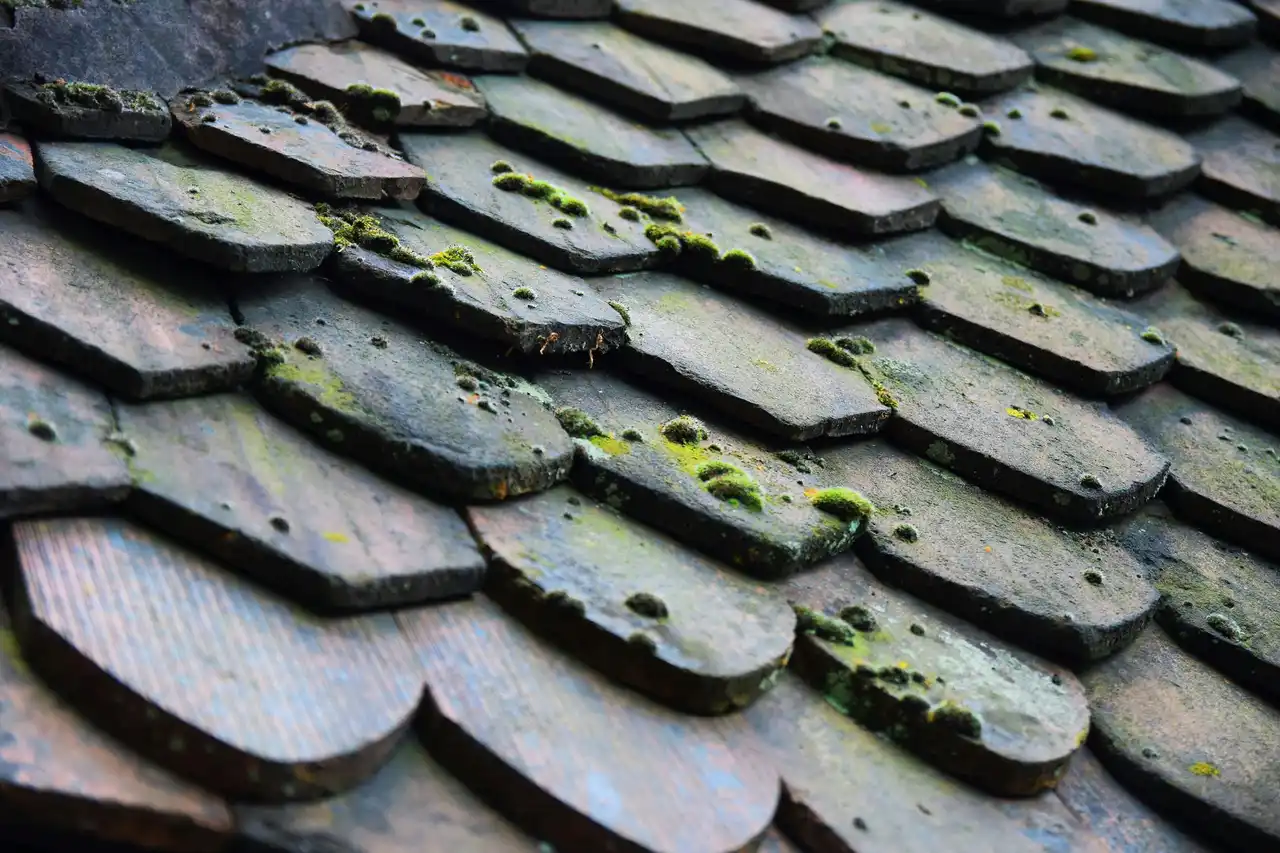
We map moisture with a thermal imaging camera and pin meter, photograph every affected area, and give you a written scope the same day. You'll know exactly what's damaged, what it takes to fix it, and what it costs.
We seal the attic from your living space with 6-mil poly and run a negative air machine with HEPA air scrubber. This keeps spores out of your bedrooms and kitchen while we work. Setup takes about 30 minutes.
We HEPA vacuum surfaces, remove mold-damaged materials, and treat framing with Concrobium, Benefect, or RMR-86. Every affected surface gets treated before we close up.
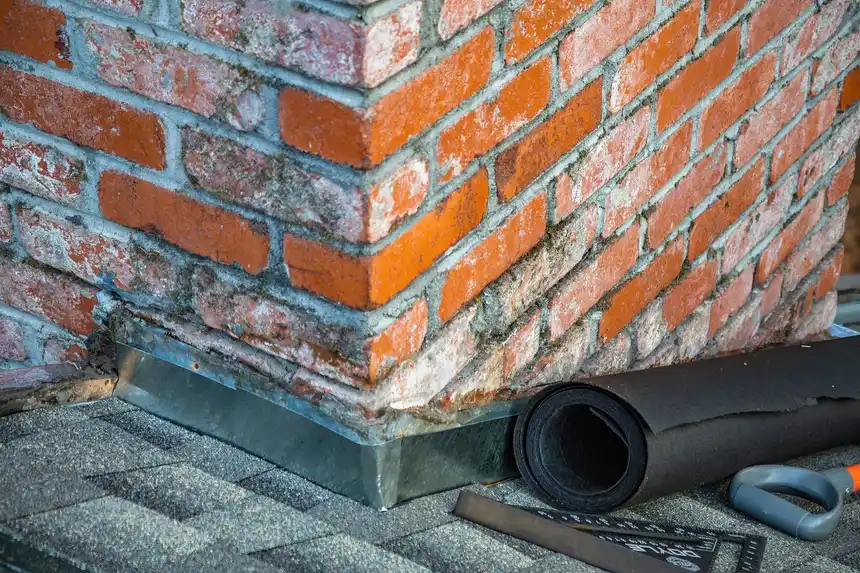
Rotted sheathing, cracked trusses, and sagging decking get repaired or replaced. We match lumber, sister compromised members, and verify the repair meets Colorado structural standards.
Contaminated fiberglass or cellulose comes out. We HEPA vacuum the space and install new insulation rated for Colorado's climate zone so your home holds temperature and your air stays clean.
We re-check moisture with a hygrometer, confirm the deck reads dry, and run a final air scrub. You get a photo report and moisture log documenting the repair for your records, your insurer, or your buyer.
The approach is the same for a home and a business. What changes is the access, the schedule and who needs the paperwork.
We work in attics every week across Littleton. You get a written scope before we start, and we clean up every day before we leave.
We coordinate with tenants and owners so repairs don't disrupt business. Documentation is provided for your records and your insurance carrier.
A plain-language look at what Attic Mold Damage Repair involves and when it is needed.
See how it worksAttic Mold Damage Repair Littleton CO is the structural and remediation work that reverses what mold has already done to your roof deck, trusses, and insulation. We start with a moisture meter and thermal imaging camera to find the water source - usually a roof leak, poor attic ventilation, or condensation on cold sheathing. Then we remove mold-damaged materials, treat the framing with antimicrobial spray, and rebuild what's rotted. This isn't a spray-and-paint job. It's carpentry plus remediation.
Littleton homes built before 1990 often have undersized attic ventilation and fiberglass insulation that traps moisture against the roof deck. After a heavy spring snowmelt or a summer hail event, that trapped moisture feeds black mold on the sheathing and trusses. If you're searching for attic mold damage repair near me Littleton, we're local - we know the building stock in Columbine, Governor's Ranch, and Sterne Park, and we know what Arapahoe County inspectors look for.
Attic mold repair fixes the moisture source and the damage it caused, not just the visible mold.

Every job follows the same five steps. No surprises, no mystery pricing. Here's what happens from the first phone call to the final walkthrough.
We arrive in a marked truck, walk the attic with you if you want, and map moisture with a thermal imaging camera and pin-type meter. You get photos of every affected area and a written scope the same day. Most inspections take 45 to 60 minutes.
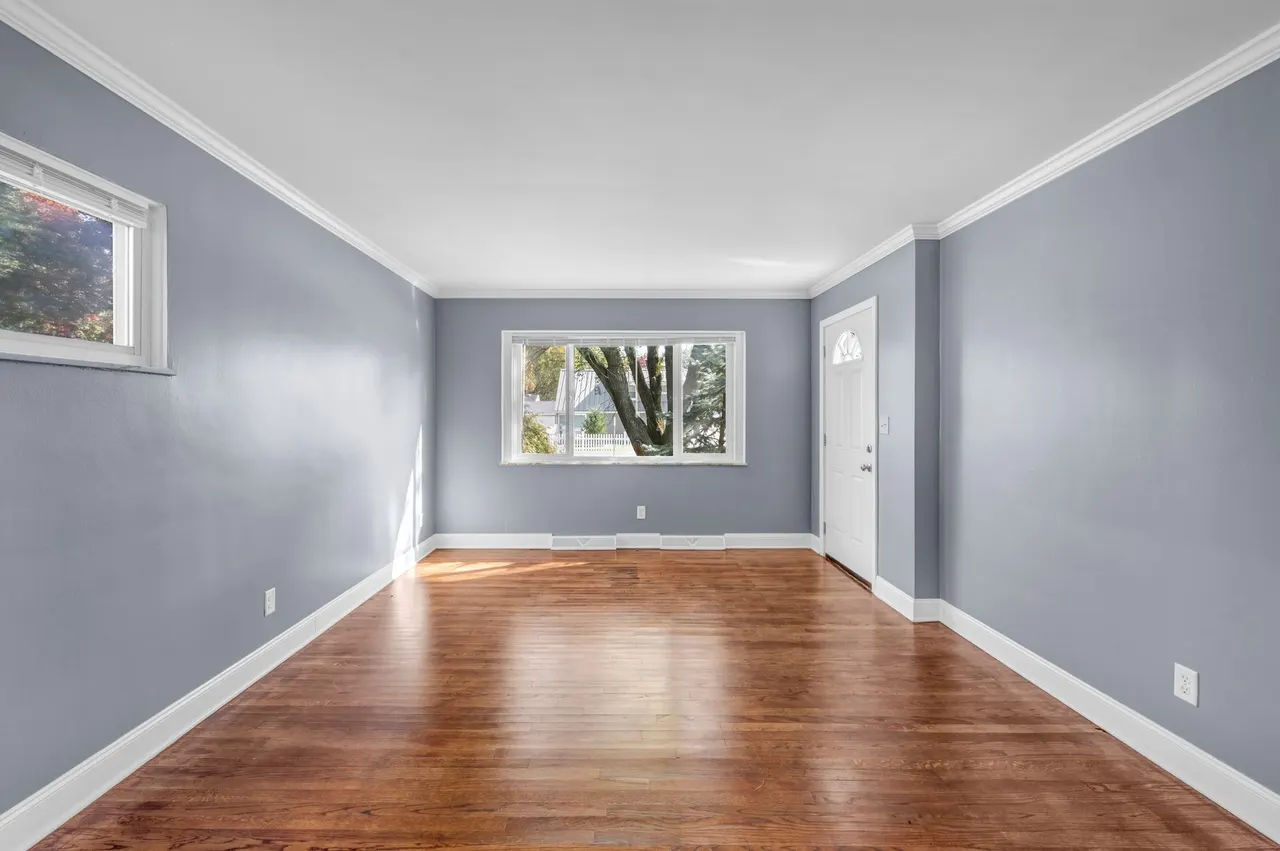
Before we disturb anything, we seal the attic from your living space with 6-mil poly and run a negative air machine with a HEPA air scrubber. This keeps spores out of your bedrooms and kitchen. Setup takes about 30 minutes on a typical Littleton ranch or two-story.

We HEPA vacuum surfaces, remove mold-damaged insulation and drywall, and treat framing with antimicrobial spray - Concrobium, Benefect, or RMR-86 depending on the substrate. Wood that's structurally compromised gets cut out and replaced with matching lumber.
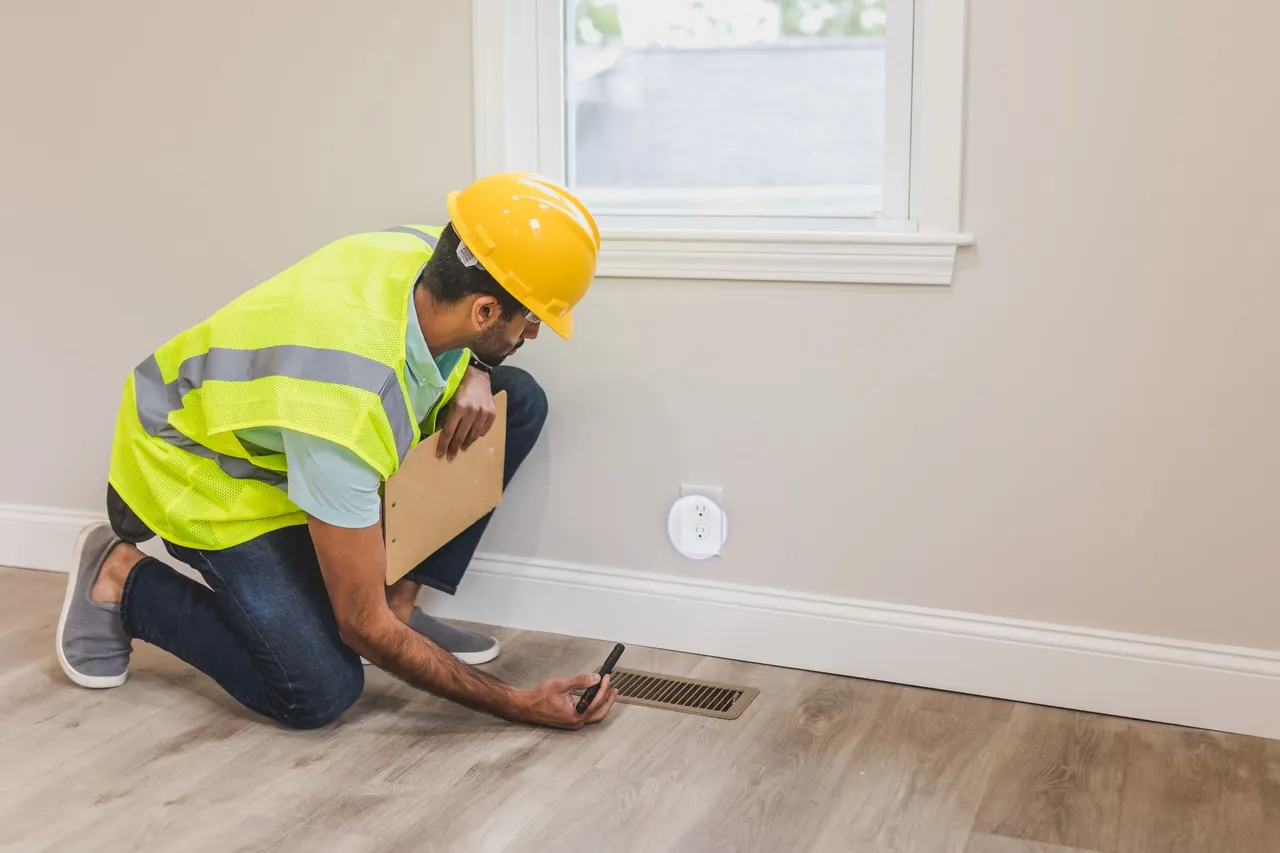
Rotted sheathing, cracked trusses, and sagging decking get repaired or sistered. We install mold-resistant drywall where it's needed, replace insulation, and seal roof penetrations that let water in. Most structural repairs take one to three days depending on scope.

We re-check moisture with a hygrometer, confirm the deck reads dry, and run a final air scrub. You get a photo report, moisture log, and a walkthrough so you can see exactly what was done. If anything needs a follow-up, we schedule it before we leave.

Move across a circle, or focus it and press Enter, for an illustrative thermal view of the photograph.

Finds hidden moisture behind sheathing and around roof penetrations without cutting into the deck. We use it on every inspection to map the full extent of the problem.

Measures moisture content in wood and humidity in the air. We use it to confirm the deck is dry before we close up and to verify readings after repair.

Inspects inside wall cavities, behind insulation, and around roof penetrations where a camera can't see. Helps us find leaks that aren't visible from the attic floor.
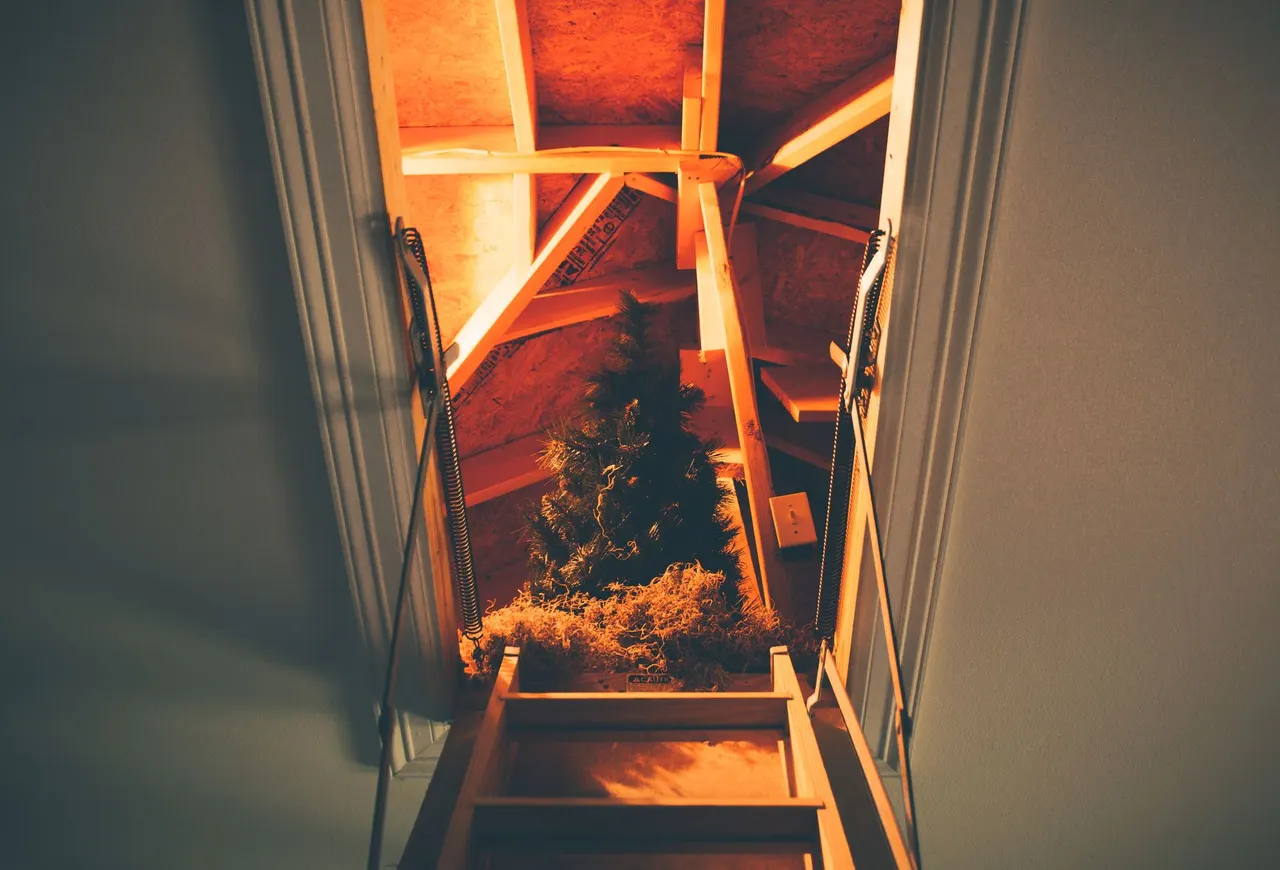
Captures mold spores during removal. We run a HEPA air scrubber continuously during the job to keep spore counts down in the attic and out of your living space.
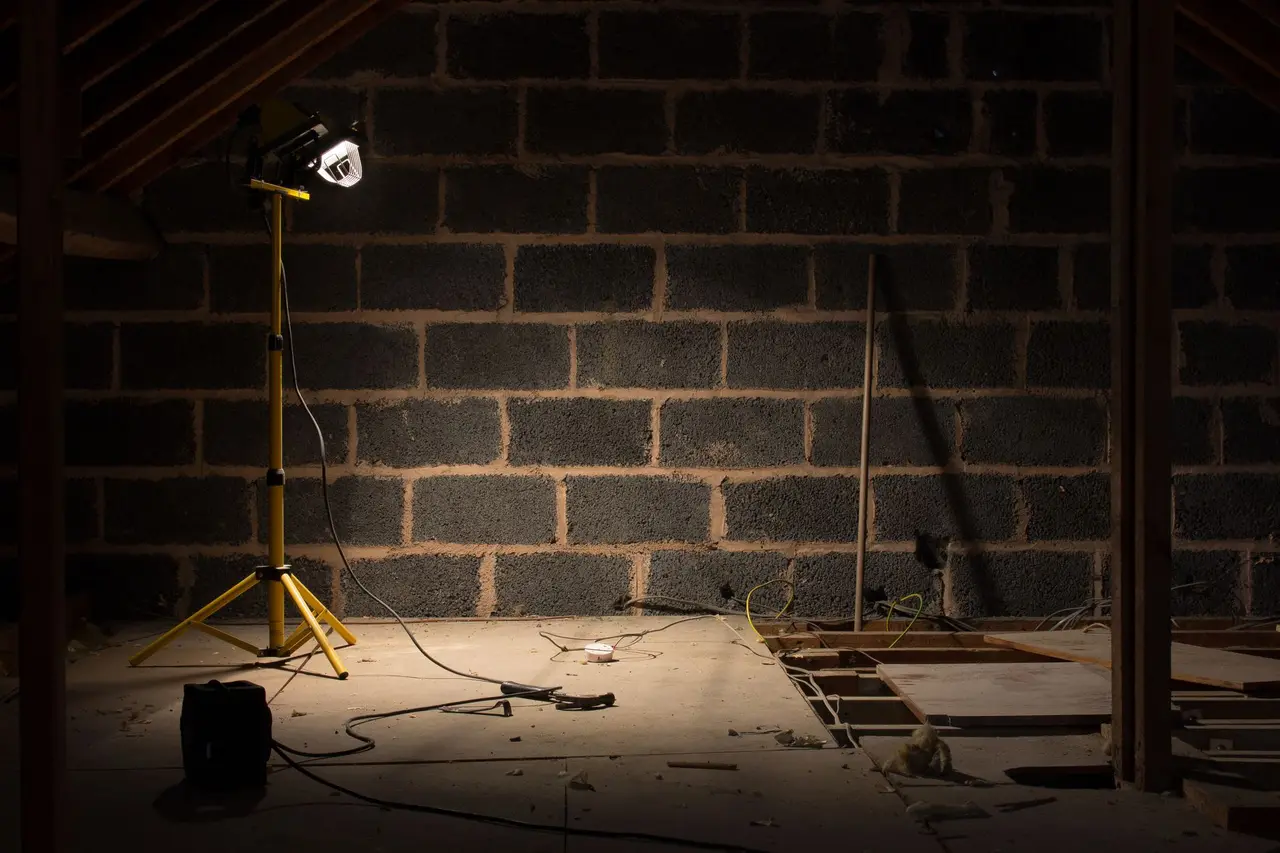
Creates negative pressure in the contained attic so air flows in, not out. This keeps spores from migrating into your home while we work.
Thermal views are illustrative, generated from the photographs.
Applies antimicrobial treatment to every surface in the attic, including areas we can't reach by hand. We use it for final sanitization after removal and repair.
Treats framing and sheathing to stop mold from regrowing. We choose the product based on the substrate and the extent of the contamination.
We follow IICRC S520 for mold remediation - containment, removal, treatment, and verification. This is the standard insurance adjusters and home inspectors recognize, and it's what we document on every job.
For homes built before 1978, we follow EPA Lead-Safe work practices to prevent lead dust from disturbing your family. This applies to many Littleton homes in older neighborhoods like Historic Downtown and Meadowbrook.
Our technicians follow OSHA standards for respiratory protection and containment. That means proper PPE, proper containment, and proper disposal of mold-damaged materials.
We don't close up until the deck reads dry. Every job ends with a hygrometer check and a moisture log so you have documented proof the repair is complete.
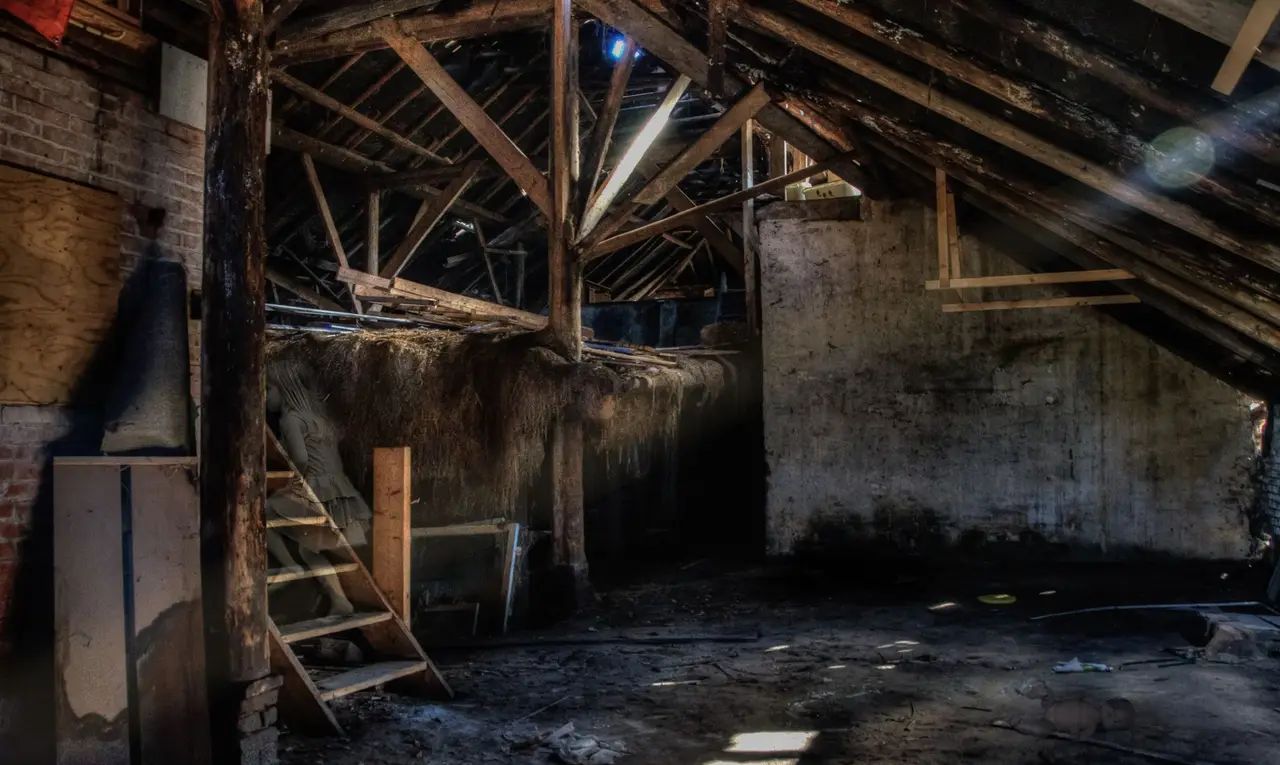
You had a roof leak after a hail storm and noticed black staining on the sheathing months later.
We inspect with thermal imaging, find the leak source, repair the roof penetration, and treat the mold. If sheathing is compromised, we replace it. Most hail-related jobs take three to four days.
Outcome: You get a dry, mold-free attic and documentation for your insurance claim. The repair holds up through the next storm season.
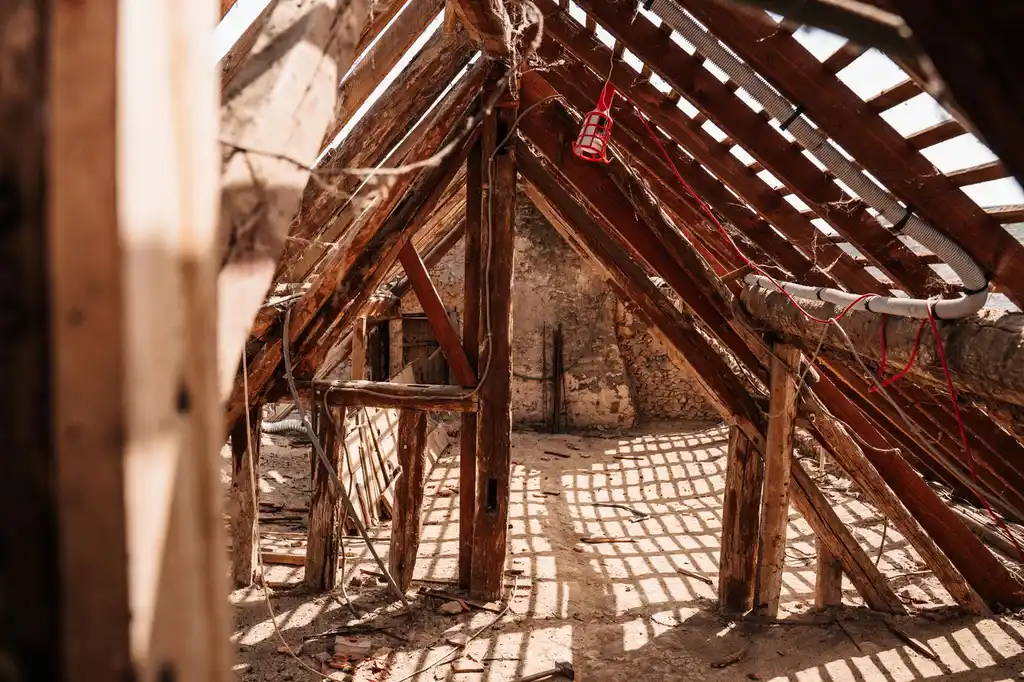
Your home inspector flagged attic mold during a real estate transaction and closing is in two weeks.
We prioritize transaction timelines. Inspection within 24 hours, written scope same day, and repair scheduled to finish before closing. We provide a report most inspectors accept.
Outcome: The mold issue is resolved, your buyer has documentation, and closing stays on schedule.
You're a landlord and a tenant reported a musty smell in an upstairs unit.
We inspect, document the damage, and repair it with minimal disruption to the tenant. You get a written report for your records and your insurance carrier.
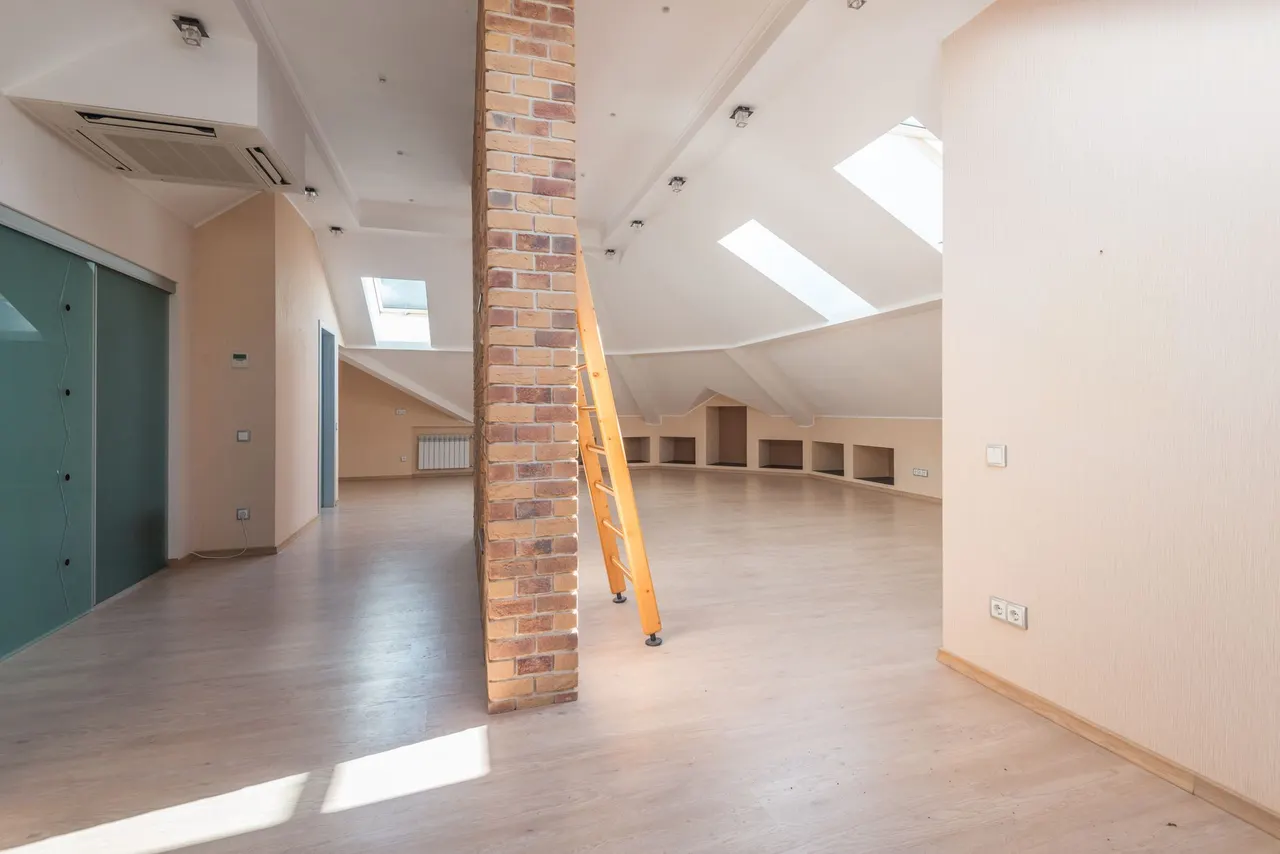
Your 1970s ranch has poor attic ventilation and you've noticed condensation on the roof deck every winter.
We install ridge vents and soffit vents sized to your attic, correct the moisture source, and treat any mold that's already grown. We verify humidity stays below 50 percent.
Outcome: No more condensation, no more mold growth, and lower heating costs from properly functioning insulation.

Someone in your home has asthma and you suspect attic mold is making it worse.
We test air quality, remove the mold source, and verify with post-remediation testing. We provide documentation you can share with your doctor.
Outcome: Documented proof the attic is clean, and reduced airborne triggers in your living space.

Littleton's climate is hard on attics. Freeze-thaw cycles from November through March push moisture into roof decks, and summer hail events punch holes in shingles that don't show up as leaks until months later. Older homes in Historic Downtown Littleton, Meadowbrook, and Columbine often have undersized ventilation, which traps that moisture against the sheathing.
Newer builds in Sterling Ranch and TrailMark are tighter, but they still get condensation on cold decks if bath fans vent into the attic instead of outside. We work in ZIP codes 80120, 80122, 80123, and 80128 regularly, and we know what Arapahoe County inspectors look for. If you're searching for professional attic mold damage repair in Littleton, Colorado, we're local and we can usually be at your door the same day.
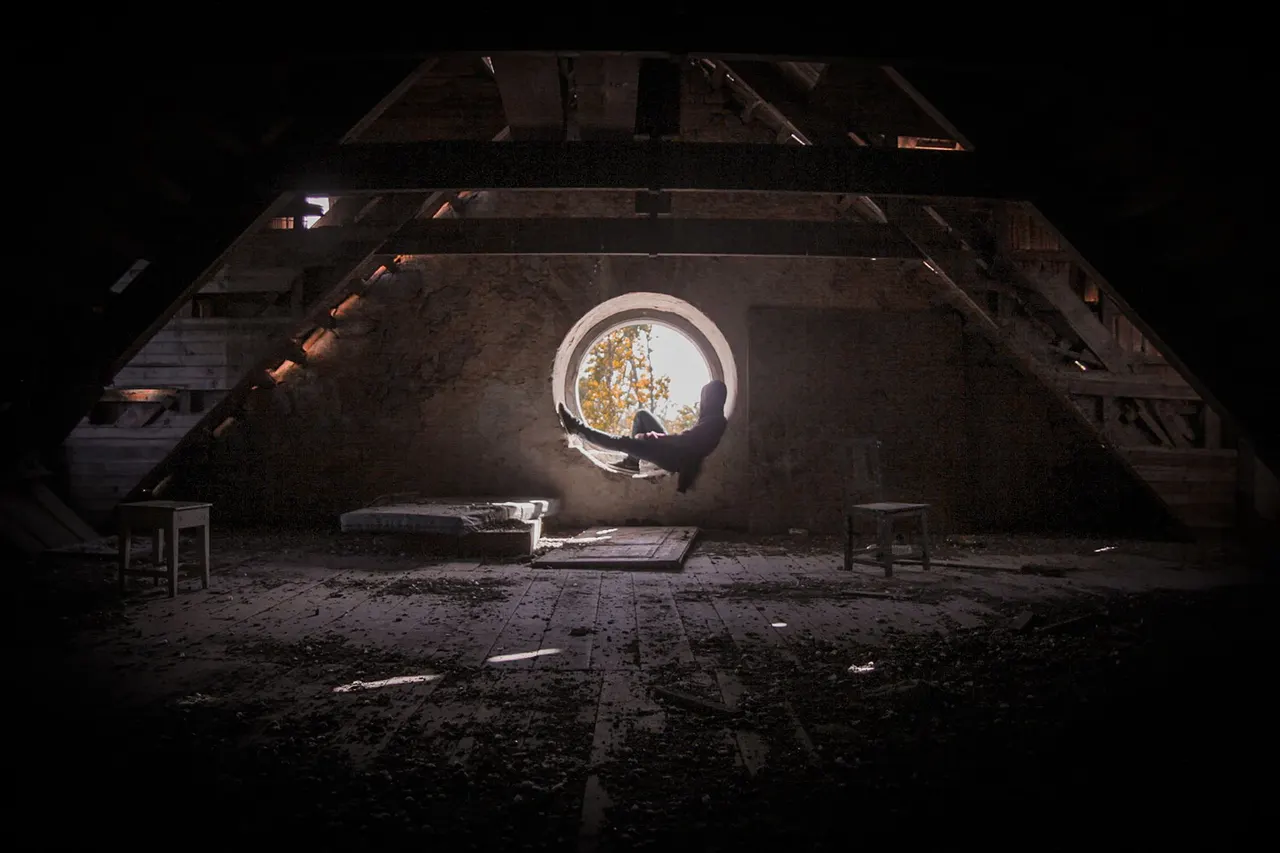
Before: A summer hailstorm punched holes in the shingles. The homeowner didn't notice the slow leak until fall, when black mold covered about 60 square feet of sheathing and two trusses showed early rot.
After: We repaired the roof penetration, replaced 60 square feet of sheathing, treated the trusses with antimicrobial, and installed new insulation. Moisture readings dropped from 28 percent to 11 percent. Job took four days.
We recommended annual attic inspections after hail season and added ridge vents to improve airflow. The homeowner checks the attic every spring after snowmelt.
Before: A 1940s ranch had no ridge vents and only two small soffit vents. Condensation had been feeding mold on the roof deck for years. Insulation was saturated and R-value had dropped to almost nothing.
After: We installed ridge vents and additional soffit vents, removed and replaced all contaminated insulation, treated the entire deck with Concrobium, and verified humidity stayed below 50 percent. Job took five days.
The homeowner runs a dehumidifier in the attic during winter months and checks ventilation screens every fall before the heating season.
Before: A buyer's inspector flagged attic mold two weeks before closing. The seller needed it resolved fast. About 30 square feet of sheathing had surface mold, and ductwork running through the attic showed early contamination.
After: We inspected within 24 hours, provided a written scope the same day, and completed the repair in three days. We replaced the affected duct section, treated the sheathing, and provided a report the buyer's inspector accepted. Closing stayed on schedule.
The new homeowner schedules an annual attic inspection each fall and keeps an eye on humidity levels during winter.
Attic mold shows up in predictable ways in Littleton - black staining on the roof deck, musty odors in upstairs bedrooms, sagging sheathing after a leak. Here's what we see most often and how we fix it.
A dry, mold-free attic that holds up through Colorado weather.
Mold digests wood cellulose. Left alone, sheathing mold and truss mold turn structural lumber into soft, crumbling material. We remove the mold, treat the wood with Concrobium or Fiberlock, and replace only what's actually compromised - typically 10 to 30 percent of the affected sheathing, not the whole roof deck.
Killing mold without fixing the water source means it comes back in one or two seasons. We trace every leak with a boroscope and hygrometer, repair the roof penetration or add attic ventilation, and verify with a moisture meter that the deck reads below 15 percent before we close out.
Moldy fiberglass and cellulose insulation lose R-value and blow spores into your HVAC system. We HEPA vacuum the attic, remove contaminated insulation, and replace it so your home holds temperature and your family isn't breathing attic air. Most jobs include attic ductwork mold removal if the ducts run through the space.
If you're filing attic mold damage repair for insurance claims, we photograph every affected area, log moisture readings, and provide a written scope your adjuster can work from. Same documentation works for real estate transactions and home inspections in Littleton - buyers' inspectors accept our reports.
What a written scope covers and what shapes it. Prices are set by the business after the first look.
Included
Depends on
Clear records you can keep and share.
Images of every affected area before and after
Readings taken before, during, and after repair
Line-item detail of work performed
Final moisture and air quality readings
Not all attic mold is the same. What we find determines how much work is needed and how long it takes.
Mold growing on the surface of wood
Mold that has penetrated into wood
Mold has weakened framing or sheathing
A list like this tells people straight away whether you cover their street. Not listed? Call and ask: it only takes a minute.
Based in Littleton and covering the places around it. Pick one for local details.
Small jobs - under 200 square feet of affected sheathing with no structural damage - often land near the low end. Larger attics with rotted trusses, contaminated insulation, or ductwork mold push toward the high end. We give you a written scope with line-item pricing before any work starts.
Attic mold digests wood cellulose, so it weakens sheathing, trusses, and framing over time. It also ruins insulation R-value, corrodes HVAC components, and pushes musty spores into your living space through ceiling gaps and ductwork. In Littleton's freeze-thaw climate, mold-damaged sheathing often delaminates after one or two winters, which can lead to sagging roof deck and expensive structural repairs.
Most attic mold damage repair jobs in Littleton take two to five days from containment to final walkthrough. A small job with light surface mold and no structural damage can wrap in two days. If we're replacing sheathing, sistering trusses, or removing contaminated insulation, expect four to five days. We give you a day-by-day schedule in the written scope so you can plan around it.
It depends on the cause. If mold grew from a sudden event - a roof leak after a hailstorm, a burst pipe - most Colorado policies cover the resulting attic mold damage repair. If it's from long-term poor ventilation or neglected maintenance, most policies exclude it. We document the cause with photos and moisture readings so your adjuster can make a clear call. If your claim is denied, we'll explain why.
Other services from the same team.
Call (720) 953-3834 and we'll schedule an inspection, usually same day. You'll get photos, moisture readings, and a written scope before any work starts. Local crew, local references, and a repair that holds up through Colorado's next storm season.
Call (720) 953-3834 or email us and we will schedule an attic inspection, usually within a day or two. We work Monday through Friday, 8am to 6pm, and we answer the phone ourselves. If you have a leak or storm damage, tell us and we will prioritize the call.