Commercial Attic Mold Removal in Littleton that protects your building and your people
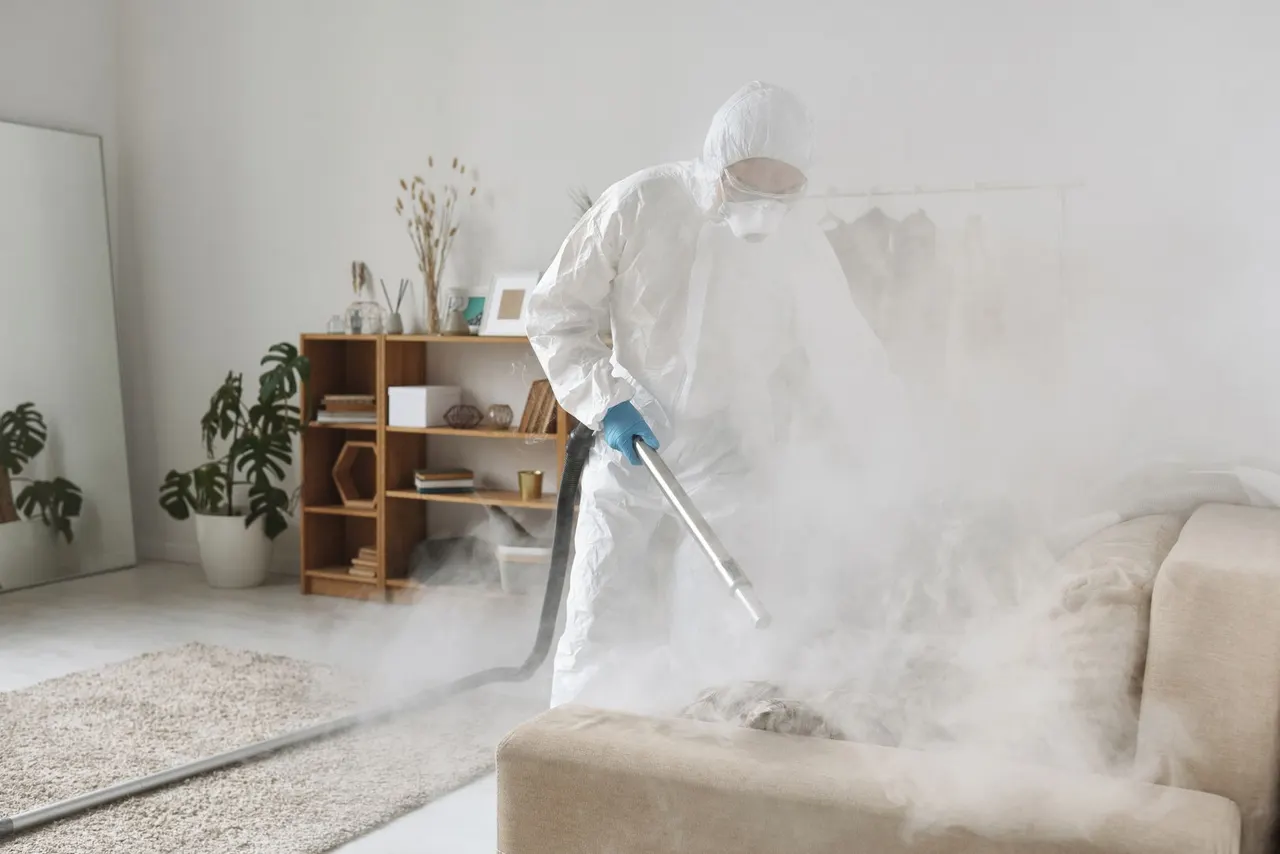
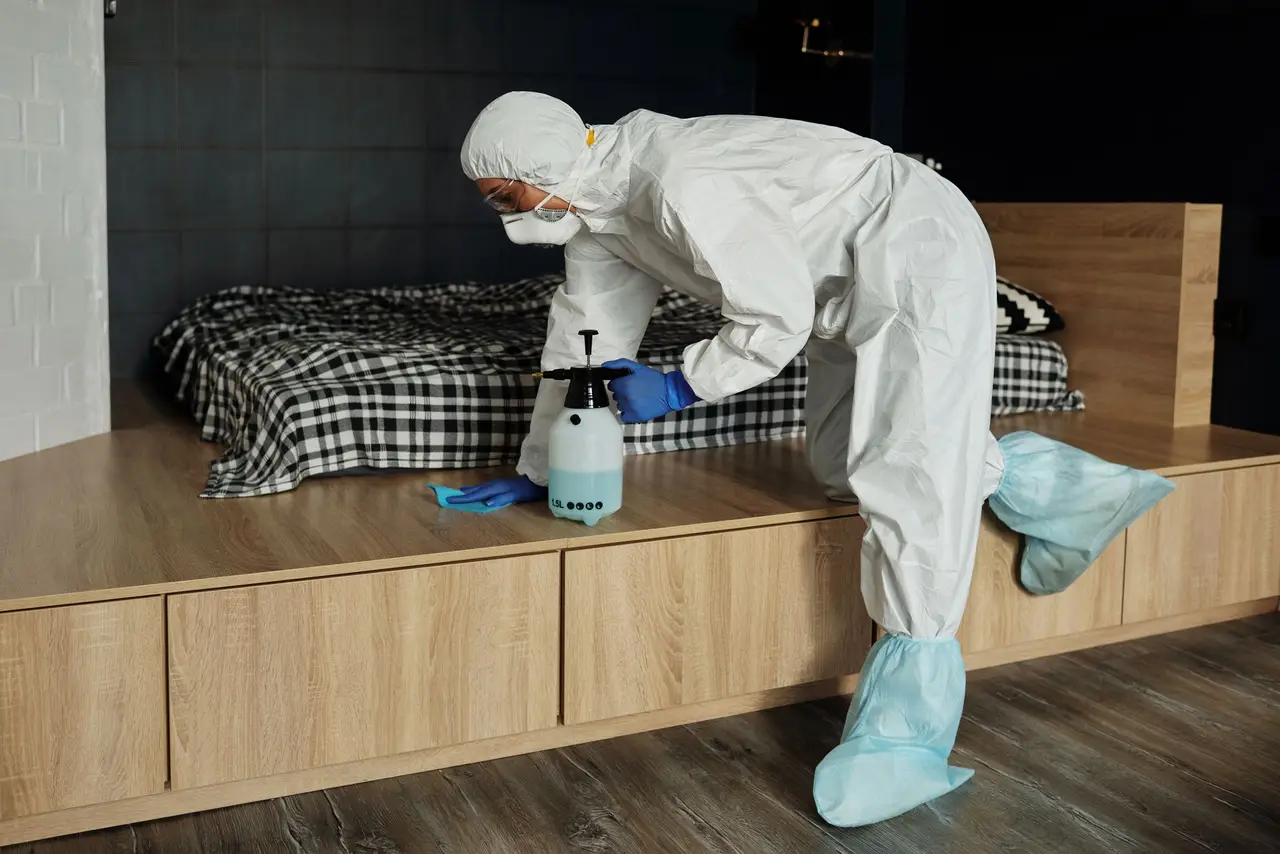
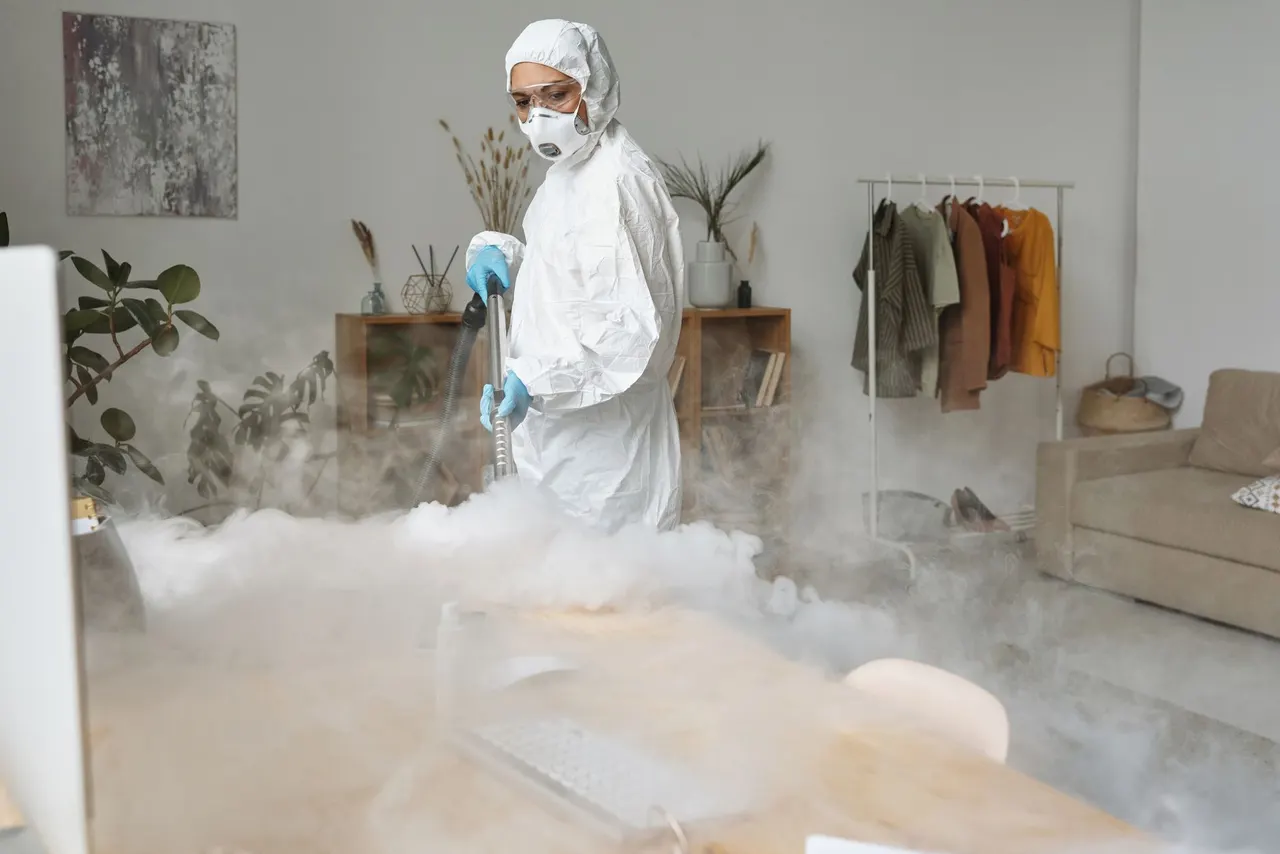
When mold takes hold above your ceiling tiles, it spreads through ductwork and drives complaints from staff and tenants. Our Commercial Attic Mold Removal in Littleton starts with a same-day inspection using thermal imaging and moisture meters, then we contain, remove, and sanitize the affected space. We work nights and weekends so your business keeps running. Serving Arapahoe County and all of Littleton, CO.
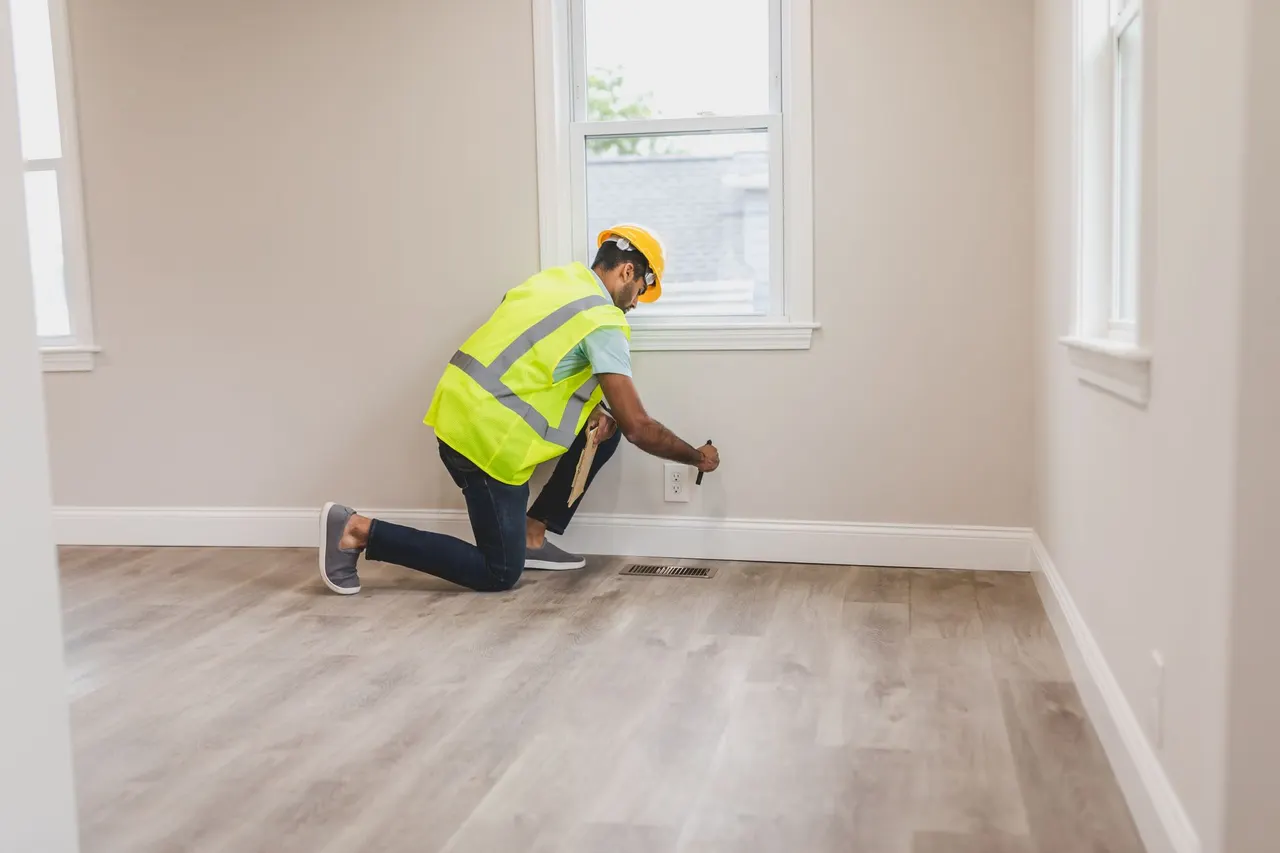
We photographevery affected surface before and after
We measuremoisture in wood and attic air
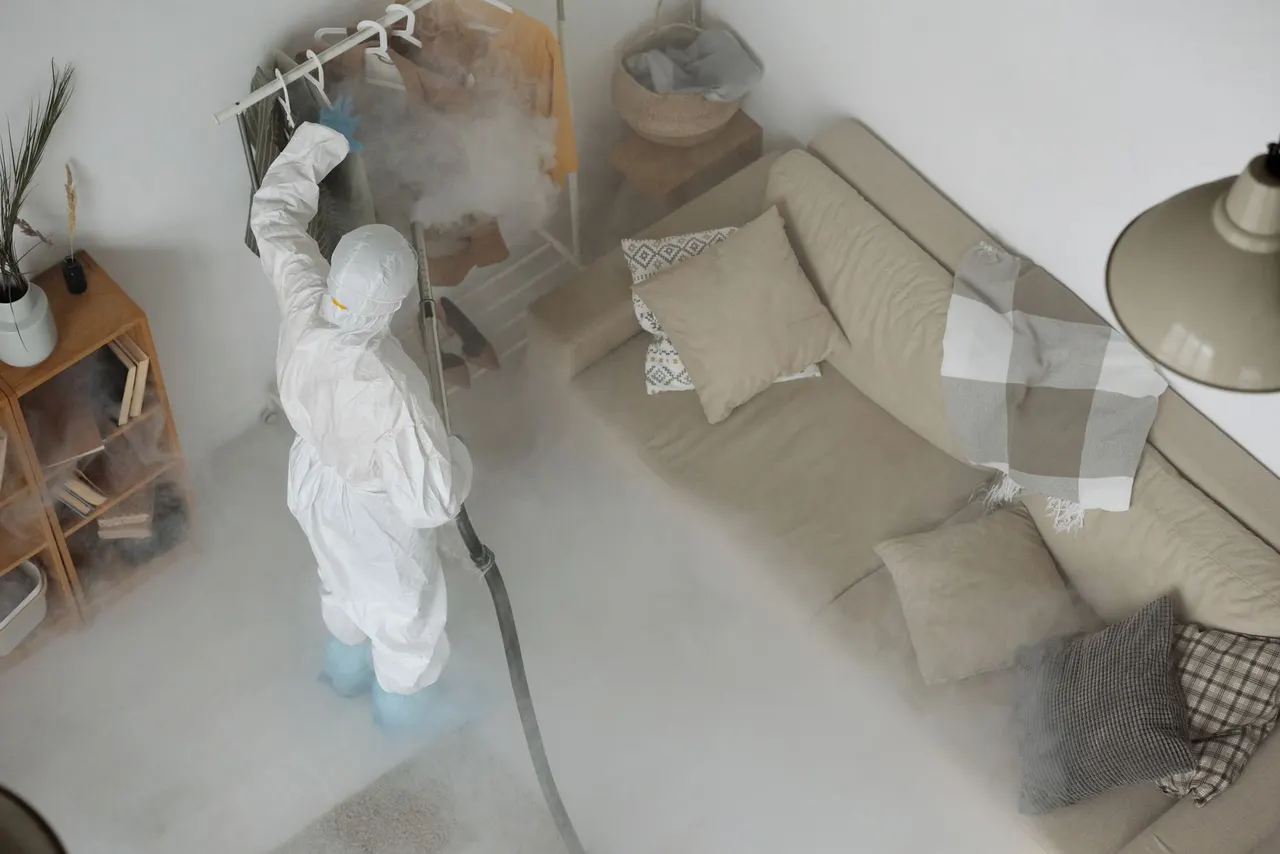
We containthe work zone before removal starts
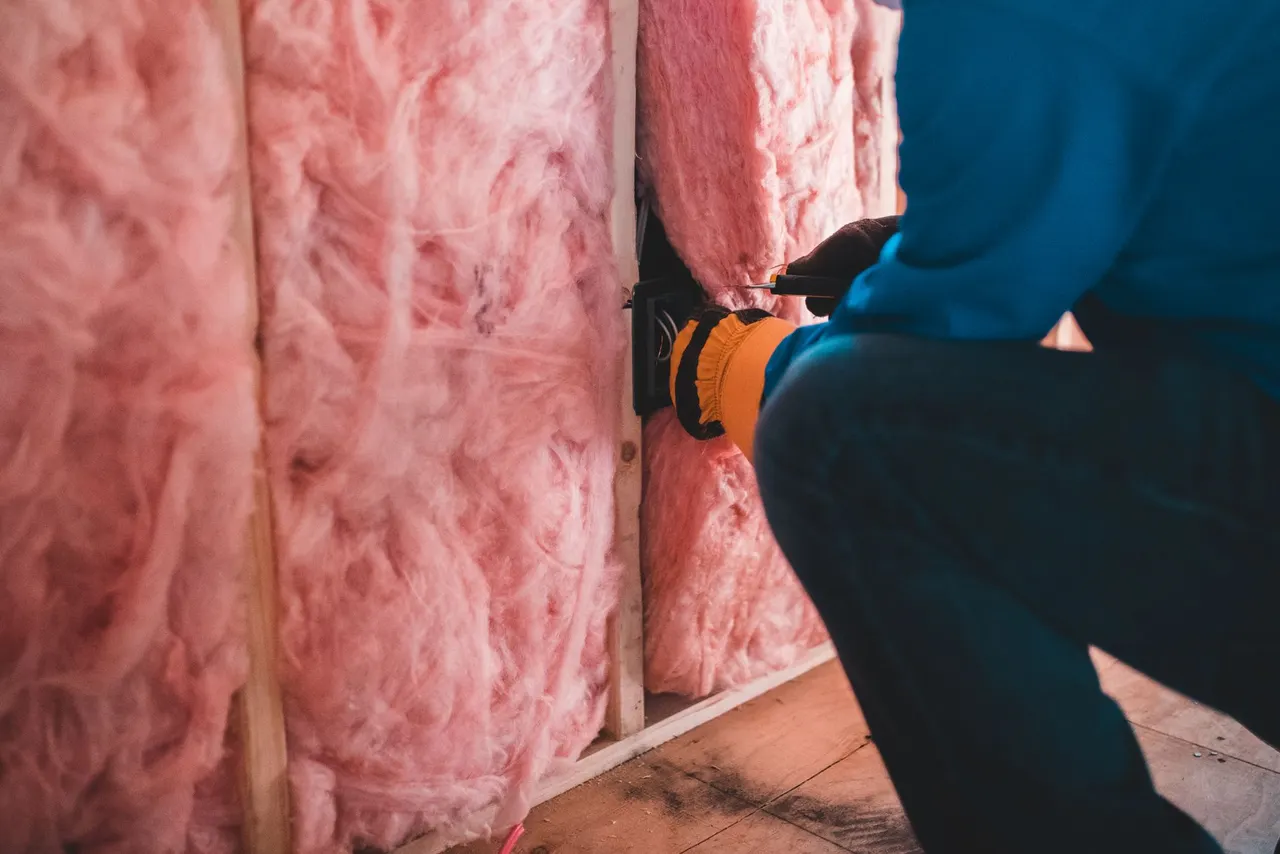
We explainthe scope before any work begins
What our commercial attic mold removal includes
Every commercial attic mold removal in Littleton we run includes the same core scope: inspection, containment, removal, treatment, and clearance testing. What changes is the size of the attic and how much material has to be replaced. Here is what you get on a standard job.
Full attic inspection
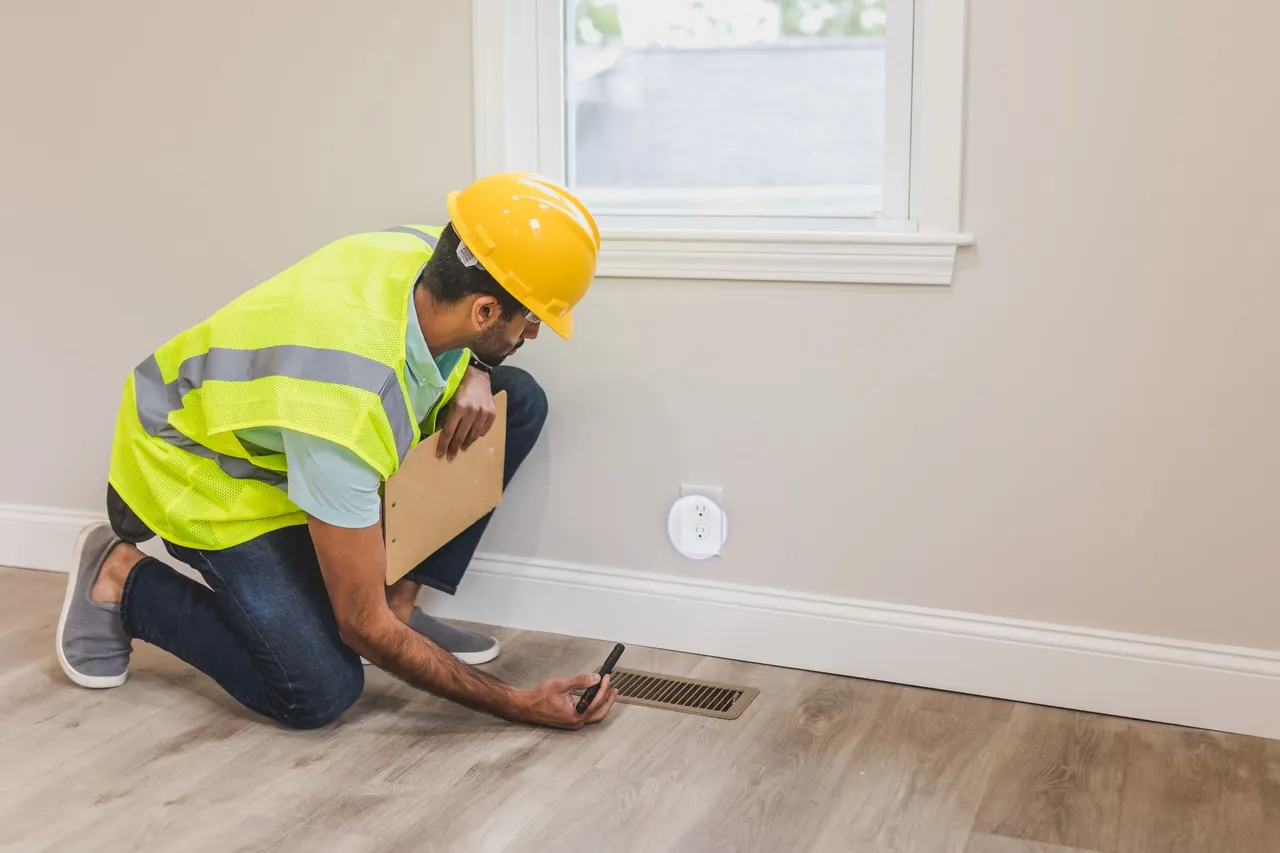
Moisture meter, hygrometer, thermal imaging camera, and boroscope readings across the entire attic. You get a written scope with photos showing exactly where the mold is and what is feeding it.
Containment and air scrubbing
Poly barriers, zip doors, negative air machines, and HEPA air scrubbers keep spores out of your occupied space. We run scrubbers continuously from setup through final clearance.
HEPA vacuum and removal
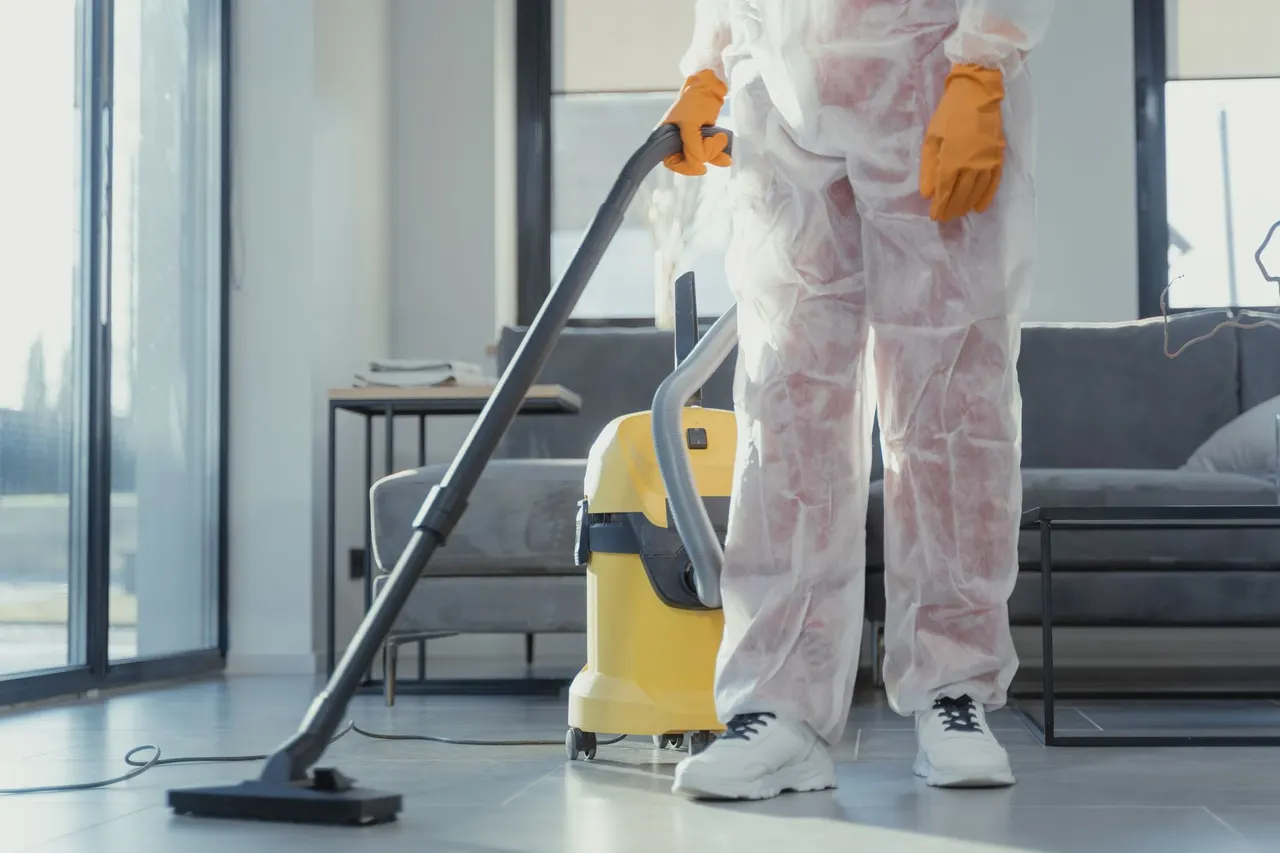
Every affected truss, sheathing panel, and duct surface gets HEPA vacuumed. Saturated insulation and other porous materials come out in sealed bags and get hauled away.
Antimicrobial treatment
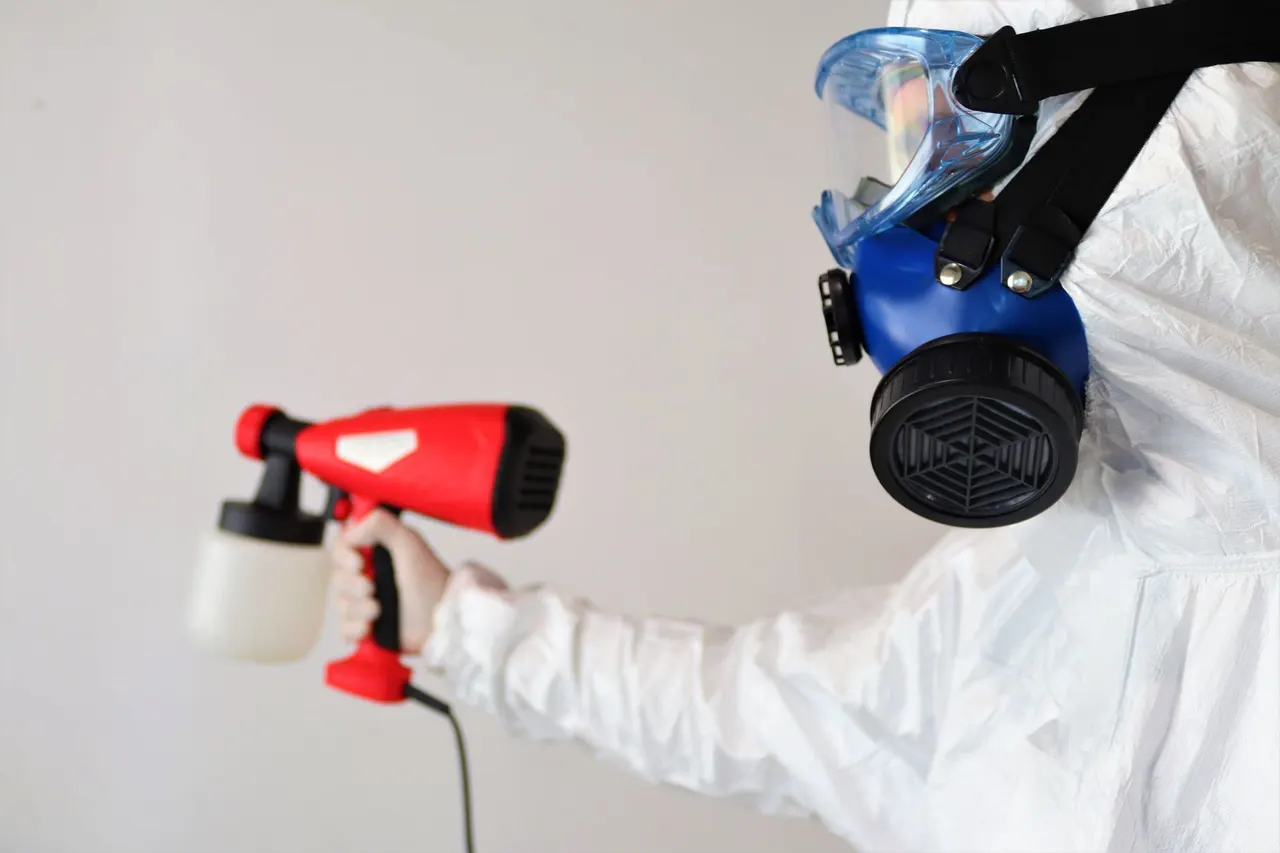
Concrobium or Benefect antimicrobial spray applied to all treated surfaces, including trusses, sheathing, and ductwork. Both are rated for occupied commercial buildings.
Moisture source repair
We fix the roof leak, reseal penetrations, and correct ventilation problems so the attic stays dry. Without this step, mold comes back within a season.
Clearance testing and report
Post-remediation air quality testing plus a written report with moisture readings, photo log, materials removed, and product documentation. Sent to you and your insurer.
Homes and businesses.
The approach is the same for a home and a business. What changes is the access, the schedule and who needs the paperwork.
For homes
Homeowners and tenants call us when a roof leak or a musty smell points to attic mold. We inspect, scope, and remediate with the same documentation we bring to commercial jobs.
Roof leak above the ceiling
Musty smell in upstairs rooms
Mold on attic sheathing
For businesses
Property managers and owners call us when mold above the ceiling threatens a lease, an audit, or staff air quality. We work around your operating hours so the building stays open.
Tenant air quality complaints
Mold above retail ceiling tiles
Contaminated attic ductwork
What Commercial Attic Mold Removal in Littleton actually involves
A plain-language look at what Commercial Attic Mold Removal involves and when it is needed.
Commercial Attic Mold Removal in Littleton is the contained removal and treatment of mold growth from the attic spaces above businesses, warehouses, retail centers, and office buildings. It is not a spray-and-paint job. We map the moisture source with a thermal imaging camera and hygrometer, seal off the work zone with negative air machines, HEPA vacuum every affected surface, and apply an antimicrobial spray rated for commercial occupancy. Roof sheathing, trusses, ductwork, and insulation all get checked and treated.
Littleton buildings sit through freeze-thaw cycles in winter and dry heat in summer, and that swing drives condensation on roof sheathing and truss plates. Add a slow roof leak above a warehouse rack or a clogged ventilation fan in a retail attic, and you have the conditions for black mold and musty odors inside a month. If you are searching for commercial attic mold removal near me Littleton, we handle the inspection, the remediation, and the documentation your insurer or landlord needs.
Commercial attic mold is a moisture problem first and a mold problem second. Fix the source or it comes back.
What it is
Contained removal and treatment of mold growth from commercial attic spaces, including trusses, sheathing, and ductwork.
When you need it
Visible growth, musty odors in the workspace, tenant complaints, or a roof leak that soaked the attic.
What to expect
Same-day inspection, written scope, containment, removal, treatment, moisture repair, and clearance testing.
Our commercial attic mold removal process
Every job follows the same five steps, whether it is a 2,000 square foot retail attic in Littleton Village or a 40,000 square foot warehouse near Roxborough. Here is what you will see from us.
Inspection and mapping
We walk the attic with a moisture meter, hygrometer, and thermal imaging camera, and run a boroscope into wall cavities and duct chases. You get a written scope the same day showing where the mold is, what is feeding it, and how much of the attic is affected. Most inspections take 60 to 90 minutes.
Walk-through
Moisture readings
Written scope
Containment and air control
We seal the attic from the occupied space with poly barriers and zip doors, then set negative air machines and HEPA air scrubbers to keep spores from drifting into your workspace. On a typical Littleton commercial job this setup takes two to three hours before any removal starts.
Poly barriers
Negative air
Air scrubbers
Removal and treatment
Affected insulation comes out in sealed bags. We HEPA vacuum trusses, sheathing, and ductwork, then apply Concrobium or Benefect antimicrobial spray to every treated surface. Porous materials that cannot be cleaned, like saturated cellulose insulation, get replaced with mold-resistant drywall or new fiberglass.
HEPA vacuum
Antimicrobial spray
Insulation swap
Repair and prevention
We fix the roof leak, reseal penetrations, and repair or install ventilation fans so the attic breathes. If ductwork was contaminated, we clean and seal it before the system goes back online. This is the step that keeps the mold from returning next season.
Leak repair
Ventilation fix
Duct sealing
Clearance and handoff
We run final air quality testing, photograph the finished attic, and give you the full remediation report with before-and-after readings. If your insurer or landlord needs documentation, we send it directly. Most jobs clear on the first post-remediation test.
Air testing
Photo log
Report handoff
Tools and methods we use on commercial attics
Move across a circle, or focus it and press Enter, for an illustrative thermal view of the photograph.
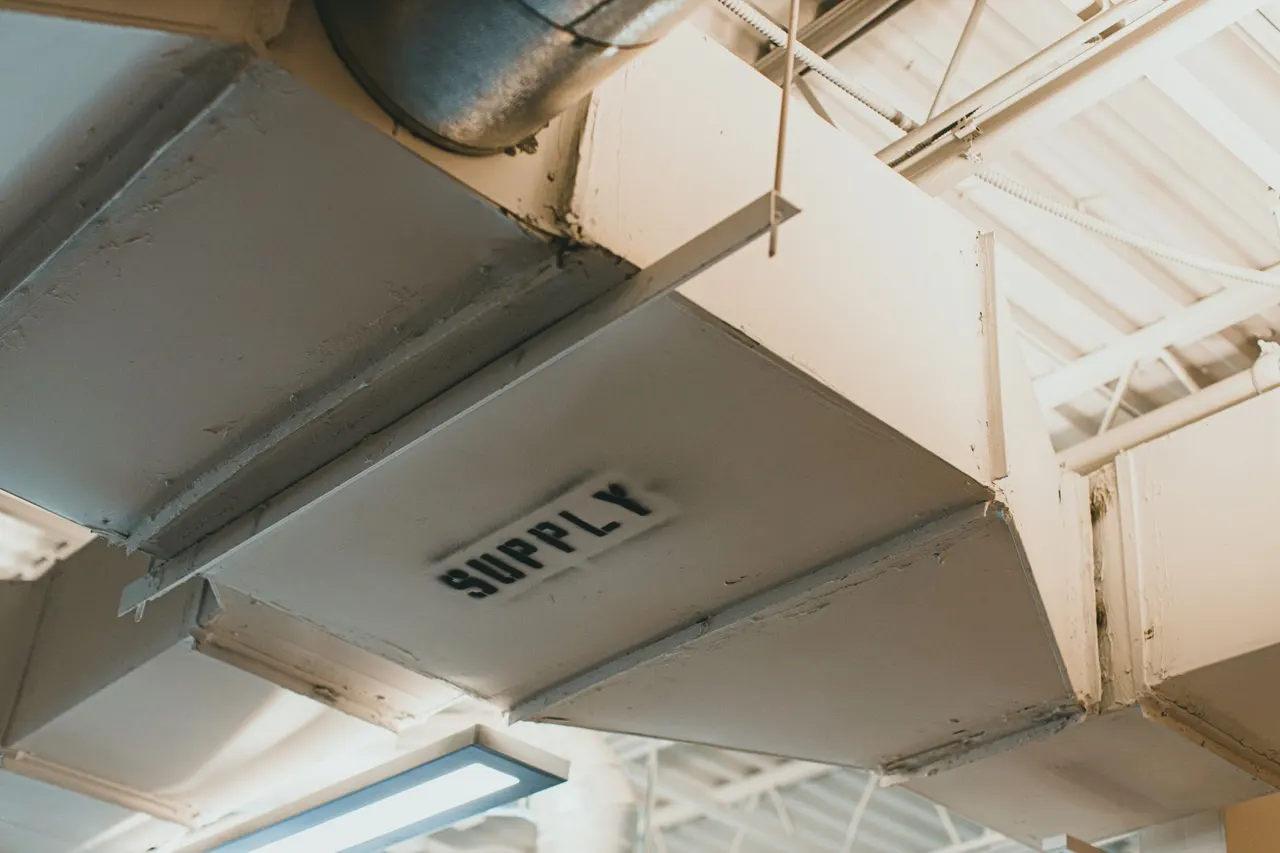
Thermal imaging camera
Finds hidden moisture behind sheathing, around penetrations, and above ceiling decks before we open anything up.
Moisture meter and hygrometer
Reads actual moisture content in wood and humidity levels in the attic air. These numbers drive the scope and the clearance test.
Boroscope
Lets us see inside wall cavities, duct chases, and tight truss bays without cutting open the building.
HEPA vacuum
Removes settled spores from trusses, sheathing, and duct surfaces without throwing dust back into the air.
Negative air machine and air scrubber
Keeps the attic under negative pressure and filters the air continuously so spores never reach your occupied space.
Thermal views are illustrative, generated from the photographs.
Methods
Fogger
Applies antimicrobial treatment evenly across large attic surfaces, including areas a sprayer cannot reach.
Dri-Eaz and Phoenix Restoration drying equipment
Dries wet sheathing and framing fast after a leak so mold does not get a second chance to grow.
IICRC remediation standards
We follow IICRC containment, removal, and clearance protocols on every commercial attic job. That means documented containment, HEPA filtration, and post-remediation verification, not just a spray and a handshake.
OSHA-compliant containment on occupied buildings
Commercial attics sit above people. We build containment and set negative air so your staff and tenants are never exposed to spores or removal dust during the job.
Antimicrobial treatment with Concrobium and Benefect
Both products are rated for occupied commercial buildings. We apply them to trusses, sheathing, and ductwork after removal to stop any remaining spores from colonizing.
Post-remediation air quality testing
We sample the air before and after remediation and compare spore counts. That clearance test is what your insurer, landlord, or tenant needs to see before signing off.
When Littleton businesses call us for attic mold
Retail bay
A retail center in Littleton Village found mold on the trusses above a tenant's ceiling after a winter roof leak.
We inspected the same day, contained the affected bay that night, and ran removal and treatment over two evenings so the store never closed. Insulation was replaced and the roof leak was repaired.
Outcome: Clearance testing passed on the first try. Tenant stayed, and the property manager now runs annual attic inspections with us.
Warehouse racking
A warehouse near Roxborough Park had visible black mold across 40 feet of roof sheathing after a slow leak above the racking.
We set up containment and negative air, HEPA vacuumed the sheathing and trusses, treated with antimicrobial spray, and replaced the wet insulation. Work ran nights so shipping never stopped.
Outcome: Full remediation finished in five days. Post-remediation air test cleared, and the insurer covered the claim with our documentation.
Office ductwork
An office building in Ken Caryl had a persistent musty smell in the conference room that no amount of cleaning would fix.
Our inspection traced the odor to mold inside the attic ductwork above the conference room. We cleaned and sealed the duct run, treated the surrounding sheathing, and ran air quality testing before and after.
Outcome: Spore counts dropped to normal range. Staff stopped reporting the smell within a week, and the building passed its next tenant inspection.
Multi-building portfolio
A property manager in Columbine needed commercial attic mold removal for retail spaces across three buildings before a lease renewal.
We inspected all three attics, scoped each one separately, and ran remediation on a rolling schedule so no tenant lost more than a day of access. Documentation was packaged per building.
Outcome: All three cleared, leases renewed, and the manager set up a semi-annual inspection contract to catch problems early.
Restaurant attic
A restaurant owner in Historic Downtown Littleton had condensation mold on the roof sheathing above the kitchen after a wet spring.
We remediated the growth, corrected the ventilation with new soffit and ridge venting, and replaced the saturated insulation. Work ran after closing hours.
Outcome: Attic stayed dry through the next spring. Owner avoided the annual callback he had been paying for with a previous contractor.
How commercial attic mold removal runs in Littleton
Littleton sits in Arapahoe County where winters swing between freezing nights and warm days, and that freeze-thaw cycle drives condensation on roof sheathing across the metro. Commercial buildings here tend to have flat or low-slope roofs with limited attic ventilation, which traps moisture above the ceiling deck.
We see the same pattern in retail centers around Littleton Village, warehouses out near Roxborough Park, and office buildings in Ken Caryl: a slow roof leak or a clogged ventilation fan, then visible mold on trusses and sheathing within a month. Our crews know how Arapahoe County inspectors want attic ventilation documented, and we know how commercial insurers want a mold claim packaged.
If you are searching for professional commercial attic mold removal Littleton, Colorado, we will inspect, scope, and price the job before any work starts, and we will work around your operating hours so the building stays open.
Historic Downtown Littleton: Older commercial buildings with limited attic ventilation and original roof structures. Condensation mold on sheathing is common after wet springs.
Littleton Village: Newer retail and mixed-use buildings where a single roof leak above a tenant bay can trigger a mold claim and a lease dispute fast.
Ken Caryl: Office and light commercial buildings with HVAC equipment in the attic. Ductwork contamination is the most common call we get here.
Roxborough Park: Warehouse and industrial buildings with large attic volumes. Slow roof leaks above racking often go unnoticed until mold is widespread.
Sterling Ranch: Newer construction where ventilation mistakes during the build show up as sheathing mold within the first few winters.
Freeze-thaw cycles driving condensation on roof sheathing: Warm moist air hits cold sheathing overnight, condenses, and feeds mold all winter. We correct ventilation and treat the sheathing so the cycle stops.
We schedule clearance testing and hand off the report
From problem to finished result.
IllustrativeThe thermal view is generated from the photograph. It is not a measurement. Drag the handle, or use the arrow keys once it is focused.
Retail attic cleared in three days
Before: A Littleton Village retail bay had visible black mold across 30 feet of roof sheathing after a winter roof leak. The tenant was threatening to break the lease and the property manager needed documentation for the insurer.
After: We contained the attic, HEPA vacuumed and treated the sheathing and trusses, replaced the wet insulation, and repaired the roof leak. Clearance testing passed on the first try, and the insurer covered the claim.
Annual attic inspection and a ventilation check each fall. The property manager now runs semi-annual moisture readings to catch leaks early.
Warehouse sheathing remediated without shutdown
Before: A Roxborough Park warehouse had mold across 40 feet of sheathing above the racking after a slow roof leak. Shipping could not stop, and the owner needed the attic clear before a client audit.
After: We ran containment and removal over four nights, HEPA vacuumed the trusses and sheathing, treated with antimicrobial spray, and replaced the wet insulation. Post-remediation air test cleared and the audit passed.
Roof inspection each spring and fall, plus a moisture meter check on the sheathing after any major storm.
Office ductwork and attic cleared in Ken Caryl
Before: An office building in Ken Caryl had a musty smell in the conference room that cleaning would not fix. Staff complained of headaches and the tenant was asking about air quality testing.
After: We traced the odor to mold inside the attic ductwork, cleaned and sealed the run, treated the surrounding sheathing, and ran pre- and post-remediation air testing. Spore counts dropped to normal range.
Quarterly HVAC filter changes and an annual attic inspection to catch any new moisture before it feeds mold.
Commercial attic mold problems we solve in Littleton
Most commercial attic mold calls we get in Littleton trace back to one of a handful of causes. Here is what we see and how we fix it.
Roof leakRoof leak soaking sheathing and trusses above the workspaceMold can colonize wet sheathing in 24 to 48 hours. Left alone, it spreads across the roof deck and starts dropping spores into your HVAC return. We find the leak with thermal imaging, contain the affected area, HEPA vacuum and treat the sheathing and trusses, then repair the roof penetration so water stops coming in. Documented end to end for your insurer.
Poor ventilationPoor attic ventilation causing condensation mold every winterWarm moist air hits cold roof sheathing, condenses, and feeds mold all season. You get musty odors in the workspace and repeat growth every year. We remediate the existing growth, then install or repair ridge vents, soffit vents, and powered ventilation fans sized for your building. That airflow keeps the sheathing dry through Littleton's freeze-thaw cycles.
Ductwork moldContaminated ductwork spreading spores into every roomMold inside attic duct runs gets pushed into offices, retail floors, and warehouses every time the HVAC kicks on. Staff and tenants notice the smell and start complaining. We clean, seal, and treat the duct runs inside the attic, then run air quality testing to confirm spore counts are back to normal. Your HVAC stops recirculating mold.
Wet insulationSaturated insulation holding moisture against the ceiling deckWet fiberglass and cellulose insulation keeps the deck damp, feeds mold, and loses R-value. Energy bills climb while the mold spreads. We bag and remove the saturated insulation, treat the deck, and replace it with new material rated for your ventilation setup. Where it helps, we swap in mold-resistant drywall.
Musty odorsMusty odors in the workspace that staff and tenants keep reportingOdor complaints lead to tenant turnover, employee health complaints, and sometimes a call from the health department. The smell is a symptom, not the problem. We trace the odor to its source in the attic, remediate the mold, and run air scrubbers until post-remediation testing clears. That is what actually gets rid of the smell.
Why Littleton businesses call us for attic mold
A dry attic, clean air, and documentation your insurer will accept.
Cleaner air, fewer complaints
Attic mold spores ride your HVAC return and land in the workspace. We remove the source, clean the ductwork, and run HEPA filtration until post-remediation air quality testing clears. Most Littleton offices see odor complaints drop within 48 hours of final clearance.
Documented for your insurer
We photograph every affected truss, sheathing panel, and duct run before and after, log moisture readings, and hand you a remediation report. That file is what your carrier wants for a commercial attic mold treatment Littleton claim, and it is what your adjuster will ask for.
Work that fits your hours
Retail spaces, restaurants, and offices cannot shut down for a week. We schedule containment and removal around your operating hours, often running nights and weekends so the sales floor or warehouse stays open. Most commercial attics are back in service in two to four days.
Stops the next outbreak
Mold comes back when the moisture does. We fix the roof leak, add or repair ventilation fans, and where needed swap saturated fiberglass insulation for mold-resistant drywall and proper venting. That is how you stop paying for the same remediation twice.
What a written scope covers.
What a written scope covers and what shapes it. Prices are set by the business after the first look.
We had mold on the trusses above a retail bay and the tenant was threatening to break the lease. PeakShield inspected the same day, contained the attic that night, and had clearance testing done in three days. The report they sent my insurer was thorough enough that the claim went through without a fight. Tenant stayed.
A roof leak above our racking soaked the sheathing and we had visible black mold within a month. They worked nights so we never shut down shipping, replaced the wet insulation, and fixed the leak. Post-remediation air test came back clean. Two winters later, no mold.
Staff kept complaining about a musty smell in the conference room. PeakShield traced it to attic mold above the ductwork and cleaned the whole run. Air quality testing before and after showed a real difference. They explained every step and never tried to upsell us on work we did not need.
Frequently Asked Questions
A small retail attic with limited growth often lands near the low end. A warehouse with widespread sheathing mold and duct cleaning pushes toward the top. We give you a written scope and price after the inspection, before any work starts.
A typical commercial attic takes two to four working days from containment to clearance. Inspection and setup eat the first day, removal and treatment the next one or two, and final air quality testing wraps it up. Larger warehouses or buildings with contaminated ductwork can run five to seven days. We schedule around your operating hours so the building stays open the whole time.
Yes. Property managers with multiple buildings often set up an annual or semi-annual inspection contract so we catch moisture problems before mold spreads. The contract covers scheduled attic inspections, moisture readings, and priority scheduling if growth is found. It is cheaper than emergency remediation, and it gives ownership a paper trail showing the building was maintained.
Often yes, if the mold traces back to a covered event like a roof leak, burst pipe, or storm damage. Insurance usually excludes mold from long-term neglect or poor maintenance. We document the moisture source, photograph the damage, and provide the remediation report your adjuster needs. We can also talk directly with your carrier so the claim moves faster.
Get a same-day Commercial Attic Mold Removal in Littleton inspection
Call (720) 953-3834 and we will schedule a same-day inspection for your Littleton commercial building. You get a written scope, photo documentation, and a price before any work starts. We work around your operating hours so the building stays open.
Call (720) 953-3834 or email us and we will schedule an attic inspection, usually within a day or two. We work Monday through Friday, 8am to 6pm, and we answer the phone ourselves. If you have a leak or storm damage, tell us and we will prioritize the call.