For Homes And Rentals
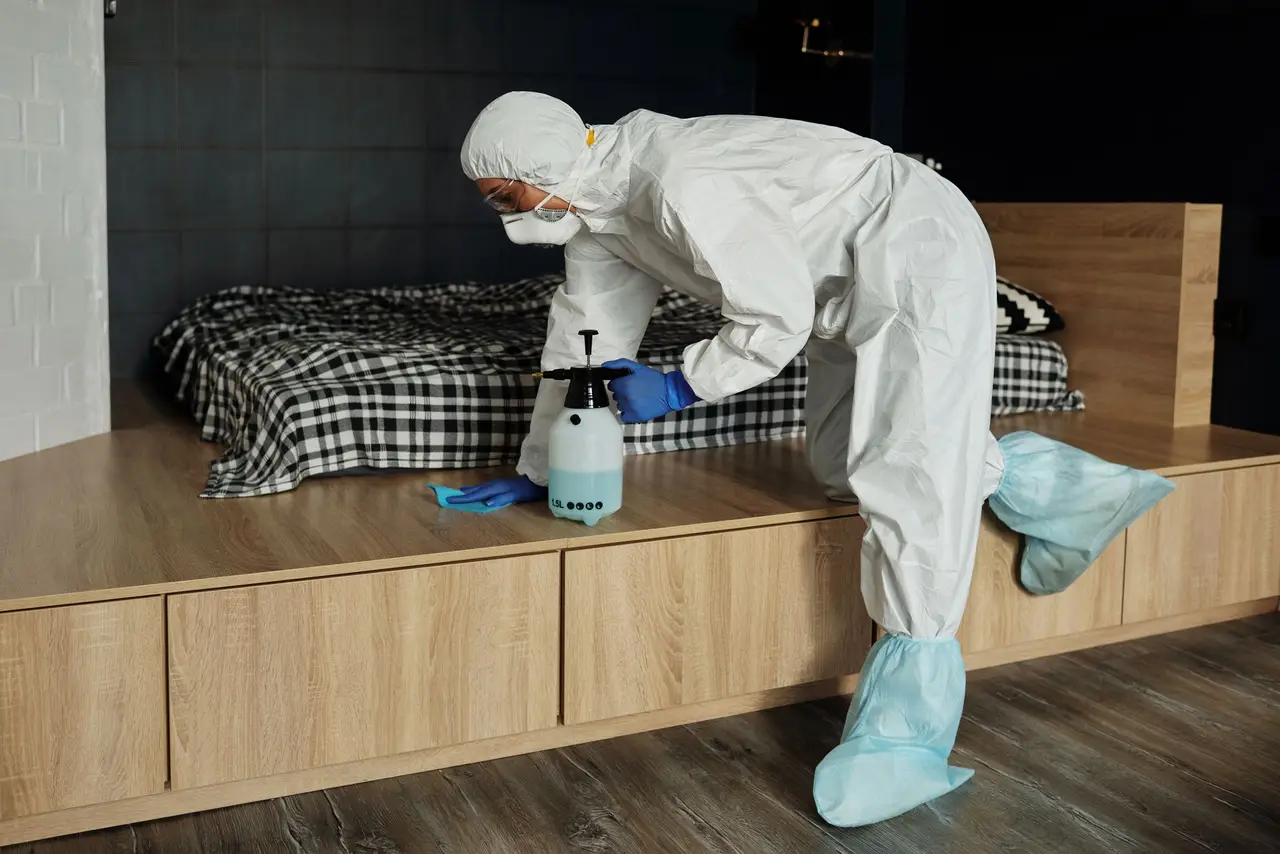
We handle single-family rentals, duplexes, and townhomes with tenants in place. Work is contained to the attic so the unit stays livable.
- Tenant-occupied units
- Duplexes and townhomes
- Attic access coordination
Attic Mold Removal for Rental Properties in Littleton is built for landlords, property managers, and Airbnb hosts who need a unit back in service fast. We contain the work zone, remove mold from sheathing, trusses, and insulation, and hand you photo documentation for your file. Whether it is one duplex near Sterne Park or a 40-unit portfolio across Arapahoe County, we schedule around tenants and keep the job moving.
 Moisture mappingContained removalPhoto report
Every rental job includes the core scope: inspection, containment, removal, treatment, and documentation. Add-ons like insulation replacement, roof repair, or ventilation installation are quoted separately so you can see exactly what you are paying for. Here is what the standard scope covers.
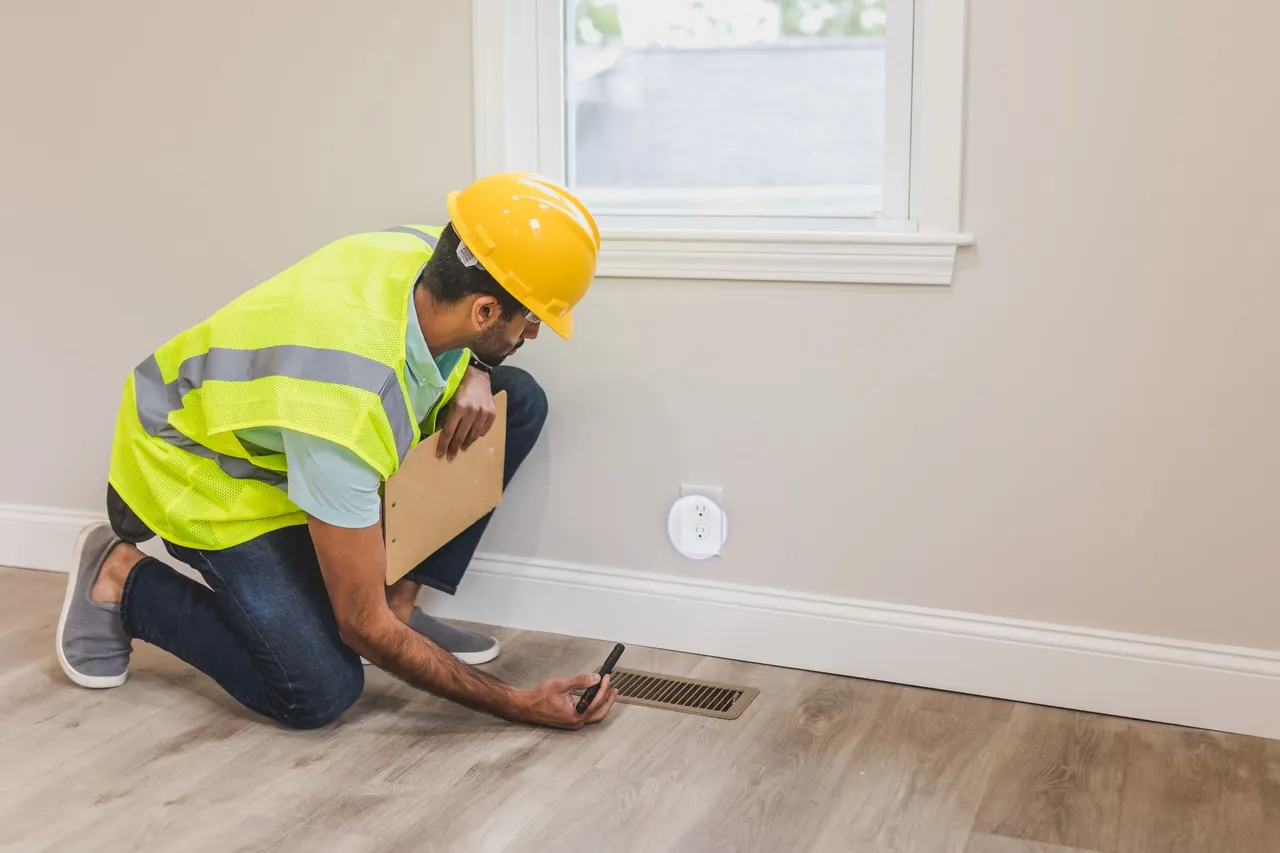
A technician walks the attic with a moisture meter, thermal imaging camera, and boroscope to find the water source and map the affected area. You get photos and a written scope.
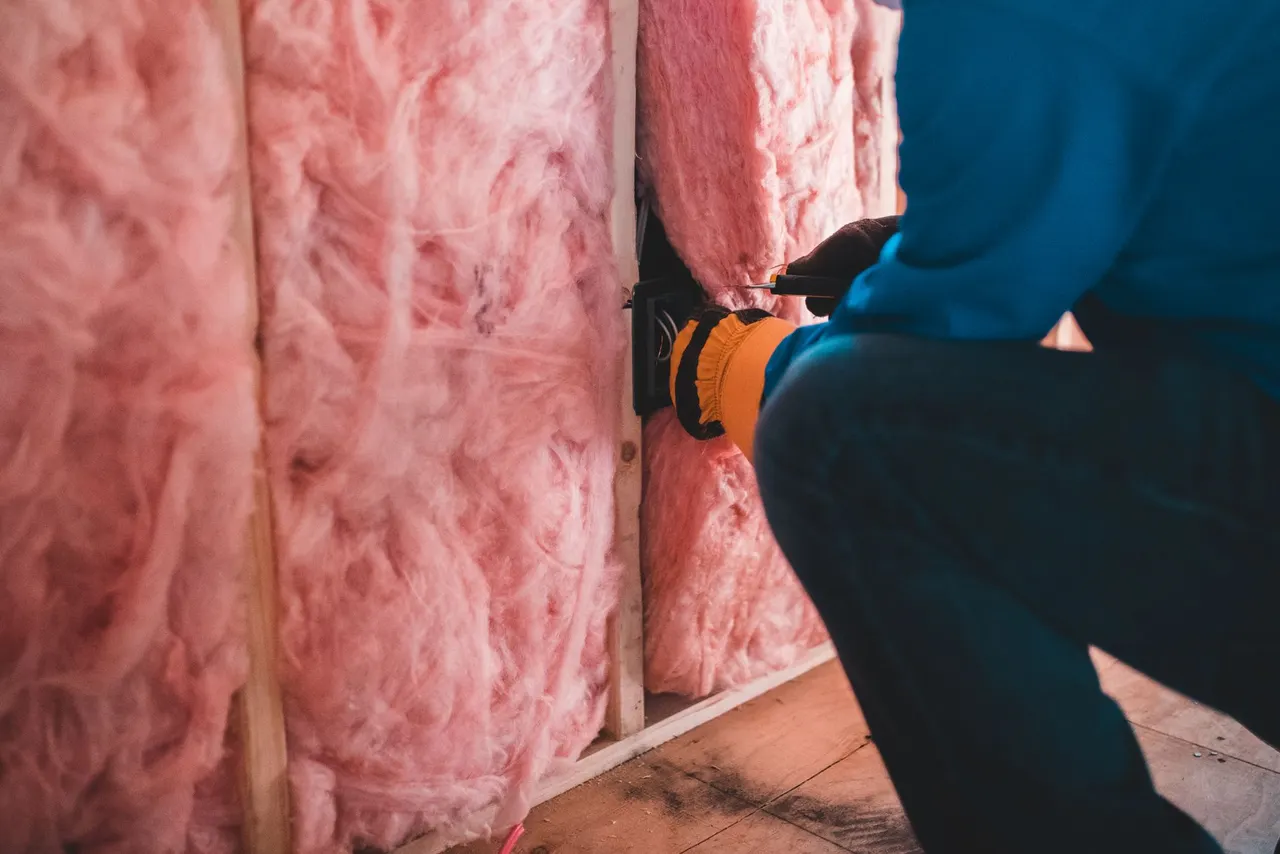
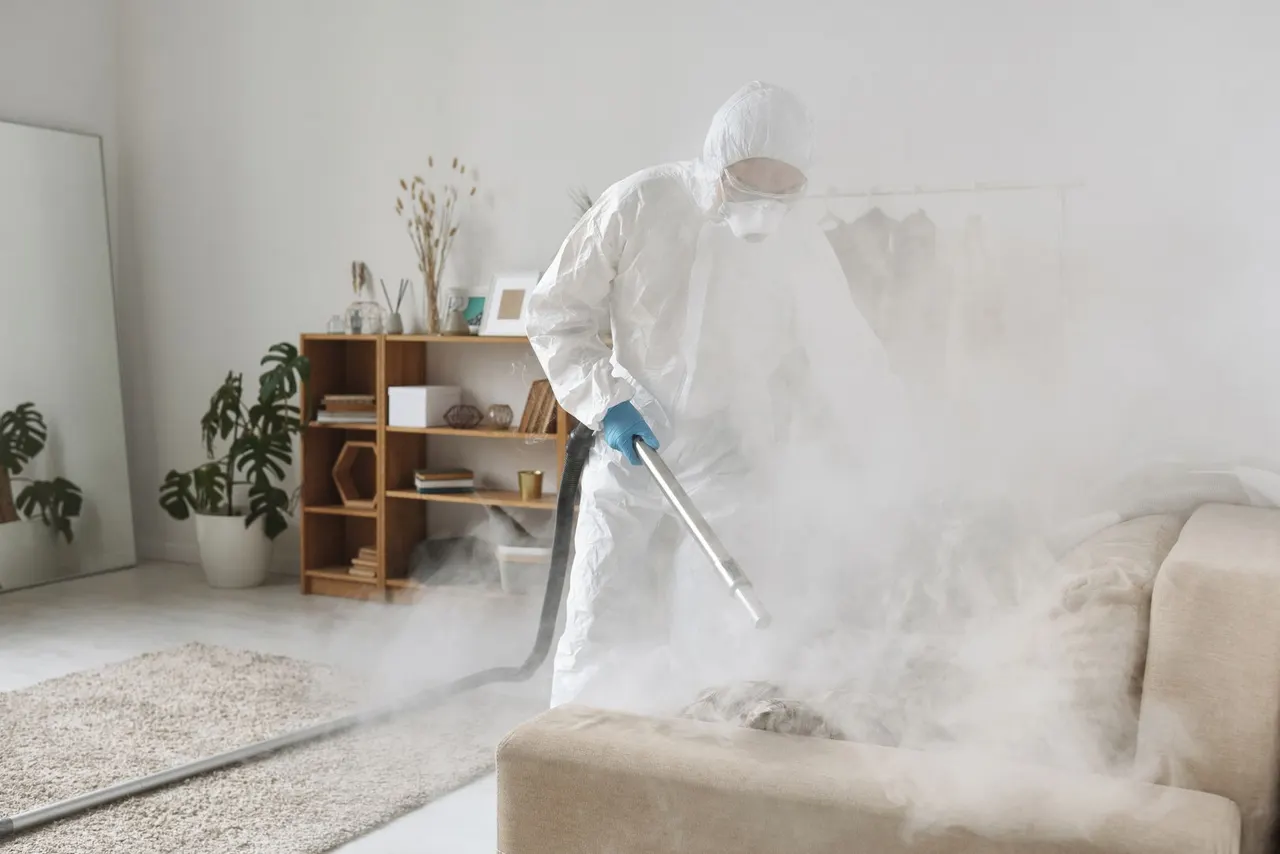
We seal the attic access, lay protective coverings, and run a negative air machine with a HEPA vacuum and air scrubber so spores stay out of the living space while we work.
Affected sheathing, trusses, and ductwork surfaces are HEPA vacuumed and treated. Contaminated fiberglass insulation is removed, bagged, and disposed of properly.
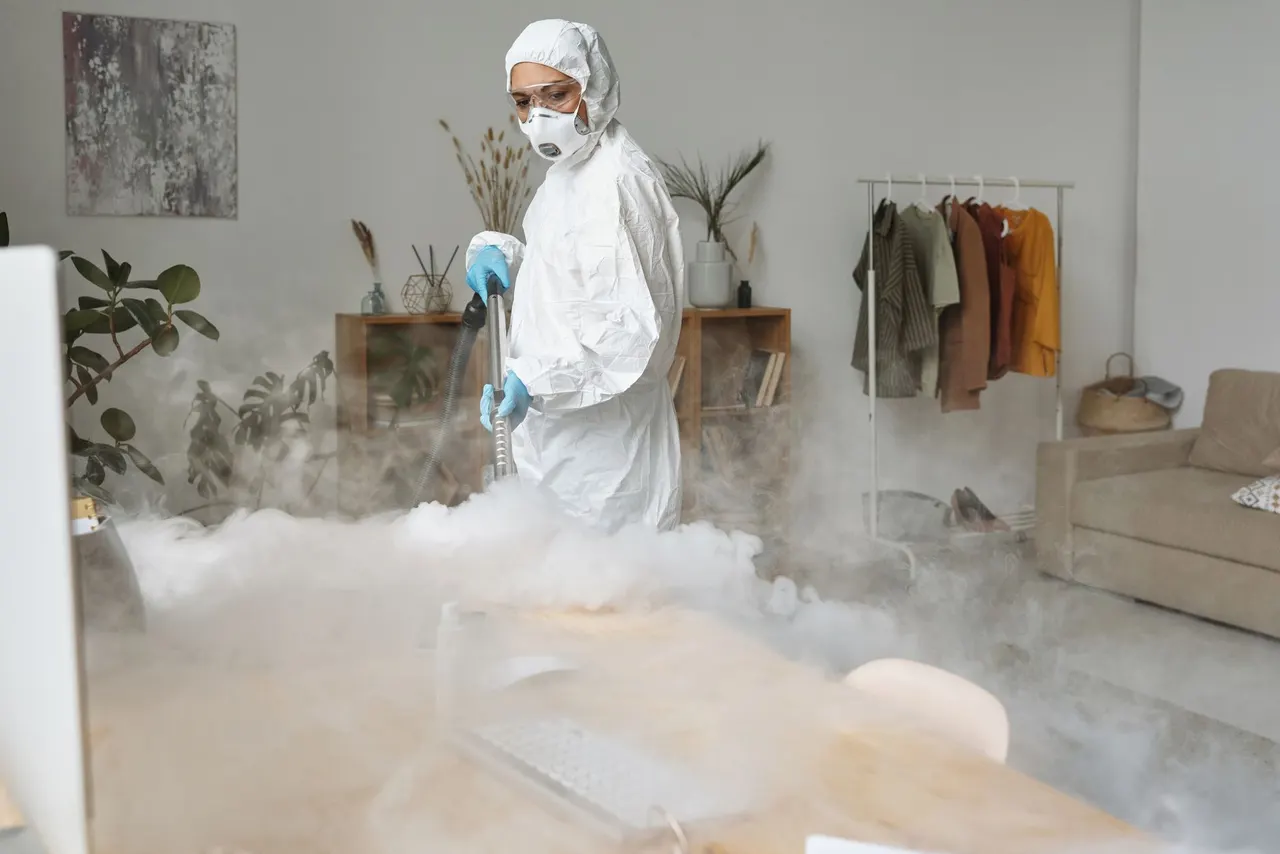
We apply antimicrobial spray to framing and sheathing, using RMR-86 or Fiberlock on heavy growth and a fogger for tight areas around ductwork and ventilation fans.
Final hygrometer readings confirm the attic is dry before we close out. If moisture is still elevated, we identify why and tell you what needs to happen next.
Before-and-after photos, moisture readings, and a plain-language summary delivered the same day. This is the file you hand to your insurer, property manager, or attorney.
The approach is the same for a home and a business. What changes is the access, the schedule and who needs the paperwork.
We handle single-family rentals, duplexes, and townhomes with tenants in place. Work is contained to the attic so the unit stays livable.
We scope apartment buildings and multi-unit complexes, phase the work around occupied units, and document each attic separately for your property file.
A plain-language look at what Attic Mold Removal for Rental Properties involves and when it is needed.
See how it worksAttic Mold Removal for Rental Properties in Littleton is the contained removal of fungal growth from the attic cavity of a tenant-occupied or vacant rental, followed by antimicrobial treatment and documented clearance. We start with a moisture meter and thermal imaging camera to find the water source, because mold on wood sheathing without a fixed leak comes right back. Then we build negative air with a HEPA vacuum and air scrubber, remove affected fiberglass insulation, treat the framing, and verify with a hygrometer before we close up.
Littleton rentals get hit from both directions. Summer monsoon moisture pushes attic humidity past 60 percent, and winter temperature swings on the Front Range cause condensation on cold roof sheathing that feeds black mold through February. We see it most in older homes around Historic Downtown Littleton and in 1990s builds near Columbine where bath fans vent straight into the attic. If you have been searching for attic mold removal for rental properties in Littleton CO near me, that pattern is usually what you are looking at.
Find the moisture source, remove the growth, document the result.
Every rental is different, but the sequence does not change. Here is what you and your tenants experience from the first call to the final walkthrough.
You call (720) 953-3834 and describe what you are seeing. We ask about roof leaks, musty odors, bath fan routing, and whether the unit is occupied. Most Littleton jobs get a same-day or next-day inspection slot, and we text the tenant directly if you want us to coordinate access.
A technician walks the attic with a moisture meter, thermal imaging camera, and boroscope. We map the affected area, check sheathing, trusses, and ductwork, and photograph everything. You get a written scope with the moisture source identified, usually within 24 hours.
On work day we lay drop cloths, seal the attic hatch, and set a negative air machine with a HEPA vacuum and air scrubber. This keeps spores out of the living space. Setup takes 30 to 45 minutes on a typical Littleton ranch or two-story.
We remove moldy fiberglass insulation, HEPA vacuum the framing, and treat wood sheathing and trusses with an antimicrobial spray. Heavy growth gets RMR-86 or Fiberlock. A fogger reaches tight corners around ductwork and ventilation fans. Most attics take four to eight hours.

We take final hygrometer readings, photograph the cleared area, and walk you or your property manager through what changed. You get the photo report and moisture log the same day. If a roof repair or added ventilation is needed, we tell you before we leave.
Move across a circle, or focus it and press Enter, for an illustrative thermal view of the photograph.
Used to find elevated moisture in sheathing, trusses, and insulation, and to verify the attic is dry before we close out the job.
Reveals temperature differences that point to hidden roof leaks, wet insulation, and condensation zones that a visual inspection would miss.

Lets us look inside wall cavities, behind knee walls, and under insulation without cutting open the structure.

Captures spores at the source during removal and keeps airborne counts down inside the containment zone.
Maintains negative pressure in the work zone so spores do not migrate into the living space while we work.
Thermal views are illustrative, generated from the photographs.
Applies antimicrobial treatment into tight corners around ductwork, ventilation fans, and truss intersections that sprayers cannot reach.
Industry-standard air movers and dehumidifiers used when the attic needs drying before treatment or insulation replacement.
We follow IICRC guidance for containment, removal, and clearance. That means defined work zones, HEPA filtration, and documented verification rather than a spray-and-leave approach.
Technicians wear appropriate respiratory protection and follow OSHA work practices for mold and insulation removal. The work zone is sealed and signed so tenants and pets stay clear.
We use Concrobium, Benefect, RMR-86, and Fiberlock depending on the surface and severity. Light growth gets a targeted spray; heavy growth on sheathing gets a full treatment and encapsulation where appropriate.
Remediation without fixing the water source is temporary. We repair or coordinate roof leaks, reroute exhaust fans, and add ventilation so the attic stays dry after we leave.
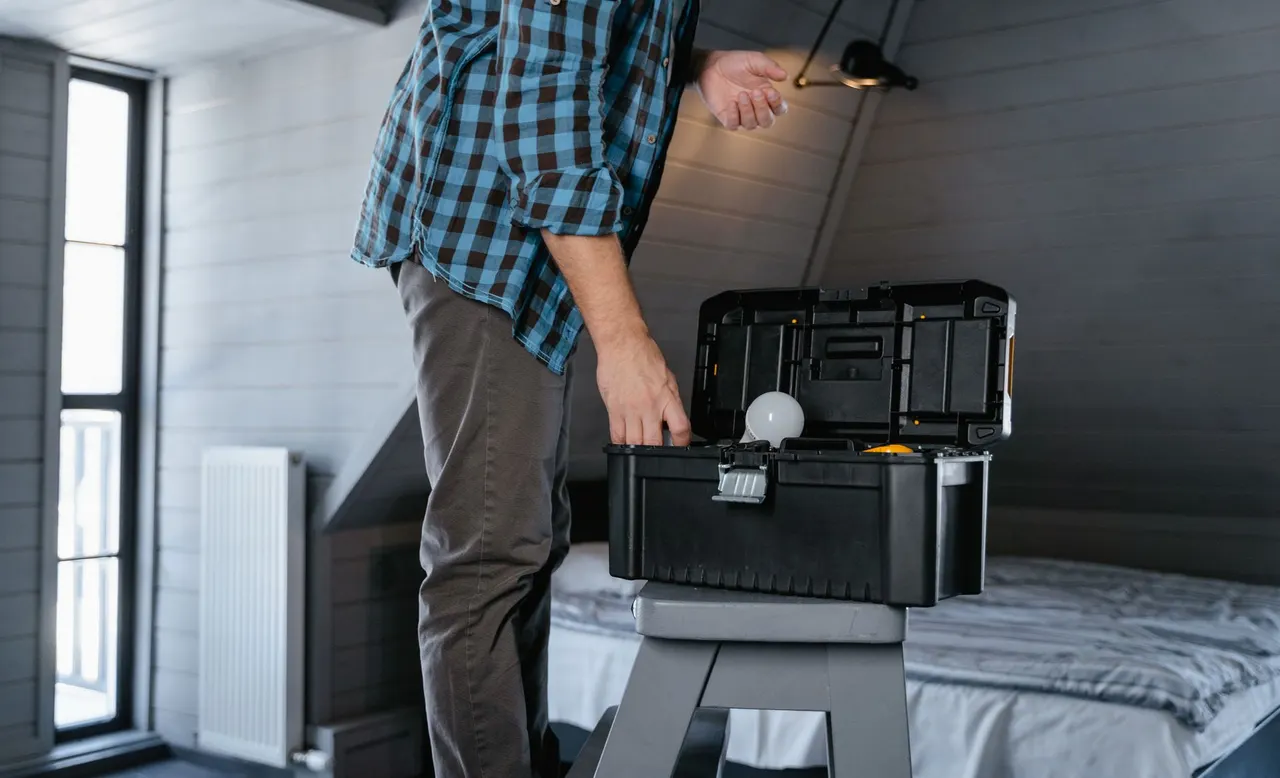
A tenant in a duplex near Sterne Park reports a musty smell in the upstairs bedroom and sends photos of dark staining around the attic access.
We inspect the same day, confirm mold on sheathing and trusses, and set containment. The tenant stays in the unit while we HEPA vacuum, treat the framing, and replace the affected insulation.
Outcome: The unit is back to rent-ready condition in one day, and the landlord has a photo report showing the issue was resolved before it became a habitability complaint.
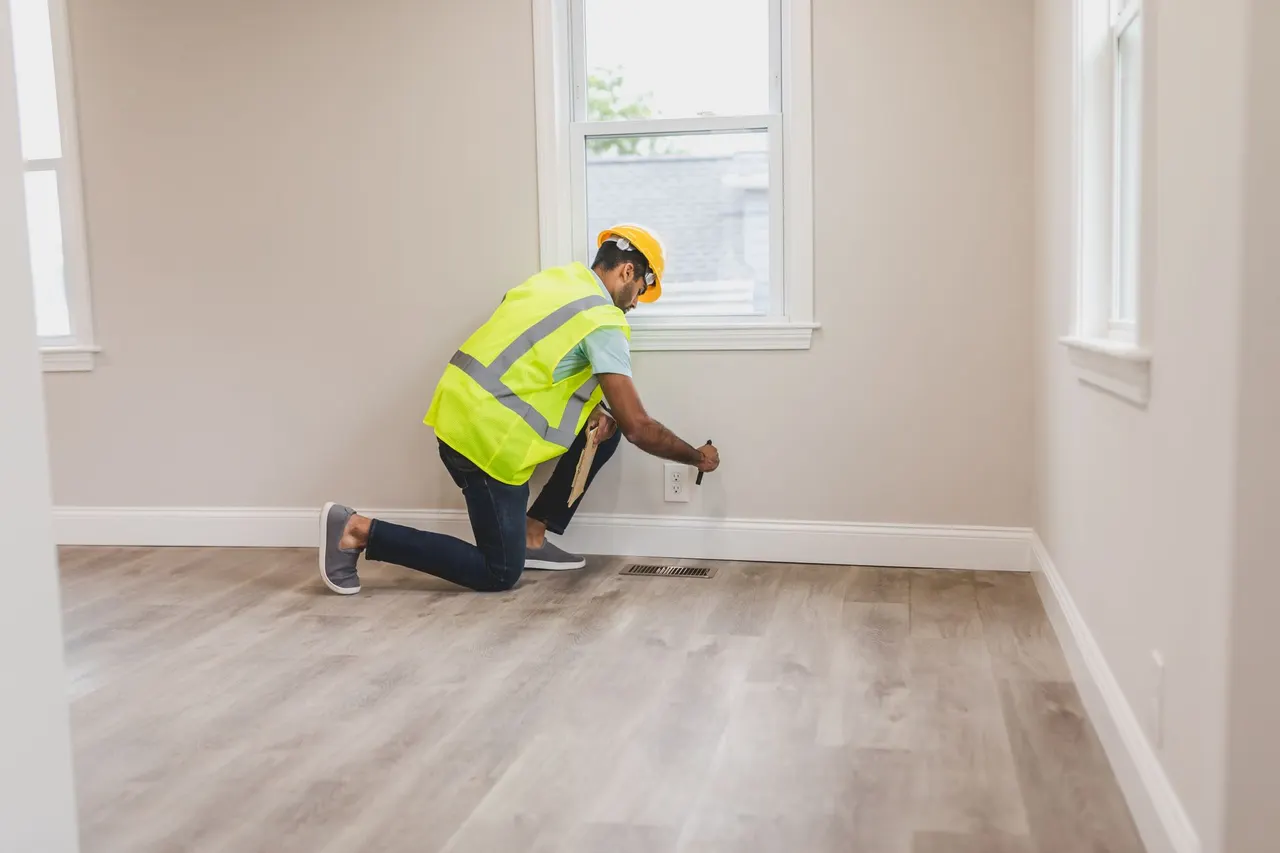
A property manager in Ken Caryl is preparing a 12-unit building for sale and the inspector flags attic mold in six of the units.
We batch the inspections into one trip, scope each unit, and phase the remediation so occupied units are not disrupted. Documentation is compiled per unit for the buyer's file.
Outcome: The sale closes on schedule with a clean remediation record, and the new owner inherits a documented baseline for each attic.
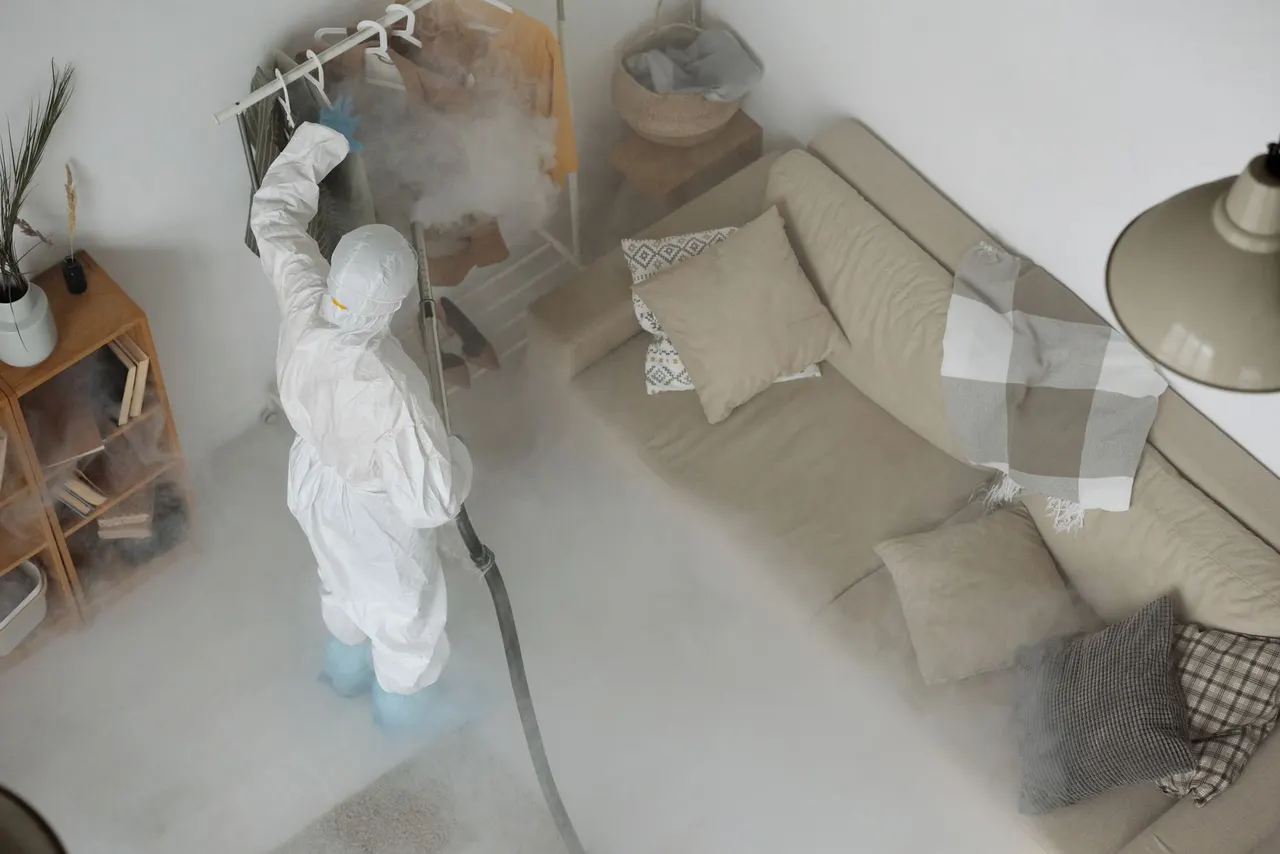
An Airbnb host in Downtown Littleton gets a guest complaint about a smell in an upstairs room two days before a full weekend booking.
We inspect the same day, find mold on attic ductwork, and clean and treat the duct surfaces with containment. The work is scheduled around the cleaning crew's turnover window.
Outcome: The booking goes ahead as planned, the guest complaint is resolved, and the host has documentation in case the platform asks.
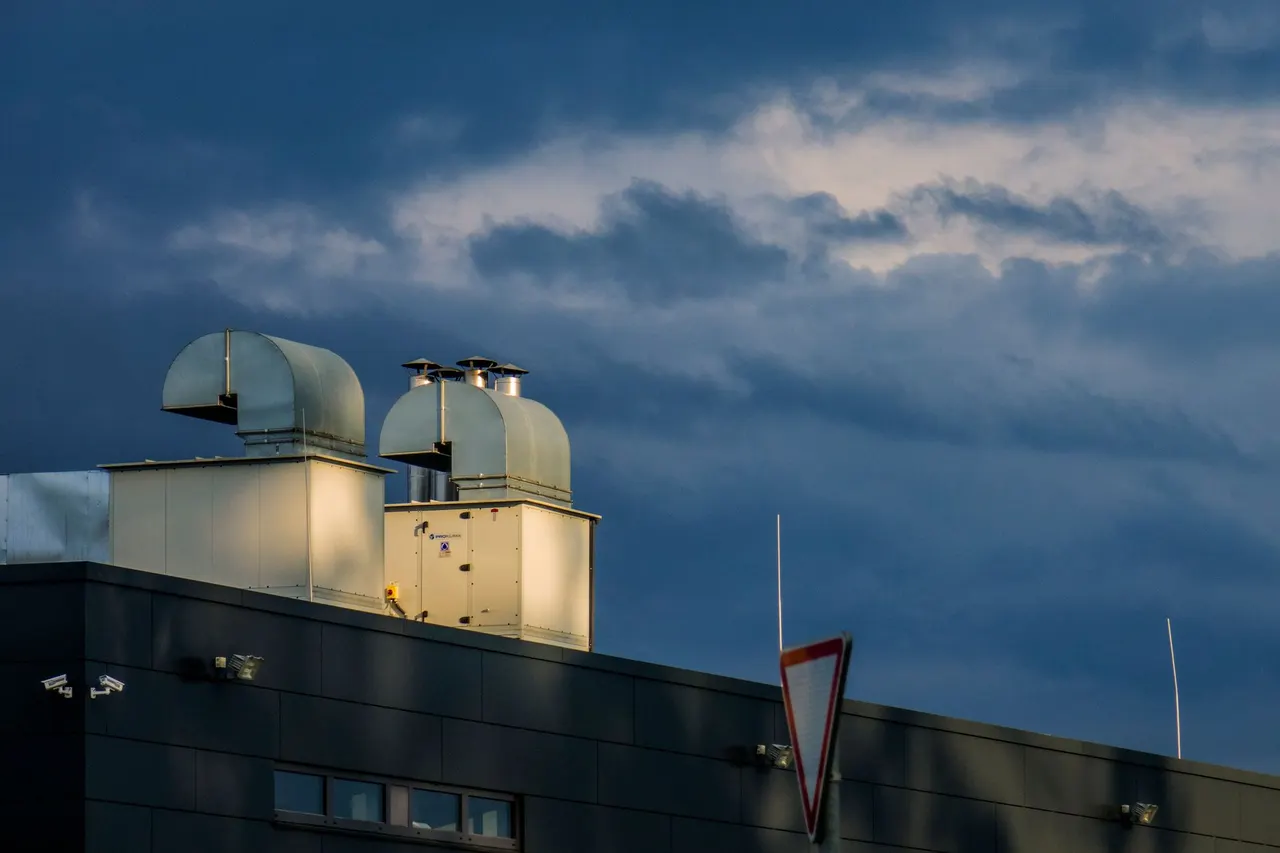
A landlord in Columbine gets a call that a roof leak from last winter has left black mold across the attic sheathing of a rental home.
We trace the leak, coordinate the roof repair, then remediate the attic with HEPA vacuuming, antimicrobial treatment, and full insulation replacement.
Outcome: The attic stays dry through the next monsoon season, and the landlord avoids a repeat remediation cost the following year.
A tenant with asthma in a Sterling Ranch rental reports breathing problems and asks the landlord to test the attic for mold.
We collect air and surface samples, confirm elevated spore counts, and remediate with containment and negative air. Post-remediation air quality testing confirms the attic is clean.
Outcome: The tenant has documented air quality results, the landlord has a defensible record, and the unit stays leased.
Littleton sits at the edge of the Front Range, which means attics here see both summer monsoon humidity and hard winter temperature swings. That combination drives condensation on cold roof sheathing from December through February, and it feeds mold growth in attics that were never properly vented.
Older homes around Historic Downtown Littleton and Ketring Park often have undersized soffit vents and bath fans that terminate in the attic. Newer builds in Sterling Ranch and Littleton Village tend to have tighter envelopes, which traps moisture and makes ventilation balance more important. We work in Arapahoe County regularly, so we know which neighborhoods have the recurring patterns.
Whether you are a landlord attic mold removal Littleton CO client with one duplex or a property manager with a portfolio, the approach is the same: find the moisture, contain the work, remove the growth, and document the result.
Before: A tenant reported a musty smell in an upstairs bedroom. The attic had about 180 square feet of mold on sheathing and trusses, and the bath fan was venting directly into the attic. Insulation was damp and compressed.
After: We rerouted the bath fan through the roof, HEPA vacuumed and treated the framing with antimicrobial spray, and replaced 180 square feet of insulation. Final hygrometer readings were within normal range and the tenant stayed in the unit.
We recommended annual attic moisture checks each fall. The landlord added a standing inspection to the property's maintenance calendar, and the attic has stayed dry since.
Before: A roof leak from the previous winter left black mold across roughly 300 square feet of sheathing and two truss bays. The landlord had already paid a handyman to spray bleach, which did nothing. Insulation was saturated.
After: We repaired the flashing, removed and disposed of the wet insulation, treated the sheathing and trusses with RMR-86 and Fiberlock, and installed new insulation. The attic passed a post-remediation moisture check.
The landlord now has the roof inspected every spring after hail season. Two monsoon seasons later, no new growth has appeared on the treated framing.
Before: A guest complained about a smell in an upstairs bedroom. Inspection found mold on attic ductwork and light growth on nearby sheathing. The host had a full weekend booking in two days.
After: We contained the attic, cleaned and treated the duct surfaces, HEPA vacuumed the surrounding area, and treated the sheathing. The job was completed in one day and the weekend booking went ahead.
The host added a quarterly attic visual check to the turnover checklist and keeps the HVAC filter changed on schedule to reduce moisture and dust in the ductwork.
Most rental attic mold calls fall into a handful of patterns. Here is what we see and how we handle each one.
A dry, documented attic and a tenant who stays in place.
A tenant who photographs black mold on attic sheathing has leverage. We remove the growth, treat the framing with antimicrobial spray, and give you a written record showing the unit was handled correctly. That file is what ends the dispute before it reaches a lawyer or the county.
Most single-family attic jobs in Littleton are contained to the attic access, so tenants stay home. We run negative air with a Dri-Eaz air scrubber, seal the hatch with poly, and work through the day. You avoid a hotel bill and a lost month of rent.
Spraying bleach on truss mold is a waste of money. We trace the moisture with a thermal imaging camera, repair the roof leak or add ventilation, and only then treat the wood. That is why our rental attic mold remediation Littleton CO work holds up through the next monsoon season.
Carriers want photos, moisture readings, and a scope of work. We photograph affected sheathing and trusses before and after, log hygrometer readings, and hand you a packet you can forward to your adjuster. Claims move faster when the paperwork is already done.
What a written scope covers and what shapes it. Prices are set by the business after the first look.
Included
Depends on
Clear records you can keep and share.
Before and after images of affected areas
Hygrometer readings from inspection and closeout
Plain-language record of work performed
What caused the moisture and what was done
Not every dark stain on attic wood is active mold, and not every mold finding needs the same response.
Light growth on sheathing or trusses
Mold that has penetrated the wood
Wet insulation and degraded sheathing
A list like this tells people straight away whether you cover their street. Not listed? Call and ask: it only takes a minute.
Based in Littleton and covering the places around it. Pick one for local details.
Full attic remediation with new insulation and added ventilation runs higher. We give you the number after the inspection, before any work starts.
In Colorado, the landlord generally pays when the mold comes from a building defect like a roof leak, failed ventilation, or plumbing. Tenants typically pay only if they caused it, such as running an unvented dryer or blocking ventilation. We document the moisture source so the responsibility is clear, and that report is what your insurer or attorney will want to see.
A typical single-family attic takes one day, usually four to eight hours of on-site work. Larger attics, heavy insulation removal, or jobs needing roof repair can run two days. We schedule around tenant availability and can split the work across mornings if that is easier for your renters.
Yes, in most cases. We seal the attic access with poly, run a negative air machine, and keep the work zone contained so spores do not enter the living space. Tenants stay in the unit while we work. If the attic has no separate access or the contamination is severe, we will tell you upfront whether a short relocation makes more sense.
Other services from the same team.
Call (720) 953-3834 and we will schedule an inspection, identify the moisture source, and give you a written scope before any work starts. Most rental jobs in the Littleton area get a same-day or next-day slot.
Call (720) 953-3834 or email us and we will schedule an attic inspection, usually within a day or two. We work Monday through Friday, 8am to 6pm, and we answer the phone ourselves. If you have a leak or storm damage, tell us and we will prioritize the call.