For Homes
We inspect your attic, find the mold and moisture source, and explain what we found. You get a clear plan before any work starts.
- Musty smell upstairs
- Family with allergies
- Recent roof leak
Attic Mold Removal for Health Concerns in Littleton is what you call when musty odors, headaches, or breathing problems trace back to mold above your ceiling. Our health-related attic mold remediation in Littleton CO removes contaminated insulation, treats wood sheathing and trusses, and clears the air your family breathes. If Littleton's freeze-thaw cycles and roof leaks have fed mold in your attic, we stop it at the source.
 Moisture mappingThermal scanAir testing
Every health-focused attic mold job includes inspection, containment, removal, treatment, and clearance testing. We quote a flat price after the inspection so you know the full cost before we start. Add-ons like ductwork cleaning or insulation replacement are priced separately if needed.

Moisture meter, thermal imaging, and boroscope inspection to map mold growth and find the water source. You get photos and a written summary before any work begins.
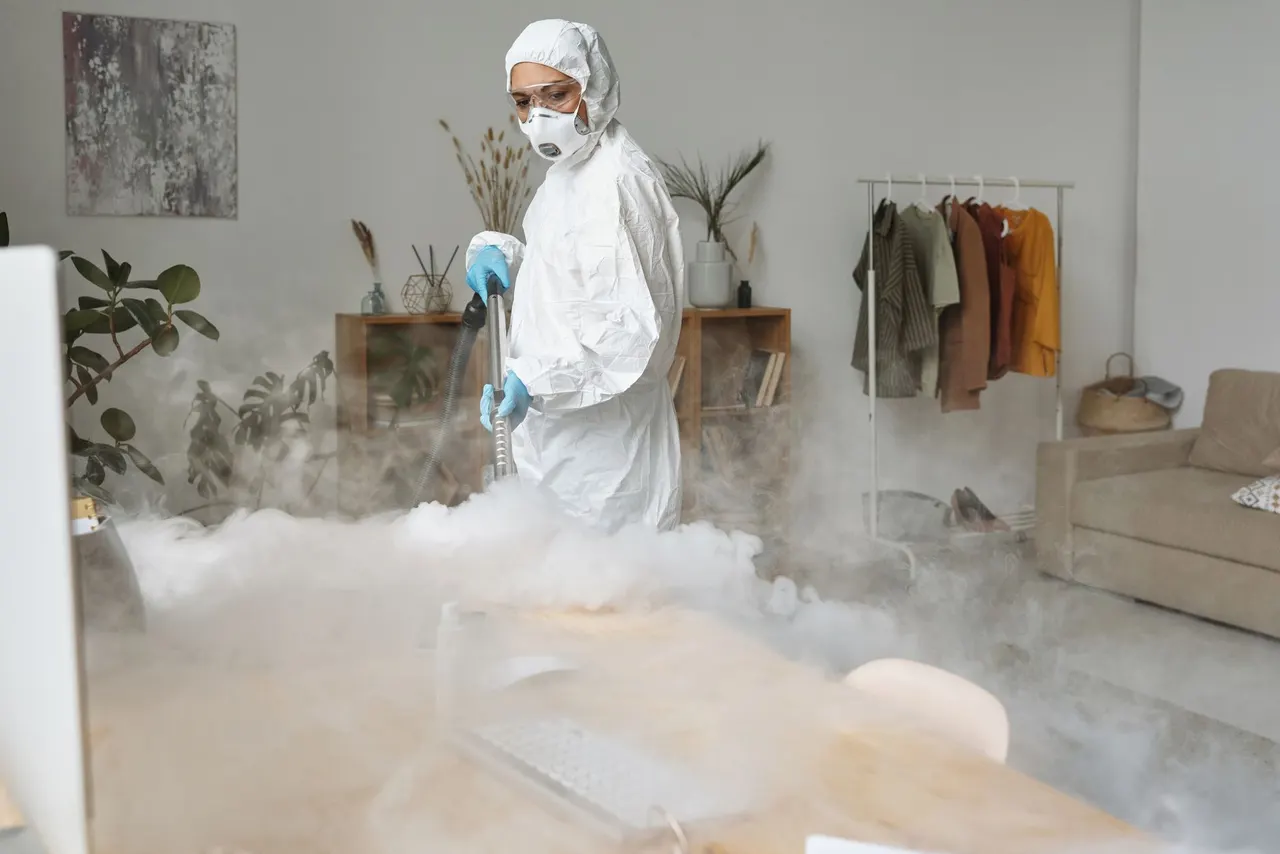
Plastic sheeting seals the attic from living space, and negative air machines with HEPA filters keep spores from drifting into bedrooms during removal.
Contaminated insulation, sheathing, and debris get bagged and hauled away. Wood surfaces get HEPA vacuumed and treated with antimicrobial spray.
We fog the attic with EPA-registered antimicrobial and apply mold-resistant coating to wood surfaces. This slows regrowth while you schedule ventilation or leak repairs.
Before-and-after air samples show spore counts dropped to safe levels. You get a clearance report with numbers you can share with your doctor, insurer, or buyer.
We walk you through ventilation upgrades, leak repairs, and humidity control so the mold does not come back next winter. No pressure, just a clear plan.
The approach is the same for a home and a business. What changes is the access, the schedule and who needs the paperwork.
We inspect your attic, find the mold and moisture source, and explain what we found. You get a clear plan before any work starts.
We work around tenant schedules and document everything for property records. You get clearance reports for insurance and compliance.
A plain-language look at what Attic Mold Removal for Health Concerns involves and when it is needed.
See how it worksAttic Mold Removal for Health Concerns in Littleton is a full remediation process that removes mold growth from attic surfaces, insulation, and ductwork so spores stop circulating through your living space. We start with a moisture meter and thermal imaging camera to find the water source feeding the colony, then set up a negative air machine and HEPA vacuum to contain spores before we touch anything. Contaminated fiberglass insulation gets bagged and removed, wood sheathing and trusses get treated with antimicrobial spray, and we finish with an air scrubber to pull remaining particles out of the air.
Littleton homes built before 1990 often have undersized attic ventilation, which traps humid air against roof sheathing all winter. Add a roof leak from a spring hailstorm, and you have ideal conditions for black mold to spread across trusses and ductwork within weeks. Homeowners in Ken Caryl and Columbine call us most often after a family member develops a persistent cough or sinus infection that clears up away from home. If you have been searching for attic mold removal for health concerns near me Littleton, we handle the inspection, removal, and air quality testing in one visit.
Mold in the attic affects the air your family breathes every day.
Every job follows the same five steps, whether it is a small patch of sheathing mold or a full attic decontamination. Here is exactly what happens from the first call to the final air test.
We walk your attic with a moisture meter, thermal imaging camera, and boroscope to map every mold colony and find the water source. Air quality testing gives us a baseline spore count. This takes 45 to 90 minutes, and you get a written report with photos before we quote anything.
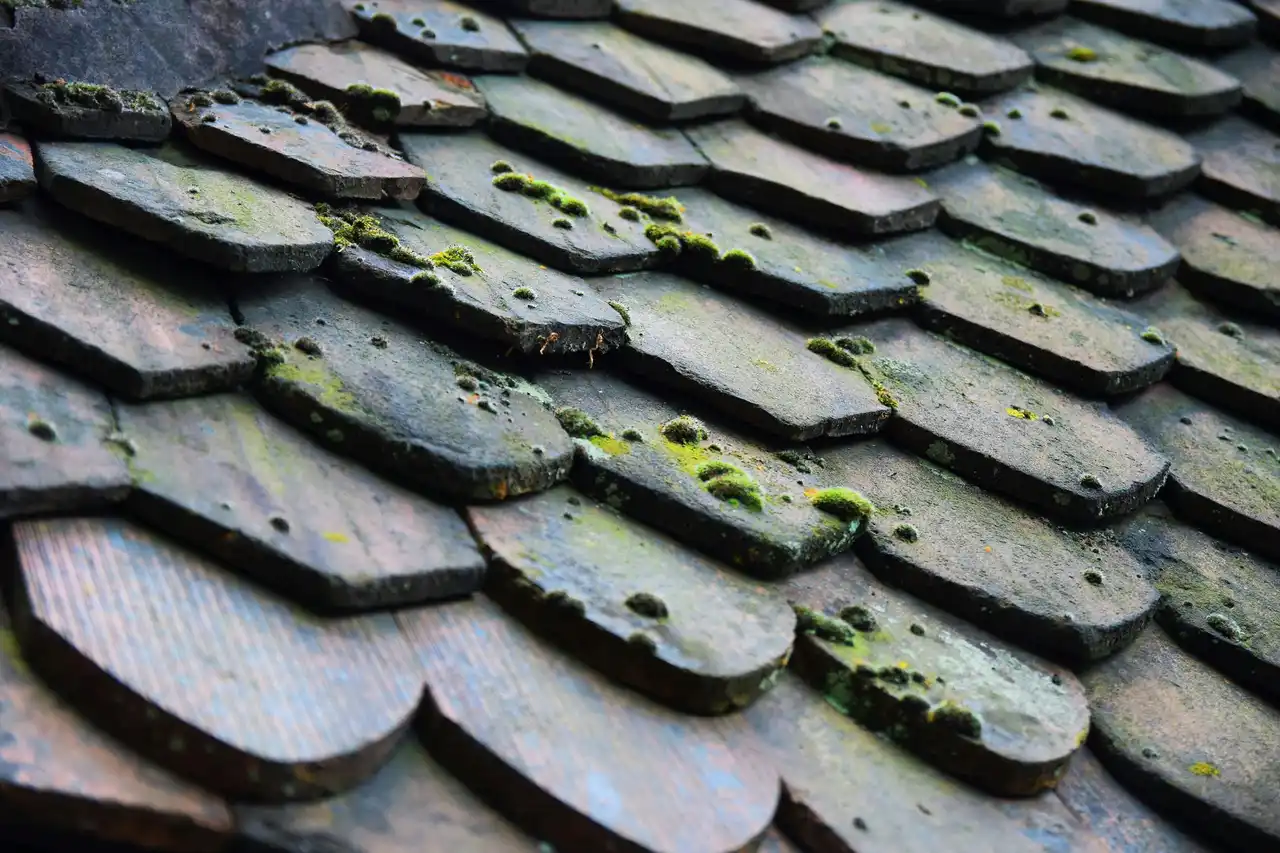
We seal off the attic from your living space with plastic sheeting and run a negative air machine to keep spores from drifting into bedrooms. HEPA vacuums and air scrubbers run throughout the job. Setup takes about an hour on a typical Littleton ranch or two-story home.
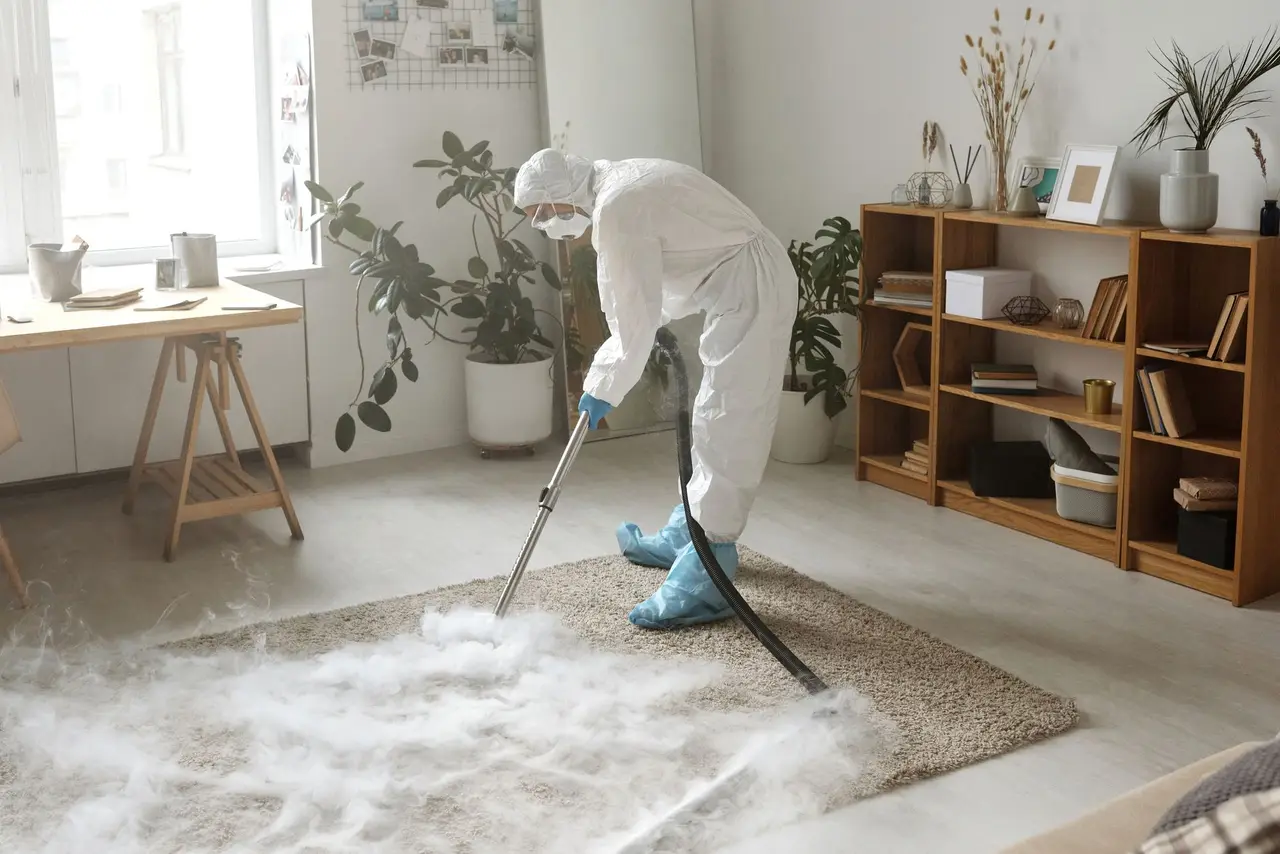
Contaminated fiberglass or cellulose insulation gets bagged and hauled out. We HEPA vacuum every surface, then treat wood sheathing, trusses, and ductwork with antimicrobial spray. Severely rotted sheathing gets removed and replaced. Most attics take four to eight hours to clear.
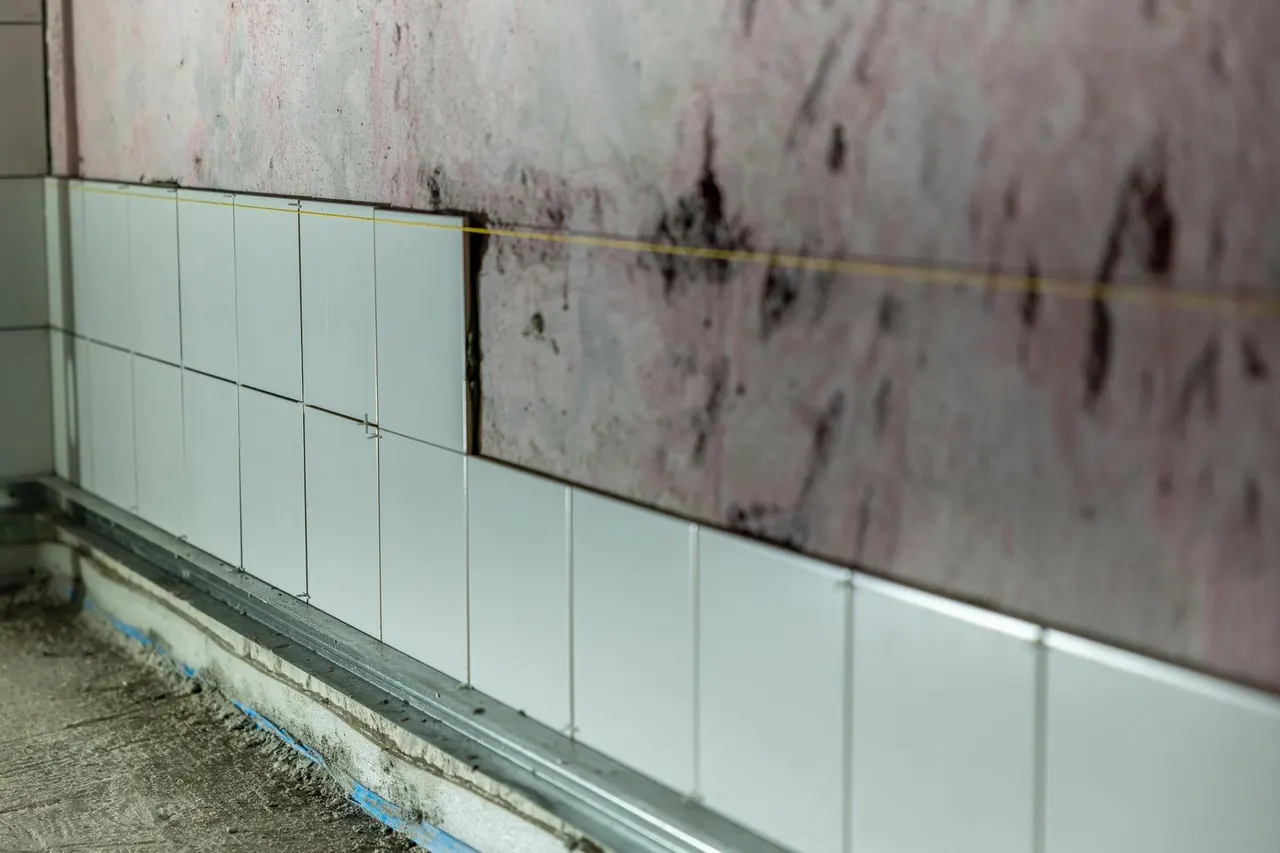
We fog the entire attic with an EPA-registered antimicrobial, then apply a mold-resistant coating to wood surfaces to slow future growth. Ductwork gets cleaned and sanitized if spores reached your HVAC system. This step adds two to three hours and leaves a clean, neutral smell.
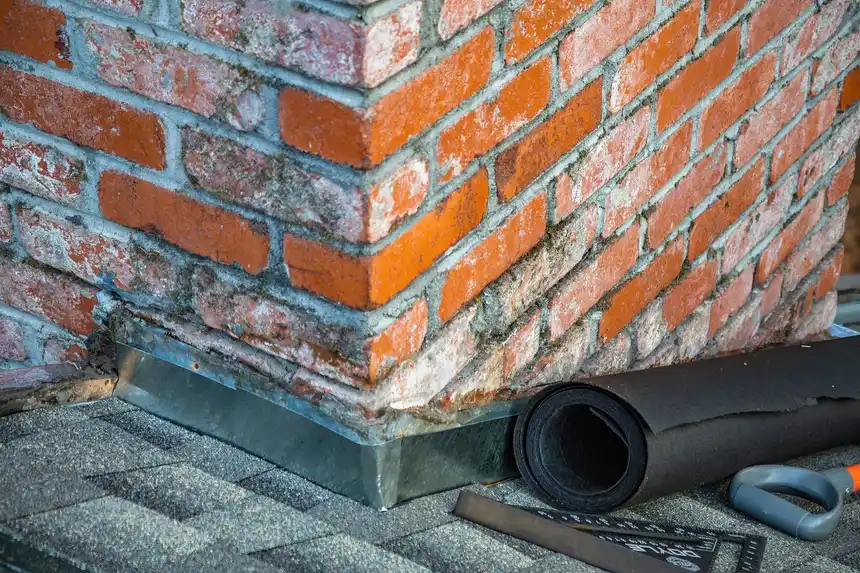
We run a final air quality test and compare it to the baseline. You get a clearance report with photos and spore counts. We also walk you through ventilation upgrades, leak repairs, and humidity control so the problem does not come back next winter.

Move across a circle, or focus it and press Enter, for an illustrative thermal view of the photograph.
Measures water content in wood and insulation to find the moisture source feeding mold growth.

Reveals temperature differences that indicate hidden moisture behind sheathing, insulation, and ductwork.
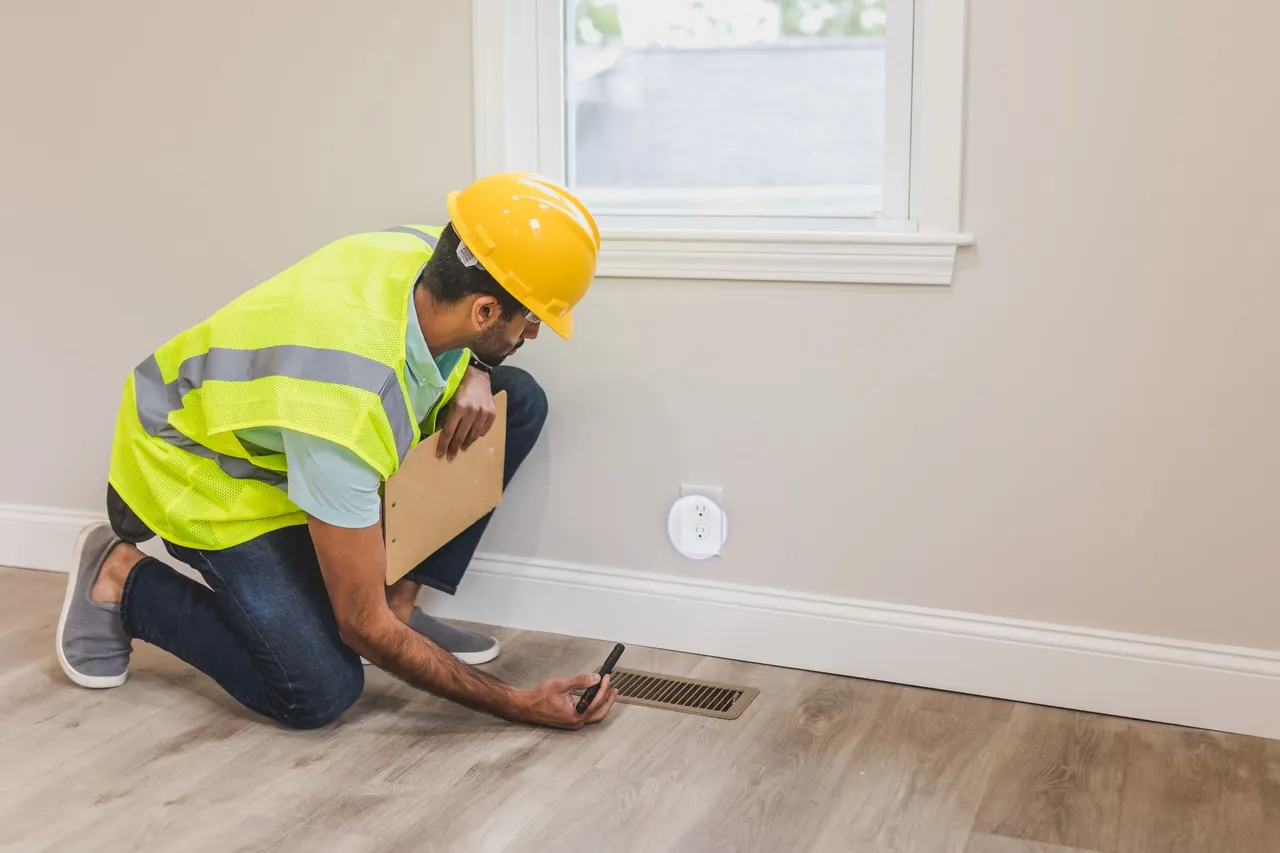
Creates negative pressure in the attic so spores cannot escape into your living space during removal.

Captures mold spores and fine particles from surfaces without releasing them back into the air.

Filters airborne spores continuously during remediation, improving air quality in the work area.
Thermal views are illustrative, generated from the photographs.
Inspects inside wall cavities and tight attic spaces where mold can hide without visible signs.
Applies antimicrobial treatment evenly across large attic surfaces after physical removal is complete.
We follow IICRC guidelines for containment, removal, and verification. This ensures the job is done to industry standards and documented properly for insurance or real estate purposes.
Plastic sheeting and negative air machines isolate the attic from living space. Spores stay in the work zone until they are captured by HEPA filtration or removed with contaminated materials.
After physical removal, we fog surfaces with EPA-registered antimicrobial products. These kill remaining spores and leave a residue that slows regrowth on wood surfaces.
We test spore counts before and after remediation. The clearance report gives you documented proof the attic is clean and safe for your family.
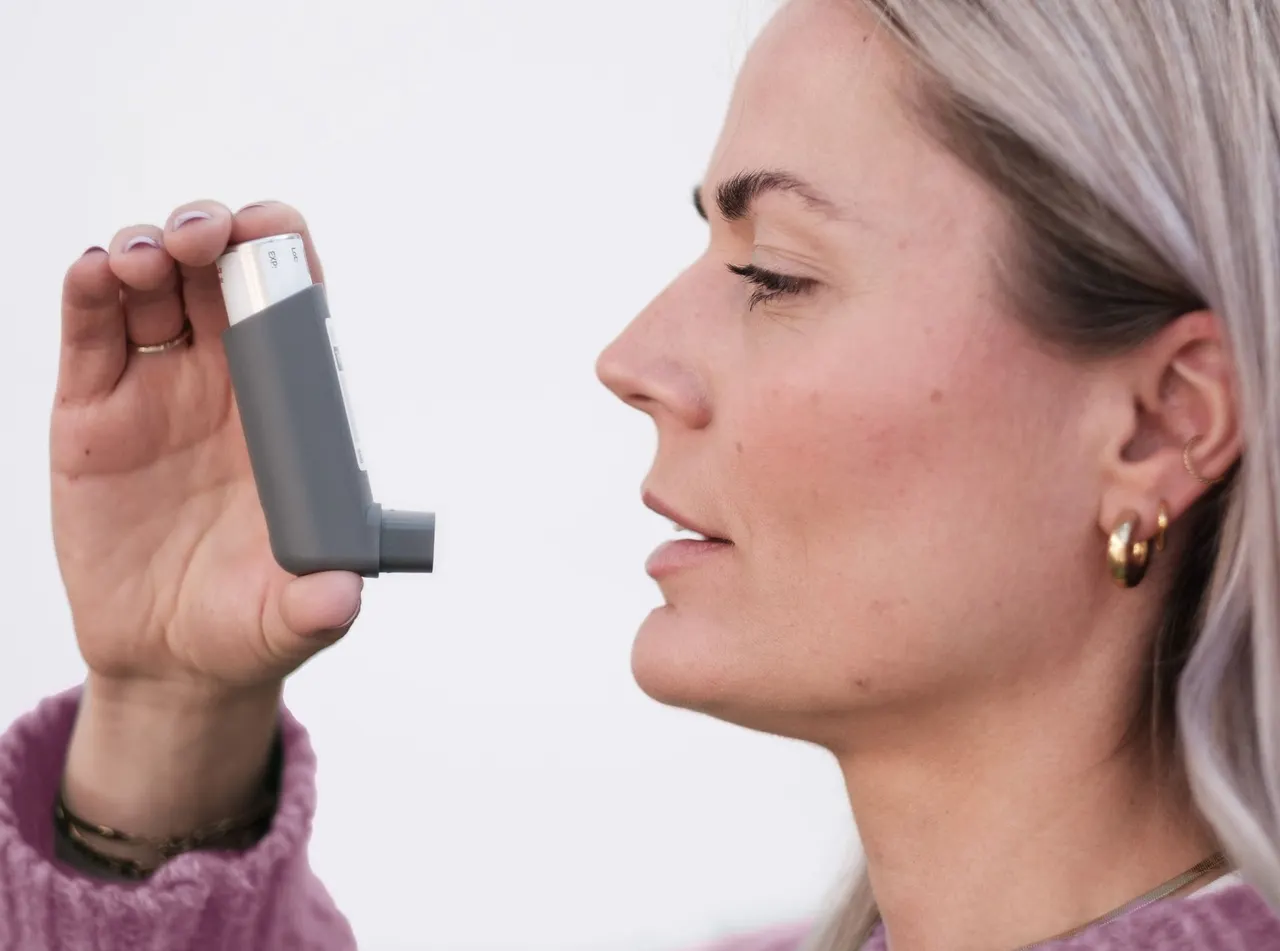
A family member has asthma that gets worse at home but improves when they are away.
We inspect the attic and ductwork for mold, test air quality, and remediate if mold is found. Ductwork cleaning is included when spores have reached the HVAC system.
Outcome: Cleaner air throughout the house, fewer asthma triggers, and documentation showing spore counts dropped to safe levels.
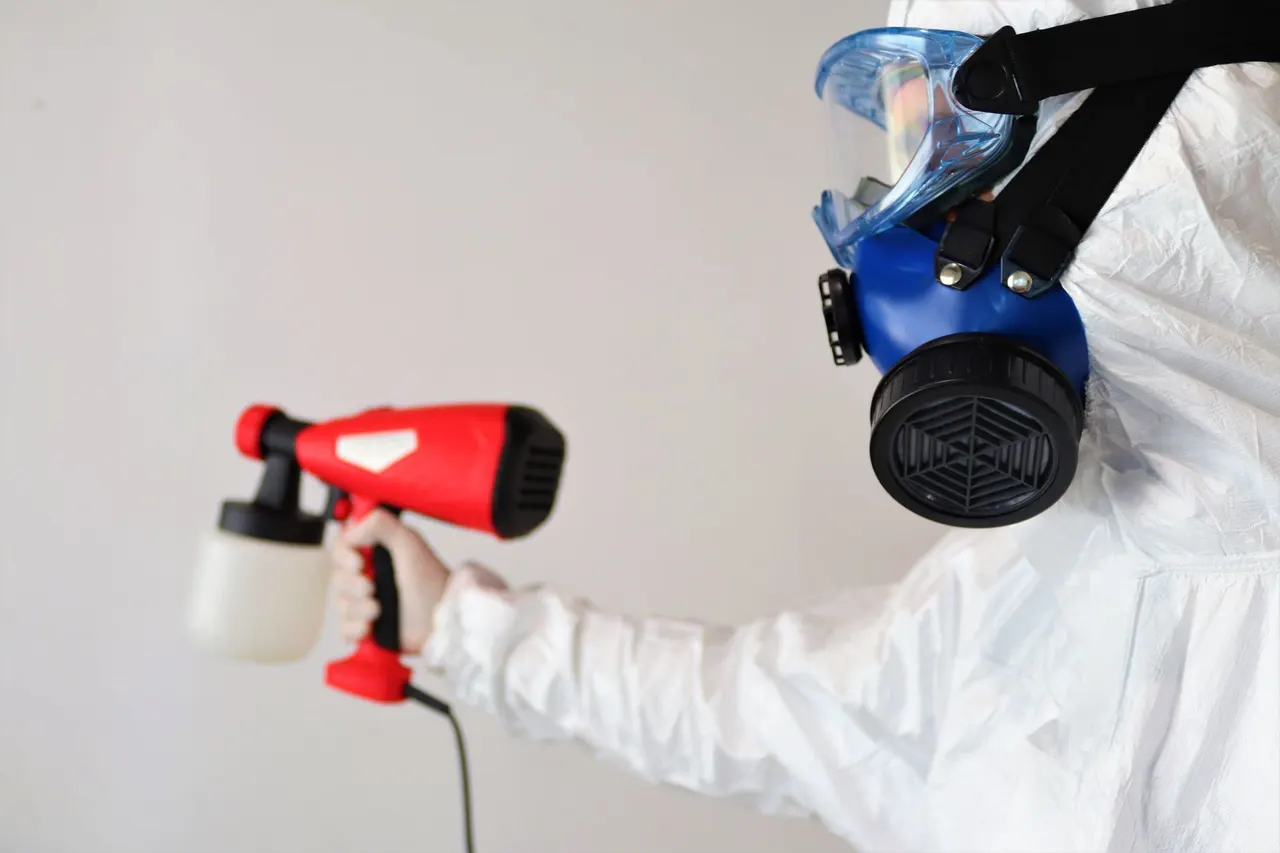
You smell musty odors in upstairs bedrooms every winter but cannot find the source.
We use thermal imaging and moisture meters to find hidden mold behind insulation and on sheathing. Once located, we contain, remove, and treat the affected areas.
Outcome: The odor clears, and you know exactly what caused it so you can prevent it from returning next season.
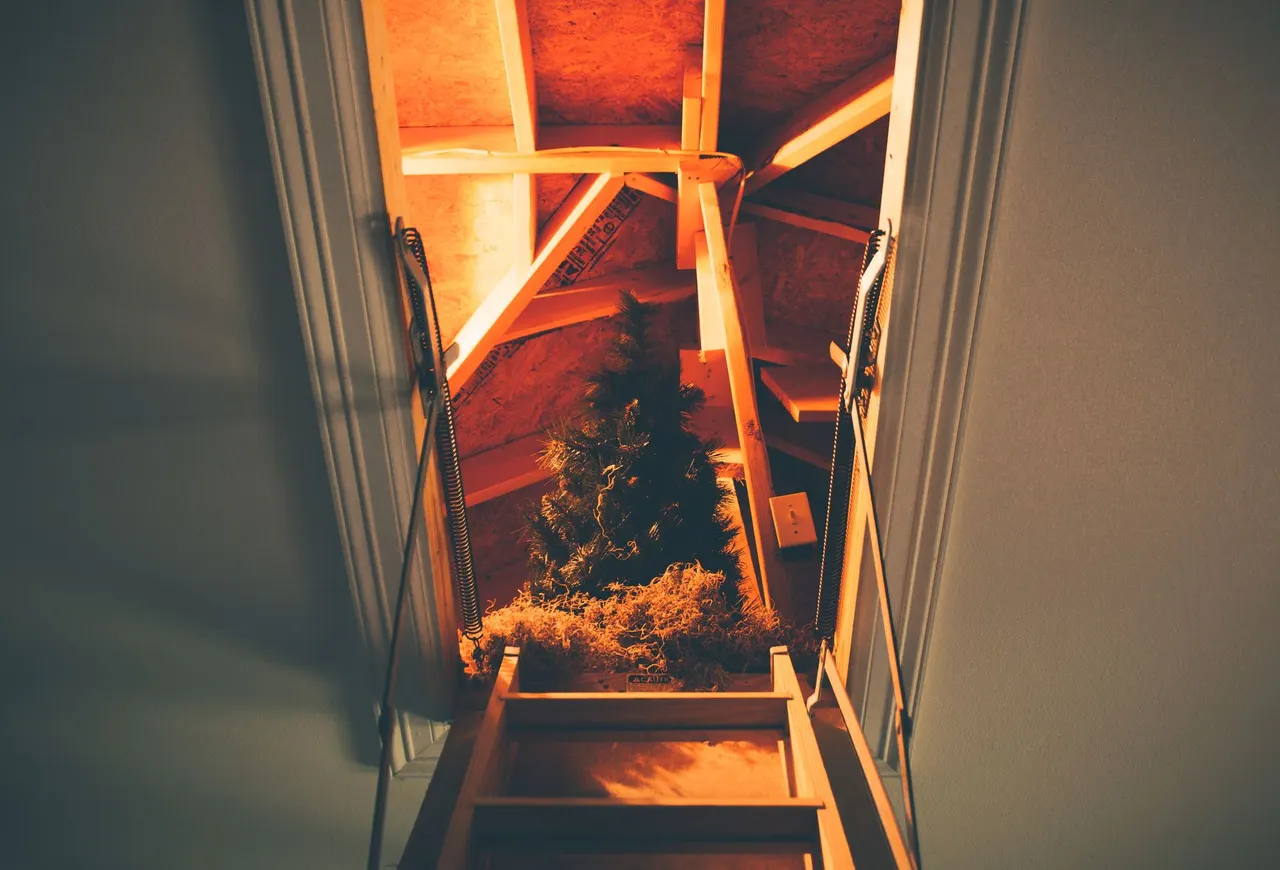
A home inspector flagged attic mold before your scheduled closing.
We inspect, remediate, and provide a clearance report with before-and-after air quality tests.
Outcome: Your real estate transaction moves forward with documented proof the mold problem was resolved.
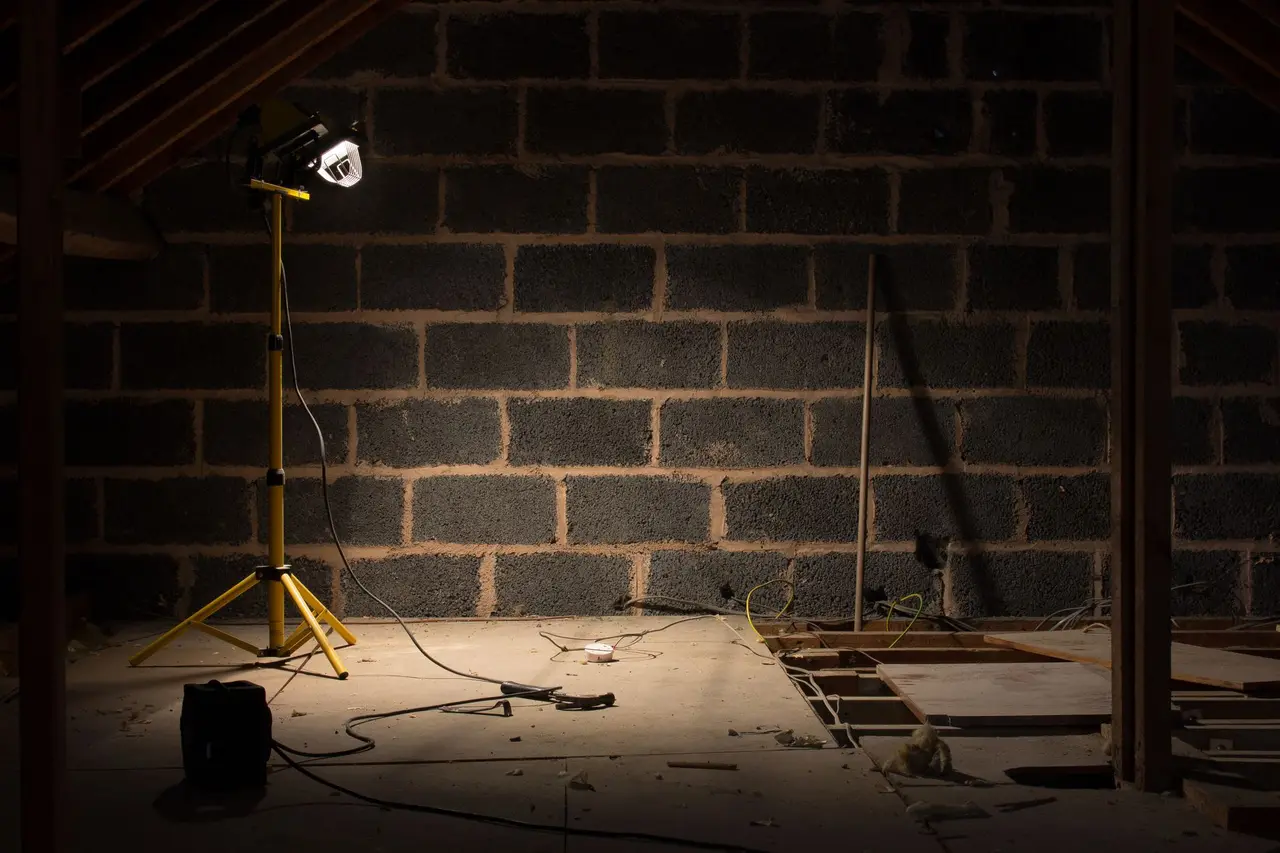
You had a roof leak last spring and now see dark stains on attic sheathing.
We trace the leak, remove mold from sheathing and trusses, replace damaged wood if needed, and coordinate the roof repair so the leak stops feeding new growth.
Outcome: A dry, mold-free attic and a fixed roof leak that will not cause the same problem next year.
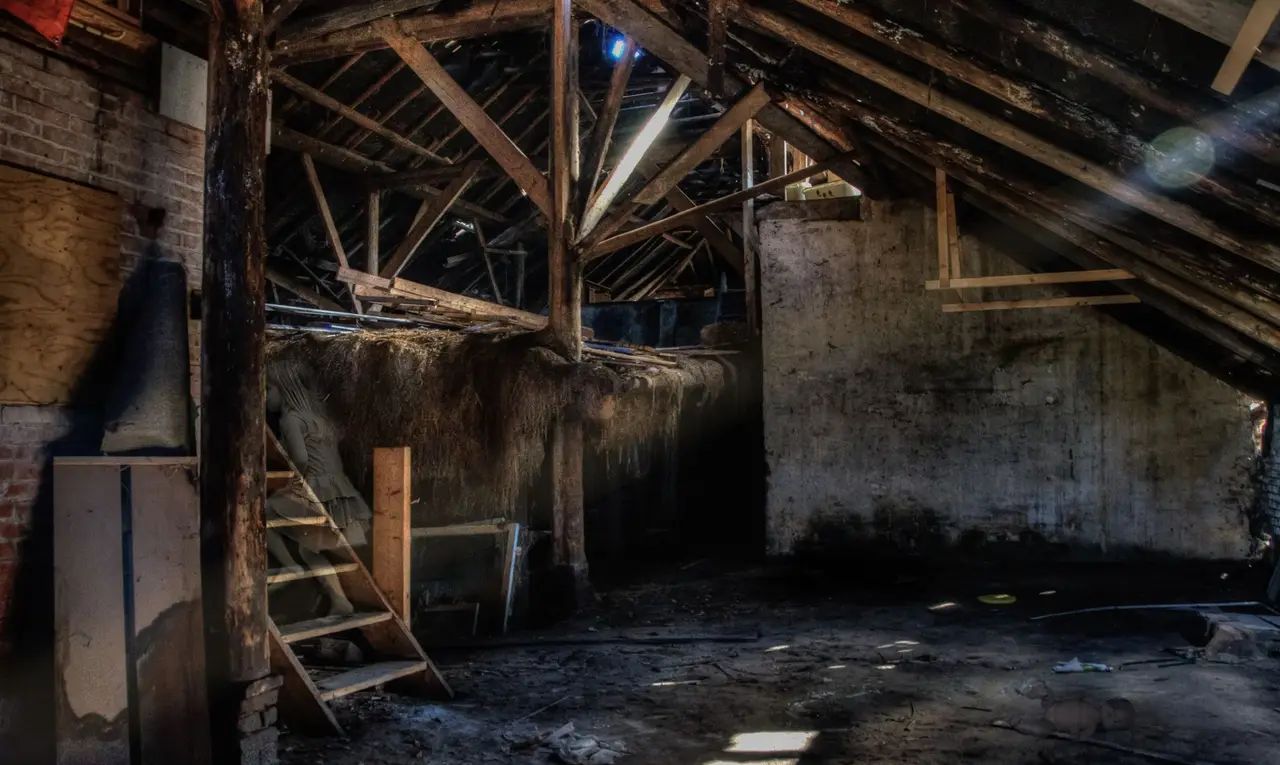
You have an infant or elderly parent at home and want the attic checked for mold.
We prioritize health-sensitive households with same-day inspections when possible. Our protocol uses HEPA filtration and EPA-registered products safe for occupied homes.
Outcome: Peace of mind knowing the attic is clean and the air your family breathes is safe.
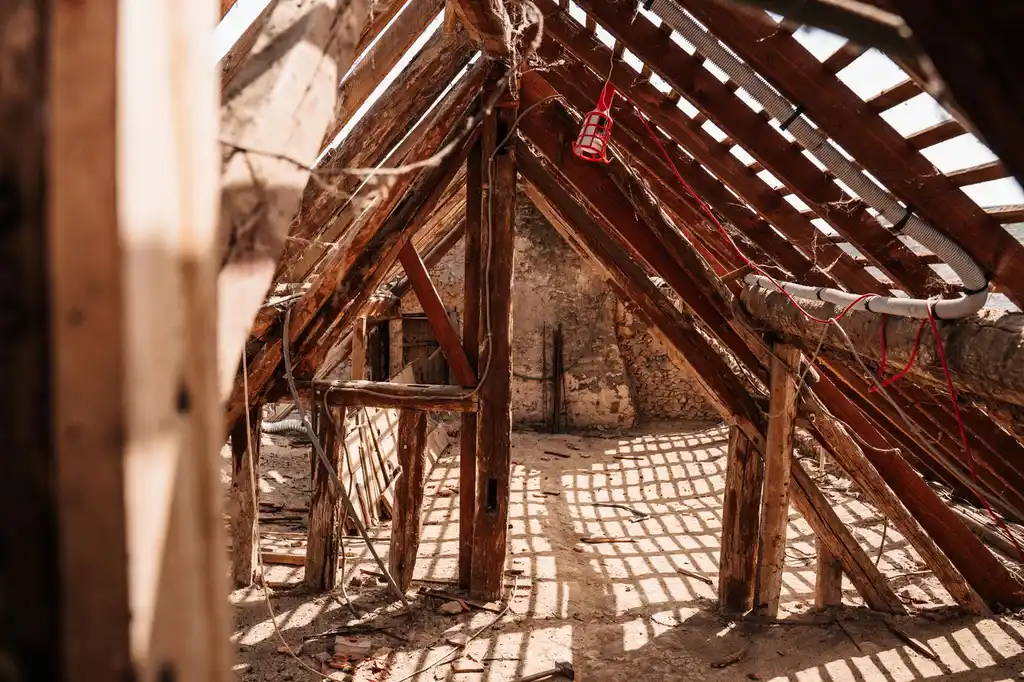
Littleton's climate creates ideal conditions for attic mold. Winter temperature swings cause condensation on roof sheathing, and spring hailstorms drive water through aging shingles. Homes built before 1990 in neighborhoods like Columbine and Ken Caryl often have undersized attic ventilation, which traps that moisture against wood all season.
We see the worst mold on north-facing roof decks where sun never dries the sheathing. Our health-related attic mold remediation Littleton CO process accounts for these local patterns. We check ventilation sizing, trace leaks to their source, and test air quality before and after so you know the job is done.
If you need attic mold removal for health concerns in Littleton CO near me, we know the building styles and climate factors that cause the problem here.

Before: A Ken Caryl homeowner noticed dark stains on the ceiling below the attic. Inspection found black mold covering 40 square feet of roof sheathing, fed by a slow leak from a hailstorm two years earlier. Insulation in the area was contaminated and ductwork had visible mold growth.
After: We removed contaminated insulation, treated sheathing and trusses with antimicrobial spray, cleaned ductwork, and installed new mold-resistant insulation. Air quality tests showed spore counts dropped by 92 percent. The homeowner repaired the roof leak and added ridge ventilation.
Check attic after every major hailstorm for new leaks. Keep humidity below 50 percent with proper ventilation. Schedule an inspection every two years to catch moisture problems early.
Before: A family in Historic Downtown Littleton complained of musty odors in two upstairs bedrooms every winter. Inspection found mold on trusses and ductwork, caused by poor attic ventilation trapping humid air against cold surfaces. No visible leak, just condensation.
After: We contained the attic, HEPA vacuumed surfaces, treated trusses and ductwork with antimicrobial products, and installed additional soffit vents. The odor cleared within 48 hours. Follow-up air testing confirmed spore counts were within normal outdoor levels.
Run bathroom and kitchen exhaust fans longer in winter. Keep attic vents clear of insulation. Check for frost on roof nails during cold snaps as an early warning sign.
Before: A home seller in Columbine had a buyer's inspector flag attic mold two weeks before closing. The mold covered trusses and insulation near a bathroom exhaust fan that vented into the attic instead of outside. The buyer threatened to walk.
After: We remediated the mold, rerouted the exhaust fan to vent outside, replaced contaminated insulation, and provided a clearance report with air quality results. The buyer accepted the documentation, and the sale closed on schedule.
Verify all exhaust fans vent outside, not into the attic. Schedule annual attic inspections if you have bathrooms or kitchens below the attic space.
Mold in your attic causes more than a smell. It affects your health, your home's value, and your peace of mind. Here are the problems we hear about most from Littleton homeowners.
Cleaner air, fewer symptoms, and a documented fix.
We run air scrubbers and negative air machines during removal, so spore counts in your living space drop the same day. Most families notice the musty odor fading within 24 to 48 hours after we finish.
Removing mold from attic ductwork and insulation cuts the allergens that trigger coughing, sneezing, and asthma flare-ups. Customers in Willow Creek and Governor's Ranch report fewer morning headaches within the first week.
Young children and older adults are hit hardest by mold exposure. Our attic mold removal for health concerns for infants Littleton CO protocol uses EPA-registered products and HEPA filtration to leave the attic safe for the most vulnerable people in your home.
Killing mold without fixing the moisture is wasted money. We trace roof leaks, poor ventilation, and condensation with a hygrometer and boroscope, then repair or recommend the fix so mold does not return next season.
What a written scope covers and what shapes it. Prices are set by the business after the first look.
Included
Depends on
Clear records you can keep and share.
Before and after images of every area
Readings showing dry conditions after work
Spore counts before and after remediation
Written summary for insurance or sale
Not all attic mold looks the same. Knowing what you are seeing helps you decide how fast to act.
Growth on sheathing or trusses from condensation
Growing colony with visible moisture nearby
Growth behind insulation or inside ductwork
A list like this tells people straight away whether you cover their street. Not listed? Call and ask: it only takes a minute.
Based in Littleton and covering the places around it. Pick one for local details.
Small patches on sheathing near a roof leak often land near the low end. Full attic decontamination with insulation removal and ductwork cleaning pushes toward the high end. Air quality testing and clearance reports are included in every quote.
Yes. Mold spores from your attic travel through ductwork, ceiling gaps, and HVAC returns into every room. Common symptoms include coughing, sneezing, sinus congestion, headaches, and asthma flare-ups. Infants, elderly family members, and anyone with allergies or respiratory conditions are most affected. Removing the mold and fixing the moisture source usually clears symptoms within days to weeks.
A typical Littleton attic takes one day, usually six to ten hours from containment setup to final air test. Larger attics or heavy contamination with insulation removal can stretch to two days. We schedule the work so your HVAC system stays off during removal, then back on once clearance testing passes.
Watch for a musty smell in upstairs rooms, chronic coughing or sneezing that improves when you leave home, headaches, and irritated eyes or throat. Some people develop skin rashes. If symptoms ease on vacation and return when you get home, mold in the attic or ductwork is a likely cause. Air quality testing confirms it.
Other services from the same team.
If your family is coughing, sneezing, or fighting musty odors, the mold in your attic is not going to fix itself. Call PeakShield Attic Solutions at (720) 953-3834 for an inspection and a clear plan. We serve Littleton, CO and all of Arapahoe County.
Call (720) 953-3834 or email us and we will schedule an attic inspection, usually within a day or two. We work Monday through Friday, 8am to 6pm, and we answer the phone ourselves. If you have a leak or storm damage, tell us and we will prioritize the call.