For Homes
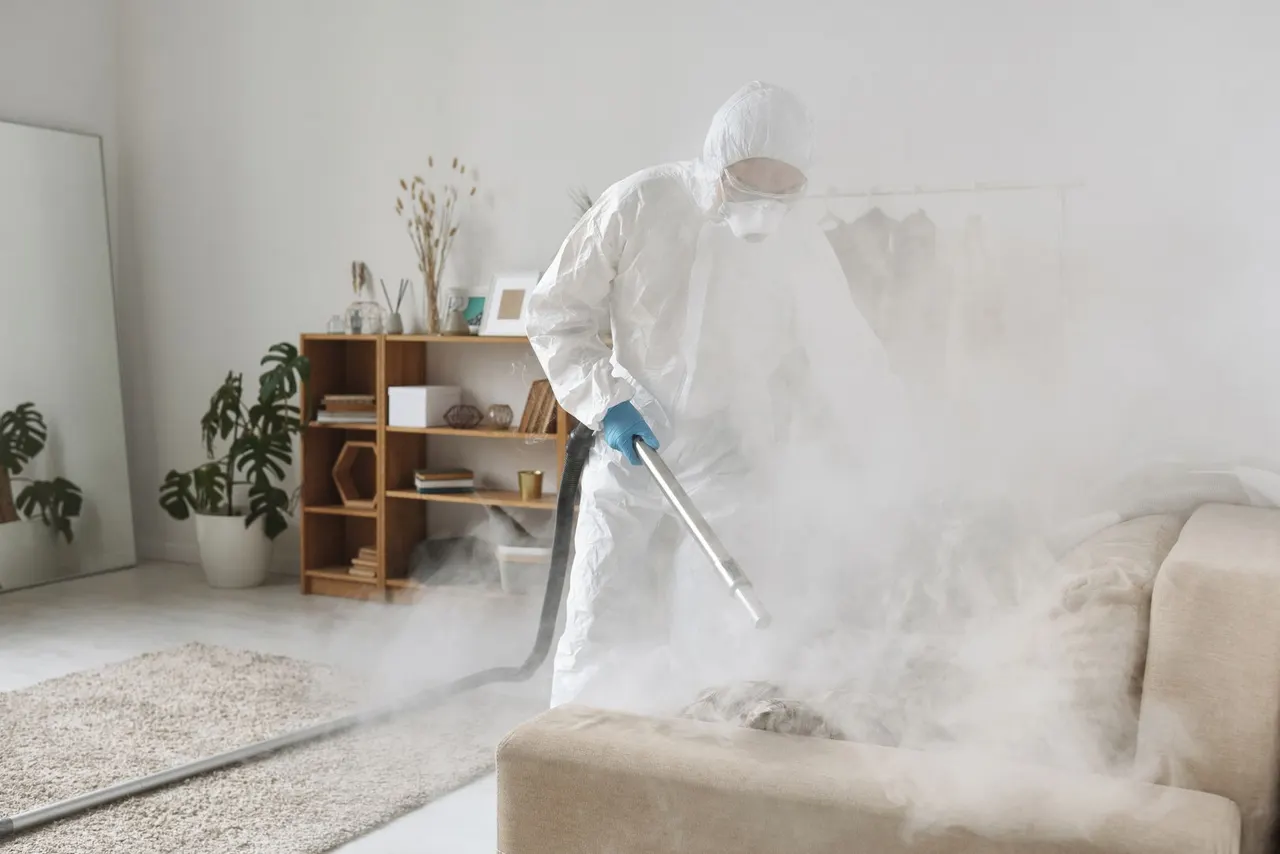
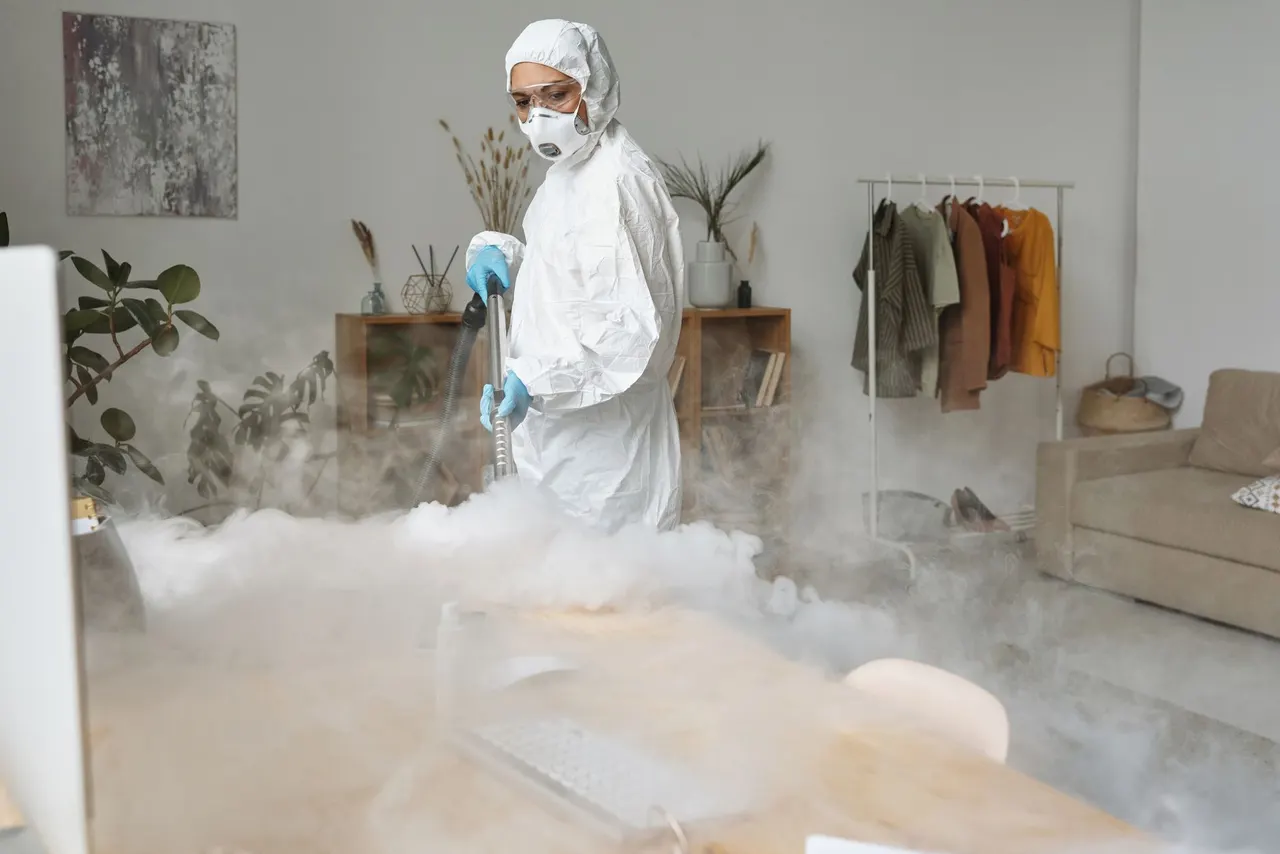
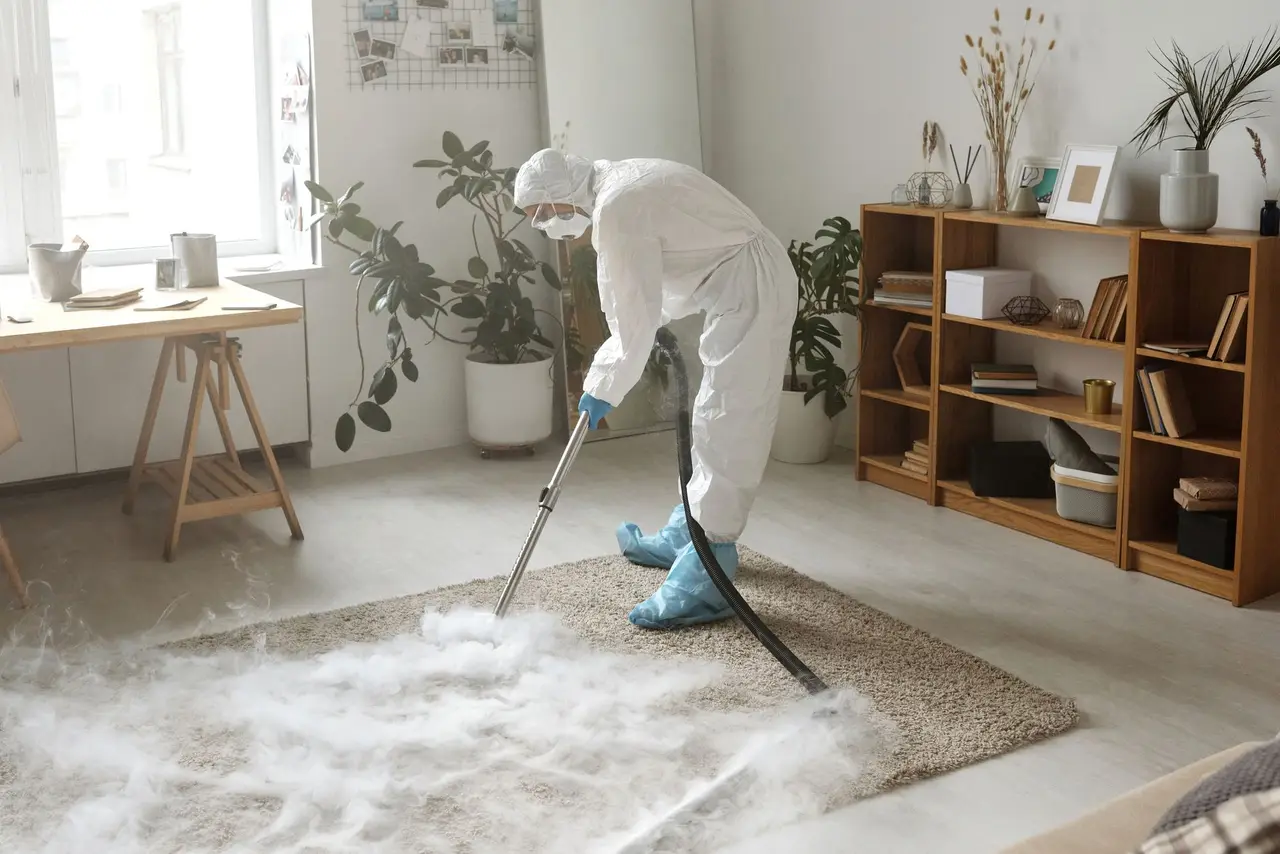
We work in occupied homes every day and keep the mess contained. You get a clear scope before we start and a walkthrough when we finish.
- Musty smell in upstairs rooms
- Child with nighttime asthma symptoms
- Roof leak from last winter
Attic Mold Removal for Asthma Relief in Littleton is a full-source remediation service for households where attic mold is making breathing worse. If musty odors drift through your upstairs or your child wakes up wheezing, we find the mold, remove it, and clean the air path. Our asthma attic mold remediation Littleton CO crews work across Arapahoe County with HEPA filtration and moisture control that stops regrowth.
 Moisture mappingAir path checkContainment setup
Every asthma relief job includes the full sequence: inspection, containment, removal, treatment, moisture fix, and final air test. We do not skip steps. Here is what is covered in a standard scope, and what we handle as an add-on when the inspection shows it is needed.
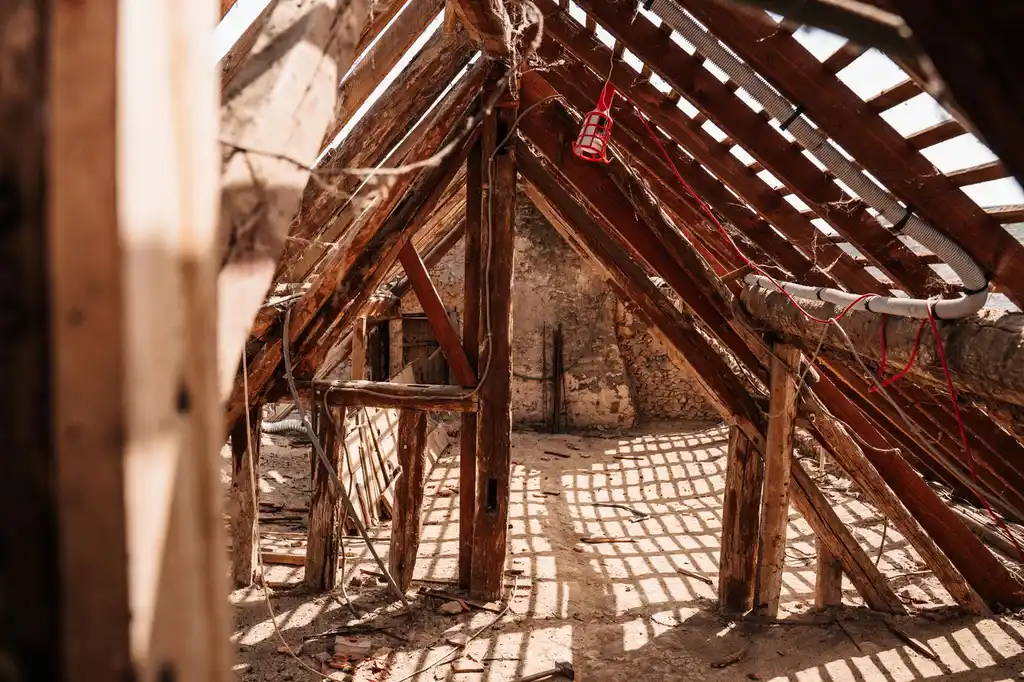
We use moisture meters, thermal imaging cameras, and boroscopes to map every mold-affected surface. You get a written scope with photos and a clear explanation of what we found and why it matters for your asthma symptoms.
Before we touch anything, we seal the attic from the living space and run negative air machines with HEPA filters. This keeps spores from drifting into bedrooms while we work. Air scrubbers run continuously until the job is done.
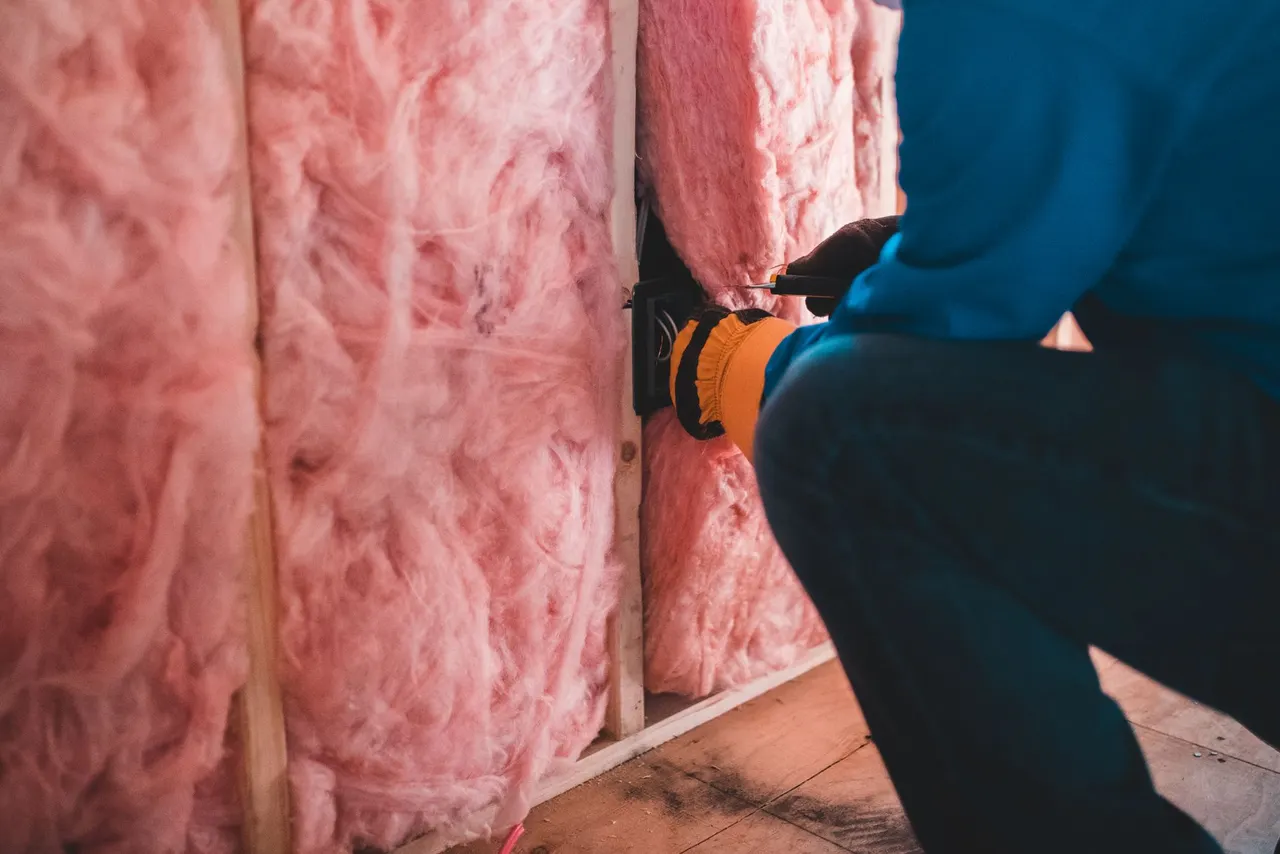
Contaminated insulation is bagged and removed. Sheathing, trusses, and ductwork are HEPA-vacuumed and treated with antimicrobial spray. For heavy staining we use RMR-86. Every surface gets a final wipe-down before we move on.
We fix roof leaks, seal gaps, and install or upgrade ventilation fans and intake vents. If insulation was removed, we replace it with new material sized for your attic. This step is what stops the mold from coming back.
We run a final air test and compare it to the baseline. You get a written summary with before-and-after spore counts. If anything is still reading high, we do not call the job done until it is clear.
The approach is the same for a home and a business. What changes is the access, the schedule and who needs the paperwork.
We work in occupied homes every day and keep the mess contained. You get a clear scope before we start and a walkthrough when we finish.
We schedule around tenants and business hours to minimize disruption. Property managers get full documentation for every job we complete.
A plain-language look at what Attic Mold Removal for Asthma Relief involves and when it is needed.
See how it worksAttic Mold Removal for Asthma Relief in Littleton is a targeted remediation process that removes mold growth from roof sheathing, trusses, insulation, and ductwork so airborne spores stop reaching the living space. We start with a moisture meter and thermal imaging camera to trace the water source, then contain the attic with negative air machines and HEPA vacuums before any material is disturbed. Growth is treated with antimicrobial spray, and porous materials like fiberglass insulation or cellulose insulation are bagged and removed when contamination is deep.
Littleton homes built before 1990 often have undersized ventilation and original wood sheathing that holds condensation through winter. That trapped moisture feeds black mold on sheathing and truss mold that releases spores every time the furnace kicks on. If you have been searching for attic mold removal for asthma relief near me Littleton, our team handles the removal, the air quality testing, and the ventilation fix in one visit so the problem does not return next season.
Attic mold removal for asthma relief removes the source, cleans the air path, and fixes the moisture that feeds it.

Every attic is different, but the sequence is the same. Here is exactly what happens from the first call to the final air test.
We arrive with a moisture meter, thermal imaging camera, and boroscope to map every mold-affected surface. You get a written scope showing what we found, where the moisture is coming from, and what it will take to fix it. Most inspections take 45 to 60 minutes.

Before we touch anything, we seal the attic from the living space with plastic barriers and run negative air machines. This keeps spores from drifting into bedrooms while we work. Air scrubbers with HEPA filters run continuously for the entire job.
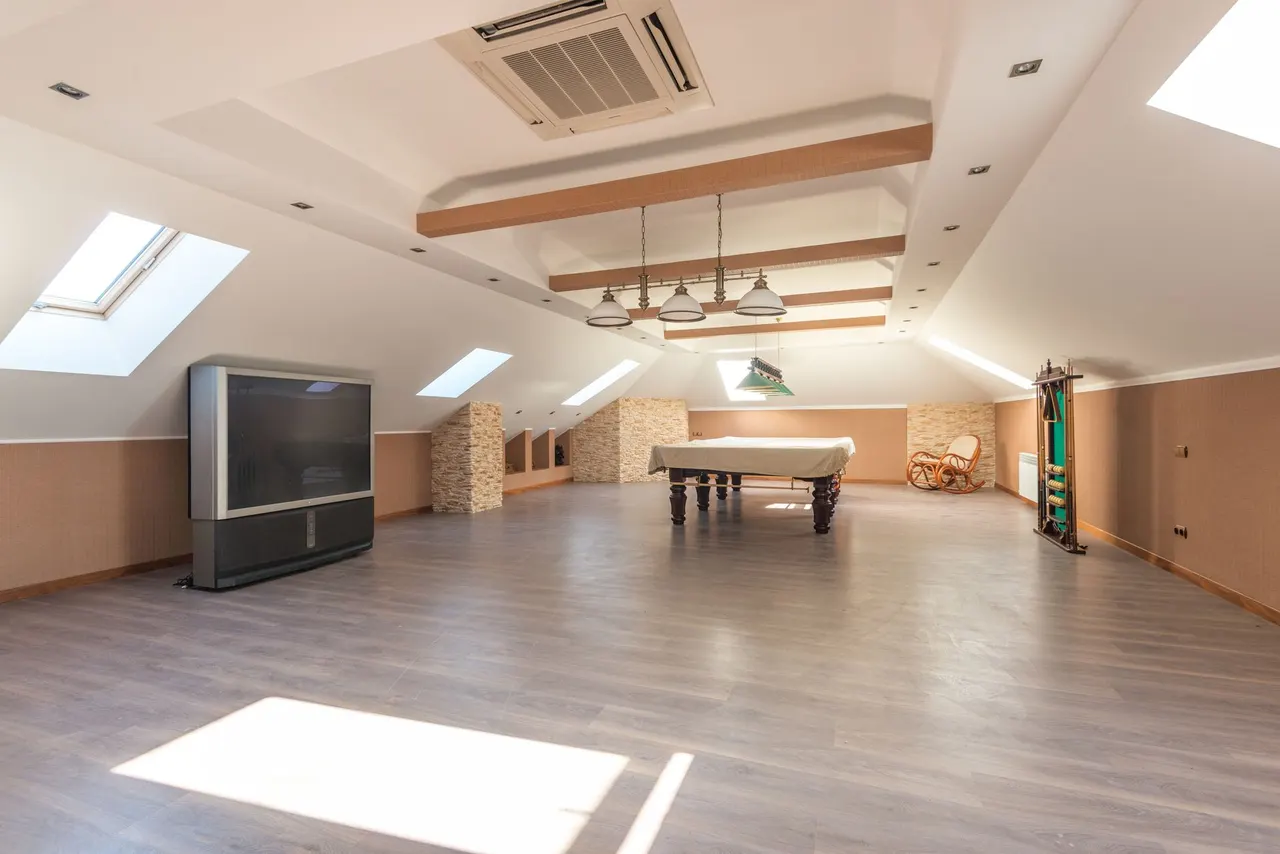
Contaminated insulation is bagged and hauled out. Sheathing, trusses, and ductwork are HEPA-vacuumed, then treated with antimicrobial spray. For heavy growth we use products like Concrobium or Benefect, and RMR-86 on stained framing. Every surface gets a final wipe-down.
We repair roof leaks, seal gaps, and install or upgrade ventilation fans and intake vents. If insulation was removed, we replace it with mold-resistant drywall backing where needed and new insulation sized for your attic. This step is what prevents the mold from returning.
We run a final air quality test and compare it to the baseline. You get a walkthrough of the attic, photos of every stage, and a written summary. If anything is still reading high, we do not call the job done until it is clear.
Move across a circle, or focus it and press Enter, for an illustrative thermal view of the photograph.

Finds hidden moisture behind walls and under insulation without cutting into surfaces. Critical for tracing roof leaks that feed attic mold.
Measures moisture content in wood and humidity levels in the air. We use these to confirm the attic is dry before we close up the job.
Captures mold spores and fine debris that a standard shop vac would blow back into the air. We use HEPA vacuums on every surface before treatment.

Creates negative pressure in the attic so spores cannot drift into living spaces. Air scrubbers with HEPA filters run continuously during remediation.

Lets us see inside wall cavities and ductwork without tearing them open. We use it to confirm mold growth in areas we cannot see directly.
Thermal views are illustrative, generated from the photographs.
Applies antimicrobial spray evenly across large attic surfaces. Useful for treating sheathing and trusses after HEPA vacuuming.
This is the industry standard for mold removal. It covers containment, removal, cleaning, and verification. We follow it on every job so you know the work meets professional guidelines.
We seal the attic from the living space and run negative air machines to keep spores from spreading. This is especially important in asthma households where any airborne irritant can trigger symptoms.
After removal, we treat every surface with antimicrobial spray. Concrobium and Benefect are low-odor and designed for occupied homes. For heavy staining we use RMR-86 on framing.
We test attic air before remediation and again after. The comparison shows spore count reduction and gives you documentation for your doctor, your insurance company, or your real estate transaction.

Your child has asthma and wakes up coughing every night
We inspect the attic and ductwork for mold growth, contain the space, remove contaminated materials, and clean the air path. We also test air quality before and after so you can see the difference.
Outcome: Most families notice fewer nighttime episodes within two weeks. You get documentation you can share with your pediatrician or allergist.
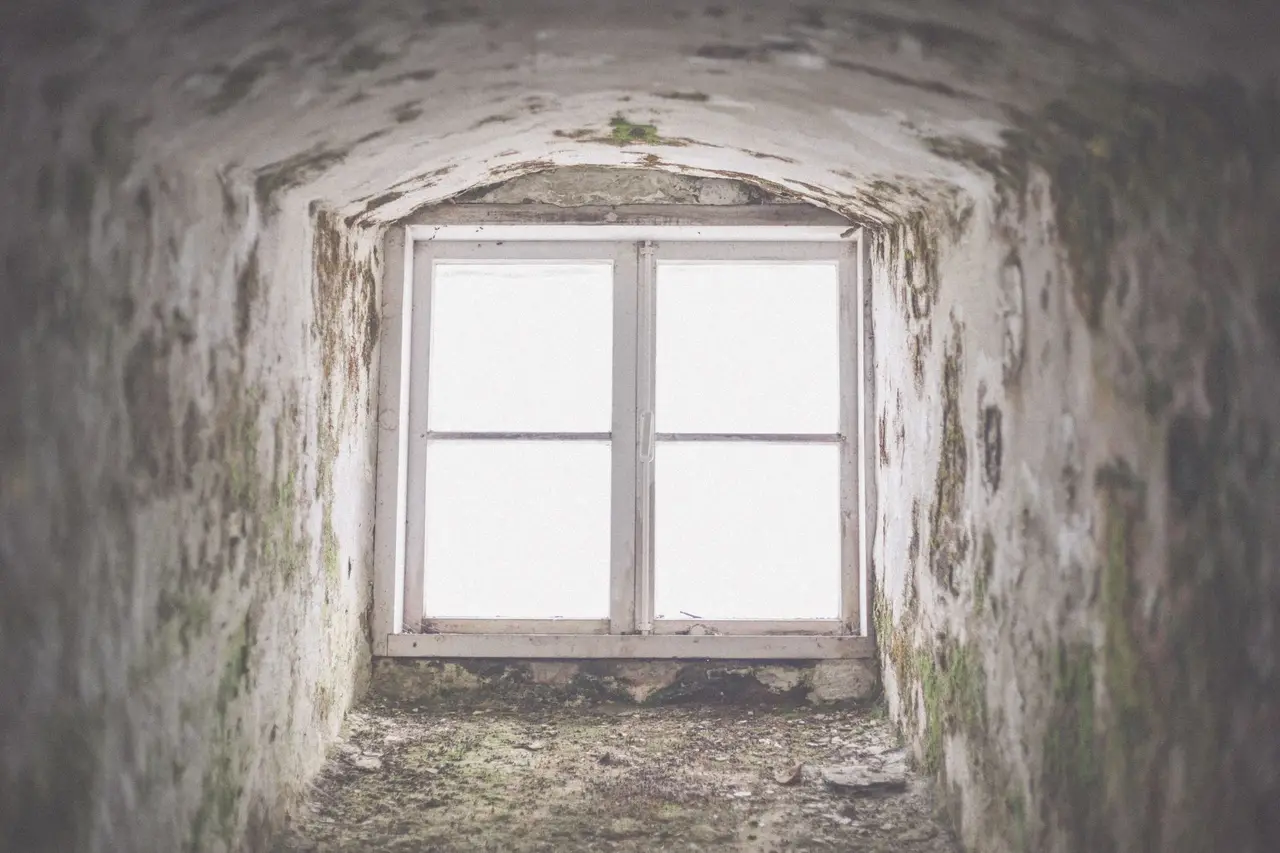
You had a roof leak last winter and now smell musty air upstairs
We trace the leak with thermal imaging, find the mold it fed, and remove it. Then we repair the leak and fix ventilation so the problem does not return next season.
Outcome: The musty smell is gone, the leak is fixed, and your attic stays dry through the next freeze-thaw cycle.
A home inspection found attic mold and your closing is in two weeks
We prioritize real estate timelines. Inspection within 48 hours, written scope same day, remediation scheduled around your closing date. We provide full documentation for buyers and lenders.
Outcome: You get a clean remediation report, the buyer gets confidence, and the deal closes on time.
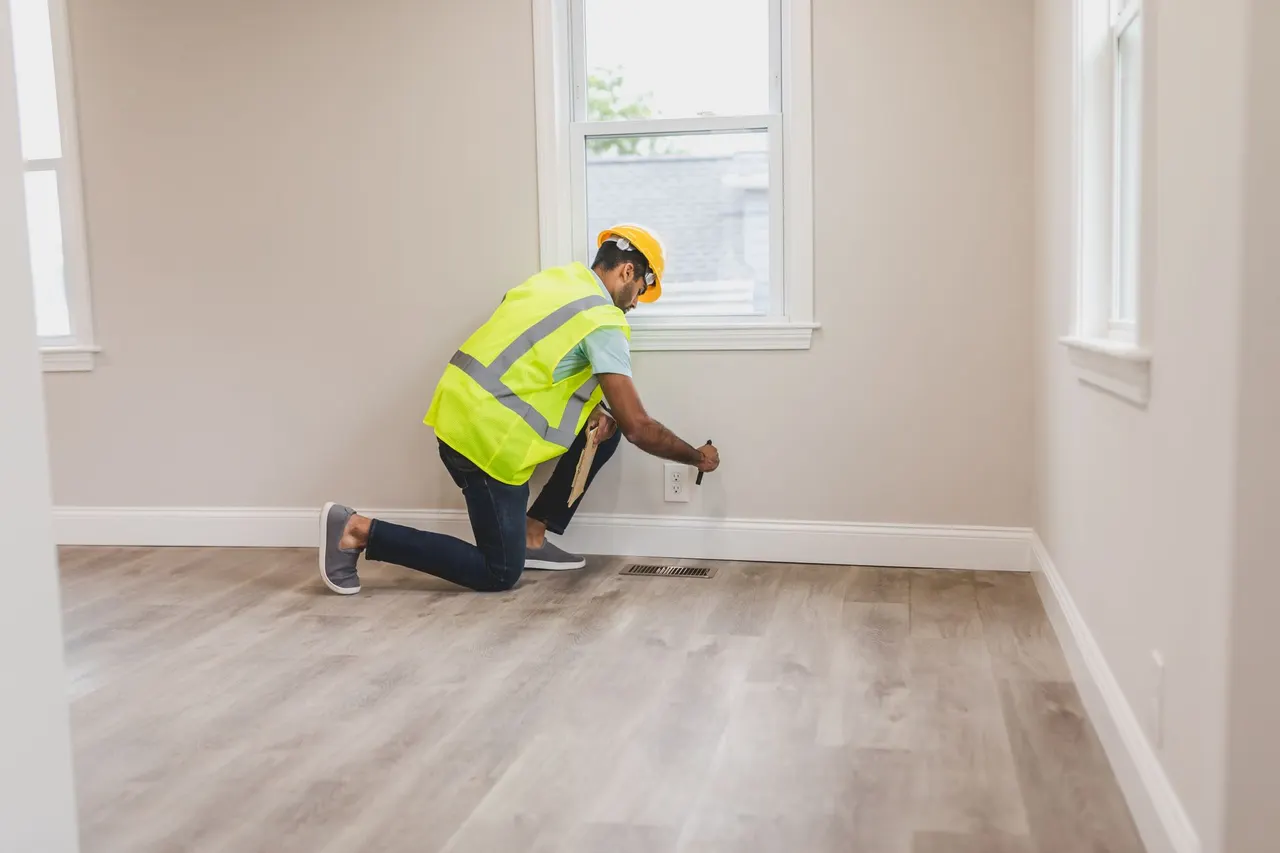
Your tenant is complaining about mold and breathing issues
We respond quickly, document everything with photos and moisture readings, and complete remediation with minimal disruption. You get a full report showing the work was done right.
Outcome: The tenant's complaint is resolved, your liability is reduced, and you have documentation if the issue comes up again.
You have allergies that get worse every time you go upstairs
We test the attic air, find the mold source, and remove it. We also clean the ductwork and fix ventilation so spores stop reaching your living space.
Outcome: Cleaner air upstairs, fewer allergy symptoms, and a documented air quality improvement you can see in the test results.

Littleton sits in Arapahoe County where freeze-thaw cycles run from October through April. Warm, moist air from the living space rises into the attic and condenses on cold roof sheathing. That condensation feeds mold on sheathing, trusses, and insulation. Older homes near Downtown Littleton and Historic Downtown Littleton often have undersized ventilation, which makes the problem worse.
Newer builds in Sterling Ranch and Ken Caryl are tighter, but they can still develop mold if bathroom fans or dryer vents are not sealed properly. We scope every job around the specific construction and ventilation of your home. If you have been searching for professional attic mold removal for asthma relief Littleton, Colorado, we will inspect, test, and give you a written plan before we start.
Before: A family in Ken Caryl had mold covering 40 percent of the roof sheathing. Their son's asthma was worse every winter. Moisture readings showed the wood was above 20 percent. The attic had no intake vents and a bathroom fan discharging directly into the space.
After: We removed contaminated insulation, HEPA-vacuumed and treated the sheathing, and installed new intake vents and a properly vented bathroom fan. Post-remediation air testing showed spore counts dropped by 85 percent. The family reported fewer asthma episodes within two weeks.
We recommend checking attic humidity once per season and keeping vents clear of insulation. If you notice musty odors, call for an inspection before the problem spreads.
Before: A 1950s ranch near Downtown Littleton had a slow roof leak that went unnoticed for two winters. Mold grew on trusses and ductwork. The homeowner noticed a musty smell in the hallway and called us after their doctor asked about environmental triggers.
After: We repaired the roof leak, removed moldy insulation, treated trusses with RMR-86 and antimicrobial spray, and cleaned the ductwork. Air quality testing before and after showed a 90 percent reduction in spores. The musty smell was gone within a day of remediation.
We scheduled a one-year follow-up inspection to confirm the repair held. The homeowner now checks the attic after every major storm.
Before: A newer home in Sterling Ranch developed mold on sheathing within three years of construction. The building envelope was tight, but the dryer vent was not sealed and was pushing moist air into the attic. Moisture readings were above 18 percent across the roof deck.
After: We sealed the dryer vent, installed additional exhaust ventilation, removed and replaced contaminated insulation, and treated all surfaces. Post-remediation testing showed moisture levels back to normal and spore counts within outdoor baseline. The homeowner avoided a costly roof replacement.
We recommend annual attic inspections for the first five years in newer homes. Small ventilation issues are easy to fix early and expensive to ignore.
Attic mold does not just stay in the attic. It affects the air your family breathes. Here are the most common problems we solve for Littleton homeowners dealing with asthma and mold exposure.
Cleaner attic air, fewer asthma triggers, and a moisture fix that lasts.
Mold spores pulled into bedrooms through attic ductwork and ceiling gaps are a common trigger for 2 a.m. coughing fits. Once we remove contaminated insulation and sanitize the ductwork, most families notice fewer overnight episodes within the first two weeks. We also run attic air quality testing before and after so you can see the spore count drop.
Attic mold does not stay in the attic. Stack effect pulls spores down through recessed lights, attic hatches, and HVAC returns. Our attic mold removal for breathing issues Littleton process seals the contamination zone, runs air scrubbers with HEPA filtration, and leaves the attic at a negative pressure until every surface is clean.
Removing mold without fixing the roof leak or poor attic ventilation means it comes back in one or two seasons. We trace every moisture source with a hygrometer and boroscope, repair what we find, and install ventilation fans or additional intake vents sized to your attic volume. That is what keeps the attic dry through a Colorado winter.
If you are managing asthma with a pulmonologist or allergist, having documentation helps. We provide before-and-after moisture readings, thermal images, and air quality test results. Several Littleton families have used our reports when discussing environmental triggers with their care team.
What a written scope covers and what shapes it. Prices are set by the business after the first look.
Included
Depends on
Clear records you can keep and share.
Photos, moisture readings, and written scope
Before-and-after spore count comparison
Images from every stage of work
What was done and what to watch for
Not all attic mold is the same. What we find determines how we remove it and how urgent the job is.
Growth on sheathing or trusses from condensation
Growth that has penetrated wood or insulation
Growth inside attic HVAC ducts
A list like this tells people straight away whether you cover their street. Not listed? Call and ask: it only takes a minute.
Based in Littleton and covering the places around it. Pick one for local details.
We provide a written quote after inspection, and we break out removal, treatment, and ventilation so you can see where the money goes.
Yes. Mold spores from attic growth get pulled into living spaces through ductwork, recessed lights, and attic hatches. For people with asthma, those spores can trigger coughing, wheezing, and shortness of breath, especially at night. Littleton's freeze-thaw cycles make attic condensation common, which means mold growth is more likely here than in drier climates. Removing the mold and fixing the moisture source is the only way to stop the exposure.
A typical attic takes one to two days for removal and treatment. If we are also replacing insulation, repairing a roof leak, or installing new ventilation, plan on two to four days. Larger attics or heavy contamination in ductwork can push it to a week. We give you a day-by-day schedule before we start so you know when the work will be done.
We use HEPA vacuuming followed by antimicrobial spray like Concrobium or Benefect, which are low-odor and safe for occupied homes. For stained framing we use RMR-86. After treatment, we install or upgrade ventilation so condensation stops forming. That combination is what keeps asthma sufferers from re-exposure.
Other services from the same team.
If attic mold is making your family sick, every day you wait is another day of exposure. Call PeakShield Attic Solutions at (720) 953-3834 and we will schedule an inspection, give you a written scope, and get the work done. We serve Littleton and all of Arapahoe County.
Call (720) 953-3834 or email us and we will schedule an attic inspection, usually within a day or two. We work Monday through Friday, 8am to 6pm, and we answer the phone ourselves. If you have a leak or storm damage, tell us and we will prioritize the call.