Why does my attic smell bad even after mold removal
That musty attic smell after mold removal usually means moisture or hidden spores were missed. Here's how Littleton homeowners track down the real source and clear the air.
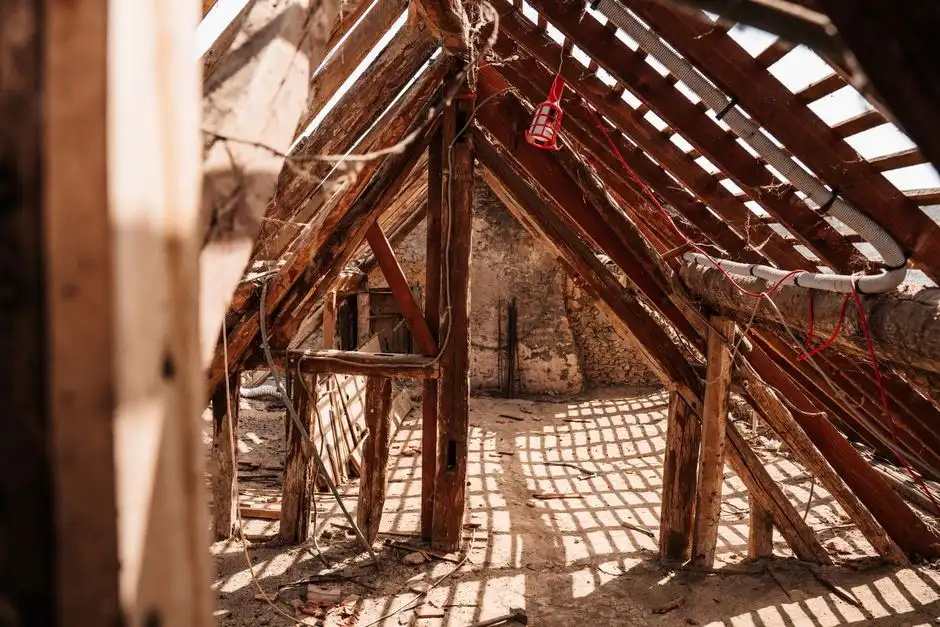
Your attic still smells musty after mold removal because the remediation killed the visible growth but left the conditions that created it-moisture, contaminated insulation, or spores in ductwork and framing that were never treated. Mold odor is a gas given off by active microbial growth, so if the smell lingers, something is still wet or still colonized. This post walks through the specific reasons Littleton attics keep smelling after remediation, how to find the real source, and what it takes to clear the air for good.
The short answer: the smell is a symptom, not the mold
Why does my attic smell bad even after mold removal in Littleton is really a question about moisture, not about the mold you already paid to remove. The musty, earthy, sometimes gym-locker odor you're smelling is microbial volatile organic compounds-MVOCs-off-gassed by mold and bacteria as they digest organic material. Kill the mold but leave the wood damp, and the smell can hang around for weeks.
Attic odor after remediation in Littleton, Colorado almost always traces back to one of three things: a moisture source that was never fixed, porous materials that absorbed spores and weren't replaced, or a remediation that scrubbed surfaces without addressing the air itself. We've walked into attics where the visible mold was gone and the smell was worse than before, usually because the crew treated the sheathing and ignored the insulation sitting underneath it.
Why does my attic smell bad even after mold removal in Littleton?
Littleton sits in a climate that swings hard-single-digit nights in January, 95-degree afternoons in July, and afternoon thunderstorms that dump a half-inch of rain in twenty minutes. That swing is brutal on attics. Warm, moist air rises from your living space, hits a cold roof deck, and condenses. If your exhaust fans vent into the attic instead of outside, you're adding a gallon of water vapor a day to that space.
After remediation, that cycle doesn't stop on its own. If the underlying moisture problem is still active, new mold growth starts within 24 to 48 hours on wet wood. You won't see it for a week or two, but you'll smell it almost immediately. That's why so many homeowners call us saying the smell came back "out of nowhere" three weeks after a remediation.
For a full picture of what proper remediation covers, see our Attic Mold Remediation Littleton CO page-it breaks down the containment, HEPA vacuuming, and antimicrobial steps that separate a real fix from a surface wipe.
The five usual suspects behind attic odor after remediation in Littleton, Colorado
1. Contaminated insulation that was left in place
Blown-in fiberglass and cellulose act like sponges. Once mold spores settle into insulation, no amount of spraying will get them out. The smell keeps off-gassing every time the attic warms up. If your remediation didn't include insulation removal, that's likely your culprit. We replace contaminated insulation on most jobs-see Attic Insulation Replacement Littleton CO for what that involves.
2. A moisture source that was never fixed
Bath fans dumping into the attic, a slow roof leak around a vent boot, a cracked dryer duct, or a whole-house humidifier running too high-any of these will feed new growth. We find active leaks on roughly one in three attics we inspect in older Littleton neighborhoods like Ken Caryl and Columbine Valley. If the leak isn't fixed, the mold comes back and so does the smell.
3. Ductwork that was never cleaned
If your HVAC ducts run through the attic-and in most Littleton homes built before 2000, they do-mold spores settle inside the flex duct and get pushed into every room. The attic smells, and so does the house. Duct cleaning is a separate scope from attic surface remediation, and skipping it is one of the most common reasons odor lingers.
4. Porous framing that absorbed spores
Raw dimensional lumber and OSB sheathing are porous. Even after HEPA vacuuming and antimicrobial treatment, deeply colonized wood can hold odor for months. In severe cases, we encapsulate or replace the affected sheathing rather than trying to clean it.
5. Dead spores and debris left in the air
Remediation stirs up a massive amount of particulate. If the crew didn't run a HEPA air scrubber long enough-or didn't run one at all-those particles settle back onto surfaces and keep the smell alive. A proper job runs negative air for the full duration plus a post-clearance verification.
How to remove attic odors after mold removal in Littleton CO
Attic smell removal in Littleton starts with finding the moisture source, not with buying another odor bomb. Here's the sequence we run on every job:
- Moisture mapping. Pin-type and non-invasive meters on every truss, sheathing panel, and top plate. We're looking for anything above 16% wood moisture content-that's the threshold where mold reactivates.
- Leak and ventilation audit. Bath fans, dryer vents, roof penetrations, ridge and soffit venting. If intake and exhaust aren't balanced, the attic stays humid no matter what you spray.
- Containment and HEPA vacuuming. 6-mil poly containment, negative air machines with HEPA filtration, and full surface vacuuming before any wet work.
- Antimicrobial treatment and encapsulation. EPA-registered antimicrobial on all structural surfaces, followed by an encapsulant on porous wood where needed.
- Insulation removal and replacement. Contaminated batts and blown-in come out. New insulation goes in only after the attic is dry and verified.
- Air scrubbing and final verification. Minimum 24 hours of HEPA scrubbing, then moisture readings and, if requested, air sampling to confirm clearance.
If you want to know what's actually growing up there before you commit to a fix, Attic Mold Testing Littleton CO gives you lab-confirmed species and spore counts instead of a guess.
Common mistakes that leave the smell behind
Most failed remediations we get called to fix share the same handful of shortcuts. Watch for these:
- Spraying and praying. Fogging the attic with a disinfectant without removing the moisture source or the contaminated insulation. The smell returns in two to four weeks.
- Skipping the ductwork. If your ducts run through the attic and weren't cleaned, you're re-contaminating the space every time the furnace kicks on.
- No post-remediation verification. A job isn't done until moisture readings are back under 16% and, ideally, air sampling confirms the spore count is at or below outdoor baseline.
- Ignoring ventilation. Adding a powered attic fan without fixing intake venting can actually pull conditioned air (and moisture) up from the house. Balance matters more than CFM.
- Using ozone generators in occupied spaces. Ozone masks odor and irritates lungs. It doesn't fix the source, and it's not a substitute for remediation.
One more: don't trust a remediation quote that doesn't include a moisture reading in writing. If the contractor can't tell you what the wood moisture content was before and after, they didn't measure.
When to call a professional
If the smell has been back for more than two weeks, if you can see discoloration on the sheathing or trusses, or if anyone in the house is waking up congested, it's time to bring in a crew. DIY foggers and charcoal bags don't fix moisture problems-they hide them.
At PeakShield Attic Solutions, we start every job with a full attic mold assessment: moisture mapping, visual inspection, and a written scope that tells you exactly what's causing the odor and what it takes to remove it. We handle the leak repair, the remediation, the insulation swap, and the final air verification so you're not coordinating four different trades. If you want a baseline on indoor air before we start, we can run Attic Air Quality Testing Littleton CO and compare it to outdoor levels.
Frequently Asked Questions
Why does my attic smell bad even after mold removal in Littleton?
Because the moisture source or a porous material (insulation, ductwork, framing) was missed. Mold odor comes from active microbial growth, and if wood moisture stays above 16%, new growth starts within 24 to 48 hours. Removing the visible mold without fixing the water source leaves the smell behind.
How to remove attic odors after mold removal in Littleton CO?
Fix the moisture source first, then HEPA-vacuum all surfaces, apply an EPA-registered antimicrobial, replace contaminated insulation, clean attic ductwork, and run a HEPA air scrubber for at least 24 hours. Verify with moisture readings under 16% and, ideally, post-remediation air sampling.
Is attic smell after mold removal normal in Littleton, Colorado?
A faint odor for 3 to 7 days after remediation is normal as residual spores settle. A strong musty smell that persists past two weeks, or returns after fading, means active moisture or missed contamination. That's not normal and needs a re-inspection.
What causes attic odor after remediation in Littleton CO?
The top causes are wet insulation left in place, an unfixed roof or bath-fan leak, moldy HVAC ductwork running through the attic, and insufficient air scrubbing during the original job. Littleton's big day-night temperature swings make condensation on the roof deck a recurring trigger.
Can I just use an ozone machine or odor bomb?
No. Ozone and foggers mask the smell for a few days but don't remove spores, moisture, or contaminated material. Ozone also irritates lungs and shouldn't be used in occupied spaces. Fix the source and the odor goes away on its own.
Get help with Attic Mold Removal in Littleton
If your attic still smells after a remediation, we'll find out why and fix it-moisture source, contaminated insulation, ductwork, and all. Call PeakShield Attic Solutions at (720) 953-3834 to schedule an assessment.